
Ulcer pain has a special talent for showing up at the worst possible time: during a meeting, after a “harmless” cup of coffee, or right when you lie down and your stomach decides to host a tiny bonfire. If you are searching for how to relieve ulcer pain fast, the first thing to know is this: the right treatment depends on the cause. A peptic ulcer is not just “too much acid.” It is usually a sore in the lining of the stomach or the first part of the small intestine, often linked to Helicobacter pylori infection or regular use of NSAID pain relievers such as ibuprofen, naproxen, or aspirin.
The good news? Most ulcers can heal with proper treatment. The less glamorous news? Antacids, bland crackers, and heroic optimism may calm symptoms temporarily, but they do not fix the root cause. Fast relief is useful, but lasting relief comes from acid control, removing triggers, testing for H. pylori, and giving your digestive lining a chance to repair itself. Think of it as sending your stomach on a spa retreatexcept the robe is a proton pump inhibitor and the cucumber water is probably decaf.
What Ulcer Pain Feels Like
Ulcer pain is commonly described as burning, gnawing, aching, or hollow discomfort in the upper abdomen. Some people feel it between meals or at night. Others notice symptoms after eating. The pattern can vary depending on whether the ulcer is in the stomach or duodenum, and not everyone gets textbook symptoms. In fact, some people have ulcers with mild symptoms or no obvious warning until complications appear.
Common symptoms may include bloating, belching, nausea, heartburn-like discomfort, early fullness, or a sour feeling in the stomach. However, ulcer symptoms can overlap with reflux, gallbladder problems, indigestion, gastritis, and more serious conditions. That is why persistent or recurring pain should be evaluated rather than treated like a mystery guest at the digestive system’s dinner party.
When Ulcer Pain Is an Emergency
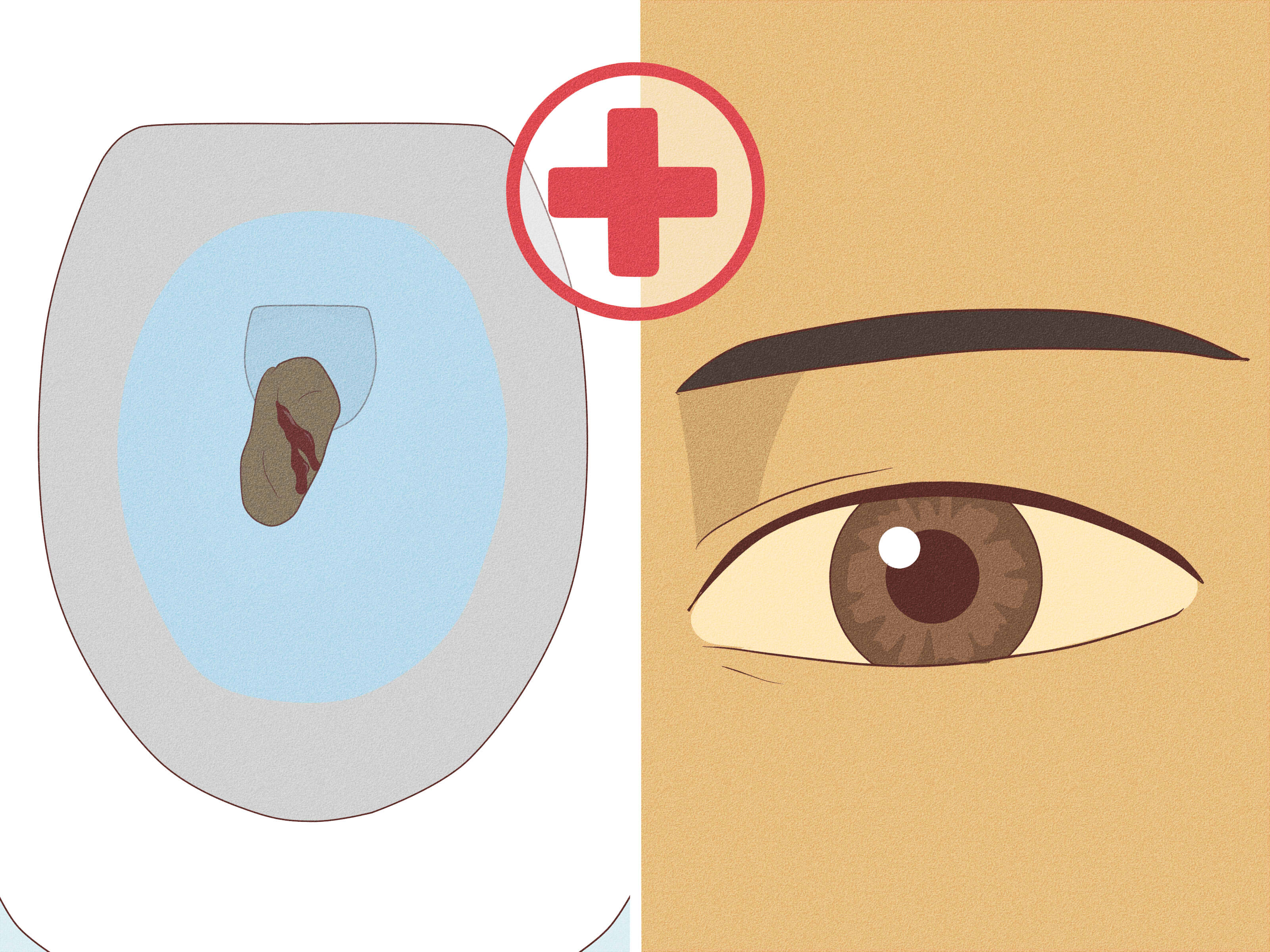
Before talking about fast ulcer pain relief, let’s get serious for a moment. Seek urgent medical care if you have severe stomach pain that does not go away, vomiting blood, vomit that looks like coffee grounds, black or tarry stools, fainting, dizziness, weakness, pale skin, or signs of major blood loss. These can point to bleeding, perforation, or another dangerous complication.
Also contact a healthcare professional promptly if your symptoms keep returning, you have unexplained weight loss, trouble swallowing, repeated vomiting, anemia, or new abdominal pain after age 50. Ulcers are treatable, but complicated ulcers are not a “wait and see” situation. Your stomach is dramatic sometimes, but bleeding is not dramait is a red flag.
Fast Ways to Relieve Ulcer Pain
1. Use an Antacid for Short-Term Relief
Antacids can neutralize existing stomach acid and may provide quick relief from burning discomfort. They are often available over the counter and may help during a flare. However, antacids are temporary helpers, not ulcer healers. They do not kill H. pylori, repair an ulcer by themselves, or prevent recurrence if the cause remains active.
Use antacids as directed on the label, and check with a clinician or pharmacist if you take other medications, have kidney disease, are pregnant, or need frequent doses. If you are reaching for antacids every day like they are breath mints, it is time to get evaluated.
2. Ask About H2 Blockers
H2 blockers, such as famotidine, reduce acid production and can help relieve ulcer-related discomfort. They usually do not work as instantly as antacids, but they last longer. Some are available over the counter, while stronger versions may be prescribed.
H2 blockers can be useful for nighttime symptoms or mild acid-related pain, but they still may not address the underlying ulcer cause. If your ulcer is caused by H. pylori, acid reduction alone is not enough. The bacteria need targeted treatment.
3. Proton Pump Inhibitors May Help Ulcers Heal
Proton pump inhibitors, or PPIs, reduce stomach acid more strongly than H2 blockers. Examples include omeprazole, esomeprazole, lansoprazole, pantoprazole, and similar medicines. PPIs are commonly used to help peptic ulcers heal because lowering acid gives the damaged lining a better environment for repair.
Some PPIs are available over the counter, but ulcer symptoms should not be self-treated indefinitely. If pain persists, returns after stopping medicine, or comes with warning signs, medical evaluation matters. Long-term PPI use may not be appropriate for everyone, so it is wise to use them under guidance when symptoms are recurring.
4. Stop Irritating the UlcerEspecially With NSAIDs
NSAIDs can irritate the stomach lining and increase the risk of ulcers and bleeding. This includes common pain relievers such as ibuprofen and naproxen, and aspirin can also contribute. If you suspect an ulcer, do not simply keep taking NSAIDs and hope your stomach will “toughen up.” It will not earn a belt in digestive karate.
Ask your healthcare professional whether acetaminophen may be safer for your situation, especially if you need pain relief. Do not stop prescribed aspirin or blood thinners without medical advice, because some people take them for heart or stroke prevention. The goal is not random medication rebellion; it is smart medication management.
Treating the Cause: The Real Key to Ulcer Relief
If H. pylori Is Present
H. pylori is a bacteria that can damage the stomach’s protective lining and contribute to peptic ulcers. Doctors may test for it using breath, stool, blood, or biopsy-based testing. If the test is positive, treatment usually involves a combination of acid suppression and antibiotics. Many current regimens include multiple medicines taken for around 10 to 14 days, and completing the full course is essential.
This is one of those times when “I felt better, so I stopped early” is a terrible plot twist. Incomplete antibiotic treatment may fail to eradicate the infection. Your provider may also confirm eradication after treatment, because killing H. pylori is not just about feeling better this weekit helps reduce the chance of ulcers coming back.
If NSAIDs Caused the Ulcer
When ulcers are linked to NSAID use, treatment often includes stopping or reducing the NSAID when possible and using acid-reducing medicine to support healing. Some people who must continue NSAIDs may need protective medication, a different pain strategy, or closer monitoring. This is especially important for older adults and people who take blood thinners, steroids, or multiple NSAID-containing products.
Always read labels. Many cold, flu, headache, and pain products contain NSAIDs, so it is easy to double up without realizing it. Your stomach does not care whether the second dose arrived wearing a different brand name.
Natural Remedies That May Support Ulcer Pain Relief
Natural remedies can support comfort, but they should not replace medical treatment for an ulcer. The safest approach is to use lifestyle and food strategies as helpers while addressing the actual cause. Below are practical remedies that may reduce irritation and support healing habits.
Eat Smaller, Gentler Meals
Large meals can stretch the stomach and may worsen discomfort for some people. Smaller meals spaced through the day may feel better, especially during active symptoms. Choose gentle foods such as oatmeal, bananas, rice, applesauce, soft cooked vegetables, lean proteins, soups that are not spicy, and plain yogurt if tolerated.
There is no universal ulcer diet. Spicy food does not usually cause ulcers, but it can make symptoms worse in some people. The same goes for coffee, citrus, tomatoes, fried foods, chocolate, peppermint, and carbonated drinks. The best rule is simple: if a food makes your stomach complain like a car alarm, avoid it during healing.
Try Probiotic-Rich Foods
Probiotics may help support gut balance, and some research suggests certain probiotic strains can reduce side effects during H. pylori treatment or support eradication therapy. Food sources include yogurt with live cultures, kefir, fermented vegetables, miso, and tempeh. Choose options that are not overly acidic or spicy if your stomach is sensitive.
Probiotics are not antibiotics and should not be treated as a substitute for prescribed H. pylori therapy. Think of them as helpful neighbors, not the fire department.
Limit Alcohol and Quit Smoking
Alcohol can irritate the stomach lining and may worsen symptoms. Smoking can slow ulcer healing and increase the risk of recurrence. If you smoke, quitting is one of the strongest natural steps you can take to support your digestive health. Yes, quitting is hard. But so is arguing with your stomach at 2 a.m. while googling “burning pain under ribs.”
Manage Stress Without Blaming Yourself
Stress does not usually cause peptic ulcers by itself, but it can make symptoms feel worse and may influence habits that irritate the stomach, such as poor sleep, alcohol use, smoking, or skipping meals. Try deep breathing, walking, gentle stretching, journaling, meditation, or a consistent bedtime routine.
The goal is not to become a perfectly calm monk who never checks email. The goal is to reduce the body’s tension load so your digestive system is not living in emergency mode every day.
Use Heat Carefully
A warm compress or heating pad on the abdomen may relax muscles and make discomfort feel less sharp for some people. Use gentle warmth, not high heat, and avoid falling asleep with an electric heating pad. Heat can soothe, but it will not treat bleeding, infection, or inflammation.
What Not to Do for Ulcer Pain
Do not rely on milk as a cure. Milk may feel soothing at first, but it does not heal ulcers and may stimulate acid production in some people. Do not take repeated NSAID doses for abdominal pain unless a clinician says it is safe. Do not ignore black stools, vomiting blood, or severe pain. Do not start random supplements if you take blood thinners, diabetes medicine, blood pressure medication, or are pregnant.
Also be careful with “miracle” ulcer cures online. Honey, cabbage juice, licorice, aloe, turmeric, garlic, and cranberry are often discussed as natural ulcer remedies, but evidence varies, and supplements can interact with medications. Deglycyrrhizinated licorice, for example, is different from regular licorice, and regular licorice can affect blood pressure and potassium levels. Natural does not always mean harmless; poison ivy is natural and nobody invites it to brunch.
A Practical 24-Hour Ulcer Pain Relief Plan
If you have mild ulcer-like pain and no emergency symptoms, start by removing obvious irritants for the day: alcohol, NSAIDs, coffee, spicy foods, greasy foods, and large meals. Eat small portions of gentle foods and drink water. Consider an over-the-counter antacid or acid reducer according to label directions. Avoid lying flat right after eating; give your stomach two to three hours before bedtime if possible.
Next, make a plan to contact a healthcare professional if symptoms persist, recur, or require ongoing medication. Ask whether you should be tested for H. pylori, whether your medicines could be contributing, and which acid-reducing treatment is appropriate. Fast relief is the first step, but diagnosis is the step that keeps you from having the same miserable Tuesday over and over again.
500-Word Experience Section: Real-Life Lessons From Managing Ulcer Pain
Many people who deal with ulcer pain describe the same pattern: at first, they think it is ordinary indigestion. They blame the tacos, the coffee, the stress, the late dinner, or that one heroic plate of buffalo wings that seemed like a good idea at the time. Then the pain returns. It may wake them at night or appear when their stomach is empty. They try antacids, feel better for a little while, and then the burning comes back like a sequel nobody requested.
One common experience is discovering that “fast relief” and “real treatment” are not the same thing. An antacid may calm the fire, but if H. pylori is present, the infection keeps irritating the lining. A person may feel better for a few days on acid reducers, then stop too soon and wonder why symptoms return. The lesson is clear: ulcer pain often improves when acid is controlled, but healing usually requires consistency and treating the cause.
Another real-life lesson involves pain relievers. People often reach for ibuprofen or naproxen because these medicines are familiar and effective for headaches, back pain, cramps, or joint aches. But for someone prone to ulcers, regular NSAID use can be like tossing sandpaper into the stomach’s repair crew. Many patients only connect the dots after a doctor reviews their medication list and asks, “How often do you take this?” That simple question can change the whole treatment plan.
Food experiences also vary. Some people can eat tomatoes without trouble but cannot tolerate coffee. Others handle mild coffee but regret fried food instantly. A practical food diary can help. Write down what you ate, when pain appeared, and what helped. Within a week, patterns often emerge. This is more useful than following a strict bland diet forever. Your stomach may not need a lifetime of plain toast; it may just need you to stop sending it espresso and hot sauce during active healing.
People also learn that stress management is not fluffy advice. During stressful weeks, meals become irregular, sleep shrinks, caffeine increases, and symptoms often flare. A simple routinebreakfast, hydration, a walk, medication taken correctly, and avoiding late-night heavy mealscan make a noticeable difference. It is not glamorous. No one is selling movie rights to “Person Eats Oatmeal and Takes Medicine on Time.” But it works better than chaos.
The most encouraging experience is that ulcer pain often improves dramatically once the correct plan is in place. Many people feel relief after acid suppression begins, and ulcers caused by H. pylori can heal when the bacteria are eradicated. The key is not to tough it out in silence. Ulcer pain is common, treatable, and worth addressing early. Your stomach is not being dramatic for entertainment; it is asking for backup.
Conclusion
Ulcer pain can feel frightening, especially when it burns, gnaws, or keeps returning at night. For fast relief, antacids, H2 blockers, and PPIs may help reduce acid-related discomfort, while gentle meals and avoiding triggers can calm irritation. But true healing depends on finding the cause. If H. pylori is involved, antibiotics and acid suppression are usually needed. If NSAIDs are the problem, medication changes may be necessary. Natural remedies can support comfort, but they should not replace medical care.
Most importantly, do not ignore warning signs such as vomiting blood, black stools, fainting, or severe persistent pain. Ulcers are usually treatable, but complications can be serious. With the right diagnosis, smart medication use, and stomach-friendly habits, relief is not just possibleit is likely.
Note: This article is for educational purposes only and does not replace medical diagnosis or treatment. Anyone with severe, persistent, or worsening symptoms should contact a healthcare professional promptly.