
Every year, home design trends arrive with the confidence of a celebrity walking into a room wearing sunglasses indoors. Some deserve the applause. Others quietly overstay their welcome, take over every Pinterest board, and eventually make our living rooms feel like they were decorated by the same algorithm.
As we move beyond 2024, the biggest shift in interior design is not about chasing a brand-new aesthetic. It is about creating homes that feel warmer, more personal, more functional, and less like a showroom that nobody is allowed to sit in. Designers are leaning into layered lighting, natural materials, collected pieces, richer colors, defined spaces, and decor that tells a real story.
That means several once-popular ideas are being shown the door. Not dramatically, of course. No one is throwing a gray sofa into the street. But if your home has been feeling a little flat, cold, overly staged, or stuck in the land of “seen it everywhere,” these are the home design trends we are happily leaving in 2024.
1. All-Gray Everything
Gray had a legendary run. Gray walls, gray floors, gray sofas, gray cabinets, gray bedding, gray towels, gray emotions. For years, it was treated as the safest neutral in the design universe. The problem is that too much gray can make a home feel more like a waiting room than a place where actual living happens.
The biggest issue with the all-gray look is that it often removes warmth from a room. Cool gray flooring paired with white walls and chrome fixtures can feel sterile, especially in spaces with limited natural light. Instead of adding depth, the palette can flatten everything into one chilly blur.
What to try instead
Warmer neutrals are taking over. Think mushroom, clay, taupe, oatmeal, soft brown, warm ivory, olive, rust, and muted terracotta. These colors still feel calm and livable, but they bring in a sense of comfort. If you already have gray pieces, you do not need to panic-buy an entirely new house. Add warm wood, brass accents, woven textures, creamy textiles, and earthy artwork to soften the look.
A gray sofa can still work beautifully when paired with camel leather pillows, a walnut coffee table, linen curtains, and a rug with warmer undertones. The goal is not to ban gray. The goal is to stop letting it run the entire household like an overqualified office manager.
2. The Overly White, Overly Perfect Room
For a while, the dream home looked like a cloud with expensive throw pillows. White walls, white sofas, white kitchens, white rugs, white vases, and not a single sign that a human had ever eaten toast there. It photographed beautifully, but in real life, it often felt impractical and a little intimidating.
The all-white trend became especially common in kitchens and living rooms because it made spaces look bright, clean, and large. But when every surface is white and every accessory is beige, a room can lack personality. It also turns everyday living into a mild contact sport. One cup of coffee, one muddy paw, or one child with a marker can instantly transform the space into a crime scene investigation.
What to try instead
Designers are moving toward layered light spaces rather than flat white ones. You can still keep a bright interior, but give it contrast and texture. Add creamy plaster walls, natural stone, handmade tile, warm oak, aged brass, patterned textiles, and a few darker accents. Even a single painted island, moody pantry, or richly colored powder room can make a home feel more intentional.
The new version of “clean and airy” is not empty. It is balanced. It has charm. It has a lamp that looks like it was chosen by someone with a pulse.
3. Modern Farmhouse Overload
Modern farmhouse is not disappearing entirely. A good farmhouse table, vintage stool, or apron-front sink can still look timeless. What we are leaving behind is the overly packaged version: shiplap on every wall, black metal signs with inspirational words, sliding barn doors where no barn has ever existed, and enough distressed wood to make a furniture restorer nervous.
The trend became popular because it promised comfort, simplicity, and rustic charm. But after years of copy-and-paste styling, modern farmhouse started to feel less like a personal home and more like a theme restaurant that serves biscuits on a wooden board.
What to try instead
Keep the warmth, lose the costume. Instead of decorating with obvious farmhouse symbols, focus on authentic materials: real wood, handmade ceramics, vintage art, soft linen, unlacquered brass, soapstone, woven baskets, and antique or antique-inspired pieces. If you love country style, try a more collected approach that blends cottage, traditional, and rustic elements.
A kitchen with warm wood cabinets, aged hardware, stone counters, and a vintage runner feels more timeless than one relying on signs that say “Gather.” People will gather. They do not need written instructions.
4. Open Shelving Everywhere
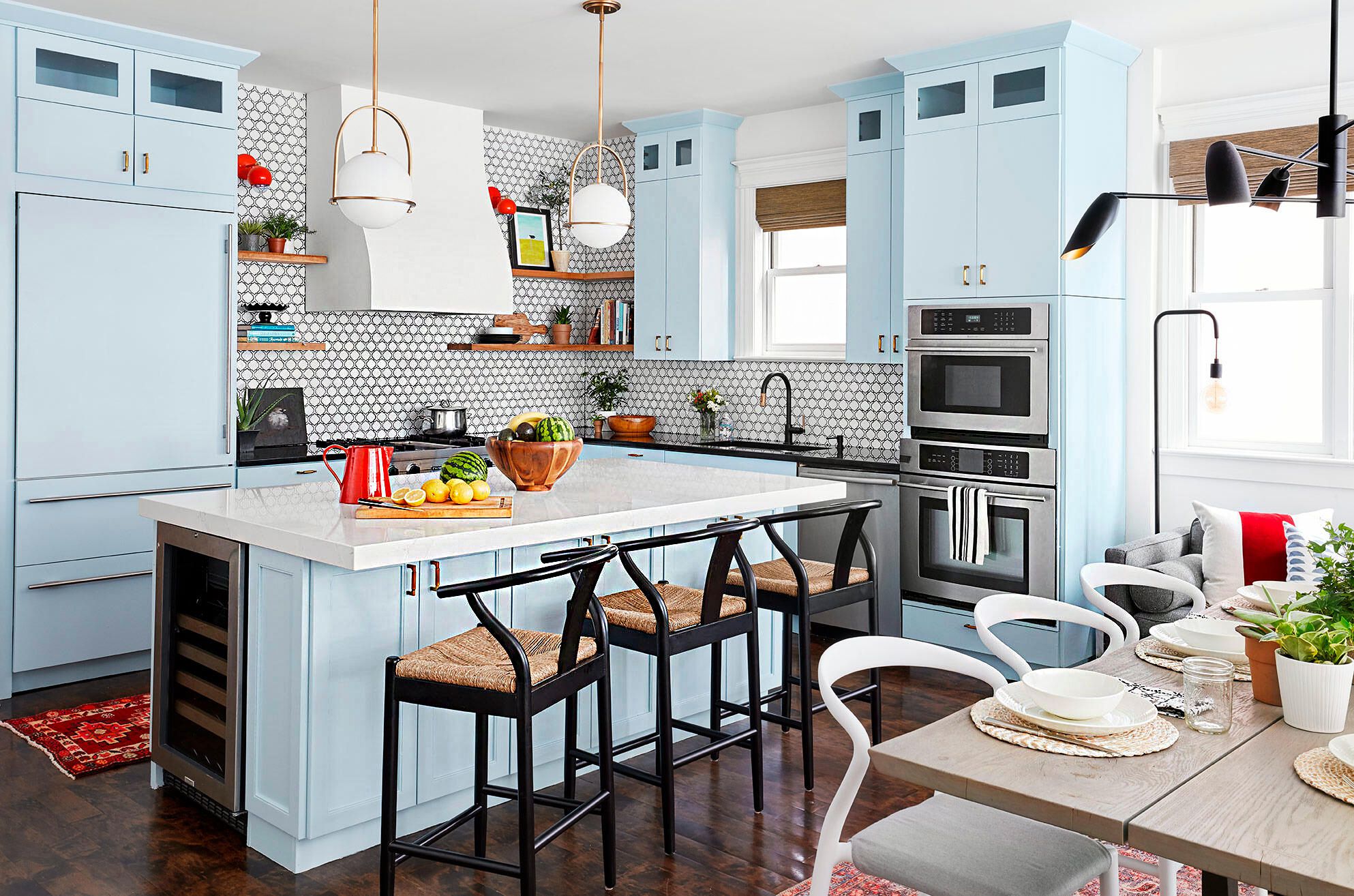
Open shelving can be gorgeous. It can make a kitchen feel light, casual, and styled. It can also become a public exhibition of mismatched mugs, cereal boxes, dusty bowls, and the one novelty cup nobody wants to throw away. In 2024, homeowners began admitting what many secretly knew: open shelves require a level of discipline usually reserved for museum curators.
The trend works best when it is limited and intentional. The problem starts when open shelves replace too much closed storage. Kitchens are hardworking spaces, not just backdrops for ceramic bowls in pleasing neutral tones. Most people need places to hide food containers, extra glasses, small appliances, and the chaotic collection of lids that apparently multiply at night.
What to try instead
Use open shelving as an accent, not a storage strategy. A pair of shelves near the range for pretty dishes, cookbooks, or everyday cups can look lovely. But balance them with closed cabinets, drawers, appliance garages, and pantry storage. Glass-front cabinets are another smart middle ground because they offer display value while keeping dust and grease under control.
The best kitchen design is honest about real life. Yes, display the handmade mugs. Also provide a cabinet where the blender can disappear like a magician after making one smoothie.
5. Open-Concept Everything
Open-concept layouts changed how people live at home. They created better sightlines, more social kitchens, and brighter shared spaces. But the extreme versionwhere the kitchen, dining room, living room, office, playroom, homework zone, and emotional-support snack station all happen in one giant echo chamberis losing its shine.
After years of remote work, busy family schedules, and the normal human need for quiet, homeowners are craving more defined spaces. Not necessarily tiny closed-off rooms, but zones that help different activities coexist. A home should not require noise-canceling headphones just because someone is unloading the dishwasher while another person is trying to answer an email.
What to try instead
The future is flexible separation. Think pocket doors, cased openings, half walls, glass partitions, built-in bookcases, rugs that define zones, and furniture layouts that create natural boundaries. Dining rooms, studies, pantries, and sitting rooms are becoming desirable again because they offer purpose and atmosphere.
If you love your open floor plan, keep it. Just give it structure. A large room can feel cozy when it has layered lighting, distinct seating areas, acoustic softness, and furniture that does more than cling nervously to the walls.
6. The “Vanilla” Bouclé-and-Beige Aesthetic
Bouclé chairs, cream sofas, arched mirrors, beige rugs, pale wood, and sculptural vases became the unofficial uniform of stylish interiors. At first, the look felt fresh, calm, and elevated. Then it appeared everywhere. Suddenly, every living room looked like it was waiting for a oat-milk latte sponsorship.
The issue is not bouclé itself. Texture is wonderful. The issue is when an entire room relies on the same soft, pale, rounded pieces without contrast, color, or personality. A home can be soothing without becoming visually sleepy.
What to try instead
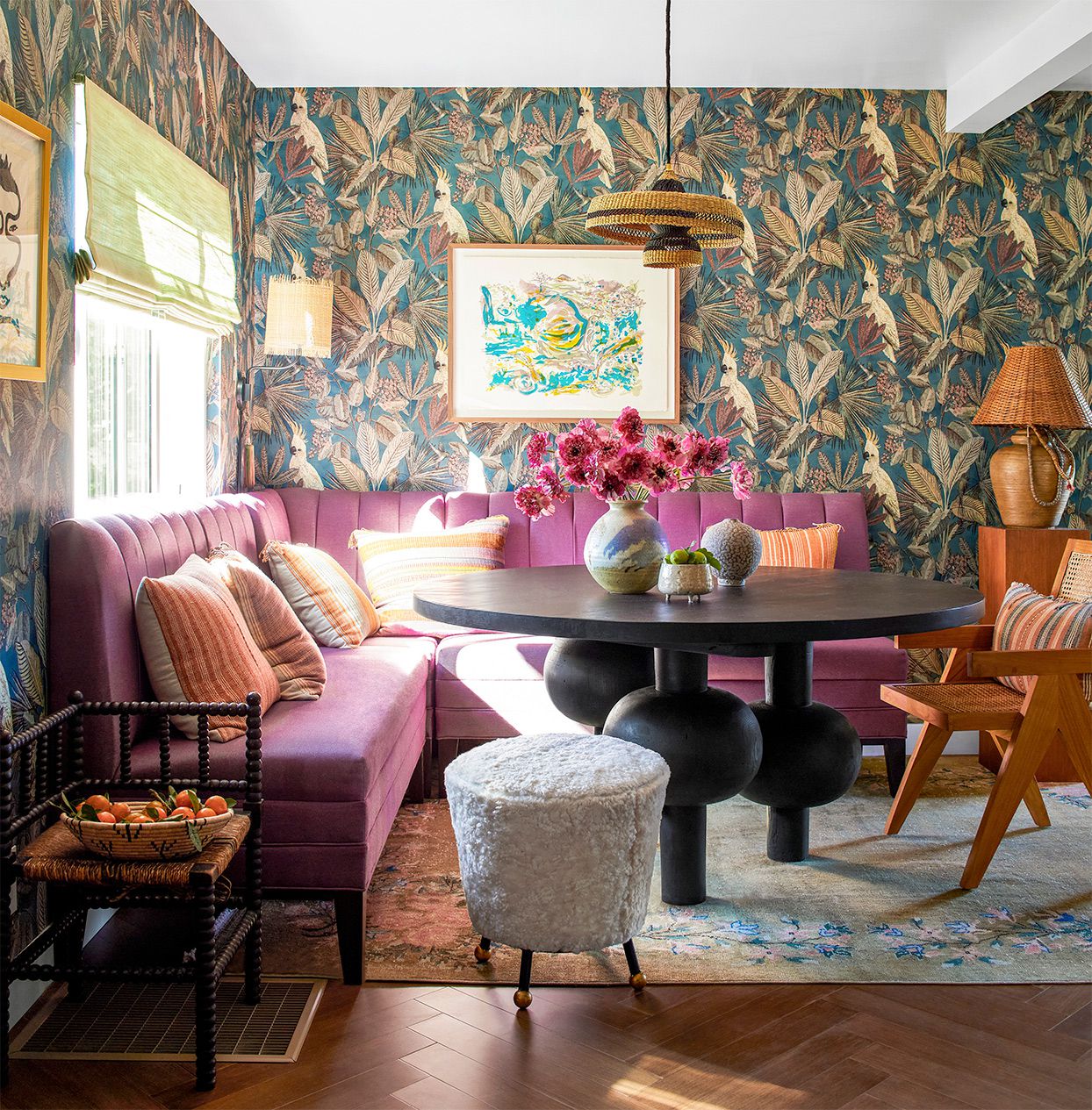
Keep the cozy textures but add character. Mix bouclé with leather, velvet, wood, metal, rattan, patterned pillows, vintage art, or a bold rug. Bring in one unexpected color: burgundy, moss green, deep blue, chocolate brown, ochre, or plum. Add personal objects that cannot be found in the same online cart as everyone else’s coffee table book.
The best interiors now feel collected, not cloned. A cream chair is fine. A room full of cream furniture, cream art, cream accessories, and cream dreams may need a little espresso.
7. Giant Statement Lighting as the Only Lighting
Big chandeliers and oversized pendants had a major moment in 2024. They can be dramatic, sculptural, and memorable. But relying on one huge overhead fixture to light an entire room is where the trend starts to wobble. The “big light” is not always your friend. Sometimes it makes everyone look like they are being questioned in a polite but intense police drama.
Good lighting is layered. It needs overhead light, task light, accent light, and mood light. A single statement fixture may look impressive during the day, but at night it can create glare, shadows, or a room that feels flat.
What to try instead
Choose lighting like you are building atmosphere, not just solving darkness. Pair overhead fixtures with table lamps, floor lamps, sconces, picture lights, under-cabinet lighting, and dimmers. In a living room, a sculptural pendant can still shine, but it should be supported by softer lighting around the room.
This is one of the easiest updates with the biggest payoff. Add two lamps and a dimmer, and suddenly the room looks designed instead of merely illuminated.
8. Fast Furniture and Trend-First Decorating
Fast furniture is the design trend we are not just leaving behindwe are gently escorting it out with a reusable tote. Cheap, disposable pieces can be tempting, especially when they mimic high-end looks at friendly prices. But many homeowners are realizing that furniture designed to survive only one move is not much of a bargain.
Trend-first decorating also leads to homes that age quickly. When every piece is chosen because it is currently viral, the room can feel dated by the time the algorithm finds a new obsession. Worse, low-quality furniture often lacks comfort, durability, and repairability.
What to try instead
Buy fewer, better pieces when possible. Look for solid wood, quality upholstery, vintage finds, secondhand treasures, local makers, and items that can be repaired or refinished. Mix price points wisely: splurge on the sofa you use daily, save on small accessories you may rotate seasonally.
Timeless design does not mean boring design. It means building a home around function, comfort, material quality, and personal taste. A room with a vintage dresser, a new sofa, a thrifted lamp, a family photo, and a great rug will always feel more interesting than a room ordered entirely from one trend page.
Why These Trends Are Fading
The common thread is simple: homeowners want spaces that feel human again. The cold, copied, overly minimal, overly themed, or overly staged looks are giving way to rooms with warmth and individuality. Instead of asking, “What is everyone doing?” people are asking, “What actually works for my life?”
That is a healthier approach to design. Trends can be useful because they introduce new ideas, colors, materials, and layouts. But trends should serve the home, not boss it around. The best rooms usually include a mix of old and new, practical and beautiful, polished and imperfect.
How to Update Your Home Without Starting Over
You do not need a full renovation to move beyond these 2024 design trends. Small changes can make a big difference. Start by identifying what feels too cold, too cluttered, too generic, or too difficult to maintain.
Warm up the palette
If your space leans gray or stark white, bring in warmer tones through rugs, curtains, pillows, lampshades, art, and wood furniture. Paint is also powerful. A warm neutral wall color can make existing furniture feel completely different.
Add personality with vintage and handmade pieces
One antique mirror, ceramic lamp, framed textile, or flea-market side table can instantly rescue a room from looking too predictable. These pieces add history and texture, even in a newer home.
Layer your lighting
Lighting changes how every color, texture, and piece of furniture appears. Use lamps and sconces to create pockets of warmth. Install dimmers where possible. Your overhead light should not be forced to do every job in the room.
Edit, then add
Before buying new decor, remove what no longer fits. Sometimes a room feels dated because it has too many trend pieces competing for attention. Clear the stage, then add back items with intention.
Experience Section: What Real Homes Teach Us About Leaving 2024 Trends Behind
One of the biggest lessons from living with design trends is that a beautiful room on a screen is not always a beautiful room at 7:15 on a Tuesday morning. A kitchen with endless open shelving may look stunning in a photo, but after a few months of cooking, dusting, and trying to keep every bowl facing the same direction, many homeowners discover that closed storage is not boring. It is mercy with hinges.
The same thing happens with all-white rooms. They look peaceful at first, almost spa-like. Then real life arrives carrying shoes, coffee, pets, groceries, mail, and the mysterious crumbs that appear even when nobody admits to eating crackers. A home should support daily routines instead of making people feel like they are trespassing in a luxury rental. The most successful white or neutral rooms usually include forgiving fabrics, washable slipcovers, warm woods, patterned rugs, and enough contrast to hide the tiny imperfections of life.
Another common experience is trend fatigue. Many people decorated in modern farmhouse, gray minimalism, or beige bouclé because those looks felt safe. They were everywhere, which made them easy to copy. But after a while, the home started to feel less personal. The fix is not to swing wildly in the opposite direction. You do not have to replace a farmhouse dining table with a neon acrylic sculpture just to prove you are evolving. Instead, add pieces that reflect your actual taste: a painting from a local artist, a vintage cabinet, a colorful lamp, framed travel photos, or textiles with pattern and depth.
Lighting is another lesson homeowners often learn the hard way. A dramatic chandelier can make a dining room feel expensive, but if it is the only light source, dinner can feel oddly harsh. Rooms become more comfortable when light comes from several directions and heights. A table lamp on a console, a pair of sconces, candles, and a dimmable pendant can turn the same room from “formal furniture display” into “please stay for dessert.”
Open-concept living also teaches a practical truth: togetherness is wonderful, but so is a door. Families who once loved one huge shared space often find themselves craving corners for reading, working, calling, cooking, or simply being quiet. You do not need to rebuild walls to solve this. Rugs, bookshelves, curtains, screens, and thoughtful furniture placement can create zones that make an open room feel calmer and more useful.
The best experience-based design advice is to decorate slowly. Live with a room before deciding what it needs. Notice where people naturally sit, where clutter gathers, where lighting fails, and which pieces you actually use. Homes become better when they respond to real habits. A room designed for your life will always outlast a room designed only for a trend cycle.
Conclusion
The home design trends we are leaving in 2024 all point to the same conclusion: style is becoming warmer, smarter, and more personal. All-gray rooms, overly white spaces, modern farmhouse clichés, excessive open shelving, extreme open-concept layouts, beige copycat interiors, lonely statement lighting, and disposable fast furniture are losing ground because people want homes that feel lived in, not staged for strangers.
The good news is that moving forward does not require rejecting everything you already own. It means editing what feels tired, adding warmth where things feel cold, choosing quality where it matters, and allowing your home to show signs of real personality. A beautiful home in 2025 and beyond is not perfect. It is layered, comfortable, functional, and unmistakably yours.
SEO Metadata