
Note: This guide is written for web publication and reflects Destiny 2’s current material economy, including Rahool exchanges, Portal rewards, high-difficulty activities, reward tracks, Trials rewards, and the 30-Shard inventory cap.
Ascendant Shards are the shiny golf balls of Destiny 2: rare, precious, and somehow always missing the exact moment you finally get a beautiful armor roll. Whether you are masterworking Exotic armor, finishing a high-stat build, or preparing for a new endgame loadout, you will eventually hit the same wall every Guardian hits: “Why do I have 6,000 pieces of random loot and zero Ascendant Shards?”
The good news is that Ascendant Shards are much easier to plan around than they used to be. The bad news is that they still reward smart farming, not random panic-running. If you want to get Ascendant Shards fast in Destiny 2, you need to prioritize the right activities, avoid wasting materials, and know when buying from Rahool is brilliant versus when it is basically setting your wallet on fire in the Tower.
This guide breaks down the fastest Ascendant Shard farms, the best weekly routine, solo-friendly options, fireteam strategies, and practical mistakes to avoid.
What Are Ascendant Shards Used For?
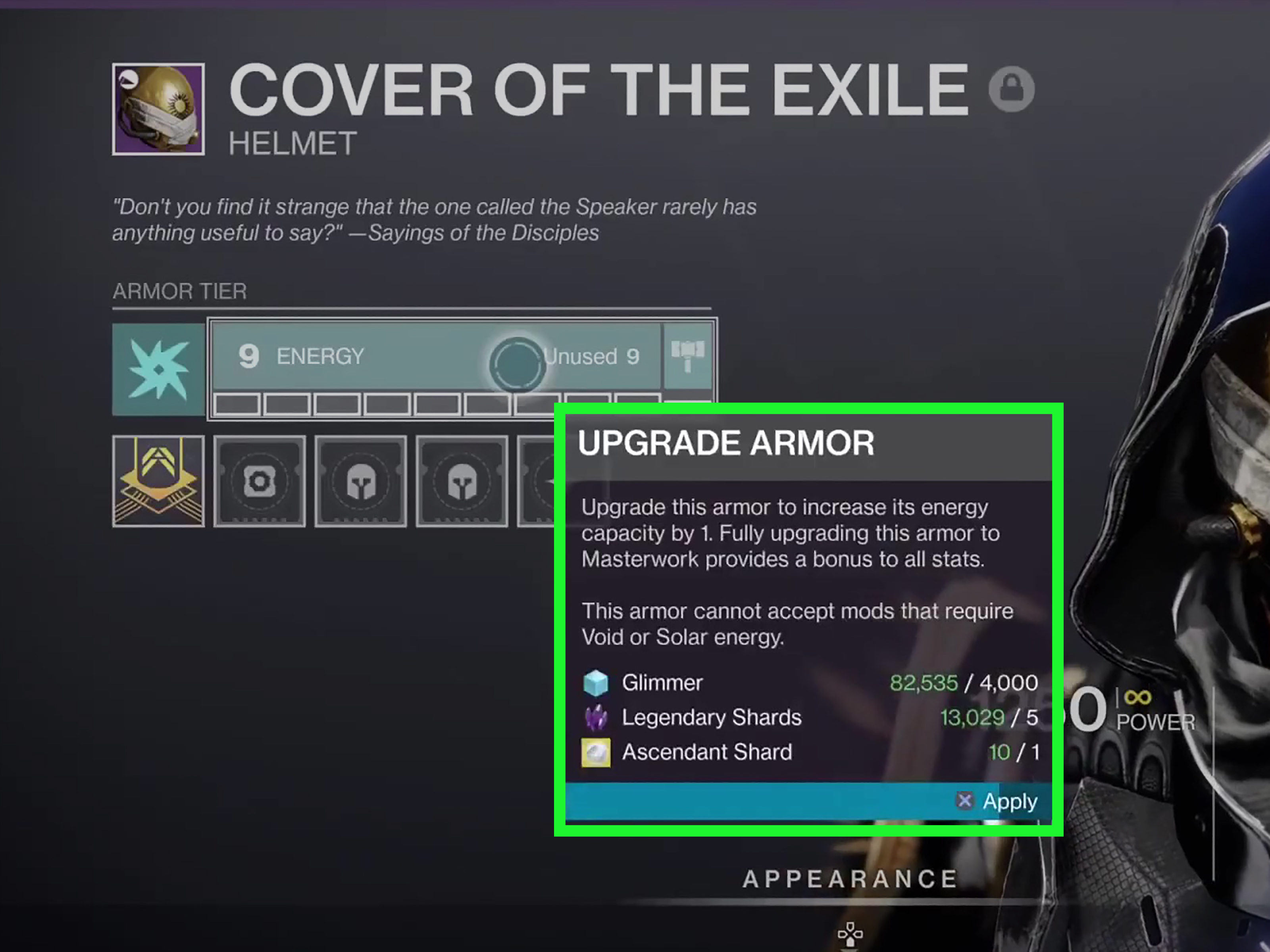
Ascendant Shards are one of Destiny 2’s rarest upgrade materials. Their main purpose is to help finish the highest levels of armor masterworking, especially when you are upgrading Exotic armor. Legendary armor can be expensive, but Exotic armor is where Ascendant Shards really start demanding rent money.
You will also need Ascendant Shards for certain high-end focusing systems, especially when dealing with Exotic armor rolls. That means they are not just “nice to have.” They directly affect how quickly you can complete serious PvE and PvP builds. If your build depends on better cooldowns, better survivability, or a perfect stat spread, Ascendant Shards become part of the cost of doing business.
The current material cap is also important: you can hold up to 30 Ascendant Shards and 100 Enhancement Prisms. Once you are capped, new drops may not be stored for later the way older Postmaster hoarding strategies once allowed. In plain English: spend wisely, but do not sit capped forever unless you enjoy watching rewards vanish into the void like a Thrall with a dramatic exit.
Fastest Ways to Get Ascendant Shards in Destiny 2
The fastest method depends on your power level, skill level, and whether you have a reliable fireteam. For most players, the best farming order looks like this:
- High-difficulty Portal activities and Grandmaster-style Vanguard Alerts
- Weekly Reward Track and Seasonal Hub challenges
- Master or Grandmaster-level Nightfall-style content
- Master dungeons, raids, and endgame challenges
- Trials of Osiris rank resets and Lighthouse rewards
- Rahool’s Material Exchange
- Limited sources such as Forsaken Ciphers or event rewards
Let’s unpack each method without pretending that every player casually clears Grandmaster content while eating cereal.
Farm High-Difficulty Portal Activities
The Portal is now one of the most important places to farm meaningful rewards in Destiny 2. Instead of thinking only in terms of old playlists, players should think in terms of activity difficulty, score, reward rank, and weekly reward paths. High-difficulty Portal activities can award valuable upgrade materials, including Ascendant Shards, especially when you push into harder modifiers and better reward packages.
The key is not simply launching the hardest thing available and praying to the Traveler. Before starting an activity, check the reward forecast. Increase difficulty and modifiers until the reward package actually shows the kind of payout you want. If your score forecast is too low, you may be signing up for pain without profit, which is the official hobby of too many Destiny players.
Best Portal Farming Strategy
Choose activities your team can clear consistently. A slightly easier activity completed cleanly is better than a brutally hard activity that turns into a 45-minute wipe festival. Aim for strong reward grades, bring Champion counters when required, and build around survival first. Damage matters, but dead Guardians do exactly zero DPS, unless you count emotional damage to the fireteam.
For fast Ascendant Shard farming, repeatable high-end Vanguard-style activities are usually the most efficient. These often combine strong material rewards with clear combat structure. Once your team learns spawn patterns, boss phases, and champion timing, run speed improves dramatically.
Complete the Weekly Reward Track
One of the most reliable ways to earn Ascendant Shards is through weekly reward systems tied to the Seasonal Hub and Portal. Current reward tracks can include an Ascendant Shard at a specific rank, making this one of the best “guaranteed progress” methods for players who do not want to rely entirely on random drops.
This method is especially useful because you can work toward it while doing other things. Completing Portal activities, weekly challenges, and seasonal objectives all contribute to your progress. It may not feel as flashy as a Grandmaster clear, but guaranteed rewards are beautiful. Random number generators have hurt enough families.
How to Speed Up Weekly Reward Progress
Stack objectives whenever possible. If a weekly challenge asks you to complete Portal activities and another objective asks for specific enemy kills, combine them. If an event is active, check whether event challenges overlap with regular activity completions. The fastest Destiny 2 farming is rarely about doing one thing harder; it is about making one activity count for three reward paths at once.
Run Grandmaster-Style Vanguard Alerts and Endgame PvE
For years, Grandmaster Nightfalls were the king of Ascendant Shard farming. The structure has changed across Destiny 2’s newer reward systems, but the principle remains: high-difficulty Vanguard-style content is still one of the best ways to farm Ascendant Shards fast.
If an activity is tuned like a Grandmaster, rewards like a Grandmaster, and makes your fireteam suddenly communicate like a NASA launch crew, treat it as a prime material farm. These activities usually reward players who finish with strong performance grades and proper completion conditions.
Tips for Faster Clears
First, build for safety. Use resist mods, reliable healing, crowd control, and long-range damage where needed. Second, match the activity’s shield and champion requirements. Third, assign roles before launching. One player should not be responsible for every Champion stun, every revive, every boss damage phase, and team morale. That Guardian is not a fireteam member; they are unpaid management.
Fast clears come from repetition. The first run teaches you where danger lives. The second run teaches you where ammo becomes a problem. The third run is where farming begins. Once your team can finish without chaos, you can start trimming time by coordinating supers, saving heavy ammo for champions, and skipping unnecessary risks.
Buy Ascendant Shards from Master Rahool
Master Rahool in the Tower sells Ascendant Shards through Material Exchange. The usual cost is steep: 10 Enhancement Prisms and 50,000 Glimmer for one Ascendant Shard. This is the fastest method in the literal sense because it takes about ten seconds, assuming you do not get distracted by your vault again.
However, buying Shards from Rahool should be treated as a conversion method, not your main farming plan. If you are overflowing with Enhancement Prisms and sitting near the cap, Rahool is excellent. If you are broke on Prisms and Glimmer, buying Shards can slow down your overall upgrade progress.
When Rahool Is Worth It
- You are capped or nearly capped on Enhancement Prisms.
- You urgently need one more Shard to masterwork an Exotic.
- You have plenty of Glimmer and no immediate focusing plans.
- You are preparing for a new raid, dungeon, or Trials weekend.
Do not convert every Prism into Shards automatically. Enhancement Prisms are still useful for armor upgrades, and turning all of them into Shards can leave you stuck later. Destiny 2’s economy loves irony.
Play Trials of Osiris for PvP-Based Shards
If you enjoy PvP, Trials of Osiris can be a strong Ascendant Shard source. Trials reputation can be reset after reaching max rank, and reset rewards may include an Ascendant Shard or similar high-value reward options. Going Flawless and visiting the Lighthouse can also provide premium rewards, making Trials one of the better routes for skilled PvP players.
That said, Trials is not the easiest farm for everyone. If your idea of a relaxing weekend is not being vaporized by a sniper from a zip code away, you may prefer PvE farming. But if you already play Trials regularly, do not ignore its reward track. Farming reputation on bonus Trials weekends can be very efficient.
Trials Farming Advice
Use a build you can play consistently, not a build you saw in a montage with 14 jump cuts and suspiciously perfect aim. Stick with your team, play revives, and focus on winning rounds rather than chasing highlight clips. A steady card and consistent reputation gains are more valuable than one heroic 1v3 followed by six matches of emotional recovery.
Farm Master Dungeons, Raids, and Rotators
Master dungeons and raids can reward high-end materials, including Ascendant Shards depending on the activity, challenge, and reward structure. These are not always the fastest pure Shard farms because loot tables often prioritize weapons, armor, Artifice gear, or raid-specific rewards. Still, they are excellent if you want materials while also chasing endgame drops.
The smart move is to farm a Master dungeon or raid encounter when the weekly rotation is favorable and your team can clear it quickly. If the encounter is short, predictable, and has useful loot, it becomes a strong double-purpose farm. You are not just collecting Shards; you are also improving your armor and weapon options.
Use Forsaken Ciphers If You Still Have Them
Players who own the Forsaken Pack may have access to Forsaken Ciphers through the Monument to Lost Lights. If you already own the Forsaken Exotic weapons, those Ciphers can be exchanged for Ascendant Shards. This is not a repeatable farm, but it is an easy source many returning players forget to check.
If you are coming back after a long break, visit the Monument to Lost Lights in the Tower and inspect your options. Sometimes the fastest Ascendant Shard is not farmed; it is sitting in a menu you forgot existed.
Do Not Rely on Dismantling Masterworked Gear
Dismantling masterworked armor can return valuable materials, but it is not a real farm. It is more like breaking open your emergency piggy bank because the vending machine ate your dollar. You usually receive only part of what you invested, so dismantling should be reserved for old gear you truly do not use anymore.
Before dismantling, ask one question: “Could this armor piece still support a build?” If the answer is yes, keep it. If it has bad stats, a dead role, and has been sitting untouched since an expansion launch, then it may be time to send it into the recycling dimension.
Best Weekly Ascendant Shard Farming Routine
Here is a simple weekly routine for players who want Ascendant Shards fast without turning Destiny 2 into a second job:
- Check the Seasonal Hub and Weekly Reward Track first.
- Complete weekly Portal challenges that offer upgrade materials.
- Run high-difficulty Vanguard Alerts or Grandmaster-style activities with a fireteam.
- Use Trials weekends for PvP reputation if you enjoy PvP.
- Farm Master dungeon or raid encounters only when the rotation is favorable.
- Convert Prisms at Rahool only when you have a surplus.
This routine works because it mixes guaranteed rewards with repeatable farming. You are not depending entirely on luck, and you are not spending your entire material stockpile just to fix one armor piece.
Best Solo-Friendly Ways to Get Ascendant Shards
Solo players should focus on weekly reward tracks, Portal activities with manageable difficulty, seasonal challenges, and material conversion. You may not farm Shards as quickly as a coordinated Grandmaster fireteam, but you can still make steady progress.
The trick is to avoid wasting time on activities that are technically possible but painfully inefficient. If a solo activity takes too long and rarely gives useful materials, skip it. Farming is about repeatable profit, not proving a philosophical point to a Cabal boss.
Solo Player Priority List
- Weekly Reward Track progression
- Portal activities with realistic reward grades
- Seasonal challenges and event reward tracks
- Rahool exchange when capped on Prisms
- Fireteam Finder for harder activities when needed
Fireteam Finder is worth using if you want to enter higher-difficulty content without a permanent clan. Look for groups that mention “farm,” “chill,” “experienced,” or “learning” depending on your comfort level. Do not join a speedrun farm if you are still learning champion spawns. That is how awkward orbit trips happen.
Common Mistakes That Slow Down Ascendant Shard Farming
The biggest mistake is farming without checking rewards first. Destiny 2 has many activities, but not all of them are good Ascendant Shard sources. Always inspect weekly rewards, Portal forecasts, and vendor tracks before committing your evening.
The second mistake is overusing Rahool. Buying one Shard to finish an important Exotic is smart. Buying five Shards because you are impatient can drain your Prisms and Glimmer instantly.
The third mistake is masterworking too much gear. Not every decent armor piece deserves a golf ball. Save Ascendant Shards for armor that supports real builds: strong stat totals, useful spikes, good Exotic synergy, and loadouts you actually use.
What Should You Spend Ascendant Shards On First?
Spend Ascendant Shards on gear that changes your gameplay. For most players, that means your best Exotic armor pieces first. A masterworked Exotic that anchors your build is usually more valuable than a random Legendary armor piece you might replace next week.
After that, masterwork high-stat Legendary armor that helps you reach important stat tiers. Prioritize resilience, recovery, discipline, or class-specific stats depending on your build. The goal is not to masterwork everything; the goal is to masterwork the pieces that make your Guardian noticeably stronger.
Personal Farming Experience: What Actually Feels Fast
In practice, the fastest Ascendant Shard farming does not feel like one magical trick. It feels like building a weekly rhythm. The best sessions usually start with checking the reward track, then choosing the highest-difficulty activity the team can clear without drama. That last part matters. A smooth 14-minute clear beats a messy 30-minute clear every single time, even if the harder version looks more impressive on paper.
The most efficient fireteams I have played with do three things well. First, they prepare before launching. Nobody is swapping anti-Champion tools after the first wipe. Nobody suddenly discovers the boss has a shield type we cannot break. Second, they communicate simply. You do not need a military briefing; “champ left,” “save heavy,” and “I have next revive” are enough to prevent disaster. Third, they know when to slow down. Speed farming is not about sprinting into a room and becoming a cautionary tale.
One of the best habits is tracking how long a farm actually takes. If a Portal activity gives strong rewards but takes your group 35 minutes, it may not be your best farm yet. After a few attempts, you might learn the spawns and cut that time in half. That is when the activity becomes valuable. Destiny farming rewards mastery more than brute force.
For solo players, the experience is different but still manageable. Weekly reward tracks are your best friend because they turn normal play into guaranteed progress. Even if you cannot farm Grandmaster-level content every week, you can still collect materials through consistent Portal completions, seasonal objectives, and smart Rahool conversions. The worst thing a solo player can do is compare every reward path to a stacked fireteam farming endgame content. Different lane, different speed limit.
Another lesson: do not spend Ascendant Shards the moment you get them. It is tempting to masterwork the newest Exotic drop because it has a nice stat total and looks like it might become meta. Wait. Test the build first. Run a few activities. See whether the armor actually changes your gameplay. I have wasted Shards on pieces that looked amazing in the inspection screen and then sat in my vault like expensive museum exhibits.
The best feeling is having a small reserve. Sitting on 3 to 6 Ascendant Shards gives you freedom. A new Exotic drops? You can upgrade it. A raid group needs a different build? You can adapt. A balance patch suddenly makes an old armor piece powerful? You are ready. Having zero Shards makes every build decision feel like a financial crisis with space magic.
Finally, remember that Ascendant Shard farming should support your fun, not replace it. If you hate Trials, do not force Trials just because it can reward Shards. If your team enjoys high-level PvE, farm Vanguard Alerts and endgame activities. If you play casually, lean on weekly tracks and Rahool conversions. The fastest farm is the one you will actually repeat without burning out.
Conclusion
Getting Ascendant Shards fast in Destiny 2 is all about combining reliable weekly sources with efficient high-difficulty farming. The best methods are high-tier Portal activities, Grandmaster-style Vanguard content, weekly reward tracks, Trials rewards for PvP players, Master dungeons or raids when the rotation is good, and Rahool’s Material Exchange when you have spare Prisms and Glimmer.
Do not waste Shards on temporary gear. Do not ignore the reward forecast. Do not turn all your Prisms into Shards unless you are sure. Build a routine, farm activities you can clear consistently, and save your golf balls for gear that truly improves your Guardian.
Ascendant Shards may be rare, but with the right plan, they stop feeling impossible. And once your favorite Exotic is finally masterworked, your build will feel sharper, stronger, and slightly less like it was assembled during a Tower garage sale.