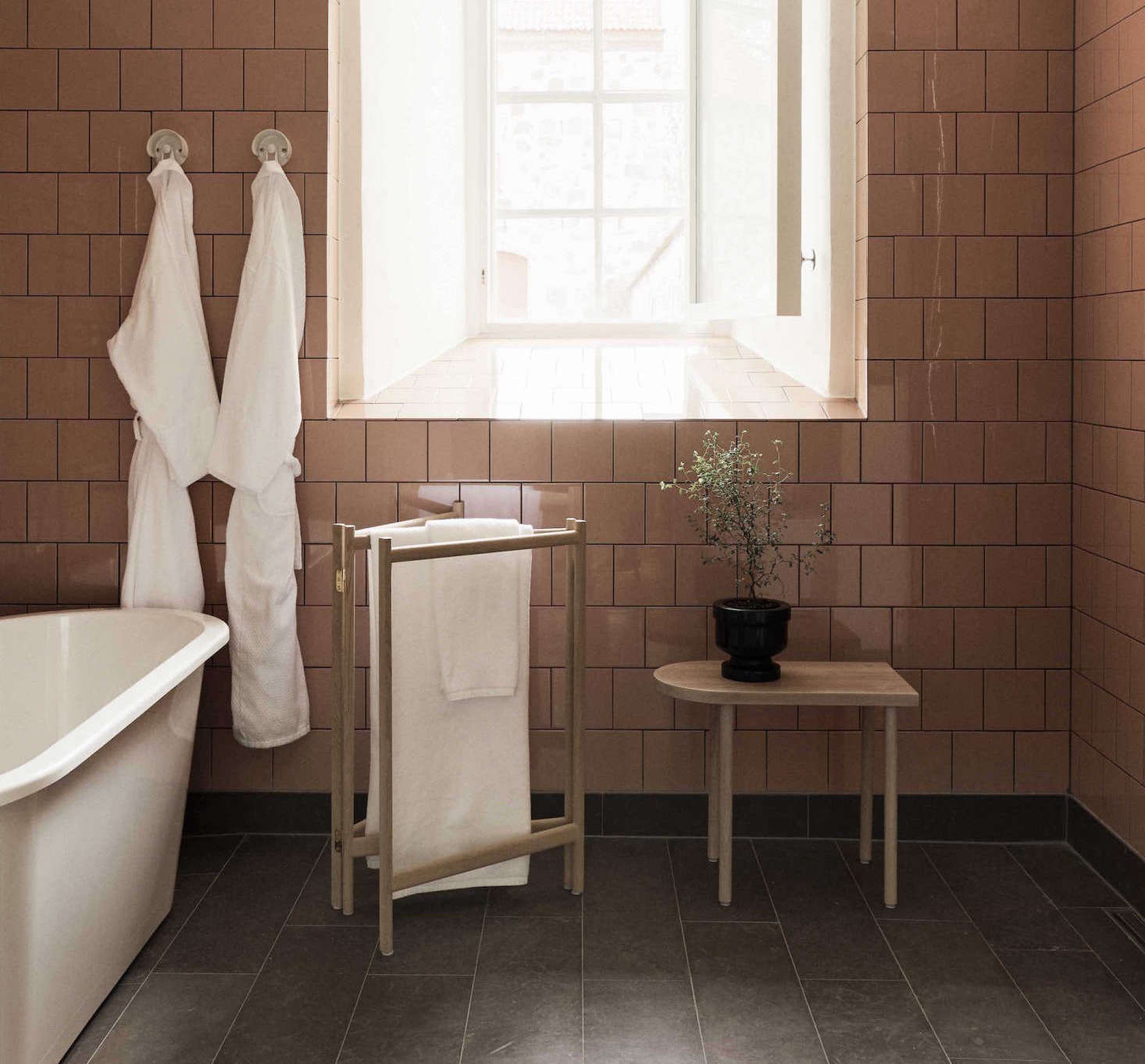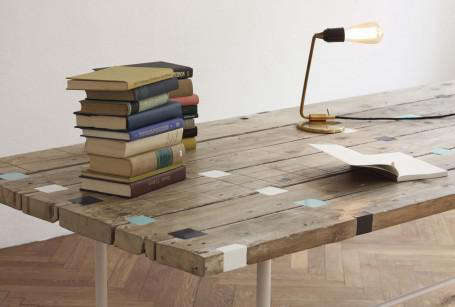

Note: This original article synthesizes publicly available information about Soren Rose Studio, Danish design culture, furniture collections, lighting concepts, and related design commentary. It is written for web publication in standard American English.
A Danish Studio with One Foot in Copenhagen and One in New York
Some designers whisper. Soren Rose prefers to let a piece of oak, brass, marble, or perfectly awkward vintage lamp part do the talking. The result is furniture and lighting that feels Danish without acting like it has arrived wearing white gloves and asking everyone to lower their voice. His work has the calm of Scandinavian design, but it also carries a little New York gritlike a linen shirt paired with work boots.
Soren Rose Studio is a multidisciplinary design practice known for furniture, lighting, interiors, and bespoke projects. With roots in Copenhagen and a long connection to New York, the studio has built a design language around simplicity, material honesty, and objects that are meant to live in real roomsnot just stand dramatically in a showroom under flattering lighting. Though, to be fair, his lighting does understand the assignment.
The title “Designer Visit: Furniture and Lighting from Soren Rose in Denmark” suggests more than a tour of objects. It is a look into a design mindset: how a Danish designer can take reclaimed planks, vintage brass, solid wood, steel frames, and urban references, then turn them into pieces that feel refined, useful, and quietly memorable.
Who Is Soren Rose?
Soren Rose is a Danish designer and entrepreneur whose studio focuses on residential living, product design, furniture, lighting, interiors, and custom commissions. His career has often been described as crossing creative fields, from media and branding to interiors and industrial design. That varied background helps explain why his work rarely feels like furniture designed in isolation. A Rose table or lamp often seems to arrive with a room already imagined around it.
The studio’s identity is built around the meeting point between Scandinavian restraint and cosmopolitan energy. In plain English: the lines are clean, the materials matter, and nothing looks like it was added because someone panicked five minutes before a deadline. The pieces are usually functional first, but never boring. They are the sort of designs that make you say, “Ah, yes, this is simple,” and then, ten seconds later, “Wait, why does this simple thing look so good?”
That is the trick. Danish design has long celebrated usefulness, craft, proportion, and a lack of unnecessary decoration. Soren Rose Studio takes those ideas and adds a more urban layer: exposed structure, industrial references, darker finishes, brass details, and the occasional wink to New York loft living.
The Design Philosophy: Minimalism with a Pulse
Minimalism can sometimes feel like a polite way of saying “we removed everything, including joy.” Soren Rose’s work avoids that trap. His furniture and lighting are minimal, yes, but not empty. They rely on texture, shadow, proportion, and contrast. A sideboard may have a restrained shape, but its curved fronts create movement in changing light. A coffee table may use a simple round top and tripod base, but the materials give it warmth and presence.
The studio often balances three design values: longevity, craftsmanship, and clarity. Longevity means the object should not look tired after one trend cycle. Craftsmanship means the detail matters, even when it is subtle. Clarity means the design should be easy to understand: a table is a table, a lamp is a lamp, a storage piece stores things. No furniture should require a user manual unless it also makes espresso.
Material Honesty
One of the strongest themes in Soren Rose furniture is the visible respect for materials. Wood is allowed to look like wood. Brass is allowed to glow without shouting. Stone, cork, aluminum, steel, marble, and upholstery appear in combinations that feel considered rather than decorative for decoration’s sake.
Function Before Drama
Rose’s work often feels elegant because it does not beg for attention. The drama is in the precision: the curve of a drawer front, the stance of a table base, the placement of a bulb, the decision to leave an industrial reference visible. This makes the pieces adaptable for modern homes, apartments, offices, restaurants, and hospitality interiors.
Furniture from Soren Rose: Calm Forms, Strong Character
Soren Rose Studio has created a range of furniture pieces that reflect the designer’s interest in Scandinavian modernism, residential living, and durable materials. Several collections and collaborations show how the studio moves between custom interiors and product design.
The Reflect Sideboard for Muuto
The Reflect Sideboard is one of the studio’s best-known furniture designs. It is a modern interpretation of classic Scandinavian storage, with curved surfaces that interact beautifully with light. The design is especially interesting because it does not rely on loud shapes or decorative hardware. Instead, the front corners and curved drawer surfaces create a subtle play of reflection and shadow.
This is the kind of furniture that rewards attention. From across the room, it looks clean and composed. Up close, the craftsmanship becomes the conversation. The wood grain, curved fronts, and sturdy frame make it practical for living rooms, dining rooms, and office spaces. It is storage furniture for people who want to hide clutter without pretending they do not own phone chargers, paperwork, and mystery cables from 2014.
The Plateau Coffee and Side Table for dk3
The Plateau table collection, designed by Soren Rose Studio for dk3, is another strong example of the studio’s approach. The table combines a solid wooden top with an elegant tripod-style base. It feels timeless because it is not trying too hard to be “iconic.” Instead, it focuses on proportion, material, and balance.
Available in multiple sizes, Plateau works as a coffee table, side table, or understated center point in a room. The beauty is in the meeting of solidity and lightness: the wooden top gives warmth and weight, while the base keeps the design visually lifted. It is a table that can sit comfortably in a Copenhagen apartment, a New York loft, or a modern American home where someone has finally decided the wobbly bargain table must retire with dignity.
Park Avenue and New York-Inspired Furniture
Soren Rose’s Park Avenue collection for De La Espada brought Scandinavian feeling into conversation with New York sophistication. The collection included dining chairs, upholstered seating, tables, and lighting-related pieces, with materials such as cork, marble, aluminum, brass, fabric, and natural wood. The collection grew from real interiors and real clients, which gives the pieces a lived-in logic.
This matters because great furniture is not just sculptural. It has to support habits: eating, gathering, reading, working, hosting, and occasionally pretending the dining table is not also a full-time mail sorting facility. Rose’s best furniture designs understand that beauty and daily life need to negotiate peacefully.
Lighting from Soren Rose: Industrial Roots, Sculptural Results
If the furniture side of Soren Rose Studio shows the calm of Danish design, the lighting often reveals its adventurous cousin. The studio’s lighting work is closely associated with the Tribeca collection, a series inspired by New York’s industrial heritage and early twentieth-century lamp forms.
The Tribeca Collection
The Tribeca lighting collection began with vintage inspiration, especially old American lamps and reusable parts. The concept involved dismantling, rearranging, and reimagining lamp components into new designs. The finished pieces include chandeliers, pendants, wall lamps, table lamps, and ceiling fixtures with names that nod to New York places and streets.
The appeal of the Tribeca lights comes from their ability to look both nostalgic and contemporary. Brass details, exposed bulbs, slim arms, and geometric compositions give the collection an industrial feel, but the proportions keep the lamps elegant. These are not dusty warehouse lights dragged into a living room and asked to behave. They are refined descendants of industrial lighting, cleaned up just enough to meet your sofa’s parents.
Why the Lighting Works
Good lighting does more than prevent you from stepping on the dog’s toy at midnight. It shapes atmosphere, defines zones, and adds rhythm to a room. Soren Rose lighting often succeeds because it understands both architecture and mood. A wall lamp can function as a graphic line. A chandelier can create a focal point without blocking the room. A pendant can feel vintage without turning the kitchen into a theme restaurant.
The Tribeca pieces are especially useful in interiors that need contrast. In a minimal white room, they add warmth and edge. In a raw loft, they feel right at home. In a traditional setting, they can provide a smart contemporary update without screaming, “I was bought during a design identity crisis.”
Danish Design Meets New York Rawness
One of the most interesting aspects of Soren Rose Studio is the dialogue between Denmark and New York. Danish design is often associated with natural light, wood, craft, and functional elegance. New York loft living brings exposed brick, steel beams, factory windows, and an appetite for imperfection. Rose’s work often sits precisely between those worlds.
In interiors, this blend can mean Nordic palettes paired with raw beams, custom millwork placed against old brick, or modern furniture set inside historic industrial shells. The result is neither cold minimalism nor nostalgic industrial cosplay. It is a comfortable middle ground where refinement does not erase character.
This combination also explains why Rose’s furniture and lighting travel well. His pieces can work in Scandinavian homes, American apartments, boutique hotels, modern cabins, restaurants, and outdoor living spaces. They are not trapped in one design category. They are flexible because their foundations are strong: proportion, material, function, and restraint.
Notable Collaborations and Collections
Soren Rose Studio has collaborated with several respected design brands, including Muuto, Audo Copenhagen, dk3, De La Espada, Cane-line, Gejst, and Restoration Hardware. These collaborations show the studio’s range across indoor furniture, outdoor seating, lighting, storage, and accessories.
Audo Copenhagen
With Audo Copenhagen, Soren Rose Studio is strongly connected to the Tribeca lighting family. These pieces capture the studio’s interest in vintage industrial references, modular thinking, and sculptural simplicity.
Muuto
For Muuto, the Reflect Sideboard demonstrates how the studio interprets Scandinavian storage with a contemporary eye. It is practical, refined, and subtly expressive.
dk3
The Plateau table for dk3 highlights the studio’s attention to solid wood, simplicity, and timeless proportions. It is a good example of design that feels quiet but confident.
Restoration Hardware
The Maldives outdoor collection for Restoration Hardware brought Rose’s modern, relaxed aesthetic into teak outdoor furniture. Low-slung forms, clean lines, and resort-like comfort gave the collection an American market presence while maintaining a Scandinavian sense of restraint.
How to Bring the Soren Rose Look Home
You do not need a Copenhagen townhouse or a Tribeca loft to borrow ideas from Soren Rose Studio. You also do not need to casually say “bespoke millwork” at dinner, though it does make you sound like you own excellent linen napkins. The real lesson is about balance.
Start with Honest Materials
Choose wood, metal, stone, leather, wool, brass, or cork in ways that highlight their natural qualities. Avoid finishes that pretend to be something else. A simple oak table will often age better than a trendy surface pretending to be marble while living in fear of hot coffee.
Use Lighting as Architecture
Think of lighting as part of the room’s structure. A sculptural wall lamp can frame a reading corner. A pendant can define a dining area. A chandelier can add rhythm to an open plan. The goal is not to over-light the space like a supermarket aisle. The goal is layered, useful atmosphere.
Mix Calm and Character
Pair clean Scandinavian furniture with one raw or textural element: exposed brick, blackened steel, vintage lighting, rough pottery, linen curtains, or a reclaimed wood table. The contrast keeps the space from feeling too perfect. A room should have manners, but it should not look like it is afraid of humans.
Invest in Fewer, Better Pieces
Soren Rose’s work supports the idea that fewer well-made objects can create more impact than a crowded room full of almost-right things. A good table, a thoughtful sideboard, a strong lamp, and comfortable seating can do more than a dozen decorative distractions.
Why Soren Rose Still Matters in Modern Interior Design
Modern homes are changing. People want spaces that can work harder: dining rooms that become offices, kitchens that become social hubs, living rooms that handle everything from movie night to homework to quiet reading. Soren Rose Studio’s approach fits this reality because it treats furniture and lighting as tools for living, not just objects for display.
The studio’s work also speaks to the growing preference for longevity over fast trends. In a market crowded with disposable decor and instantly recognizable social media furniture, Rose’s designs feel more patient. They do not depend on novelty. They depend on proportion, tactility, and usefulness.
That is why the furniture and lighting remain relevant. The pieces are modern, but not trapped in a specific year. They feel designed rather than styled. There is a difference. Styling can make a room look finished for a photograph. Design makes a room work when the camera leaves.
Extended Experience: Visiting the World of Soren Rose Furniture and Lighting
Experiencing Soren Rose’s design world is less like walking into a glossy showroom and more like entering a room where every object has passed a very calm but extremely demanding audition. Nothing feels random. A table earns its place by being useful and beautifully made. A lamp earns attention through proportion and glow, not gimmicks. A sideboard quietly says, “I can store your chaos, but I will not participate in it.”
Imagine stepping into a Copenhagen studio or a carefully renovated loft shaped by this design language. The first thing you notice is not a single dramatic object, but the atmosphere. Light moves across wood. Metal details catch just enough brightness. Furniture sits low, grounded, and confident. There is space around each object, which makes the room feel breathable. The design does not rush you. It gives your eyes permission to slow down.
The lighting is often the emotional switch. A Tribeca-style fixture, with its industrial references and sculptural lines, can change the personality of a room instantly. In daylight, it reads like a graphic object. At night, it becomes warmer and more intimate. This is where Rose’s approach feels especially useful for real homes: the same piece can perform differently depending on time, mood, and setting.
The furniture experience is more tactile. A solid wood table invites contact. You notice the edge, the grain, the weight. The design may be simple, but it is not thin. It feels built for repeated use: coffee cups, books, family dinners, work calls, birthday cakes, and the occasional dramatic leaning moment when someone says, “We need to talk about the renovation budget.”
What stands out most is the lack of fuss. Soren Rose’s design world does not rely on overdecorating. It trusts the architecture of a piece. It trusts shadow. It trusts the quiet confidence of good materials. That restraint can be surprisingly emotional because it makes a home feel edited but not sterile. There is room for art, plants, books, textiles, and personal objects, but the foundation remains calm.
For homeowners, designers, and design lovers, the biggest takeaway is practical: choose pieces that solve problems beautifully. A storage unit should improve the room even when hiding everyday mess. A lamp should shape atmosphere as well as provide illumination. A table should feel good in use, not just in a product photo. The Soren Rose approach reminds us that good design is not about impressing guests for seven minutes. It is about making daily life feel more intentional, more comfortable, and, ideally, a little better looking before the coffee kicks in.
In that sense, visiting Soren Rose through his furniture and lighting is really a visit to a design philosophy. It is a lesson in editing, material respect, and useful beauty. It shows that Scandinavian design can be warm, urban, flexible, and even slightly rugged. Most importantly, it proves that a room does not need to shout to be unforgettable. Sometimes it just needs the right table, the right lamp, and enough confidence to leave a little breathing space.
Conclusion
Soren Rose Studio represents a thoughtful bridge between Danish furniture tradition and modern international living. From the Reflect Sideboard to the Plateau table and the Tribeca lighting collection, the studio’s work shows how simple forms can become memorable through material, detail, and purpose. These are designs made for real rooms, real habits, and real people who appreciate beauty but still need somewhere to put the remote.
The lasting appeal of Soren Rose furniture and lighting comes from balance. The work is minimal but not cold, refined but not precious, industrial but not heavy-handed. It carries the calm discipline of Denmark and the raw confidence of New York, making it especially relevant for today’s interiors. For anyone interested in Scandinavian design, modern lighting, timeless furniture, or interiors that feel both elegant and livable, Soren Rose is a designer worth visitingagain and again.