10 Things You Should Never Store in Your Basement Over Winter, Organizers Say

Basements are the overachievers of home storage. They hold holiday bins, backup paper towels, the slow cooker you swear you’ll use again, and that mysterious lamp no one remembers buying. But once winter rolls in, the basement can turn from “handy extra space” into a quiet little danger zone for your stuff.
Why? Because even a decent basement can struggle with the exact conditions your belongings hate most: damp air, chilly temperatures, sudden temperature swings, condensation, pests, and the occasional surprise leak that appears at the worst possible moment. In other words, your basement may feel out of the way, but over winter it can behave like a storage gremlin with a grudge.
Professional organizers often say the same thing in slightly different ways: just because an item fits in the basement doesn’t mean it belongs there. And if your basement is unfinished, uninsulated, or only semi-climate-controlled, that warning matters even more.
Below are 10 things you should never store in your basement over winter, plus what to keep there instead and how to protect the items you truly have no choice but to stash downstairs.
Why winter basement storage can backfire
Winter brings a weird mix of problems for basements. Snowmelt and rain can increase moisture around the foundation. Humid air can condense on cool surfaces. A small draft or plumbing issue can make one corner colder and damper than the rest. And because basements are often out of sight, damage tends to develop slowly and silently until one day you open a box and get hit with the unmistakable aroma of “attic ghost meets wet sock.”
Organizers generally recommend treating the basement as a place for durable, moisture-tolerant, low-sentimental-value items. Think sturdy plastic bins of seasonal decor, extra paper goods in sealed containers, or tools stored properly on shelves. But anything valuable, delicate, absorbent, flammable, irreplaceable, or snack-adjacent deserves a better address for the winter.
1. Electronics and battery-powered devices
If you have an old stereo, backup laptop, gaming console, record player, camera, printer, or random tangle of battery gadgets, don’t banish them to the basement for the season. Electronics and basement winter conditions are not exactly best friends.
Moisture is the main villain here. Condensation can form on components when temperatures shift, and damp air can encourage corrosion on internal parts, metal contacts, and ports. Even when electronics don’t fail immediately, they can age badly in a chilly, humid environment. One day they power on; the next day they become “parts only.”
Store this instead:
Keep electronics in a closet, office, guest room, or any dry indoor area with stable temperatures. If you must store them long term, use their original packaging or padded bins and keep them off the floor.
2. Important documents and financial records
Birth certificates, passports, tax files, insurance paperwork, property records, medical documents, warranties, and legal papers should never spend winter in a basement. Paper is basically a sponge with trust issues.
Even slight moisture can cause documents to curl, stick together, warp, or grow mold. And if your basement has even a tiny flooding risk, you are gambling with the kind of paperwork that is both annoying and expensive to replace.
Store this instead:
Use a fire-resistant, water-resistant file box in a main-floor closet or bedroom. For extra peace of mind, scan the most important documents and back them up digitally.
3. Photo albums, scrapbooks, and sentimental keepsakes
Your family photos deserve better than a dark basement next to a half-used paint tray and a box of tangled extension cords. Printed photographs, scrapbooks, yearbooks, greeting cards, kid artwork, and other memory-heavy items are especially vulnerable to humidity and leaks.
Cold, damp conditions can cause photos to stick together, discolor, warp, and deteriorate over time. Scrapbooks and memory boxes often contain mixed materials like glue, paper, fabric, and decorative elements, which makes them even more sensitive to basement conditions.
Store this instead:
Keep sentimental items in acid-free boxes in a bedroom closet, interior cabinet, or another climate-stable part of the house. If an item would make you cry if it got ruined, it should not live in the basement.
4. Clothing, linens, and extra fabric
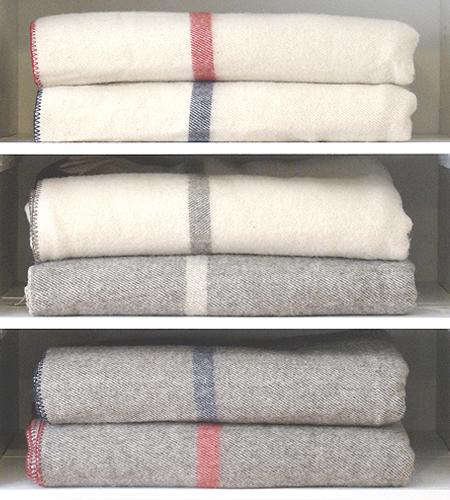
Sure, the basement seems like an easy place to park out-of-season clothing, guest bedding, tablecloths, quilts, curtains, or hand-me-down baby clothes. But fabric absorbs odors and moisture like it’s trying to win a contest.
Over winter, textiles stored in basements can pick up musty smells, mildew, and even pest damage. Natural fibers are especially appealing to insects and rodents looking for nesting material. So that “smart” storage solution can turn into a very expensive lesson in why your comforter now smells like a wet newspaper.
Store this instead:
Use under-bed containers, closet shelves, or vacuum bags stored inside the main part of the home. If basement storage is unavoidable, choose airtight plastic containers, not cardboard boxes, and add moisture control.
5. Mattresses, pillows, and upholstered items
A spare mattress in the basement sounds practical until it comes upstairs smelling like a haunted motel. Mattresses, pillows, padded headboards, and upholstered chairs are moisture magnets. They hold onto odors, absorb dampness deep inside their layers, and can develop mold or mildew that is hard to fully remove.
Once that musty smell settles in, it tends to become a permanent personality trait. And unlike a sweater, you can’t casually toss a queen mattress into the wash.
Store this instead:
Keep spare bedding and upholstered pieces in a dry guest room, storage closet, or climate-controlled storage unit. If you absolutely have to use the basement, wrap items in breathable protective covers, elevate them, and run a dehumidifier.
6. Wooden furniture and antiques
Wood reacts to moisture and temperature changes, which is a polite way of saying it throws a fit. Basement humidity can make wood swell, warp, crack, loosen at joints, or develop mold. Antiques are even more vulnerable because older finishes, glues, and joinery may already be fragile.
That means a charming vintage dresser stored downstairs for “just one winter” can emerge with sticky drawers, a funky odor, and enough warping to qualify as abstract art.
Store this instead:
Place wooden furniture in a conditioned room or professional storage space. If the piece has to stay in the basement, elevate it off the floor, leave airflow around it, and avoid wrapping it tightly in plastic, which can trap moisture.
7. Food, pet food, birdseed, and bulk pantry overflow
Some homeowners treat the basement like a bonus pantry. That can work for certain sealed, shelf-stable items in tightly controlled conditions, but winter basement storage is a terrible place for boxed dry goods, flour, cereal, snacks, open pet food, birdseed, or anything that smells remotely edible.
Food attracts pests. Not “might.” Will. Mice, insects, and other unwelcome tenants are excellent at detecting a snack opportunity. Dampness can also damage packaging, rust lids, and shorten shelf life.
Store this instead:
Keep food in the kitchen, pantry, or mudroom in sealed containers. For pet food and seed, use sturdy airtight bins, ideally metal or heavy-duty pest-resistant containers, and keep them off the floor.
8. Paint, stain, adhesives, and home-improvement chemicals
Leftover paint often gets shoved into the basement because it feels responsible. In reality, winter storage can ruin it. Paint, caulk, adhesives, wood filler, stains, and similar products can separate, thicken, freeze, lose effectiveness, or rust through their containers if the space is damp or too cold.
There is also the safety issue. Organizers and home experts consistently warn against treating a basement like a chemistry closet. Some products are flammable, and many simply don’t hold up well in unstable temperatures.
Store this instead:
Only keep what you truly need, follow the manufacturer’s temperature guidance, and store products in a temperate, dry utility area. Recycle or properly dispose of old leftovers instead of building a sticky little tower of regret in the basement.
9. Propane tanks, gasoline, and other fuels
This one is less “organizing tip” and more “please do not turn your house into a headline.” Portable propane tanks, gasoline cans, kerosene, and other fuels should not be stored in the basement over winter. Period.
These items create serious fire and leak risks. A basement often contains ignition sources such as furnaces, water heaters, appliances, or electrical equipment. Adding fuel storage to that environment is a terrible idea.
Store this instead:
Follow all local regulations and manufacturer guidance. In general, fuels and propane belong in appropriate outdoor storage areas away from the home, not downstairs next to your holiday wreath bin.
10. Books, vinyl records, artwork, and musical instruments
These are the “I’ll just put them down there temporarily” items that people regret later. Books can mold, pages can ripple, and covers can warp. Vinyl records can be damaged by poor conditions. Artwork can absorb moisture and buckle. Musical instruments, especially wood and string instruments, can suffer from shifting humidity and temperature changes that affect both structure and sound.
Put simply, the basement is not a museum-quality storage space. Unless yours is fully finished, insulated, and humidity-controlled, these items should stay upstairs.
Store this instead:
Choose an interior closet, office, den, or dedicated shelving in a conditioned room. Use protective cases where appropriate, but remember: the case protects the item; it does not magically fix the environment.
What is okay to store in a basement over winter?
If your basement is reasonably dry and organized, it can still be useful. The best candidates are practical, durable items that won’t be ruined by some humidity or a little temperature fluctuation. Good examples include plastic storage bins of seasonal decor, sealed cleaning supplies that are safe for the space, luggage, sports gear, and some tools stored properly on shelves or wall systems.
The golden rules are simple: use sturdy plastic bins instead of cardboard, label everything clearly, keep items elevated off the floor, leave airflow around walls, and avoid packing the room so tightly that you can’t notice a leak until it has already auditioned for disaster movie status.
How organizers make basement storage safer in winter
- Use shelving to keep everything off the floor.
- Swap cardboard boxes for sealed plastic bins.
- Run a dehumidifier if the space trends damp.
- Check for leaks, condensation, and musty odors regularly.
- Keep only low-risk, low-value items downstairs.
- Create zones so you can see what you own instead of stacking mystery towers.
The biggest organizing upgrade is not a cute label maker, although those are delightful. It is editing what goes into the basement in the first place.
A few real-life basement lessons homeowners know too well
Talk to enough homeowners and you start hearing the same winter basement stories on repeat. Someone stores a box of family photos downstairs because they “just need it out of the way for now.” Then spring arrives, they open the box, and half the pictures are curled, stuck together, or smell faintly like a damp encyclopedia. Another person tucks a guest mattress into the basement thinking it will be perfectly fine under a cover. A few months later, it comes back upstairs with that unmistakable basement odor that no amount of fabric spray can defeat.
Then there’s the classic “bulk bargain” mistake. A homeowner buys giant bags of pet food, birdseed, and pantry extras during a winter sale and stores them in the basement to save kitchen space. For a while, everything looks fine. Then one day they notice a torn bag, a few droppings, and the horrifying realization that they have not opened a storage area so much as launched a rodent buffet. Suddenly the cheap bulk buy becomes a very expensive pest-control subplot.
Wood furniture has its own genre of regret. Plenty of people assume a basement is good enough for “temporary” furniture storage. But temporary has a funny way of becoming six months, then a year, then two. By the time that side table or antique chair comes back upstairs, the finish may feel tacky, the legs may wobble, and the wood may have shifted enough to ruin the piece’s shape. It’s the home-storage version of saying, “I’ll just set this here for a minute,” and then finding it in the exact same place four seasons later.
Homeowners also underestimate how sneaky moisture can be. Sometimes there is no dramatic flood, no burst pipe, no ankle-deep water. Instead, there is just one chilly wall, one damp corner, one little patch of condensation, and one shelf placed slightly too low. That is all it takes to damage papers, rust metal, warp cardboard, and create mold problems that announce themselves with smell before they ever become visible.
And perhaps the most relatable experience of all is the false confidence that comes from a basement looking clean. Clean does not always mean safe for storage. A neat basement can still be too humid for books, too damp for linens, too unstable for paint, and too risky for important documents. That’s why experienced organizers keep repeating the same advice: store by environmental needs, not by available square footage. In other words, don’t ask, “Where can I fit this?” Ask, “What conditions does this item need to survive winter without becoming a problem?” That one shift in thinking saves money, space, and a lot of future frustration.
Final takeaway
If your basement is unfinished or only partly conditioned, winter is not the time to treat it like a free-for-all storage annex. The safest rule is this: if an item is valuable, delicate, sentimental, flammable, absorbent, or edible, it probably should not spend the winter downstairs.
A clutter-free home is not about stuffing your problem items into the basement and closing the door with confidence. It is about storing the right things in the right places so they are still usable, safe, and intact when you need them. Your future self will be grateful. Your family photos will be grateful. Even your spare comforter will be grateful, in its own soft and odor-free way.
SEO Tags