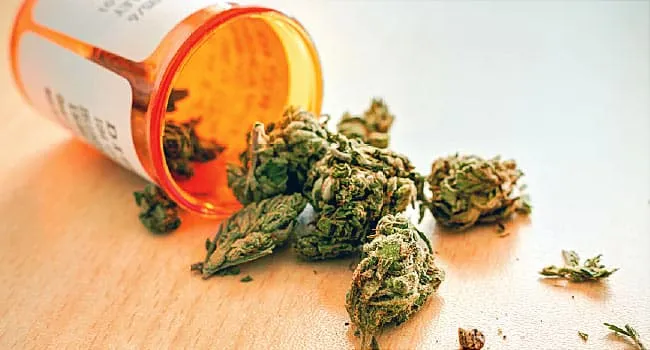

Medical marijuana has gone from “hushed conversation in the parking lot” to a serious topic in doctors’ offices, state legislatures, cancer clinics, neurology practices, and family group chats where at least one uncle suddenly becomes a pharmacology expert. But behind the hype, jokes, and political debate is a real medical question: can cannabis help certain health conditions, and what side effects should patients understand before considering it?
The honest answer is neither magical nor terrifying. Medical marijuana may help some people manage symptoms such as chemotherapy-related nausea, certain seizure disorders, appetite loss, chronic pain, and muscle spasms related to multiple sclerosis. At the same time, it can cause dizziness, sedation, memory problems, anxiety, impaired coordination, drug interactions, dependence, and risks for the heart, lungs, pregnancy, and mental health.
In other words, medical cannabis is not a miracle plant wearing a tiny lab coat. It is a drug-like treatment with possible benefits, real side effects, and many unanswered questions. This guide explains what medical marijuana is, how it may help, where the evidence is strongest, where claims get wobbly, and what patients should discuss with a licensed healthcare professional.
What Is Medical Marijuana?
Medical marijuana refers to cannabis or cannabis-derived compounds used under medical supervision to help manage symptoms or conditions. The cannabis plant contains many chemical compounds called cannabinoids. The two best-known are tetrahydrocannabinol, better known as THC, and cannabidiol, better known as CBD.
THC is the compound most associated with the “high” people think of when they hear marijuana. It can also affect pain, nausea, appetite, sleep, mood, memory, and coordination. CBD does not produce the same intoxicating effect, but it can still affect the body and interact with medications. That means “non-intoxicating” does not mean “zero risk.” Your liver, unfortunately, does not care how natural the label looks.
Medical marijuana products vary widely. Some contain mostly THC, some mostly CBD, and others a combination of both. This matters because benefits and side effects often depend on the cannabinoid profile, product quality, potency, route of administration, frequency of use, and the patient’s age, medical history, and medications.
How Medical Marijuana Works in the Body
The human body has an endocannabinoid system, a network involved in pain signaling, appetite, mood, sleep, immune function, and other processes. Cannabinoids from cannabis can interact with this system and influence how the brain and body respond to discomfort, nausea, inflammation, appetite, and stress.
That does not mean cannabis automatically “balances” the body. A doorbell and a fire alarm both make noise, but you would not use them the same way. Cannabinoids can produce helpful effects in some situations and unwanted effects in others. The key is matching the right patient, condition, product, and medical oversight.
Potential Benefits of Medical Marijuana
The strongest medical marijuana evidence is not for every condition advertised online. In fact, the science is much more selective. Some uses have meaningful support, while others are still being studied or remain uncertain.
1. Chemotherapy-Related Nausea and Vomiting
One of the better-supported medical uses of cannabinoids is helping with nausea and vomiting caused by cancer chemotherapy, especially when standard anti-nausea treatments are not enough. Some FDA-approved cannabinoid medications have been used for this purpose, and cancer organizations have reviewed cannabis and cannabinoids as part of symptom management.
For patients going through chemotherapy, nausea can be more than an inconvenience. It can interfere with eating, hydration, sleep, and quality of life. In selected cases, cannabinoids may provide relief when other options do not fully work. Still, this should be coordinated with an oncology team because cancer patients often take several medications, and interactions matter.
2. Appetite Loss and Weight Loss in Certain Illnesses
Medical marijuana may help stimulate appetite in some patients, especially those with serious illness-related weight loss. Historically, cannabinoid medications have been studied for appetite loss associated with HIV/AIDS and cancer-related symptoms.
This is not the same as saying cannabis is a casual appetite booster for everyone. For someone with severe illness, maintaining weight can be medically important. For another person, appetite stimulation may be an unwanted side effect. Context is everything. A hammer is useful when you have a nail; it is less charming when you are fixing a wristwatch.
3. Certain Rare Seizure Disorders
One of the clearest examples of a cannabis-derived medical product is purified CBD approved for certain rare seizure disorders. This is different from buying a random CBD gummy online and hoping it behaves like a prescription medicine. FDA-approved CBD has standardized dosing, purity, safety monitoring, and clinical evidence behind it.
For families affected by severe seizure disorders, cannabinoid-based treatment can be life-changing. However, seizure care is complex. CBD can interact with anti-seizure medications, and liver monitoring may be needed. This is a neurologist-guided lane, not a “my cousin read a forum” lane.
4. Chronic Pain Relief
Chronic pain is one of the most common reasons people ask about medical marijuana. Some evidence suggests cannabis or cannabinoids may offer modest benefit for certain types of chronic pain, especially neuropathic pain. Patients sometimes report improved sleep, reduced pain intensity, or less reliance on other medications.
However, pain is complicated. Back pain, nerve pain, arthritis pain, cancer pain, migraine pain, and fibromyalgia pain are not identical problems wearing different hats. Research results vary, and benefits are often moderate rather than dramatic. Medical marijuana may be one tool in a larger pain plan that includes physical therapy, sleep care, mental health support, anti-inflammatory strategies, and carefully chosen medications.
5. Multiple Sclerosis Symptoms and Muscle Spasms
Cannabis-based medicines have been studied for muscle stiffness and spasms related to multiple sclerosis. Some patients report reduced spasticity, improved comfort, and better sleep. The evidence suggests possible benefit, although results are not universal.
For a person with multiple sclerosis, even a small improvement in spasms may make daily activities easier. But side effects such as dizziness, fatigue, and impaired thinking can be especially frustrating if the person already deals with neurologic symptoms. A treatment should help the day go better, not turn the living room into an obstacle course.
6. Sleep Problems Related to Pain or Illness
Some patients use medical marijuana because pain, nausea, or muscle spasms make sleep difficult. When cannabis reduces those symptoms, sleep may improve indirectly. THC may also make some people feel sleepy.
But the sleep story is not simple. Cannabis can affect sleep architecture, tolerance may develop, and stopping after regular use can lead to sleep disturbance. For insomnia by itself, the evidence is less convincing than the marketing often suggests. Anyone considering cannabis for sleep should first look at the underlying cause: pain, anxiety, caffeine, medication timing, sleep apnea, screen habits, or the ancient human tradition of thinking about unpaid bills at 1:17 a.m.
Possible Side Effects of Medical Marijuana
Medical marijuana side effects can be mild, moderate, or serious depending on the person and product. THC-heavy products usually create more cognitive and psychoactive effects, while CBD-heavy products have their own concerns, especially medication interactions.
Common Short-Term Side Effects
Common side effects may include dry mouth, red or dry eyes, dizziness, drowsiness, nausea, increased appetite, slower reaction time, impaired coordination, and problems with attention or memory. Some people feel relaxed; others feel anxious, panicky, confused, or uncomfortably intoxicated.
These effects matter because they can interfere with driving, school, work, caregiving, operating equipment, and making decisions. A medication that helps pain but makes someone forget why they opened the refrigerator may not be the best daytime strategy.
Mental Health Effects
THC can affect mood, perception, and thinking. In some people, especially those using high-potency products or those with a personal or family history of psychosis, cannabis may increase the risk of paranoia, hallucinations, delusions, or psychosis. It may also worsen anxiety in certain users, even if others report feeling calmer.
People with depression, bipolar disorder, anxiety disorders, PTSD, schizophrenia risk, or a history of substance use disorder should be especially cautious. This does not mean every person with a mental health condition will have a bad reaction, but it does mean medical supervision is not optional decoration.
Memory, Learning, and Concentration
Cannabis can temporarily affect memory, attention, and learning. This is especially important for adolescents and young adults, whose brains are still developing. Regular use at younger ages has been associated with greater mental health and cognitive concerns.
For adults, cognitive side effects can still matter. A person may not want to trade pain relief for brain fog, especially if they need to study, manage finances, care for children, or remember where they put the car keys. Spoiler: the keys are not always in the freezer, but cannabis will not improve the odds.
Heart and Blood Pressure Concerns
Medical marijuana can increase heart rate and may affect blood pressure. Some studies and clinical warnings have raised concerns about cardiovascular risks, including heart attack and stroke, particularly in people with existing heart disease or risk factors.
Patients with chest pain, irregular heartbeat, uncontrolled blood pressure, previous stroke, or significant cardiovascular disease should talk with a healthcare professional before considering cannabis. “Natural” is not a cardiology clearance form.
Lung and Respiratory Risks
Smoking cannabis can irritate the lungs and is associated with coughing, bronchitis-like symptoms, and airway irritation. Any smoke contains substances that can bother lung tissue. Vaping THC products has also been linked to serious lung injury in some contexts, especially with unsafe or contaminated products.
People with asthma, COPD, chronic bronchitis, or other lung conditions should be especially careful. When the goal is medical relief, irritating the lungs may be a poor trade-off.
Medication Interactions
Cannabis and CBD can interact with medications, including blood thinners, anti-seizure drugs, sedatives, antidepressants, immunosuppressants, and other medicines processed by the liver. These interactions can change medication levels or increase side effects such as sleepiness, bleeding risk, or impaired coordination.
This is one reason patients should tell their healthcare provider about cannabis use, even if it feels awkward. Doctors have heard stranger things. Somewhere, a physician has already treated a patient who blamed a rash on “haunted laundry detergent.” Cannabis disclosure is practical, not scandalous.
Dependence, Withdrawal, and Cannabis Use Disorder
Regular cannabis use can lead to dependence in some people. Withdrawal symptoms may include irritability, sleep problems, reduced appetite, mood changes, cravings, and restlessness. Cannabis use disorder is a real condition, and risk increases with frequent use, high-potency products, and starting at a young age.
Medical use should include periodic reassessment: Is it still helping? Are side effects increasing? Is the person needing more to get the same effect? Has daily life improved or narrowed? These questions keep treatment honest.
Pregnancy and Breastfeeding
Cannabis is generally not recommended during pregnancy or breastfeeding because of potential risks to fetal and infant development. Pregnant patients with nausea, pain, anxiety, or sleep problems should discuss safer, better-studied options with an obstetric clinician.
This is an area where “but it helps me relax” is not enough. The medical question includes two patients: the pregnant person and the developing baby.
Medical Marijuana vs. CBD Products
Many people confuse medical marijuana with over-the-counter CBD products. They overlap, but they are not the same. Medical marijuana may contain THC, CBD, and other cannabinoids. CBD products often claim to contain little or no THC, but labeling can be unreliable unless the product is regulated and independently tested.
CBD can cause side effects such as fatigue, nausea, diarrhea, irritability, and medication interactions. It can also affect liver enzymes. Consumers should be cautious with dramatic claims about CBD curing pain, anxiety, cancer, Alzheimer’s disease, or every human problem short of printer jams.
Who Should Be Extra Cautious?
Medical marijuana is not appropriate for everyone. Extra caution is important for people who are pregnant or breastfeeding, adolescents, older adults at risk of falls, people with heart disease, people with lung disease, individuals with psychosis risk, people with substance use disorder, and anyone taking medications that may interact with cannabinoids.
Older adults may be more vulnerable to dizziness, confusion, sedation, and falls. Patients taking multiple prescriptions should be screened carefully. A treatment plan should consider the whole person, not just one symptom shouting the loudest.
Questions to Ask a Healthcare Professional
Before considering medical marijuana, patients should ask: What symptom are we treating? What evidence supports cannabis for this condition? What are the alternatives? What side effects should I watch for? Could it interact with my medications? How will we know if it is working? When should we stop?
A clear plan matters. Medical marijuana should not be treated like a mystery subscription box where the patient waits to see what arrives. Goals should be specific, measurable, and realistic: fewer nausea episodes, better appetite, improved sleep due to pain relief, reduced muscle spasms, or better function.
Real-World Experiences and Practical Lessons
Experiences with medical marijuana vary widely, which is one reason the topic inspires both passionate support and serious caution. One patient with chemotherapy-related nausea may describe cannabinoids as the first thing that helped them keep food down after a brutal treatment week. Another person may try a THC-heavy product for pain and spend the evening dizzy, anxious, and deeply suspicious of the ceiling fan. Both experiences can be real.
Consider a cancer patient who has tried several anti-nausea medications but still struggles to eat after chemotherapy. Under medical guidance, a cannabinoid-based option may reduce nausea enough to make meals possible again. The benefit is not abstract; it can mean more calories, better hydration, fewer miserable hours, and a little more control during a difficult treatment. In this situation, medical marijuana is not about recreation. It is about symptom relief when standard care is not fully doing the job.
Now consider a person with chronic nerve pain who hears that medical marijuana is “natural pain relief.” They try it expecting a dramatic transformation. The pain improves slightly, but they also feel sleepy and unfocused during the day. For that person, the result may be mixed. The lesson is important: modest pain relief can be meaningful, but side effects can limit usefulness. A good outcome is not simply “less pain.” It is better function, better sleep, safer movement, and improved quality of life.
Another common experience involves sleep. Someone with arthritis pain may find that cannabis helps them relax at night because their pain feels less sharp. But another person using cannabis mainly for insomnia may notice that it works at first, then becomes less reliable. If they stop suddenly after regular use, sleep may temporarily worsen. The practical takeaway is that cannabis should not replace a full sleep evaluation when insomnia is persistent. Sometimes the real culprit is sleep apnea, anxiety, medication timing, or poor sleep habits quietly running the show from behind the curtain.
Patients also report very different emotional reactions. Some feel calm. Others feel anxious, panicked, paranoid, or mentally foggy. This difference can depend on THC potency, personal biology, mental health history, environment, and other substances such as alcohol or sedatives. For people prone to anxiety or psychosis, the risk side of the equation becomes much heavier. Medical marijuana should never be framed as harmless just because it comes from a plant. Poison ivy also comes from a plant, and nobody invites it to brunch.
Families and caregivers often notice practical issues before patients do. An older adult may say cannabis helps pain, while a spouse notices more unsteadiness, confusion, or daytime sleepiness. A younger adult may report better relaxation, while their performance at school or work quietly slips. These observations matter. Medical treatment should be evaluated not only by how someone feels in the moment but by how life functions over time.
The best experiences tend to share a pattern: the patient has a clear medical reason, talks honestly with a clinician, avoids mixing cannabis with alcohol or sedating medications unless medically reviewed, watches for side effects, and reassesses whether benefits still outweigh risks. The worst experiences often involve vague goals, high expectations, inconsistent products, hidden use, or assuming “more” automatically means “better.” With medical marijuana, more can simply mean more dizziness, more anxiety, more confusion, and more awkward conversations with furniture.
The bottom line from real-world experience is simple: medical marijuana may help certain symptoms for certain people, but it deserves the same respect as any active medical treatment. It should be discussed, monitored, and adjusted thoughtfully. Relief is valuable. Safety is valuable too. The goal is not to win an argument about cannabis. The goal is to help the patient feel and function better without creating new problems.
Conclusion
Medical marijuana can offer benefits for selected patients, especially in areas such as chemotherapy-related nausea, appetite loss in serious illness, rare seizure disorders, some chronic pain conditions, and multiple sclerosis-related symptoms. But the evidence is not equally strong for every claim, and side effects are real. THC can affect thinking, memory, mood, coordination, heart rate, and mental health. CBD can interact with medications and cause its own side effects.
The smartest approach is balanced, medical, and individualized. Cannabis is not a cure-all, a wellness shortcut, or a villain hiding in a leafy disguise. It is a complex therapy with possible benefits, possible harms, and a strong need for honest conversation between patients and healthcare professionals.