
Note: This article is for educational purposes only and is not personal medical advice.
For a while, GLP-1 drugs lived in two worlds at once. In one world, they were serious prescription medicines used for diabetes and obesity. In the other, they were internet celebritiespart health breakthrough, part pop-culture obsession, part group chat rumor with a copay. Now the conversation has shifted again, because the World Health Organization has officially recommended GLP-1 therapies as a treatment option for adults living with obesity.
That sounds huge, and it is. But it does not mean “everyone should run out and get a weekly shot before lunch.” The WHO’s guidance is more careful than the hype machine. It treats obesity as a chronic disease, not a character flaw, and it frames these medications as one tool inside a broader treatment plan that still includes nutrition, movement, follow-up care, and individualized medical judgment.
So what exactly did WHO recommend? Which drugs are included? Why are semaglutide and tirzepatide suddenly discussed like household names? And what should regular people actually know before thinking, “Hmm, is this relevant to me or just another medical headline trying to start drama?” Let’s break it down in plain English.
What WHO Actually Recommended
The most important takeaway is this: WHO now says GLP-1 therapies may be used as a long-term treatment option for adults living with obesity. That wording matters. This is not a blanket order, and it is not a fashion recommendation disguised as medicine. It is a clinical recommendation for adults with obesity, generally defined as a body mass index, or BMI, of 30 or higher.
WHO also recommends that when these medicines are prescribed, they should ideally be paired with intensive behavioral therapy. In other words, medication is not supposed to do all the heavy lifting while the rest of the care plan goes out for coffee. A strong program still includes counseling, healthy dietary changes, physical activity goals, progress reviews, and support that helps people keep going when motivation gets wobbly.
Another important detail: WHO’s recommendation is conditional, not absolute. That is a polite guideline-world way of saying, “Yes, these medicines are effective, but real-life concerns still matter.” Those concerns include cost, limited access, long-term safety questions that still need more data, health-system readiness, and fairness. Translation: the science is promising, but the real-world rollout is messy.
WHO’s guidance is also focused on adults. It does not cover pregnant women, and it does not mean every person who wants to lose a few pounds is suddenly a candidate. The point is treatment for a chronic disease, not cosmetic panic before beach season.
Why This Recommendation Matters
WHO’s move matters because obesity is common, serious, and expensivenot just in the United States, but globally. In the U.S., more than 2 in 5 adults have obesity. That is not a niche problem or a “somebody else” problem. It is tied to higher risks of heart disease, type 2 diabetes, sleep apnea, fatty liver disease, joint strain, and other complications that can quietly chip away at quality of life.
For years, obesity treatment was often reduced to an unhelpful script: eat less, move more, and somehow be less hungry, less tired, less stressed, and less human all at the same time. Lifestyle changes still matter enormously, but science has moved past the idea that obesity is just a math problem with a motivational poster stuck on top. Hormones, appetite regulation, sleep, stress, genetics, environment, and metabolism all play a role.
That is why WHO’s recommendation feels like a turning point. It signals that anti-obesity medication is no longer being treated as fringe care or celebrity medicine. It is being recognized as part of evidence-based obesity treatment.
How GLP-1 Drugs Work Without Turning This Into a Biochemistry Exam
GLP-1 stands for glucagon-like peptide-1, a hormone involved in blood sugar regulation and appetite. Medicines in this category mimic or enhance signals that help people feel fuller, reduce appetite, and slow stomach emptying. That can make it easier to eat less without feeling like every afternoon is a showdown between you and a vending machine.
Some of these drugs were first developed for type 2 diabetes. Researchers noticed that many people also lost weight, and that observation opened the door to a new chapter in obesity treatment. Over time, the clinical evidence grew stronger, and the category expanded.
One quick technical note: people often use “GLP-1 drugs” as a catch-all label, but not every medication in the conversation works in exactly the same way. Tirzepatide, for example, acts on both GLP-1 and GIP pathways. Still, in everyday conversation, it often gets grouped into the same family because the practical topic is similar: modern injectable medicines that can meaningfully help with obesity treatment.
Which Drugs Are Included in the Conversation?
Liraglutide
Liraglutide has been around longer than the newer stars of the category. It is a once-daily injectable medication and helped establish that hormone-based obesity treatment could be effective. It is still relevant, but in the public imagination it has been somewhat overshadowed by newer options that are taken weekly instead of daily.
Semaglutide
Semaglutide is the active ingredient in Wegovy for chronic weight management. It is taken once weekly and has become one of the most discussed obesity medications in the world. In addition to helping with long-term weight reduction, semaglutide has also earned attention for cardiovascular benefits in certain adults with overweight or obesity and established cardiovascular disease. That is a big reason the conversation has moved beyond “weight loss” and toward broader health outcomes.
Tirzepatide
Tirzepatide, sold as Zepbound for weight management, is another once-weekly injectable and has shown especially strong results in obesity trials. It is also approved in the U.S. for chronic weight management, and it has gained an additional approval for moderate to severe obstructive sleep apnea in adults with obesity. That is notable because it shows the field is expanding from weight outcomes alone to obesity-related conditions that directly affect daily life and long-term health.
Put simply: WHO’s recommendation is not about one miracle brand. It is about a class of modern medicines that now has enough evidence to be taken seriously in obesity care.
What the Benefits Can Look Like
The benefits of GLP-1-based therapies are not just about smaller jeans or a friend saying, “Wow, what’s your secret?” In clinical practice, the more meaningful question is whether treatment improves health, function, and long-term risk.
For many people, even a 5% loss of body weight can improve blood pressure, blood sugar, mobility, and other obesity-related risks. WHO notes that most people taking these therapies lose at least that much. Some medications can do much more in the right patients, especially when they are combined with structured support.
Semaglutide has shown cardiovascular benefits in a major outcomes trial involving adults with overweight or obesity and established cardiovascular disease who did not have diabetes. That matters because it suggests these medicines may help beyond the bathroom scale.
Tirzepatide has produced especially strong weight-loss results in obesity trials, with some participants at higher doses losing dramatically more weight than those on placebo. That does not mean everyone will get identical results. Bodies are not vending machines. You do not insert injection, press button, and receive the same outcome as every other person. But the potential is clearly significant.
There is also a practical, everyday benefit that many clinicians discuss: reduced “food noise.” People often describe less constant thinking about food, less intense hunger, and a little more breathing room between impulse and action. That does not replace healthy habits, but it can make those habits feel possible instead of theatrical.
What These Drugs Do Not Do
Let’s bring in the anti-hype umbrella for a moment. GLP-1 drugs do not cure obesity. They do not replace healthy eating. They do not replace physical activity. They do not automatically fix sleep, stress, or emotional eating. And they definitely do not turn medical care into a DIY internet challenge where you follow three influencers and call it endocrinology.
They also are not guaranteed to work the same way for every person. Some people respond very well. Some respond modestly. Some stop because of side effects, cost, or limited coverage. Some regain weight after stopping treatment, which is one reason experts increasingly discuss obesity as a chronic condition that often needs long-term management.
Side Effects and Safety: The Part Nobody Should Skip
The most common side effects are gastrointestinal. That means nausea, vomiting, diarrhea, constipation, belly discomfort, and a too-full feeling that can make your favorite meal suddenly seem like an overachiever. These issues are often worse when treatment begins or when the dose is increased, which is why clinicians usually start low and increase gradually.
More serious concerns also exist. GLP-1 drugs have been linked to gallbladder problems, pancreatitis, bowel obstruction, gastroparesis, and other digestive complications that continue to be studied. There is also a boxed warning on some products about thyroid C-cell tumors seen in rodents, and these medications are generally contraindicated for people with a personal or family history of medullary thyroid carcinoma or with multiple endocrine neoplasia syndrome type 2.
That does not mean the medicines are unsafe for everyone. It means they are real prescription drugs with real risks, not wellness accessories with nice packaging. The right question is not, “Are they good or bad?” The right question is, “Are they appropriate for this person, given the benefits, risks, history, and alternatives?”
Another important point: these medications are not recommended during pregnancy for weight management. Anyone pregnant, trying to become pregnant, or breastfeeding should review treatment carefully with a clinician.
Who Might Be a Candidate?
WHO’s guidance is focused on adults living with obesity. In U.S. practice, eligibility for weight-management medications may also include some adults with overweight plus a weight-related health condition, depending on the specific drug and indication.
A clinician will usually consider several factors: BMI, medical history, current medications, obesity-related complications, prior weight-management efforts, side-effect risks, insurance coverage, and what the patient is actually hoping to achieve. For one person, the goal may be lower cardiovascular risk. For another, it may be improved mobility, better sleep apnea control, lower blood sugar, or relief from the exhausting cycle of repeated weight regain.
The best candidates are not the people with the loudest internet opinions. They are the people whose overall health picture suggests the benefits may outweigh the downsides.
Cost, Access, and the Very Unfun Insurance Plot Twist
If the science were the only issue, this article would end here with a neat bow. But real life brought paperwork.
One of WHO’s biggest concerns is equity. These medicines can be effective, but they are also expensive, and access is uneven. In the U.S., some insurance plans cover obesity medications and some do not. Medicaid coverage varies. Medicare rules have been evolving because some of these drugs are also approved for conditions beyond weight management, including cardiovascular risk reduction in certain adults and obstructive sleep apnea in adults with obesity.
What this means in plain English is simple: a treatment can be medically appropriate and still financially out of reach. That gap is one of the biggest reasons WHO stopped short of treating the recommendation like a universal solution. A drug does not help much if the people who need it most cannot get it, cannot stay on it, or have to fight a prior authorization battle that feels longer than a historical novel.
How to Think About GLP-1 Drugs Sensibly
If you are looking at this topic from a patient perspective, the most sensible approach is calm curiosity. Not fear. Not hype. Not “this is cheating.” Not “this is magic.” Just calm curiosity.
Useful questions include:
- Do I meet the medical criteria for treatment?
- What benefit am I realistically hoping for: lower risk, symptom relief, improved function, or weight reduction?
- What side effects matter most given my history?
- How would this fit with nutrition, activity, sleep, and follow-up care?
- What happens if the medication works but my insurance coverage disappears?
- Would another obesity treatment, including surgery in some cases, make more sense for me?
That last question matters. GLP-1 therapy is not the only evidence-based treatment for obesity. For some people, metabolic or bariatric surgery may still offer the strongest long-term results, especially in severe obesity or when complications are significant. The point is not to crown one approach the winner. The point is to match the right treatment to the right person.
The Bottom Line
WHO’s recommendation marks an important shift in global obesity care. It recognizes that modern GLP-1-based medicines can be a legitimate long-term treatment option for adults living with obesity. It also makes something else clear: medication should be used thoughtfully, with medical supervision, and ideally as part of a broader care plan rather than a stand-alone shortcut.
The smartest way to read the headline is this: obesity treatment is becoming more evidence-based, more medical, andhopefully over timemore humane. That is good news. The less good news is that access, affordability, long-term follow-up, and health-system readiness still have a lot of catching up to do.
So yes, this is a major moment. But it is not a movie montage where the syringe enters stage left and all public health problems disappear by the final scene. It is progress. Real progress. Just the kind that still comes with caveats, side effects, insurance forms, and the timeless human wish that medicine would please work without making us answer messages from the pharmacy.
Experiences Related to GLP-1 Drugs for Obesity: What People Often Notice in Real Life
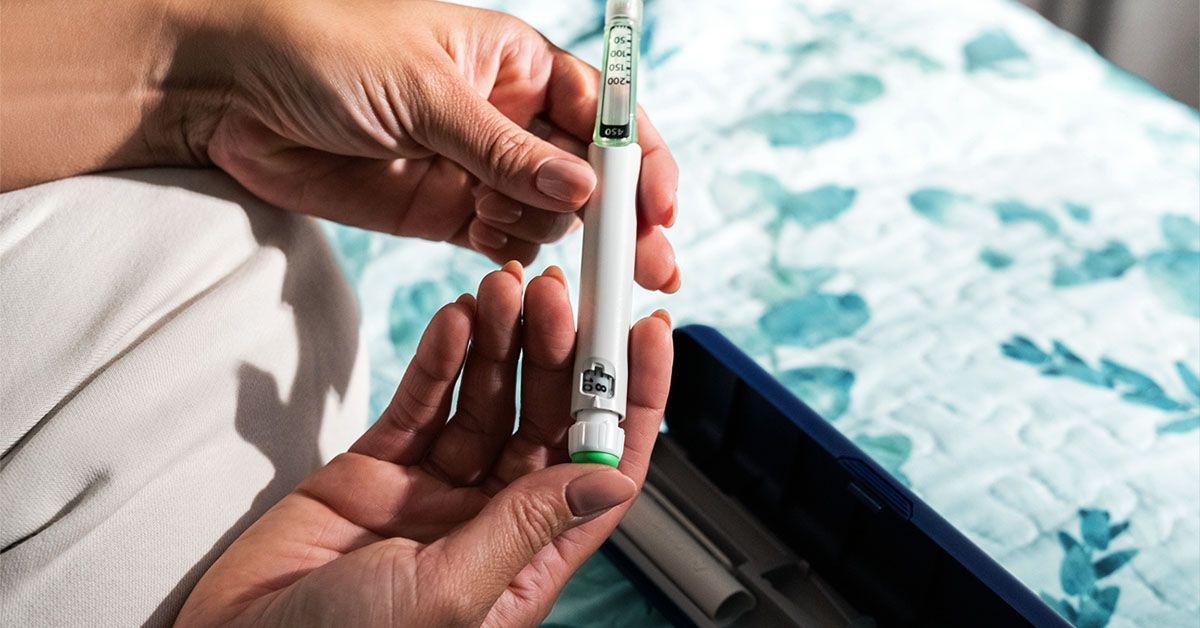
Beyond trial results and guideline language, the lived experience of starting a GLP-1 medicine tends to surprise people in very ordinary ways. The first surprise is often that the medication does not usually begin with a cinematic transformation. It begins with a routine. A prescription. A dose-escalation schedule. Maybe a tutorial on how to use the injection pen. Maybe a moment of staring at the pen and thinking, “This looks weirdly simple for something that has taken over the internet.”
In the first few weeks, many people notice appetite changes before they notice dramatic weight changes. Meals may become smaller without feeling like punishment. Snacks lose some of their hypnotic power. The constant mental chatter about food can quiet down. For some, that feels liberating. For others, it feels unfamiliar. People who are used to negotiating with hunger all day sometimes describe the experience as getting mental space back. It is less “I suddenly became a different person” and more “I finally have a pause button.”
At the same time, the early phase can be bumpy. Nausea is a common complaint. Some people feel overly full after meals. Some deal with constipation, others with diarrhea, and a few discover that rich or greasy foods suddenly seem like bad romantic choicesexciting in theory, regrettable in practice. This is one reason clinicians move doses up slowly. The body often needs time to adapt.
Another common experience is that weight loss does not solve every problem people expected it to solve. Energy may improve, mobility may improve, and inflammation-related symptoms may feel better, but life itself does not become a glitter cannon. Stress still exists. Sleep still matters. Emotions still matter. Some people realize that a medication can reduce hunger without automatically changing long-standing habits tied to boredom, celebration, routine, or comfort. That is where counseling, coaching, or structured support can make a real difference.
There is also a social side to the experience. Some people keep treatment private because they do not want opinions from relatives, coworkers, or the internet’s unpaid panel of experts. Others feel judged no matter what they do. If they do not lose weight, people ask questions. If they do lose weight, people ask different questions. That can be emotionally exhausting. It is one more reason the obesity conversation is shifting toward health-centered, person-first care instead of moral commentary dressed up as advice.
Cost creates another layer of real-life stress. A person may respond well to treatment and still worry every month about insurance approval, prior authorization renewals, or whether the medication will stay available. Some people discontinue therapy not because it failed, but because coverage failed. That can be deeply frustrating, especially when a person has started to see improvements in blood pressure, sleep, mobility, or blood sugar.
Longer term, people often discover that success is not only about the number on the scale. It may mean climbing stairs without getting winded, needing fewer naps, feeling less joint pain, or sleeping better because sleep apnea symptoms improve. For some, the biggest change is practical dignity: fitting more comfortably in airplane seats, walking farther, or not structuring every day around fatigue and hunger. Those experiences may sound small from the outside, but they are often the most meaningful outcomes.
The most realistic expectation is not perfection. It is progress that is medically supervised, sustainable, and connected to overall health. That is the real story behind GLP-1 therapy for obesity. Not miracle. Not fraud. Not vanity. Just a powerful tool that can help some people a great deal, especially when it is used with good care, realistic goals, and enough support to make the benefits last.