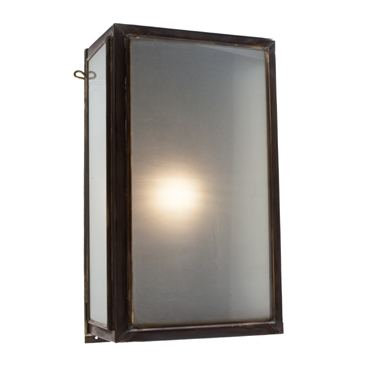

A box wall light with frosted glass is the quiet overachiever of home lighting. It does not swing from the ceiling demanding applause. It does not take over the room like a chandelier wearing a crown. Instead, it sits neatly on the wall, softens the glare, adds architectural shape, and makes a hallway, bathroom, bedroom, patio, or entryway feel more intentional. Think of it as the lighting version of a well-tailored blazer: simple, structured, and somehow able to make everything around it look more put together.
The appeal of a box wall light frosted glass fixture comes from the balance between modern geometry and gentle illumination. The box shape gives the light a clean, contemporary profile, while frosted glass diffuses brightness so the bulb does not glare directly into your eyes. That combination makes it useful in spaces where you need both function and atmosphere. In other words, it can help you find your keys without making your hallway feel like an airport security checkpoint.
Whether you are choosing a square frosted glass wall sconce for a bathroom vanity, a rectangular box wall lamp for a hallway, or an outdoor frosted glass wall light for a covered porch, the right fixture can improve visibility, style, and comfort. The trick is knowing what to look for before you fall in love with a pretty product photo and forget minor details like size, brightness, moisture rating, and installation. Lighting has a way of humbling us all.
What Is a Box Wall Light with Frosted Glass?
A box wall light is a wall-mounted fixture with a square, cube, or rectangular form. The housing may be made from metal, aluminum, steel, brass, or a composite material, while the shade or lens is often made from glass. When that glass is frosted, etched, opal, satin, or milky white, it helps scatter the light instead of letting the bulb shine through sharply.
In practical terms, frosted glass turns harsh light into a smoother glow. Clear glass can look crisp and decorative, especially with vintage-style bulbs, but it may create glare if the fixture sits at eye level. Frosted glass is more forgiving. It hides the bulb, softens shadows, and gives the fixture a cleaner appearance. This is one reason frosted glass wall sconces are popular in bathrooms, hallways, bedrooms, staircases, and exterior entries.
Common Styles of Box Wall Lights
Box wall lights come in several design families. Some are minimalist cubes with a flush profile, perfect for modern and Scandinavian interiors. Others use a rectangular frosted glass shade held by a metal frame, which works well in transitional homes. Outdoor versions often feature a weather-resistant frame, sealed glass, and a stronger architectural look. There are also up-and-down box wall lights that send illumination both above and below the fixture, creating a dramatic wall wash effect.
The finish matters, too. Matte black gives a bold, modern edge. Brushed nickel and chrome feel clean and bathroom-friendly. Brass and champagne bronze add warmth without looking too formal. White or powder-coated finishes blend easily with light-colored walls. The best choice is not always the trendiest one; it is the finish that matches your hardware, door handles, faucets, mirrors, and overall room personality.
Why Frosted Glass Works So Well
The biggest reason people choose frosted glass is comfort. A bare bulb can be visually aggressive, especially in small rooms or narrow corridors. Frosted glass acts like a diffuser, spreading the light more evenly and reducing direct glare. This is particularly helpful when the light is mounted near eye level, beside a mirror, or along a path where people walk toward it.
Frosted glass also gives the fixture a polished look. It hides the bulb, socket, and internal hardware, which keeps the design tidy. If your home leans minimalist, modern, contemporary, Japandi, mid-century, or transitional, this clean appearance can be a major advantage. It says, “I care about lighting design,” without saying, “I spent three weekends reading forums about wall sconces.” Even if you did.
Frosted Glass vs. Clear Glass
Clear glass is best when you want sparkle, exposed bulbs, or a vintage decorative effect. Frosted glass is better when you want softer light, less glare, and a more uniform glow. In bathrooms, frosted glass can be more flattering because it reduces sharp shadows on the face. In hallways, it creates a calmer look. In bedrooms, it helps make bedside lighting feel relaxing rather than interrogation-room bright.
However, frosted glass can slightly reduce perceived brightness because it diffuses the light. That is not a flaw; it is the whole job. The solution is to choose the right lumen output and color temperature rather than buying the brightest bulb available and hoping the glass will magically behave.
Best Places to Use a Box Wall Light Frosted Glass Fixture
Bathroom Vanity Lighting
A box wall light with frosted glass can work beautifully around a bathroom mirror. Use one fixture on each side of the mirror for balanced face lighting, or install a horizontal rectangular fixture above the mirror if side placement is not possible. For bathrooms, always check whether the fixture is rated for damp locations. Bathrooms deal with humidity, steam, and moisture, so a standard dry-location fixture may not be appropriate.
For vanity lighting, look for a soft white or warm white LED bulb in the 2700K to 3000K range if you want a flattering, cozy feel. If the bathroom is also a grooming or makeup zone, a neutral 3000K to 3500K option may offer a cleaner view. A high color rendering index, often listed as CRI, can help colors look more natural. This matters when you are trying to match socks, apply makeup, or determine whether your face is tired or just suffering from bad lighting.
Hallways and Staircases
Hallways are classic territory for box wall sconces. A narrow hallway needs light, but it usually does not need a bulky fixture sticking out like an elbow in a crowded elevator. A compact frosted glass wall light can provide enough illumination while keeping the profile neat. If you are installing multiple sconces, spacing them evenly helps create rhythm and visual order.
In staircases, wall lights improve safety and add drama. A frosted glass box sconce can highlight the wall surface without creating harsh glare as people move up and down. For stairways, consider fixtures that are easy to clean and do not protrude too far into the path.
Bedrooms and Bedside Areas
Bedside wall lights free up nightstand space and give the room a more custom look. A small rectangular frosted glass wall lamp beside the bed can replace a table lamp, especially in compact bedrooms. Choose a dimmable fixture or compatible dimmable LED bulb so the light can shift from reading mode to sleepy-time mode. Nobody needs full daytime brightness while reaching for a glass of water at midnight.
If the fixture is used for reading, check whether the light direction is strong enough. Some frosted glass box lights are primarily ambient, meaning they create general glow rather than focused task lighting. For serious readers, a swing-arm wall lamp or a fixture with directional output may be better. For casual reading and cozy atmosphere, frosted glass is a winner.
Entryways, Porches, and Outdoor Walls
Outdoor box wall lights with frosted glass can make an entrance look warm and secure. They work especially well on modern homes, townhouses, patios, garage walls, and covered porches. For exterior use, the key detail is the location rating. A covered porch may require a damp-rated fixture, while an exposed exterior wall usually needs a wet-rated fixture. Do not guess here. Water and electricity are not a cute design pairing.
Outdoor frosted glass also helps reduce the harsh “spotlight on the neighbor’s window” effect. It gives a softer glow that can illuminate the entry without making the house look like it is preparing for a police lineup.
How to Choose the Right Box Wall Light
1. Start with Size and Scale
Size can make or break the look. A tiny fixture on a large wall may seem accidental, while an oversized box light in a narrow hallway can feel awkward. For bathroom mirrors, the fixture should relate to the mirror width and vanity size. For hallways, check both the height and the depth from the wall. For outdoor entries, choose a fixture large enough to be visible from the curb but not so large that it overwhelms the door.
A good rule of thumb is to tape the fixture dimensions on the wall before buying. Painter’s tape is cheap, forgiving, and much easier to remove than a wall light you regret.
2. Check Lumens, Not Just Watts
Modern LED lighting is best compared by lumens, which measure brightness, rather than watts, which measure energy use. A decorative wall sconce may use far fewer watts than an old incandescent bulb while producing similar brightness. For soft accent lighting, lower lumens may be enough. For vanity or entry lighting, you may need more output.
For a single wall sconce, many homeowners look in the range of roughly 400 to 800 lumens, depending on the room and fixture design. A pair of sconces beside a mirror can provide more balanced brightness than one powerful light overhead. Frosted glass diffuses light, so consider the total effect rather than judging the bulb alone.
3. Choose the Right Color Temperature
Color temperature affects mood. Warm light around 2700K feels cozy and familiar. Light around 3000K is still warm but slightly cleaner. Neutral white around 3500K to 4000K can work well in bathrooms, kitchens, laundry rooms, and workspaces. Cooler light above 5000K can feel crisp, but in homes it may become too clinical unless used carefully.
For a box wall light frosted glass fixture, 2700K to 3000K is usually the safest choice for living areas, bedrooms, and hallways. For a bathroom where grooming accuracy matters, 3000K to 3500K may be better. The frosted glass will soften the appearance, so the light often feels warmer than it would through a clear lens.
4. Look for Damp or Wet Ratings Where Needed
Location rating is one of the most important buying details. Dry-rated fixtures belong in dry interior spaces. Damp-rated lights can handle moisture in places like bathrooms, covered porches, or laundry areas, depending on the exact installation. Wet-rated lights are designed for areas exposed to direct water, such as uncovered exterior walls.
When in doubt, read the product specifications carefully and follow local electrical code requirements. For hardwired fixtures, hiring a licensed electrician is often the smartest move. Yes, online videos make installation look easy. Online videos also make cake decorating look easy, and yet many of us have produced frosting landslides.
5. Decide Between Integrated LED and Replaceable Bulbs
Some box wall lights have integrated LED modules. Others use replaceable bulbs such as E26, G9, or candelabra-base lamps. Integrated LED fixtures can look sleek, save energy, and reduce bulb changes, but when the LED module eventually fails, repair or replacement may be more complicated. Replaceable-bulb fixtures offer flexibility because you can change brightness, color temperature, and bulb type more easily.
If you choose integrated LED, check the listed lifespan, dimming compatibility, color temperature, and warranty. If you choose a bulb-based fixture, confirm the maximum wattage, bulb shape, base type, and whether the bulb is visible through the frosted glass.
Design Ideas for Box Wall Light Frosted Glass Fixtures
Modern Minimalist Hallway
Use matte black rectangular frosted glass sconces along a white or light-gray hallway. Keep spacing consistent and pair them with simple baseboards and clean door hardware. The result is gallery-like but not cold. Add framed art between fixtures for a polished look.
Spa-Inspired Bathroom
Install two vertical frosted glass box sconces on either side of a round or rectangular mirror. Choose brushed nickel, brass, or matte black depending on your faucet finish. Add warm white bulbs and a dimmer if compatible. Suddenly, brushing your teeth feels slightly more luxurious, which is honestly the kind of everyday upgrade homes are built for.
Warm Bedroom Nook
Mount small frosted glass wall lights on both sides of the bed to replace table lamps. This keeps nightstands open for books, water, glasses, and the mysterious pile of receipts nobody wants to discuss. Choose a fixture with a gentle glow and a switch that is easy to reach from bed.
Contemporary Outdoor Entry
Choose a weather-appropriate box wall light with frosted glass and a dark bronze, black, or graphite finish. Install one beside the front door or a pair on both sides for symmetry. The frosted glass will create a welcoming glow while the box shape adds structure to the facade.
Maintenance and Cleaning Tips
Frosted glass is attractive, but it can show dust, fingerprints, and mineral spots. Fortunately, cleaning is simple. Turn off the power, let the fixture cool, and wipe the glass with a soft microfiber cloth. For smudges, use mild soap and water or a glass-safe cleaner recommended by the manufacturer. Avoid abrasive pads because they can scratch or dull the finish.
Outdoor fixtures may need more frequent cleaning because pollen, rain spots, and insects can collect around the shade. If the fixture has screws or clips holding the glass in place, handle them carefully and avoid overtightening. Glass prefers confidence, not brute force.
Common Mistakes to Avoid
- Choosing style before rating: A beautiful bathroom or outdoor light still needs the correct damp or wet rating.
- Ignoring depth: Wall lights that project too far can feel intrusive in narrow hallways.
- Buying bulbs that are too cool: Frosted glass softens light, but it cannot fully rescue a harsh, blue-white bulb in a cozy bedroom.
- Forgetting dimmer compatibility: Not all LED bulbs or integrated fixtures work with every dimmer.
- Installing too high or too low: Poor placement can create shadows, glare, or an awkward visual line.
Experience-Based Notes: Living with Box Wall Light Frosted Glass Fixtures
After seeing box wall lights with frosted glass used in different rooms, one lesson becomes clear: these fixtures are at their best when they are chosen for the job, not just the photo. In a hallway, a frosted glass box light can make the space feel calmer immediately. The light spreads gently across the wall, corners look less gloomy, and the fixture itself does not demand too much attention. This is especially useful in apartments, townhomes, and older houses where hallways can be narrow and ceiling lighting may feel flat.
In bathrooms, the experience depends heavily on placement. A single overhead light above the mirror can cast shadows under the eyes, nose, and chin. Side-mounted frosted glass wall lights usually feel more balanced. The face looks more natural, the mirror area feels brighter, and the room gains a finished, hotel-like touch. However, brightness matters. If the frosted glass is thick and the bulb is weak, the result may be pretty but not practical. That is the lighting equivalent of shoes that look fantastic but cannot survive a grocery run.
Bedrooms are another place where frosted glass box wall lights shine, quite literally but politely. They create a warm background glow that helps the room feel restful. A pair mounted beside the bed can make a small bedroom look custom-designed. The best bedroom installations usually include dimming or lower-lumen bulbs. Too much brightness near the pillow can feel rude, as if the wall is yelling, “Wake up and reconsider your life choices.”
Outdoor use brings a different set of experiences. Frosted glass is excellent near entry doors because it reduces glare while still making the doorway visible. It also hides the bulb, which gives the exterior a cleaner look during the day. The main concern is durability. Outdoor fixtures should be chosen for exposure level, finish quality, and ease of maintenance. In humid or coastal areas, corrosion-resistant materials and finishes become even more important.
Another practical observation: frosted glass changes how color temperature feels. A 3000K bulb behind frosted glass often looks softer than the same bulb in a clear-glass fixture. That is great for warmth, but it means homeowners should test bulbs before buying a dozen. Try one bulb at night, look at the wall color, check the mirror reflection, and see whether the mood fits. Lighting should be judged after sunset, not only in the cheerful optimism of a retail aisle.
Finally, box wall lights tend to reward simplicity. They look best when paired with clean surrounding details: a neat mirror, uncluttered wall, matching hardware, and balanced spacing. If the room already has many decorative elements, choose a simpler fixture. If the room is plain, a frosted glass box light with a handsome metal frame can add just enough personality. The sweet spot is a fixture that feels intentional without acting like it has its own fan club.
Conclusion
A box wall light frosted glass fixture is a smart choice for homeowners who want lighting that is stylish, comfortable, and versatile. The box shape brings modern structure, while frosted glass softens the light and reduces glare. From bathrooms and hallways to bedrooms and covered entries, this type of wall light can improve both function and atmosphere when selected carefully.
Before buying, consider size, brightness, color temperature, finish, bulb type, dimming needs, and location rating. Choose damp-rated or wet-rated fixtures where moisture is present, and check installation requirements before starting. With the right pick, a frosted glass box wall light can make your space feel brighter, calmer, and more thoughtfully designed. Not bad for something that spends its life attached to a wall.
SEO Tags
Note: This article is original, written in standard American English, and synthesized from real lighting design, energy-efficiency, safety-rating, and product-selection information relevant to U.S. homeowners and buyers.