
If you have ever been called “the calm one,” “the peacemaker,” or “the person most likely to keep smiling during a group project disaster,” you may have a phlegmatic personality style. The phlegmatic personality type is often described as relaxed, steady, patient, loyal, and quietly supportive. While everyone else is running around with metaphorical smoke coming out of their ears, the phlegmatic person is usually the one saying, “Let’s slow down, think this through, and maybe have a snack.”
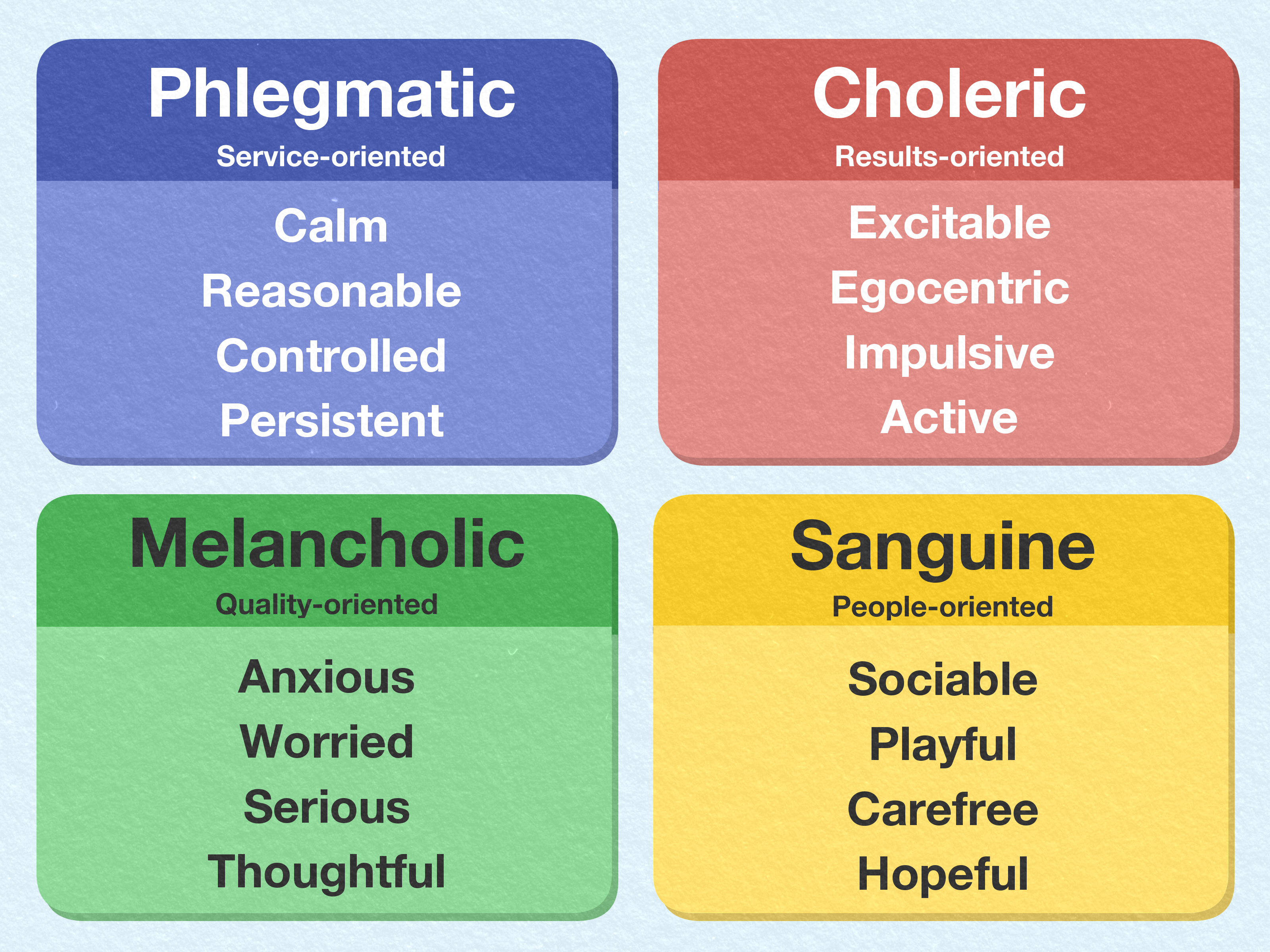
In the classic four temperament theory, phlegmatic is one of four personality patterns, alongside sanguine, choleric, and melancholic. The idea comes from ancient temperament theory, which connected personality to bodily “humors.” Modern science no longer treats those ancient medical explanations as factual, so no, your calm nature is not caused by a mysterious excess of phlegm. Thank goodness. However, the phlegmatic temperament remains a useful way to talk about a familiar pattern of behavior: easygoing, agreeable, consistent, and conflict-avoidant.
This guide explains the meaning of the phlegmatic personality type, its common traits, strengths, weaknesses, relationship patterns, career tendencies, and practical advice for personal growth. Think of it as a friendly owner’s manual for the human version of a weighted blanket.
What Is the Phlegmatic Personality Type?
The phlegmatic personality type refers to a calm, stable, cooperative, and emotionally even-tempered style of interacting with the world. People with this temperament often value peace, predictability, loyalty, comfort, and low-drama relationships. They are usually not the loudest person in the room, but they may be the most comforting person in the room.
In everyday language, a phlegmatic person is often described as:
- Relaxed and easygoing
- Patient with others
- Slow to anger
- Supportive and dependable
- Private about strong feelings
- Uncomfortable with conflict
- More steady than impulsive
Unlike more intense personality descriptions, phlegmatic does not mean boring, lazy, or emotionless. It simply means the person tends to move through life with a lower emotional temperature. Their feelings are still there; they just do not always come with flashing lights and a dramatic soundtrack.
A Quick History of the Four Temperaments
The four temperaments come from ancient Greek and Roman ideas about health and personality. The traditional categories were sanguine, choleric, melancholic, and phlegmatic. Each was originally associated with one bodily fluid, or humor. Phlegmatic was associated with phlegm and was linked to qualities such as coldness, moisture, calmness, and slowness.
Today, psychologists do not use the old humor theory as a scientific explanation for personality. Modern personality research usually works with evidence-based frameworks, such as the Big Five personality traits: openness, conscientiousness, extraversion, agreeableness, and neuroticism. Still, the four temperaments remain popular because they are simple, memorable, and surprisingly useful for self-reflection.
A phlegmatic person may overlap with modern personality traits such as high agreeableness, lower emotional volatility, and moderate introversion. That does not mean every phlegmatic person fits one exact formula. People are not soup cans with labels. A person may be mostly phlegmatic but also have strong creative, ambitious, or analytical qualities.
Key Traits of a Phlegmatic Personality
1. Calm Under Pressure
One of the most recognizable phlegmatic traits is calmness. When a stressful situation appears, phlegmatic people may not react immediately. They often take time to observe, process, and respond. This can make them excellent mediators, steady coworkers, and comforting friends.
For example, if a team deadline suddenly changes, a more reactive person might panic, complain, or start assigning blame. A phlegmatic teammate is more likely to say, “Okay, what can we realistically finish today?” Their calm tone can help lower the emotional volume for everyone else.
2. Conflict Avoidance
Phlegmatic people usually dislike conflict. They may prefer compromise over confrontation and silence over argument. This can be a wonderful strength when diplomacy is needed. However, it can become a problem when they avoid necessary conversations.
For instance, a phlegmatic person may say, “It’s fine,” when it is absolutely not fine. Meanwhile, their inner monologue is writing a 14-page emotional report with footnotes. Over time, unspoken frustration can turn into resentment, withdrawal, or passive resistance.
3. Loyalty and Dependability
Phlegmatic personalities are often loyal friends, partners, family members, and employees. They may not make big dramatic promises, but they usually show up consistently. They are the people who remember your favorite tea, drive you to the airport, and help you move without turning the entire event into a personal branding opportunity.
This dependability makes them highly valued in relationships and workplaces. They often become the quiet glue that holds groups together.
4. Patience and Tolerance
Phlegmatic people tend to have a long fuse. They can listen to others, accept differences, and give people time to explain themselves. This patience can be especially helpful in caregiving, teaching, customer service, counseling, administration, and team support roles.
The downside is that patience can turn into over-tolerance. A phlegmatic person may put up with disrespect, unfair workloads, or one-sided relationships for too long because they do not want to “make a big deal.” Spoiler alert: healthy boundaries are not a big deal. They are basic emotional plumbing.
5. Preference for Stability
Many phlegmatic people enjoy routine, familiar environments, and predictable expectations. They may not crave constant novelty or high-risk adventures. A peaceful evening, a favorite show, and a comfortable chair can sound better than a surprise networking event with name tags and aggressive appetizers.
This preference for stability can help them build reliable habits and long-term relationships. However, it may also make change feel uncomfortable. A phlegmatic person may need extra time to warm up to new plans, new jobs, new systems, or new social circles.
Phlegmatic Strengths
The phlegmatic personality type brings many strengths to everyday life. These qualities are often subtle, but they matter deeply.
They Create Emotional Safety
Because phlegmatic people are usually calm and nonjudgmental, others may feel safe opening up to them. They are often good listeners who do not rush to interrupt, fix, or compete with someone else’s story.
They Work Well in Teams
Phlegmatic individuals tend to cooperate rather than dominate. They can support group goals, smooth out tension, and help different personalities work together. In a workplace, they may not always chase the spotlight, but they often make the spotlight possible for others.
They Are Good at Long-Term Commitment
Their steady nature can make phlegmatic people reliable partners, friends, and colleagues. They often prefer deep, lasting connections over shallow excitement. They may not send 47 texts before breakfast, but they will probably remember the important stuff.
They Stay Grounded
In chaotic situations, a phlegmatic person’s grounded energy can be incredibly valuable. They may help others slow down, breathe, and focus on practical next steps.
Common Challenges of the Phlegmatic Personality Type
Difficulty Speaking Up
Because they value harmony, phlegmatic people may struggle to express disagreement. They may soften their opinions so much that others do not realize they have an opinion at all. This can lead to feeling unseen, unheard, or taken for granted.
Practical advice: Practice using clear, respectful statements such as, “I see it differently,” “I need more time,” or “That does not work for me.” Assertiveness is not aggression. It is honesty with manners.
Procrastination
Phlegmatic personalities may delay action when a task feels stressful, uncertain, or confrontational. Their calmness can sometimes drift into inertia. If a choleric personality is a sports car, a phlegmatic personality may be a cozy minivan that needs a little warming up before leaving the driveway.
Practical advice: Use small deadlines, visible checklists, and low-pressure momentum. Instead of saying, “I must change my entire life today,” start with “I will spend 15 minutes on the first step.”
People-Pleasing
Phlegmatic people may say yes when they want to say no. They may accept extra work, emotional labor, or inconvenient plans to avoid disappointing others. Unfortunately, constant people-pleasing teaches others that your limits are optional.
Practical advice: Try simple boundary phrases: “I can’t take that on right now,” “I’m available for 20 minutes,” or “I need to think before I answer.” Boundaries do not make you unkind. They make your kindness sustainable.
Emotional Suppression
Phlegmatic individuals may keep feelings inside because they do not want to burden anyone. But emotions do not disappear just because they are filed neatly in a mental drawer. Eventually, the drawer gets stuck.
Practical advice: Build emotional check-ins into your routine. Journaling, therapy, honest conversations, walking, prayer, mindfulness, or quiet reflection can help you notice what you feel before it turns into quiet exhaustion.
Phlegmatic Personality in Relationships
In relationships, phlegmatic people are often loyal, gentle, affectionate in practical ways, and deeply committed. They may show love by being present, helping with tasks, keeping promises, or creating a peaceful home environment. They may not always express passion dramatically, but their love often appears through consistency.
However, their conflict avoidance can create misunderstandings. A partner may ask, “What do you want?” and the phlegmatic person may answer, “Whatever you want.” At first, that sounds flexible. After a while, it can feel like emotional hide-and-seek.
Relationship Advice for Phlegmatic People
- Share preferences before resentment builds.
- Do not confuse peacekeeping with intimacy.
- Remember that disagreement can be respectful.
- Ask for what you need directly.
- Choose partners who value your steadiness, not just your convenience.
A healthy relationship does not require constant conflict, but it does require honest communication. The goal is not to become loud. The goal is to become clear.
Phlegmatic Personality at Work
At work, phlegmatic people often shine in roles that require patience, teamwork, consistency, service, and emotional steadiness. They may do well in healthcare support, education, human resources, operations, counseling, administration, project coordination, customer success, research assistance, nonprofit work, and technical support.
They may be less comfortable in high-pressure environments where constant confrontation, aggressive competition, or rapid change is expected every day. That does not mean they cannot succeed there. It simply means they may need strong systems, clear expectations, and time to recharge.
Career Advice for Phlegmatic People
First, do not underestimate your quiet strengths. A team needs more than bold idea generators. It also needs people who follow through, listen carefully, reduce friction, and keep processes moving. Second, make your contributions visible. Phlegmatic employees may assume good work speaks for itself, but in many workplaces, good work needs a tiny microphone.
Try keeping a weekly record of wins, completed tasks, solved problems, and positive feedback. This makes performance reviews easier and helps you advocate for promotions, raises, or better responsibilities without feeling like you are bragging. You are not bragging. You are providing evidence. Very grown-up. Very useful.
How to Grow as a Phlegmatic Personality
1. Practice Assertive Communication
Assertiveness helps you express needs without attacking others. A phlegmatic person can practice assertiveness by using calm, direct language. For example: “I am not available tonight,” “I disagree with that plan,” or “I need more support on this project.”
2. Set Gentle but Firm Boundaries
Boundaries are especially important for phlegmatic people because others may assume their flexibility has no limit. Decide what drains you, what you can realistically give, and what you need to protect your energy.
3. Turn Calmness Into Action
Your calm nature is a gift, but action still matters. Use routines, reminders, accountability partners, and small goals to prevent peaceful delay from becoming permanent delay.
4. Let Yourself Want Things
Many phlegmatic people are so used to accommodating others that they forget to ask, “What do I actually want?” Start with small choices: the restaurant, the movie, the weekend plan, the meeting format. Preferences are not selfish. They are part of being a full person.
5. Choose Growth Without Rejecting Yourself
You do not need to become louder, harsher, or more dramatic to improve. Growth for a phlegmatic personality usually means becoming clearer, more active, and more honest while keeping your natural warmth and steadiness.
Real-Life Experiences: What Being Phlegmatic Can Feel Like
Living with a phlegmatic personality can feel like being the emotional thermostat in every room. People often come to you when they are upset because they trust your steady presence. You may be the friend who listens without judgment, the coworker who calmly fixes messy situations, or the family member who tries to keep everyone from turning Thanksgiving dinner into a courtroom drama. That role can feel meaningful. It can also feel heavy when everyone assumes you are fine simply because you look fine.
A common phlegmatic experience is being underestimated. Because you may not speak forcefully, people might think you do not care, do not notice, or do not have strong ideas. In reality, you may notice everything. You may simply be taking time to think before speaking. For example, in a meeting, a phlegmatic person may stay quiet while louder voices debate. Later, they may offer the most practical solution in one calm sentence. The trick is learning to speak before the conversation has already moved three exits down the highway.
Another experience is the pressure to be endlessly agreeable. Friends may say, “You’re so easygoing,” and they may mean it as a compliment. But sometimes “easygoing” becomes code for “we assume you will adjust.” You may end up watching movies you do not like, accepting plans that exhaust you, or doing extra work because you are “so good at handling things.” Over time, this can create quiet frustration. The solution is not to become difficult. It is to become honest earlier.
In relationships, phlegmatic people may have a warm but understated love style. You may show affection by making coffee, remembering details, solving small problems, or sitting beside someone in comfortable silence. Not everyone recognizes this as love immediately, especially if they expect grand speeches or dramatic gestures. It helps to explain your style while also learning your partner’s needs. You can say, “I show love through consistency, but I’m willing to be more verbal about it.” That single sentence can save months of confusion.
At work, the phlegmatic experience often includes being the reliable one. You may not chase attention, but your manager may rely on your steadiness when projects become chaotic. The danger is becoming invisible labor: doing the emotional smoothing, the follow-up, the fixing, and the supporting without recognition. Keep records of your contributions. Ask for clear priorities. When someone says, “Can you just handle this?” pause before automatically saying yes. Your calm energy is valuable, not unlimited.
Personal growth as a phlegmatic person often feels less like a personality makeover and more like turning up the volume on your existing self. You do not need to become a motivational speaker with a headset microphone. You need to say what you mean, choose what matters, and act before comfort becomes a cage. Your peace is a strength. Just make sure it includes you.
Conclusion: The Quiet Power of the Phlegmatic Personality
The phlegmatic personality type is calm, patient, dependable, cooperative, and deeply valuable in a world that often rewards noise over steadiness. Phlegmatic people bring peace to relationships, balance to teams, and comfort to stressful situations. Their greatest strengths are loyalty, patience, emotional stability, and the ability to create a safe atmosphere for others.
At the same time, phlegmatic individuals should watch for conflict avoidance, procrastination, people-pleasing, and emotional suppression. The best advice is simple: keep your calm nature, but add clearer communication, stronger boundaries, and more intentional action. You do not have to stop being peaceful. You just have to stop disappearing inside that peace.
Note: This article is for educational and self-reflection purposes only. The phlegmatic personality type is a traditional temperament concept, not a clinical diagnosis.