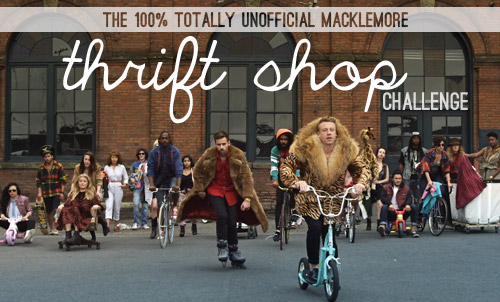

There are few things more American than trying to look expensive on a hilariously un-expensive budget. That is exactly why our completely unofficial Macklemore Thrift Shop challenge became the kind of idea that starts as a joke and ends with someone proudly holding up a suede vest like it is the final rose on a reality show. Inspired by the larger-than-life spirit of thrift-store fashion, this challenge is not about copying a celebrity outfit or chasing internet irony. It is about turning thrift shopping into a game, a style experiment, and a very entertaining test of self-control.
The premise is simple: head to a thrift store, set a small budget, hunt for the boldest, smartest, or most unexpectedly stylish secondhand pieces you can find, and build an outfit that has personality for days. Bonus points if it makes your friends say, “Wait, that came from where?” Extra bonus points if the price tag is so low it feels like legal mischief.
But this is not just a goofy fashion dare. A thrift shop challenge also taps into something bigger: smarter spending, more creative personal style, and a growing appreciation for secondhand fashion. In a world where fast fashion can feel like a treadmill with sequins, thrifting gives shoppers the chance to slow down, choose better, and come home with items that have actual character. Sometimes that character is “timeless vintage cool.” Sometimes it is “grandpa-at-a-jazz-festival.” Either way, it is memorable.
Why a Thrift Shop Challenge Still Hits
Years after “Thrift Shop” turned bargain-bin swagger into a mainstream pop-culture flex, the basic appeal still makes perfect sense. People love the thrill of the hunt. They love finding pieces no one else has. They really love paying eight bucks for something that looks like it has opinions. That mix of style, humor, and rebellion is exactly why a Macklemore Thrift Shop challenge still works as a party theme, weekend outing, content idea, or low-budget fashion adventure.
There is also a practical side. Budget style is not just trendy; it is useful. A good thrift trip stretches your clothing budget, helps you experiment without buyer’s remorse, and encourages you to think more creatively about what makes an outfit feel good. In a regular store, everything is arranged to guide you toward obvious choices. In a thrift store, the rack basically shrugs and says, “Good luck, champ.” Oddly enough, that freedom is where the magic starts.
And then there is the sustainability angle. More shoppers now see sustainable shopping as less of a niche hobby and more of a normal life skill. Buying secondhand can extend the life of clothing, reduce waste, and redirect money into local nonprofit missions when you shop at community-based thrift stores. So yes, this challenge is funny. It is also surprisingly responsible. Look at us, being stylish and morally complicated in a corduroy blazer.
The Rules of Our Completely Unofficial Challenge
To keep this from devolving into chaos and emotional support lamp purchases, we gave ourselves a few rules. You can copy them exactly or tweak them for your group.
1. Set a strict budget
Pick a number low enough to force creativity. Twenty dollars is a classic sweet spot for a thrifting challenge. It is enough to build something fun, but not enough to let anyone casually wander into “I bought a whole leather trench coat because destiny” territory.
2. Build a complete look
The goal is not just to buy random weird stuff. The goal is to create a wearable outfit with intention. That means tops, bottoms, outerwear, accessories, or shoes if you get lucky. A complete look always beats a single dramatic find that has the emotional range of a costume bin.
3. One wild-card item is required
Every outfit needs one piece you would never buy in a normal store on a normal day. Maybe it is a metallic jacket. Maybe it is a western shirt with pearl snaps. Maybe it is a bag that looks like it once belonged to a very glamorous substitute teacher. The wild-card item is where personality enters the chat.
4. No breaking the thrift-store spirit
No sneaking in new retail items. No “I already owned this belt, so it counts.” No calling your aunt to borrow her vintage boots mid-challenge. The fun comes from working with what the thrift gods provide.
5. Judge on style, originality, and storytelling
The best thrift store outfits are not always the prettiest. Sometimes the winner is the person who can explain why a plaid blazer, silk scarf, and cowboy loafers somehow became “retired game-show host goes to brunch.” If the outfit has a point of view, it is doing its job.
How to Win Before You Even Walk In
A good challenge starts before you touch a hanger. The strongest thrifters do not just shop; they strategize. First, decide on a loose idea instead of a hyper-specific item. Looking for “a cool jacket” works better than looking for “a camel wool double-breasted coat in my exact size with perfect buttons and a cinematic backstory.” Thrift stores reward flexibility. If you enter with a wide lens, you leave with better options.
Second, bring your measurements or at least know your fit preferences. This matters more than people think. Sizes bounce around wildly across brands, decades, and mystery labels that seem to have been printed during the Carter administration. If you are shopping for jackets, jeans, or home goods as part of the challenge, a little preparation saves you from buying something that only fits your hopes.
Third, do not assume “cheap” means “smart.” One of the easiest mistakes in a secondhand shopping trip is buying five mediocre things just because they are inexpensive. It is better to leave with one excellent piece than a pile of regret that smells faintly like an attic and bad decisions.
What to Look for During the Hunt
The smartest challenge shoppers know what categories give the biggest payoff. Outerwear is usually gold. Blazers, denim jackets, trench coats, suede pieces, and oversized cardigans can instantly make an outfit feel deliberate. Accessories are another jackpot. Belts, scarves, handbags, costume jewelry, and hats can transform a basic outfit into something that looks curated instead of accidental.
Natural fabrics are worth checking whenever possible. Denim, wool, linen, cotton, leather, and silk often feel better, wear better, and photograph better than flimsy synthetic pieces that were born to pill. Also inspect seams, buttons, zippers, and hems. A dramatic piece is only fun until you realize one sleeve is hanging on by faith alone.
If you want extra points in your budget fashion challenge, focus on contrast. Pair polished with playful. Mix something tailored with something ridiculous. An oversized blazer with a graphic tee. A crisp shirt with vintage jeans. A refined handbag with shoes that look like they once attended a regional magic convention. Great thrifted style lives in that tension between “I planned this” and “I found this next to a waffle maker.”
Thrift Store Etiquette: Yes, It Matters
A good thrift challenge should be competitive, not feral. There are a few rules of conduct that separate charming treasure hunters from people who make everyone else want to fake a fire drill. Do not block aisles. Do not tear open sealed bags without asking. Do not test electronics without permission. And absolutely do not remove something from another person’s cart unless you are hoping to star in a very low-budget documentary called How I Got Banned from Goodwill.
Patience is part of the deal. Thrifting takes time. Inventory is unpredictable, stock changes constantly, and the “perfect item” may exist two hangers away from the ugliest polyester blouse you have ever seen. Respect the process. Respect the staff. Respect the fact that the whole thrill of thrift shopping comes from surprise, not control.
Safety First, Even When the Vibes Are Excellent
Now for the unglamorous but useful part: not every secondhand item deserves a second chance. Inspect for stains, strong odors, mold, cracks, missing parts, and serious wear. Be especially careful with baby gear, electronics, small appliances, and anything that could have been recalled. A thrift challenge should end with funny photos and bragging rights, not a toaster that looks like it has unresolved anger issues.
When something feels off, walk away. The cheapest item in the store becomes expensive very quickly if it needs repairs, special cleaning, or a spiritual exorcism. The best thrifted finds feel like discoveries, not rescue missions.
Why This Challenge Is More Than a Joke
At first glance, the Macklemore Thrift Shop challenge sounds like an excuse to wear loud prints and laugh at old vests. Honestly, yes, that is part of it. But underneath the jokes, the challenge teaches useful habits. It pushes you to define your style instead of copying whatever a mannequin told you to like. It makes you consider quality, fit, and originality. It turns shopping into problem-solving instead of passive consumption.
It also reminds people that clothing can be fun again. Not expensive. Not optimized. Not algorithm-approved. Fun. The kind of fun where a stranger compliments your jacket and you get to say, “Thanks, it cost less than my coffee order.” That is not just fashion. That is comedy with sleeves.
Our Experience: The Day the Challenge Got Weird in the Best Way
We kicked off our completely unofficial thrift shop challenge on a Saturday morning with the kind of overconfidence that only exists before you have smelled the inside of a crowded thrift store at 10:12 a.m. We had coffee, a group text full of trash talk, and a very serious rule that no one could spend more than twenty dollars. The mood was competitive but optimistic, like a game show produced by people who own too many tote bags.
The first ten minutes were humbling. One of us found a blazer with shoulder pads so sharp they could have filed taxes. Another found what looked like the world’s saddest sequin top. I spotted a pair of loafers that seemed promising until I realized they were not a pair at all. Just one loafer. A lone survivor. Somewhere in America, its partner is probably still waiting.
Then the challenge started cooking. We stopped looking for “normal” clothes and started looking for possibility. A cropped denim jacket suddenly made sense when paired with a patterned scarf. A stiff old button-down became cool once the sleeves were rolled and layered under a thrifted vest. Someone found a leather belt with a huge brass buckle and built an entire outfit around it like it was the lead actor in a tiny western.
The funniest part was how quickly everyone developed irrational emotional attachments to weird items. There was a heated debate over a green cardigan that looked like it belonged to either an eccentric professor or a man who fixes clocks in a mountain town. There was also a floral blouse that kept getting passed around because none of us wanted it until all of us suddenly did. Thrift stores do that. They turn perfectly normal adults into dramatic little raccoons with opinions.
By the fitting-room stage, the challenge had transformed from “Can we make an outfit?” into “Can we justify this magnificent nonsense?” And weirdly, yes. One person built a genuinely stylish look with wide-leg trousers, a tucked-in knit top, and a structured blazer that looked far more expensive than it was. Another went full maximalist with a printed shirt, vintage jeans, and a chain-strap bag that screamed confidence. The surprise winner, though, was the simplest outfit: dark jeans, a crisp white shirt, a camel jacket, and a silk scarf tied just loosely enough to say, “I read novels and never rush.” It was annoyingly good.
What stayed with us most was not just the clothing. It was the feeling. The challenge made shopping feel social, inventive, and low-stakes in the best way. Nobody cared about trends in the usual sense. We cared about shape, color, fit, and whether an item had enough personality to make the outfit memorable. We laughed more than we spent. We paid less than we expected. And we left with the strange but satisfying sense that style gets better when it stops trying so hard to be expensive.
By the end of the day, we had outfits, photos, and a new appreciation for secondhand style. We also had a list of lessons: always check the fabric, always inspect the hem, never underestimate accessories, and never trust a jacket that looks amazing from the front but gives “regional magician” from the back. Most of all, we learned that the best thrift challenge is not really about dressing like anyone else. It is about finding pieces that make you laugh, think, experiment, and maybe walk a little taller. Preferably in a coat that cost nine dollars and has absolutely no business looking that good.
Final Take
If you are looking for a weekend activity that is cheap, creative, genuinely useful, and just chaotic enough to be memorable, the Our (Completely Unofficial) Macklemore Thrift Shop Challenge is hard to beat. It works for friends, couples, roommates, content creators, college students, and anyone who wants to refresh their closet without nuking their bank account. Set a budget, keep an open mind, respect the store, inspect your finds, and let the racks surprise you.
You may walk in expecting a joke. You may walk out with a fantastic jacket, a better sense of style, and a sudden urge to brag about paying six dollars for something that looks like it belongs in a boutique. That is the beauty of thrifting. Sometimes the treasure is the outfit. Sometimes the treasure is the story. Usually, if all goes well, it is both.