
Every dog pants. It is part air conditioner, part emotional announcement system, and part “I just chased a squirrel in my dreams” soundtrack. Most of the time, panting is completely normal. Dogs cool themselves mainly by panting because they do not sweat the way humans do. After a walk, play session, car ride, exciting visitor, or warm afternoon, a happy open-mouth pant can simply mean your dog is regulating body temperature.
But there is a difference between normal panting and panting that makes the little alarm bell in your brain ring. Excessive panting in dogs can signal overheating, stress, pain, respiratory trouble, heart disease, poisoning, medication side effects, or a true emergency such as heatstroke. The goal is not to panic every time your dog breathes loudly. The goal is to know what to do, when to cool them down, and when to call a veterinarian immediately.
This guide explains 10 practical ways to treat a panting dog, with clear examples, safety tips, and common mistakes to avoid. Think of it as a calm, sensible checklist for the moment your dog sounds like a tiny furry steam engine.
When Is Dog Panting Normal?
Normal dog panting usually has an obvious trigger. Your dog just exercised, the weather is warm, they are excited, or they are mildly stressed by something temporary, such as a doorbell, car ride, or bath time betrayal. In these cases, panting should gradually slow once your dog rests in a cool, quiet place.
Healthy panting is usually rhythmic, not frantic. Your dog should still be alert, responsive, able to walk normally, and interested in water or rest. Their gums should look pink rather than pale, gray, blue, brick red, or unusually dark. If the panting continues without a clear reason, gets louder, happens at rest, or comes with other symptoms, it deserves closer attention.
Emergency Signs: Call a Vet Right Away
Before trying home care, check for red flags. Seek emergency veterinary help immediately if your dog has heavy panting with collapse, weakness, confusion, vomiting, diarrhea, seizures, blue or pale gums, bright red gums, thick drooling, a swollen belly, labored breathing, choking sounds, severe restlessness, or signs of pain. Heatstroke can become life-threatening quickly, and breathing problems are not “wait and see” situations.
If your dog is panting heavily after being in heat, trapped in a car, exercising on a hot day, walking on hot pavement, or staying in a poorly ventilated room, treat it as urgent. Cool your dog safely while contacting a veterinarian. Do not wait for symptoms to become dramatic. Dogs are talented at looking “sort of okay” right up until they very much are not.
10 Ways to Treat a Panting Dog
1. Move Your Dog to a Cool, Shaded, or Air-Conditioned Place
The first and most useful step for a panting dog is simple: change the environment. If your dog is outside, bring them indoors. If you are on a walk, stop immediately and move to shade. If you are in a car, turn on the air conditioning and head toward veterinary care if the panting is intense or unusual.
Heat is one of the most common reasons dogs pant heavily. Because dogs rely on panting to cool down, hot and humid conditions can overwhelm them fast. Flat-faced breeds such as Bulldogs, French Bulldogs, Pugs, Boxers, and Boston Terriers are especially vulnerable because they cannot move air as efficiently through their shortened airways. Older dogs, overweight dogs, puppies, thick-coated breeds, and dogs with heart or respiratory disease also need extra caution.
Once your dog is in a cooler place, keep them calm and still. Do not encourage more walking “just to get home faster” if they are already struggling. Carry small dogs if you can. For large dogs, move slowly and safely. Your dog does not need a motivational speech; they need shade, airflow, and rest.
2. Offer Fresh, Cool Water in Small Amounts
A panting dog may be thirsty, especially after exercise or heat exposure. Offer fresh, cool water, but do not force your dog to drink. Let them sip naturally. For a dog that is overheated or nauseated, drinking a huge amount too quickly may lead to vomiting, which makes the situation worse.
Place the bowl close to your dog so they do not have to move around. If they refuse water but remain alert, continue cooling and monitoring. If they cannot drink, seem confused, collapse, vomit repeatedly, or are too weak to hold their head up, contact emergency veterinary care immediately.
For future prevention, carry water on walks, hikes, beach trips, and car rides. A collapsible bowl is one of those small pet items that seems unnecessary until the day it becomes the MVP of your entire afternoon.
3. Use Cool Water, Not Ice-Cold Shock Treatment
If your dog is overheated, wet them with cool water. Use a hose, wet towels, a shower, or a bowl of water poured gently over the body. Focus on the belly, paws, groin, armpits, and neck. For thick-coated dogs, make sure the water reaches the skin instead of politely decorating the top layer of fluff.
Avoid ice baths or extremely cold water unless a veterinarian specifically instructs you. Sudden intense cold can cause blood vessels near the skin to constrict, which may make cooling less effective and can add stress. Cool water and airflow are usually safer and more practical.
If you have a thermometer and can safely take a rectal temperature, a dog with a temperature around 104°F or higher after heat exposure needs urgent veterinary attention. But do not delay care because you cannot get a temperature. Symptoms and context matter. A dog who is staggering, drooling heavily, vomiting, or panting uncontrollably after heat exposure needs help now.
4. Increase Airflow with a Fan or Open Vents
Air movement helps cooling. After wetting your dog with cool water, place them in front of a fan or air-conditioning vent. In the car, angle the cool air toward your dog while you contact or travel to the vet. At home, a fan can make a big difference, especially when paired with damp fur or towels.
Do not wrap your dog tightly in wet towels for long periods. That can trap heat. Instead, use wet towels briefly, refresh them often, or lay them under your dog while keeping air moving. Think “cool breeze,” not “dog burrito.”
If your dog’s panting improves quickly after cooling, continue watching them closely. Heat illness can cause internal problems even after the dog seems better, so call your veterinarian for advice if the panting was heavy, prolonged, or linked to high heat.
5. Stop Exercise and Let Your Dog Rest
If panting starts during play, running, hiking, fetch, or training, stop the activity. Some dogs do not know when to quit. A ball-obsessed Labrador may keep fetching until their body files an official complaint. Working breeds, athletic dogs, and young energetic dogs can overdo it because excitement overrides self-preservation.
Guide your dog to a calm spot and allow them to lie down. Keep other pets, children, and enthusiastic humans away while your dog recovers. Do not restart exercise just because the panting improves after two minutes. Give your dog enough time to fully cool down.
To prevent repeat episodes, exercise during cooler parts of the day, such as early morning or evening. Avoid hot pavement, intense midday sun, and humid conditions. A good rule: if the pavement is uncomfortable for your hand, it is not friendly to your dog’s paws. Dogs wear built-in slippers, not magic lava boots.
6. Check for Anxiety, Fear, or Stress Triggers
Not all panting is about temperature. Dogs may pant when they are anxious, frightened, or overstimulated. Thunderstorms, fireworks, travel, vet visits, unfamiliar guests, new environments, loud noises, and separation stress can all trigger heavy breathing.
Look at the whole dog. Stress panting may come with pacing, trembling, yawning, lip licking, tucked tail, wide eyes, hiding, whining, or clinginess. If your dog is panting because of anxiety, move them to a quiet room, lower the noise level, close curtains if flashing lights are a trigger, and speak calmly. Offer a familiar bed, blanket, or safe space.
Do not punish a panting, anxious dog. That is like yelling at someone for sweating during a horror movie. Instead, reduce the trigger and help your dog settle. For recurring anxiety, talk with your veterinarian or a certified behavior professional. Some dogs benefit from behavior plans, calming routines, desensitization, or veterinarian-prescribed medication.
7. Look for Pain or Hidden Illness
Panting can be a pain signal. Dogs may pant after injury, surgery, arthritis flare-ups, abdominal discomfort, dental pain, back pain, or internal illness. This can be easy to miss because many dogs are experts at pretending everything is fine. Your dog could be limping emotionally before they limp physically.
Check gently for clues. Is your dog reluctant to move, climb stairs, jump, lie down, or be touched? Are they restless, hunched, whining, licking one area, shaking, or refusing food? Is the panting happening at night while the room is cool? These patterns can point to pain or disease rather than heat.
Never give human pain medication unless your veterinarian specifically tells you to. Common human medications can be dangerous or toxic to dogs. If you suspect pain, call your vet. Proper treatment depends on the cause, your dog’s size, age, health history, and current medications.
8. Watch for Breathing Trouble, Not Just Panting
Panting is open-mouth breathing, but not all open-mouth breathing is harmless panting. Respiratory distress is an emergency. Signs include noisy breathing, choking sounds, wheezing, coughing, blue or gray gums, extended neck posture, flared nostrils, belly effort with each breath, inability to settle, or breathing that looks like hard work.
If your dog is struggling to breathe, do not spend time searching online for a perfect answer. Call an emergency veterinarian. Keep your dog calm, avoid unnecessary handling, and transport them carefully. Stress can make breathing worse.
Dogs with heart disease, collapsing trachea, laryngeal paralysis, pneumonia, airway obstruction, or brachycephalic airway syndrome may pant heavily or breathe abnormally. These conditions need professional diagnosis. A fan and water bowl cannot fix a blocked airway or heart problem, no matter how optimistic the fan may feel.
9. Review Medications, Toxins, and Recent Changes
Some medications can increase panting. Steroids such as prednisone are a common example. Certain pain medications, anxiety medications, and other prescriptions may also affect breathing, thirst, restlessness, or body temperature. If your dog started panting after a new medication or dose change, call your vet for guidance. Do not stop prescribed medication without advice unless your veterinarian instructs you to do so.
Also consider possible toxin exposure. Panting may occur with ingestion of unsafe foods, household chemicals, plants, medications, recreational substances, or poisons. Other warning signs may include drooling, vomiting, diarrhea, tremors, weakness, agitation, seizures, or abnormal pupils.
If you suspect poisoning, contact your veterinarian, an emergency animal hospital, or a pet poison helpline immediately. Be ready to share your dog’s weight, what they may have eaten, how much, and when. Do not induce vomiting unless a veterinary professional tells you to. The wrong home remedy can turn a bad situation into a much worse one.
10. Call Your Veterinarian When Panting Is Unusual or Persistent
The most important treatment for unexplained panting is getting the right diagnosis. Call your vet if your dog pants heavily at rest, pants at night, pants in a cool room, seems uncomfortable, has changed appetite or behavior, coughs, tires easily, drinks much more than usual, or has repeated episodes.
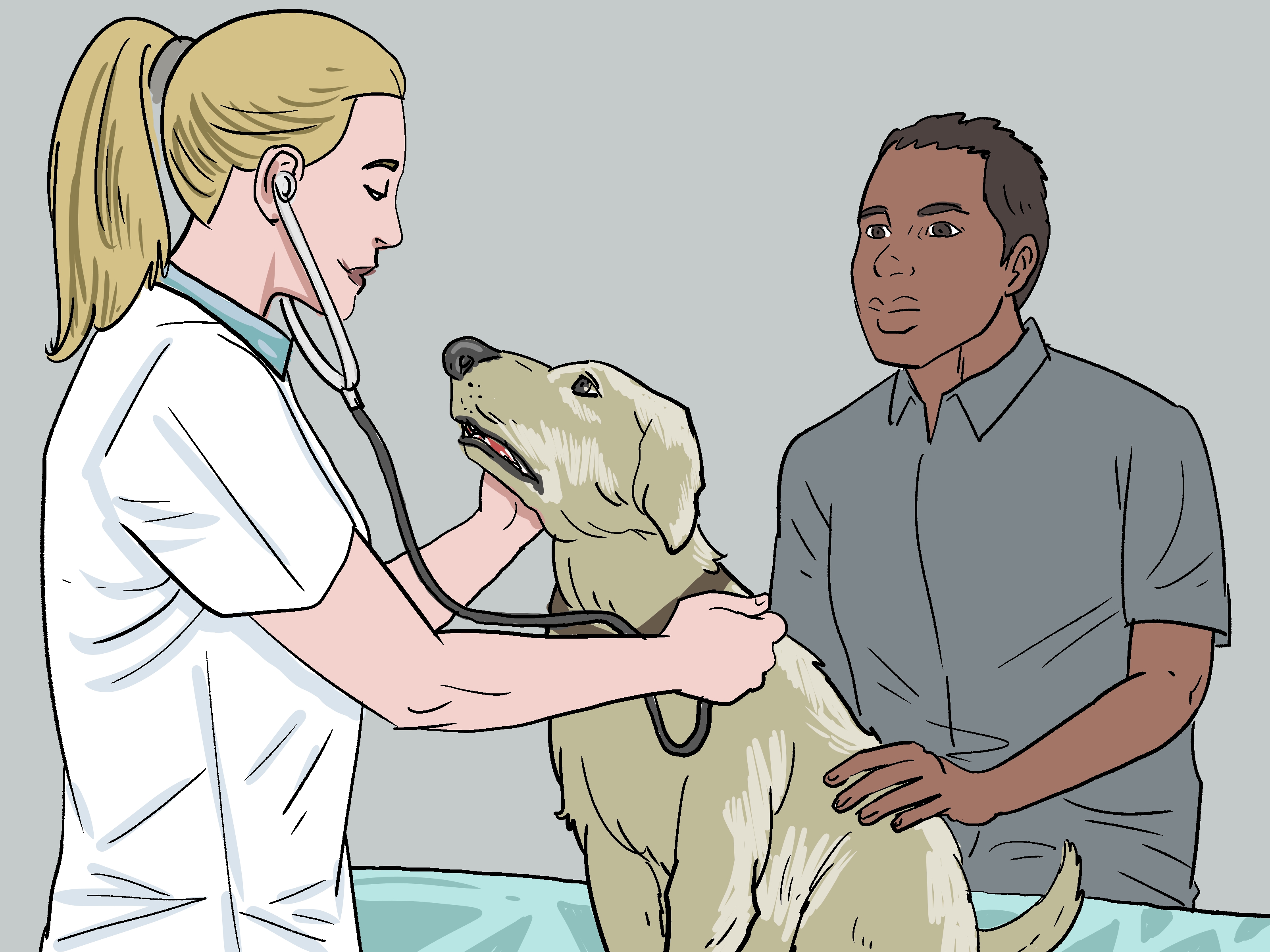
Your veterinarian may check temperature, heart and lung sounds, oxygen levels, bloodwork, X-rays, pain sources, airway function, and medication history. That may sound like a lot, but panting is a symptom, not a diagnosis. Treating it properly means finding the reason behind it.
For example, a dog panting after a summer walk may need cooling and rest. A senior dog panting every night may need evaluation for pain, heart disease, hormonal disease, or respiratory trouble. A dog panting after eating something suspicious may need urgent toxin care. Same symptom, very different story.
How to Tell If Your Dog Is Cooling Down Safely
A dog who is recovering from normal heat or exertion should gradually breathe more slowly, relax their body, become more responsive, and look brighter. Their gums should remain pink, and they should be able to rest comfortably. Improvement should be steady, not dramatic for one minute and worse the next.
However, do not let improvement trick you into ignoring a serious episode. If your dog had signs of heatstroke, collapse, vomiting, confusion, abnormal gum color, or severe weakness, veterinary care is still necessary. Heatstroke can affect organs, blood clotting, the brain, kidneys, and the digestive system. A dog may appear better on the outside while still needing treatment on the inside.
Common Mistakes to Avoid
Waiting Too Long
The biggest mistake is hoping severe panting will magically pass. Mild panting after play is one thing. Heavy panting with distress, heat exposure, or weakness is another. When in doubt, call a vet.
Using Ice-Cold Baths Without Guidance
Fast cooling matters, but safe cooling matters too. Cool water, airflow, and urgent veterinary advice are the practical first steps. Extreme cold can be counterproductive or stressful.
Forcing Water
Offer water, but do not pour it into your dog’s mouth. A weak, confused, or vomiting dog may aspirate water or become more distressed.
Giving Human Medicine
Do not give ibuprofen, acetaminophen, aspirin, sedatives, or leftover prescriptions without veterinary direction. Dogs are not tiny humans in fur coats, even when they judge you like one.
Prevention: How to Reduce Excessive Panting in Dogs
Preventing dangerous panting often comes down to smart routines. Walk during cooler hours. Bring water. Avoid intense exercise in heat or humidity. Keep your dog at a healthy weight. Use shade, fans, and air conditioning when needed. Never leave a dog alone in a parked car, even for a short errand. The car can become dangerously hot much faster than most people realize.
Pay special attention to high-risk dogs. Flat-faced breeds, senior dogs, puppies, overweight dogs, dark-coated dogs, thick-coated breeds, and dogs with heart or breathing problems need a more conservative plan. A skipped walk on a dangerously hot day is not a failure. It is responsible dog parenting. Your dog may disagree, but your dog also thinks socks are cuisine.
Real-Life Experience Notes: What Panting Dogs Teach Their Owners
One of the most useful lessons dog owners learn is that panting has a pattern. Once you know your dog’s normal, abnormal becomes much easier to notice. A young Border Collie may pant after five minutes of fetch because the game has turned into a personal Olympic event. A senior Pug may pant after walking to the mailbox because warm weather and short airways are a difficult combination. A nervous rescue dog may pant in the car every single time, even when the air conditioning is perfect. Context is everything.
Many owners first learn this during a summer walk that seemed harmless. The sky is bright, the breeze feels pleasant, and the dog starts out thrilled. Ten minutes later, the dog is slowing down, panting harder, searching for shade, and looking less like an adventurer and more like someone regretting every life choice. That is the moment to stop. Not at the next block. Not after “just one more loop.” Stop immediately, offer water, find shade, and head home calmly.
Another common experience happens at night. The house is cool, everyone is quiet, and the dog begins panting for no obvious reason. Owners often assume the dog is hot, but nighttime panting can point to discomfort, anxiety, pain, or medical conditions. A senior dog with arthritis may pant because lying down hurts. A dog with an upset stomach may pace and pant. A dog afraid of distant thunder may hear the storm long before humans do. Keeping a simple note of when panting happens, how long it lasts, and what else you notice can help your veterinarian connect the dots.
Car rides are another panting laboratory. Some dogs pant because they are excited to go somewhere fun. Others pant because they are carsick, anxious, too warm, or poorly ventilated. A good test is to improve the environment: use cool airflow, provide secure seating, take breaks, and keep the ride calm. If panting continues every trip, ask your vet about motion sickness or travel anxiety.
Owners of flat-faced dogs often become especially skilled at reading breathing changes. For these dogs, loud breathing, snorting, heavy panting, and heat intolerance may be part of daily life, but “common” does not always mean “safe.” If a brachycephalic dog suddenly pants harder than usual, struggles to settle, or makes harsher airway sounds, it is worth acting quickly. These dogs can go from uncomfortable to emergency faster than expected.
The best experience-based advice is simple: trust the pattern, not wishful thinking. If your dog’s panting matches heat, play, or excitement and improves with rest, that is reassuring. If it appears out of nowhere, feels excessive, comes with other symptoms, or makes you uneasy, call your vet. You are not bothering them. Veterinarians would rather answer a cautious question early than treat a crisis late.
Conclusion
Panting is one of the most normal things dogs do, but it is also one of the earliest signs that something may be wrong. To treat a panting dog, start with the basics: move them to a cool place, stop activity, offer water, use cool water and airflow, reduce stress, and watch for pain or breathing trouble. If panting is severe, unusual, persistent, or linked to heat exposure or illness, contact a veterinarian immediately.
Your dog does not need you to be a veterinary superhero. They need you to notice, act calmly, and know when professional help is the safest choice. That is already heroic enough, cape optional.
Note: This article is for general educational purposes and should not replace professional veterinary care. If a dog is panting heavily, struggling to breathe, showing signs of heatstroke, or acting unusually ill, contact a veterinarian or emergency animal hospital immediately.