
Office chair butt sounds like a joke your coworker would whisper after a three-hour budget meeting, but the idea behind it is very real: when you sit for long stretches day after day, your glutes can become weaker, less active, tighter, flatter-looking, or simply cranky. The chair is not sneaking around stealing your muscle tone at night. The real villain is long, uninterrupted sitting combined with low movement, poor posture, and not enough lower-body strength work.
The term “office chair butt” is not a formal medical diagnosis. It is a casual phrase people use to describe changes they notice after spending too much time at a desk: softer glutes, hip stiffness, lower-back discomfort, weak-feeling legs, or that awkward “my butt fell asleep” sensation after sitting too long. A related term, dead butt syndrome or gluteal amnesia, refers to poor glute activation and muscle imbalance that can happen when the glutes do not fire efficiently during movement.
The good news? Office chair butt is usually preventable, and in many cases reversible. You do not need to quit your job, buy a medieval torture-looking standing desk, or do 300 squats while answering emails. You need better movement habits, smarter sitting, and a simple glute-strengthening plan that fits real life.
What Is Office Chair Butt?
Office chair butt is a popular term for the weakening, deconditioning, or reduced activation of the glute muscles caused by prolonged sitting. The glutes are the large muscles that shape and power the buttocks. They help extend the hips, stabilize the pelvis, support posture, protect the lower back, and make everyday movementswalking, climbing stairs, standing up, lifting groceriesfeel smooth instead of suspiciously dramatic.
When you sit for hours, your hips stay flexed, your glutes remain mostly inactive, and your hip flexors can become tight. Over time, your body adapts to the position it spends the most time in. If your daily routine is “chair, car, couch, repeat,” the glutes may become underused while other muscles compensate. That can create a chain reaction involving the hips, pelvis, lower back, knees, and even ankles.
Is Office Chair Butt the Same as Dead Butt Syndrome?
They overlap, but they are not exactly the same. Office chair butt is a general lifestyle phrase. It may describe cosmetic changes, weakness, stiffness, or discomfort from too much sitting. Dead butt syndrome, often called gluteal amnesia, is more about the glutes not activating properly, especially the gluteus medius, which helps stabilize the pelvis.
Think of office chair butt as the umbrella term and dead butt syndrome as one possible result under that umbrella. In simpler terms: office chair butt is the headline; gluteal amnesia is the body mechanics subplot.
Why Sitting All Day Affects Your Glutes
Sitting is not evil. Your body can sit. The problem is sitting still for too long, too often, without enough movement to balance it out. Muscles like regular work. If they do not get used, they become less strong and less responsive.
1. Your Glutes Stop Getting Regular Signals
The glutes are meant to work when you stand, walk, climb, hinge, squat, and run. Sitting takes those muscles mostly offline. When sitting becomes the main event of your day, the nervous system may become less efficient at recruiting the glutes when you need them. That is why some people feel their lower back or hamstrings working harder than their butt during exercises that should target the glutes.
2. Your Hip Flexors Get Tight
When your hips stay bent for hours, the hip flexor muscles at the front of your hips can feel tight or overactive. Tight hip flexors may limit hip extension, making it harder for the glutes to fully engage. It is like trying to drive with the parking brake half ontechnically possible, but not exactly graceful.
3. Your Pelvis and Lower Back Compensate
Weak or sleepy glutes can affect pelvic stability. When the pelvis does not have strong support from the glutes and core, the lower back may pick up extra work. That may contribute to stiffness, soreness, or poor posture after long workdays.
4. Blood Flow and Movement Decrease
Long sitting sessions can reduce circulation and increase stiffness. Your body likes motion because movement helps joints, muscles, and connective tissues stay comfortable. A chair may feel cozy at 9 a.m.; by 3 p.m., it can feel like a memory foam trap with wheels.
Common Signs of Office Chair Butt
Office chair butt does not look the same for everyone. Some people notice appearance changes, while others feel discomfort or weakness. Common signs include:
- Glutes that feel weaker, flatter, softer, or less toned than before
- Hip tightness after sitting
- Lower-back stiffness or soreness
- Difficulty feeling your glutes during workouts
- Hamstrings or lower back taking over during bridges, squats, or lunges
- Numbness, tingling, or “asleep” sensations after sitting too long
- Discomfort when standing up after a long desk session
- Poor posture, rounded shoulders, or forward head position from desk work
Occasional stiffness after sitting is common. But persistent pain, numbness down the leg, weakness, or symptoms that interfere with daily life should be checked by a healthcare professional or physical therapist. Do not try to “motivation quote” your way through nerve pain.
Who Is Most Likely to Get Office Chair Butt?
Office chair butt is common among people who sit for long periods, including remote workers, office employees, students, drivers, gamers, writers, designers, accountants, and anyone whose calendar looks like a meeting sandwich.
You may be at higher risk if you:
- Sit more than six to eight hours a day
- Rarely take movement breaks
- Do little strength training
- Have poor desk ergonomics
- Cross your legs for long periods
- Work from a couch, bed, or dining chair
- Exercise hard but skip glute activation and mobility work
- Have hip, back, or knee discomfort that changes how you move
How To Avoid Office Chair Butt
The best fix is not one magic exercise. It is a combination of movement breaks, better posture, glute strengthening, hip mobility, and overall physical activity. Basically, your butt needs a job description again.
1. Take Movement Breaks Every 30 to 60 Minutes
Movement breaks are the easiest place to start. You do not need a full workout. Stand up, walk around, climb a few stairs, stretch your hips, refill your water, or do ten bodyweight squats. The goal is to interrupt long sitting sessions before your muscles start filing a formal complaint.
Try this simple rule: every 30 to 60 minutes, move for one to five minutes. Set a timer if needed. If your workday is chaotic, attach movement to things you already do: stand during phone calls, walk after meetings, stretch while coffee brews, or do calf raises while waiting for files to upload.
2. Set Up Your Chair Correctly
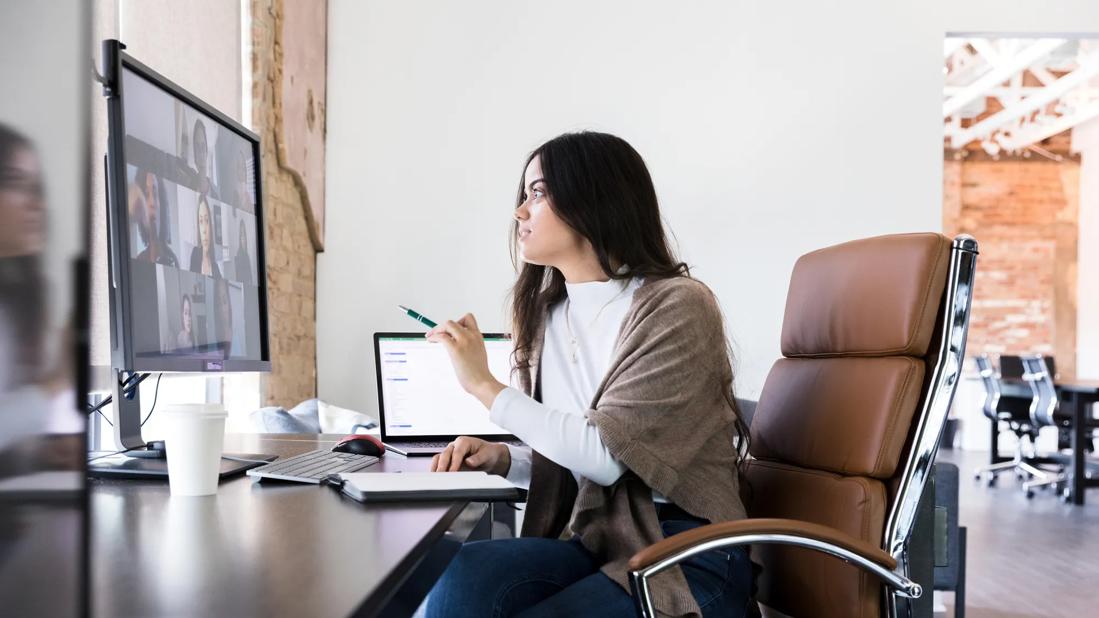
An ergonomic chair will not replace exercise, but it can reduce strain. Adjust your chair so your feet rest flat on the floor or on a footrest. Keep your knees around hip level or slightly lower. Sit with your lower back supported, shoulders relaxed, and elbows close to your body. Your screen should be around eye level so you are not folding yourself into a shrimp shape.
Your chair should support your body, not swallow it. If your feet dangle, your pelvis tilts awkwardly, or your shoulders creep up toward your ears, your setup needs attention.
3. Strengthen Your Glutes Two to Three Times a Week
To prevent office chair butt, you need to train the muscles that sitting neglects. You do not need a gym membership. Start with bodyweight movements and add resistance when they become easy.
Effective glute exercises include:
- Glute bridges: Great for waking up the glutes without loading the spine heavily.
- Bodyweight squats: Helpful for hips, thighs, and glutes when performed with good form.
- Step-ups: Excellent for glute strength and everyday function.
- Reverse lunges: A joint-friendly way to train one leg at a time.
- Clamshells: Useful for targeting the gluteus medius.
- Lateral band walks: A simple move that makes your side glutes wake up quickly.
- Hip thrusts: A powerful glute-building exercise when you are ready for more challenge.
A beginner-friendly routine could be: 2 sets of 12 glute bridges, 2 sets of 10 squats, 2 sets of 8 reverse lunges per side, and 2 sets of 12 clamshells per side. Do this two or three times per week. Progress slowly by adding sets, reps, resistance bands, dumbbells, or more controlled tempo.
4. Stretch the Hip Flexors
If sitting keeps your hips locked in a flexed position, hip flexor stretches can help restore mobility. Try a half-kneeling hip flexor stretch: kneel on one knee, place the other foot in front, gently tuck your pelvis, and shift forward slightly until you feel a stretch at the front of the hip. Hold for 30 to 60 seconds per side.
Do not bounce or force the stretch. Mobility work should feel like a polite conversation with your body, not a courtroom cross-examination.
5. Use a Sit-Stand Strategy, Not Just a Standing Desk
A standing desk can help reduce sitting time, but standing still all day is not the solution either. Your body does best with variety. Alternate between sitting, standing, and walking. The goal is not to replace one static position with another; it is to build more movement into the workday.
A practical rhythm might be 40 minutes sitting, 15 minutes standing, and 5 minutes walking or stretching. Adjust based on your comfort, workload, and body signals.
6. Walk More During the Day
Walking is underrated. It activates the hips, improves circulation, supports cardiovascular health, and gives your glutes more chances to participate in life. Take a short walk before work, after lunch, or after dinner. Even five to ten minutes can help break up sedentary time.
If your schedule is packed, try “movement snacks”: short bursts of walking or stairs throughout the day. Your body does not require every activity session to arrive wearing gym clothes and carrying a protein shaker.
7. Check Your Posture Without Becoming a Statue
Good posture matters, but perfect posture held forever is still a static position. Aim for a comfortable neutral posture most of the time, then change positions often. Sit tall, keep your ribs stacked over your pelvis, relax your shoulders, and avoid perching at the front of the chair for hours.
Move, reset, and move again. That is better than trying to sit “perfectly” until your spine sends a resignation letter.
A Simple 5-Minute Office Chair Butt Reset
Use this quick routine once or twice during your workday:
- Stand and breathe: 30 seconds. Stand tall and take slow breaths.
- Glute squeezes: 15 reps. Squeeze your glutes, pause for two seconds, release.
- Chair squats: 10 reps. Sit back toward your chair, stand up with control.
- Hip flexor stretch: 30 seconds per side.
- Lateral steps: 10 steps each direction. Add a resistance band if available.
- Short walk: 60 to 90 seconds around your room, hallway, or office.
This routine is short enough to fit between meetings and effective enough to remind your glutes they are still on payroll.
Best Exercises To Fix Office Chair Butt
Glute Bridge
Lie on your back with knees bent and feet flat. Press through your heels, lift your hips, squeeze your glutes at the top, then lower with control. Avoid arching your lower back. Start with 2 to 3 sets of 10 to 15 reps.
Step-Up
Use a sturdy step or bench. Place one foot on the step, press through the heel, and stand tall. Lower slowly. Keep the knee tracking over the foot. Do 2 to 3 sets of 8 to 12 reps per side.
Clamshell
Lie on your side with knees bent. Keep your feet together and open the top knee without rolling your hips backward. This targets the side glutes, especially the gluteus medius. Do 2 sets of 12 to 15 reps per side.
Lateral Band Walk
Place a resistance band around your thighs or ankles. Bend your knees slightly, keep your torso steady, and step side to side. You should feel the outer hips working. Do 2 rounds of 10 to 15 steps each direction.
Romanian Deadlift
With light dumbbells or bodyweight, hinge at the hips while keeping your back neutral. Push your hips backward, then drive through the heels to stand. This trains the glutes and hamstrings together. Start light and focus on form.
What Not To Do
Avoid trying to fix office chair butt with one intense weekend workout after five days of motionless sitting. That is like watering a plant once a month with a fire hose. Consistency beats dramatic effort.
Also, do not rely only on a fancy chair, posture cushion, or standing desk. These tools can help, but they cannot replace strength and movement. And do not ignore pain. If discomfort becomes sharp, persistent, or travels down your leg, get professional guidance.
Real-Life Experiences: What Office Chair Butt Feels Like and What Actually Helps
Many people first notice office chair butt in small, almost silly ways. Maybe jeans fit differently. Maybe climbing stairs feels more tiring than it used to. Maybe the lower back starts aching after long laptop sessions. Or maybe during a workout, squats feel like a thigh-only project while the glutes remain emotionally unavailable.
A common experience is the “desk-to-door stiffness.” You sit for several hours, then stand up quickly to answer the door, grab lunch, or sprint toward the microwave before someone else claims it. The first few steps feel strange: hips tight, lower back stiff, glutes asleep, and posture slightly confused. After walking for a minute, things improve. That is a clue that your body needed movement earlier, not after the entire workday had already turned into a chair marathon.
Remote workers often report the biggest surprise. At the office, they used to walk to meetings, parking lots, coffee machines, elevators, and coworkers’ desks. At home, the commute may be 11 steps from bed to laptop. The body loses dozens of tiny movement breaks that used to happen automatically. Over weeks and months, those missing steps add up. The result can be weaker glutes, tighter hips, and a body that feels older than its actual age.
Students can experience the same thing. Long study sessions, gaming, streaming, and scrolling can create a full day of sitting even without a traditional office job. The problem is not one chair or one activity. It is the total amount of stillness. A person can work out for 45 minutes and still feel stiff if the other 15 hours of the waking day are mostly seated.
One practical strategy that works well is the “meeting trigger.” Every time a meeting ends, stand up and do one minute of movement. That could be ten squats, a short walk, a hip flexor stretch, or glute squeezes. Another useful habit is the “bathroom plus lap” rule: after using the bathroom, walk one extra lap around the office or home before sitting back down. It sounds too simple, which is exactly why it works.
People who successfully reverse office chair butt usually stop looking for one perfect exercise and build a system instead. They adjust the chair, take breaks, walk more, train glutes two or three times weekly, and stretch the hips. The results are rarely instant, but they are noticeable: less stiffness, better posture, stronger stairs, improved workouts, and fewer moments of standing up like a rusty folding chair.
The most important experience-based lesson is this: your body listens to what you repeatedly do. If you repeatedly sit still, it adapts to sitting still. If you repeatedly move, strengthen, and change positions, it adapts to that too. Office chair butt is not a life sentence. It is feedback. And fortunately, your glutes are usually very willing to return to work once you stop treating them like decorative cushions.
Conclusion
Office chair butt may have a funny name, but it points to a serious modern habit: too much sitting and not enough movement. Prolonged chair time can reduce glute activation, tighten the hips, contribute to lower-back discomfort, and make your body feel stiff or weak. The solution is refreshingly practical. Move more often, sit better, strengthen your glutes, stretch your hip flexors, and break up long work sessions before your body starts sending sarcastic emails.
You do not need perfection. You need repetition. A few minutes of movement several times a day, plus two or three weekly glute-focused workouts, can make a real difference. Your chair can stay. Just do not let it become your body’s full-time manager.
Note: This article is based on real health, physical activity, and ergonomics guidance synthesized from reputable sources, including Cleveland Clinic, Mayo Clinic, CDC/NIOSH, OSHA, UCLA Health, Johns Hopkins Medicine, Harvard Health, HHS physical activity guidance, and ACE Fitness.
SEO Tags