
There is something deliciously defiant about wearing white in winter. While the weather outside is doing its best impression of a damp wool sock, winter whites stroll in looking polished, calm, and somehow expensiveeven when the outfit includes a sweater you bought on sale and a coat that has seen three seasons of coffee runs. That is the magic of winter whites: they make everyday dressing feel intentional without demanding that you become the kind of person who owns a garment steamer and uses it before 8 a.m.
Winter whites are not just bright white jeans tossed into a January outfit and wished good luck. The look is a family of soft neutrals: ivory, cream, oatmeal, bone, chalk, pearl, ecru, vanilla, warm beige, pale greige, and frosty white. Together, they create an elegant cold-weather palette that works for fashion, home decor, beauty, table styling, and even the tiny daily rituals that make winter feel less like a long gray hallway.
The current obsession with winter whites makes sense. After years of loud trends, viral colors, and maximalist micro-moments, people are craving clothes and spaces that feel peaceful, clean, layered, and lasting. Winter white delivers all of that without looking boring. It is minimal, but not empty. Soft, but not sleepy. Chic, but not trying so hard that it needs a press release.
What Are Winter Whites?
Winter whites are soft, cold-season neutrals that replace the crisp, beachy whites of summer with warmer, richer, more textured shades. Summer white often feels breezy and lightweight: linen shirts, cotton sundresses, white sneakers, seaside towels, and patio umbrellas. Winter white has more depth. It appears in wool coats, cashmere sweaters, knit dresses, shearling jackets, cream trousers, ivory bedding, ceramic vases, boucle chairs, and candlelit dinner tables.
The difference is not just color; it is mood. A stark white sundress in July says, “I brought sunscreen and maybe a paperback.” A winter white turtleneck with wide-leg trousers says, “I understand texture, and yes, I probably know where the good croissants are.” The second outfit may or may not be telling the truth, but it certainly looks convincing.
Winter whites also feel modern because they reject one of fashion’s dustiest rules: no white after Labor Day. That rule has been fading for years, and for good reason. Today, white is no longer trapped in summer. Designers, stylists, and fashion editors regularly use white and ivory as year-round neutrals, especially in layered cold-weather looks. Instead of asking whether white belongs in winter, the better question is: how can you make it look rich, warm, and practical?
Why Winter Whites Feel So Fresh Right Now
Winter wardrobes often fall into a predictable pattern: black coat, dark jeans, gray sweater, black boots, repeat until spring. It works, but after a while, the mirror starts to look like it is buffering. Winter whites break that cycle. They brighten the face of an outfit, create contrast against dark streets and cloudy skies, and make even basic pieces feel styled.
Another reason winter whites are trending is their connection to “quiet luxury,” relaxed minimalism, and capsule dressing. A cream sweater, ivory coat, off-white denim, and pale leather bag can be mixed endlessly without screaming for attention. The palette feels calm and refined, but it does not require designer logos or a bank account that needs its own security team.
Winter whites also photograph beautifully. Against snow, brick, city concrete, evergreen trees, or a moody indoor background, they catch light in a flattering, atmospheric way. They make textures more visible: ribbed knits, brushed wool, suede, faux fur, cable stitching, satin, and quilted cotton all stand out when they sit within the same pale palette.
How to Wear Winter Whites Without Looking Like a Lost Snowman
The secret to wearing winter whites well is variation. Do not worry about matching every shade perfectly. In fact, exact matching can make the outfit feel flat, like a hotel towel with ambition. Mixing ivory, cream, oatmeal, and soft white creates depth. The eye reads the outfit as thoughtful because the tones are related but not identical.
1. Start With One Hero Piece
If head-to-toe white feels intimidating, begin with one strong item: a cream coat, an ivory sweater, white straight-leg jeans, or an off-white knit dress. Let that piece lead the outfit. A cream wool coat over blue jeans and a gray scarf is an easy entry point. White denim with a camel sweater and brown boots feels classic. An ivory turtleneck under a black blazer gives the look structure without becoming too precious.
2. Mix Textures Like a Professional
Texture is the difference between “winter white outfit” and “I accidentally dressed like printer paper.” Pair a chunky cable-knit sweater with smooth satin pants. Wear a wool coat over a ribbed knit dress. Add suede boots, a leather belt, a boucle bag, or a quilted jacket. The more texture you add, the warmer and more dimensional the palette becomes.
3. Use Contrast Wisely
Winter white does not mean every accessory must be pale. Black, chocolate brown, burgundy, navy, charcoal, and deep olive can ground the look. A black belt on a cream sweater dress, brown boots with white jeans, or a navy scarf over an ivory coat adds just enough contrast. Think punctuation, not plot twist.
4. Choose Practical Fabrics
Winter whites can be realistic if you choose fabrics that fit your life. Denim, wool blends, washable knits, coated cotton, and textured outerwear are easier to maintain than delicate silk or paper-thin fabrics. Save the fragile white satin for controlled environments, such as dinner reservations, holiday parties, or any location where tomato sauce is not acting suspicious.
Winter White Outfit Ideas That Actually Work
The Cozy Coffee Run
Try an oatmeal sweater, off-white straight-leg jeans, tan ankle boots, and a cream puffer vest. Add a knit beanie and a small crossbody bag. This outfit feels relaxed but still polished enough for errands, brunch, or casually pretending you did not just buy another candle.
The Office-Friendly Winter White Look
Pair ivory wide-leg trousers with a fine-knit cream turtleneck and a camel or gray coat. Add loafers or low block-heel boots. This formula works because it balances softness with tailoring. The trousers bring structure, the knit adds warmth, and the coat keeps the whole look professional.
The Dinner Outfit
A cream sweater dress with knee-high boots is simple, flattering in mood without needing to be body-focused, and easy to accessorize. Add gold jewelry, a dark coat, and a small bag. For a more dramatic version, try a white satin skirt with a chunky ivory sweater and pointed boots.
The Weekend Uniform
White jeans, a striped knit, a shearling-style jacket, and sneakers or lug-sole boots make an easy weekend outfit. The stripe prevents the palette from feeling too sweet, while the jacket gives it winter credibility. This is the kind of outfit that says, “I may have plans,” even if the plan is walking around Target with emotional purpose.
Winter Whites at Home: Calm, Cozy, and Not Sterile
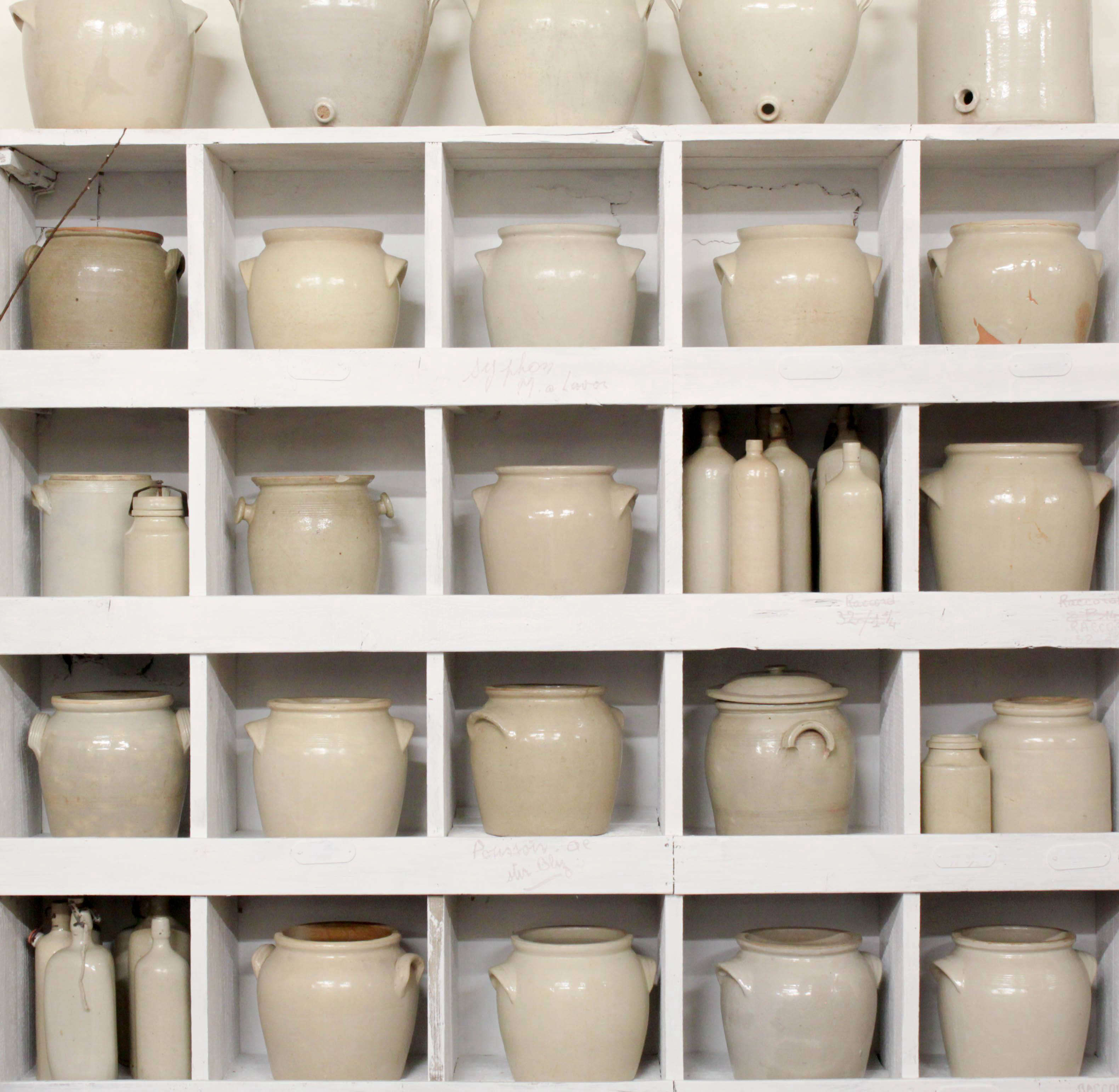
The winter white obsession is not limited to closets. It is equally powerful in home decor. A room layered in cream, ivory, warm white, and natural textures can feel peaceful, bright, and expensive. The key is warmth. A white room without texture can feel cold. A white room with wool, linen, wood, ceramic, rattan, velvet, and soft lighting feels like a deep breath.
For interiors, warm whites usually work better than harsh blue whites, especially in winter when natural light is weaker and cooler. Creamy walls, oatmeal rugs, ivory curtains, white oak furniture, and soft ceramic accessories create a space that feels inviting rather than clinical. Add contrast with dark picture frames, black lamps, bronze hardware, or a deep green plant. A winter white room should feel like a cozy sweater, not a dentist’s office.
Easy Winter White Decor Ideas
Start small with pillow covers, throws, candles, vases, or bedding. A cream chunky-knit throw over a sofa instantly softens a room. Ivory bedding with a quilted coverlet and textured pillows makes a bedroom feel hotel-like without the awkward mini shampoo. White ceramic bowls, frosted glass candle holders, and pale wood trays can brighten a coffee table. If you are setting a winter table, layer white plates with linen napkins, clear glassware, silver or gold flatware, and a few evergreen clippings.
The best winter white interiors have one thing in common: they do not rely on color alone. They rely on touch. Boucle, wool, linen, cotton, stone, marble, plaster, cane, wood, and velvet all help pale rooms feel alive. Without texture, white can feel blank. With texture, it becomes atmosphere.
Beauty and Accessories in the Winter White Mood
Winter whites also influence accessories and beauty. Pearl earrings, ivory hair bows, cream scarves, white leather sneakers, pale suede boots, and soft beige bags all extend the theme without requiring a full monochrome outfit. These details are especially useful when your wardrobe is mostly dark and you want to brighten it without rebuilding everything from scratch.
For nails, milky white, pearl, sheer ivory, and soft chrome finishes fit the winter white mood beautifully. They look clean and seasonal without being flashy. For makeup, the same principle applies: soft shimmer on the eyes, rosy cheeks, clear gloss, or a classic red lip can complement winter white clothing without competing with it.
How to Keep Winter Whites Looking Good
Let us address the obvious: white clothing is brave. It has enemies. Coffee, mud, makeup, pasta sauce, and public transportation all seem personally invested in its downfall. But winter whites are not impossible. They just require a little strategy.
First, choose pieces that can handle real life. Machine-washable knits, sturdy denim, and outerwear with a textured weave are easier to manage than delicate fabrics. Second, keep a stain-removal pen or wipes in your bag if you wear white often. Third, do not wear your most precious ivory trousers on a day involving slush, toddlers with markers, or lunch with red soup. Fashion is fun, but common sense deserves a seat at the table.
For storage, keep white pieces away from direct sunlight and avoid overcrowding them in the closet. Pale fabrics can pick up color transfer from darker items, so give them breathing room. Wash whites according to fabric instructions, and avoid tossing every pale thing into one chaotic laundry democracy. Cream, ivory, and bright white may need different care to stay their best.
Why Winter Whites Feel Emotional, Not Just Stylish
Part of the appeal of winter whites is emotional. Winter can feel heavy: shorter days, bulky coats, darker rooms, and routines that sometimes become repetitive. Winter white brings light back into that landscape. It makes a gray morning feel more deliberate. It turns a simple sweater into a small mood shift. It makes a room feel calmer when the outside world is doing too much.
There is also something optimistic about choosing pale colors in a season known for darkness. Winter whites are not loud, but they are confident. They say, “Yes, I know the sidewalk is questionable, and I am proceeding anyway.” That tiny act of brightness can be surprisingly satisfying.
of Personal-Style Experience: Living With the Winter White Obsession
The first time I really understood winter whites, it was not on a runway or in a glossy editorial. It was on one of those cold mornings when the sky looked like a wet paper towel and everyone on the street seemed to be wearing black, navy, or the same tired gray coat. Then someone walked past in a cream wool coat, white jeans, soft brown boots, and a scarf the color of steamed milk. Nothing about the outfit was loud. No giant logo, no dramatic silhouette, no “please notice me” energy. But it looked fresh. It looked awake. It looked like the person had found a secret cheat code for winter.
That is the experience winter whites offer: they change the mood before they change the outfit. Wearing them feels a little risky at first, especially if you are used to dark clothes in cold weather. You become aware of coffee cups, puddles, door handles, and every mysterious surface in public life. But after the initial panic fades, the look becomes surprisingly easy. A cream sweater works with jeans. White denim works with camel, navy, gray, brown, and black. An ivory scarf makes a tired coat look new. Even a pair of off-white sneakers can make a winter outfit feel lighter.
The best personal discovery is that winter whites do not need perfection. Actually, they look better when they are slightly mixed. A bright white shirt under a cream cardigan. Oatmeal trousers with an ivory coat. A pearl bag against a beige knit. These combinations feel lived-in and natural. They avoid the “matching set from a catalog” effect, which can look a little too polished for everyday life. Real winter white style has movement. It has texture. It has a tiny bit of chaos, preferably controlled.
At home, the obsession is just as addictive. Add one cream throw blanket to a sofa and suddenly the room looks calmer. Switch dark pillow covers for ivory or boucle ones and the whole space feels brighter. Light a white candle on a wooden tray, place it next to a ceramic mug, and congratulations: your coffee table now believes it lives in a boutique hotel. The beauty of winter white decor is that it does not demand a full makeover. Small swaps create a big seasonal shift.
Of course, winter whites come with comic challenges. White sleeves love to meet foundation. Cream rugs attract snack crumbs with suspicious enthusiasm. White jeans have a dramatic relationship with rainy sidewalks. But that is part of the charm. The look is elegant, yes, but it also asks you to pay attention. It turns dressing and decorating into small rituals: brushing lint from a coat, choosing the right scarf, layering a bed, lighting a candle before the evening gets too dark.
That is why winter whites remain a current obsession. They are not just a trend; they are a seasonal reset button. They make winter feel softer, brighter, and more intentional. And in a season that can sometimes feel like one long group project with the weather, that little bit of beauty matters.
Conclusion: Winter Whites Are the Soft Power Move of Cold-Weather Style
Winter whites prove that pale colors are not just for summer vacations, beach houses, or people who never spill anything. When layered with texture, warmth, and practical styling, ivory, cream, oatmeal, and soft white become some of the most useful shades of the season. They brighten dark wardrobes, soften interiors, elevate everyday basics, and bring a sense of calm to winter’s heavier mood.
The easiest way to embrace the trend is to start small. Try a cream sweater, an ivory scarf, white denim, pearl nails, or a textured throw blanket. Then build from there. Mix tones. Add contrast. Choose cozy fabrics. Let winter whites feel lived-in, not fragile. The result is elegant, modern, and surprisingly wearablethe kind of obsession that earns its place in your closet, your home, and possibly your next online shopping cart. No judgment. We have all been there.