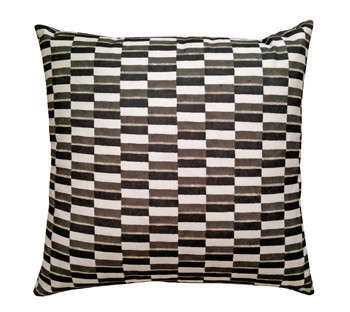

The ZAK+FOX Obi Shi Pillow is not the sort of decorative pillow that politely fades into the background. It has opinions. It has rhythm. It looks like it has read a few design books, visited a textile archive, and still somehow knows how to relax on a sofa without making the room feel like a museum. For anyone who loves artisan textiles, Japanese-inspired patterns, and interiors with a bit of cultured mischief, this pillow represents exactly why ZAK+FOX has earned a cult following among designers and style-focused homeowners.
Originally listed through Hollywood at Home and later archived by Remodelista, the ZAK+FOX Obi Shi Pillow was described as a 20-inch by 20-inch decorative pillow made from 100% linen, double-sided, finished with a knife edge, built with a zipper enclosure, and filled with a Trillium insert. The item is now discontinued, which makes it more interesting for design collectors. Nothing makes a textile lover sit up faster than the phrase “discontinued designer fabric,” except perhaps “limited yardage available,” which is basically the interior design version of a siren song.
But the real story is not only the pillow’s specs. It is the pattern. The broader ZAK+FOX Obi textile draws inspiration from the traditional Japanese obi, the sash worn with kimono. On ZAK+FOX’s current textile page, Obi is described through rhythmic, stacked blocks of color, referencing the symbolic codes once communicated through obi color and knotting. In practical terms, that means the pillow does more than add softness. It adds a visual language: structured, graphic, worldly, and just a little mysterious.
What Is the ZAK+FOX Obi Shi Pillow?
The ZAK+FOX Obi Shi Pillow is a decorative throw pillow made with ZAK+FOX’s Obi pattern in the “Shi” colorway. While the archived retail listing identified the pillow as linen, the current official Obi textile page lists the broader Obi fabric as 100% cotton with a 54-inch width and a repeat of 13 1/2 inches horizontally by 8 inches vertically. That distinction matters because designer pillows often appear in specific runs, materials, or retailer-exclusive versions that differ from later or current textile specifications.
In plain English: the pillow is a collectible decor piece based on a respected textile pattern. It is not just a cushion you toss onto a couch because a room feels empty. It is the kind of pillow that can anchor a sofa arrangement, sharpen a neutral bed, or make a reading chair look like it belongs to someone who has strong coffee, excellent taste, and possibly a subscription to every shelter magazine ever printed.
Key Product Details
- Product name: ZAK+FOX Obi Shi Pillow
- Original retailer: Hollywood at Home
- Status: Discontinued
- Archived size: 20 inches by 20 inches
- Archived material: 100% linen
- Construction: Double-sided with knife edge
- Closure: Zipper enclosure
- Insert: Trillium insert included
- Design inspiration: Traditional Japanese obi sashes
The Design Story Behind Obi
ZAK+FOX, founded by creative director Zak Profera, is known for textiles that behave like tiny travel novels. The brand’s work often pulls from history, folklore, geography, craft traditions, and Profera’s instinct for atmosphere. ZAK+FOX describes itself as a New York City-based textile house specializing in artisan-made fabrics, traditionally printed wallpapers, rugs, and bespoke pillow offerings. Its official “About” page emphasizes storytelling, imagination, collaboration with master artisans, and the idea that every design carries more than material or motif.
That approach explains why Obi feels different from a generic stripe. It is a stripe, yes, but not the “hotel hallway carpet after too much espresso” kind of stripe. Its stacked bars have order, spacing, pause, and movement. The pattern feels graphic enough for modern interiors but rooted enough to avoid looking trendy in the disposable sense. It has the pleasant confidence of something that knows where it came from.
The inspiration is particularly compelling. Traditional obi sashes are not merely decorative accessories; they can signal formality, taste, occasion, craft, and cultural meaning. ZAK+FOX translates that idea into blocks of color that feel coded, intentional, and expressive. The result is a pillow that can carry a room visually without shouting across it like a badly placed neon sign.
Why Designers Like ZAK+FOX Textiles
Interior designers often look for pieces that create depth without clutter. That is where ZAK+FOX shines. The brand’s textiles are widely recognized for combining global references with contemporary scale and a strong narrative point of view. Design publications have repeatedly highlighted Profera’s interest in travel, archive research, Japanese inspiration, antique motifs, and the emotional force of pattern.
For the Obi Shi Pillow, that matters because small decor items can change the mood of a room quickly. A pillow is easy to move, easy to layer, and comparatively less permanent than wallpaper or upholstery. Yet a high-impact pillow made from a designer textile can bring the same intelligence as a larger piece. It is a low-commitment way to introduce pattern, although “low-commitment” may not describe the emotional attachment one develops after finding a discontinued designer pillow.
The Obi pattern also has a useful flexibility. It can read Japanese-inspired, modern, artisanal, earthy, graphic, or eclectic depending on what surrounds it. Put it on a linen sofa and it feels relaxed. Pair it with velvet and antique wood and suddenly it becomes moody and collected. Place it in a minimalist room and it adds rhythm. Add it to a maximalist room and it joins the party without spilling punch on the rug.
How to Style the ZAK+FOX Obi Shi Pillow
The easiest way to style the ZAK+FOX Obi Shi Pillow is to treat it as the strongest pattern in the room and let supporting pillows do backup vocals. If your sofa is plain, Obi can be the main event. If your sofa already has pattern, use Obi as a bridge between colors rather than as a competing statement.
On a Neutral Sofa
A cream, oatmeal, charcoal, tan, or gray sofa gives the Obi Shi Pillow room to perform. Place one 20-inch Obi pillow at the center of a loveseat or pair two on a longer sofa. Add a solid linen pillow in a nearby tone and perhaps a smaller textured cushion in boucle, wool, or velvet. The goal is a layered look that says “designed,” not “every pillow in the store followed me home.”
On a Bed
On a bed, the Obi Shi Pillow works best as an accent in front of sleeping pillows or Euro shams. Because the pattern is structured, it can prevent bedding from looking too soft or overly sweet. Try it with white sheets, a natural linen duvet, and a dark throw folded at the foot of the bed. The pillow becomes the punctuation mark. Without it, the bed is a sentence. With it, the bed has grammar.
On a Reading Chair
A single Obi Shi Pillow on a lounge chair can create a strong design moment. This is especially effective if the chair is upholstered in a solid fabric, leather, mohair, or a quiet woven texture. The pillow adds pattern without requiring new upholstery, which is good news for anyone who has ever priced custom upholstery and then needed a short walk and a calming beverage.
Best Interior Styles for the Obi Shi Pillow
The ZAK+FOX Obi Shi Pillow fits several interior styles because it balances clean geometry with cultural depth. It is especially strong in Japandi rooms, modern rustic interiors, collected eclectic spaces, dark academia-inspired rooms, and warm minimalist homes.
Japandi and Warm Minimalism
In Japandi interiors, which blend Japanese restraint with Scandinavian warmth, the Obi pattern feels natural. Its stacked blocks add structure while the textile quality keeps it from feeling cold. Pair it with pale oak, blackened wood, handmade ceramics, woven shades, and low-profile furniture.
Collected Eclectic Rooms
For eclectic interiors, Obi works as a connector. It can sit near Turkish rugs, antique screens, vintage chairs, plaster lamps, or contemporary art because it has both old-world reference and modern graphic strength. That is the sweet spot: worldly but not costume-like, expressive but not chaotic.
Moody Designer Spaces
ZAK+FOX’s recent showroom and editorial presence often leans into atmosphere: layered, storied, a little cinematic. The Obi Shi Pillow can support that mood beautifully. Try it with dark walls, aged brass, black wood, deep green or oxblood accents, and textured drapery. Suddenly the room feels less like “I painted the walls dark” and more like “a novelist with excellent lamps lives here.”
Material, Texture, and Construction
The archived ZAK+FOX Obi Shi Pillow listing identified the pillow as 100% linen. Linen is beloved in interiors because it has visual texture, soft irregularity, and a natural hand. It rarely looks plastic-perfect, which is part of the charm. A linen decorative pillow can soften sharp furniture lines and add a lived-in quality even in a very polished room.
The pillow’s double-sided construction also matters. A double-sided designer pillow feels more complete and more luxurious than a pillow with a feature fabric only on the front and a plain back. The knife edge gives it a crisp profile rather than a flanged or welted border. The zipper enclosure is practical because it allows the cover to be removed more easily, and the Trillium insert provides a full, comfortable shape without the stiffness that sometimes haunts cheaper inserts like a tiny upholstery ghost.
Is the ZAK+FOX Obi Shi Pillow Still Available?
The archived listing marks the ZAK+FOX Obi Shi Pillow as discontinued. That means shoppers are unlikely to find it through the original retailer in the same form. However, because ZAK+FOX’s Obi textile remains part of the brand’s design universe and because designer fabric pillows often circulate through vintage, resale, custom pillow, and decorator channels, similar Obi pillows or covers may appear occasionally.
When shopping for a discontinued designer pillow, look closely at dimensions, fabric content, insert inclusion, closure type, condition, and whether the pillow is single-sided or double-sided. A listing that says “ZAK+FOX Obi fabric” may not be the same as the original Obi Shi Pillow. It could be a custom-made cover using Obi yardage, a different colorway, a different backing, or a different size. That is not necessarily bad, but it is worth knowing before paying collector-level prices.
How to Care for a Designer Pillow Like This
Care should always follow the specific label on the pillow or fabric. The current official Obi textile page lists machine washing up to 30 degrees Celsius for the broader Obi fabric, while many custom designer pillows are still best handled gently because inserts, seams, backing fabrics, trims, and dyes may vary. For an archived linen pillow, cautious care is smart.
For everyday upkeep, fluff the pillow regularly, rotate it so one side does not take all the wear, and keep it out of harsh direct sunlight if fading is a concern. Spot clean carefully with a clean cloth and mild solution only when appropriate. For deeper cleaning, professional cleaning is often the safer choice, especially for discontinued textiles. Treat it like a small piece of art that happens to be comfortable enough to lean against during a movie.
Buying Advice: What to Check Before Purchasing
If you find a ZAK+FOX Obi Shi Pillow or a similar Obi pillow on the resale market, do not rush. Ask for clear photos of the front, back, seams, zipper, corners, and label if available. Confirm whether the insert is included and what type it is. Ask if the pillow is double-sided, because that was part of the archived Obi Shi Pillow description. Also confirm the size. A 20-inch square pillow has a different presence than a 12-by-16 lumbar or 14-by-24 accent pillow.
Condition is especially important. Light wear can be normal for a textile item, but stains, fading, odor, weak seams, or zipper problems should affect the price. If the seller describes the pillow as “rare,” that may be true, but rare does not automatically mean flawless. A rare pillow with mystery stains is still a pillow with mystery stains, and mystery is best reserved for novels and dramatic lighting.
Experience Notes: Living With a Pillow Like the ZAK+FOX Obi Shi Pillow
There is a particular pleasure in bringing a designer textile pillow into a room because it changes the space immediately without requiring a contractor, a permit, or a family meeting. The ZAK+FOX Obi Shi Pillow is the kind of piece that can make an ordinary sofa feel more intentional in about seven seconds. You place it, step back, tilt your head, move it two inches, and suddenly the room looks as if someone with taste has been quietly supervising all along.
In a living room, the first thing you notice is the rhythm. The Obi pattern has a stacked, graphic quality that gives furniture more structure. If a sofa feels too soft or visually blank, this pillow can sharpen it. That does not mean the room becomes severe. Quite the opposite: the natural textile quality keeps the pattern from feeling cold. It has enough personality to be noticed but not so much that guests feel the pillow is judging their shoes.
On a bed, the experience is slightly different. The Obi Shi Pillow acts like a tailored jacket thrown over casual clothes. It makes relaxed bedding look finished. Even simple white sheets and a rumpled linen duvet feel more designed when a strong patterned pillow sits in front. This is especially helpful for people who like minimal bedrooms but still want one detail that prevents the room from looking like a very polite guest suite.
The pillow also teaches a useful decorating lesson: one strong accessory can be better than five timid ones. Many rooms suffer from what might be called “small beige object syndrome,” where everything is tasteful but nothing has energy. A pillow like this solves that problem because it introduces pattern, story, and contrast all at once. Instead of adding more decor, you add a better focal point.
Another real-life advantage is flexibility. You can move the pillow from sofa to chair, from chair to bed, from bed to entry bench, and it will keep finding new ways to make sense. That is the mark of a good textile. It does not only match one room; it starts conversations with several rooms. In a home with wood tones, woven textures, ceramics, antique pieces, or modern silhouettes, Obi can move around like a stylish guest who gets along with everyone.
Of course, owning a discontinued designer pillow also comes with a tiny bit of responsibility. You may become the sort of person who says, “Please don’t eat salsa near that pillow,” and honestly, that is understandable. Special textiles deserve reasonable care. They are meant to be used and enjoyed, but they do not need to participate in every snack-related emergency. Keep it fluffed, keep it clean, and give it a place where its pattern can breathe.
The best experience of all is emotional: the pillow feels collected rather than simply purchased. It suggests curiosity. It hints at travel, craft, textile history, and a designer’s eye for translating cultural inspiration into contemporary decor. That is why the ZAK+FOX Obi Shi Pillow remains interesting even after being discontinued. It is not just a square of fabric with filling inside. It is a small, useful design object with a story stitched into it.
Final Thoughts
The ZAK+FOX Obi Shi Pillow is a strong example of how a decorative pillow can carry real design weight. Its archived details show a thoughtfully made piece: 20 inches square, double-sided, knife-edged, zippered, filled with a Trillium insert, and made from 100% linen. Its pattern connects to the broader ZAK+FOX Obi textile, a graphic design inspired by traditional Japanese kimono sashes and their coded visual language.
For collectors, designers, and homeowners who want interiors with more texture and story, this pillow is worth knowing. It works because it is not merely pretty. It has structure, background, craft, and personality. It can dress up a neutral sofa, sharpen a bed, energize a reading chair, or help a room feel layered without making it look overcrowded. In the crowded world of throw pillows, the ZAK+FOX Obi Shi Pillow has something rare: a reason to exist beyond matching the curtains.
SEO Tags