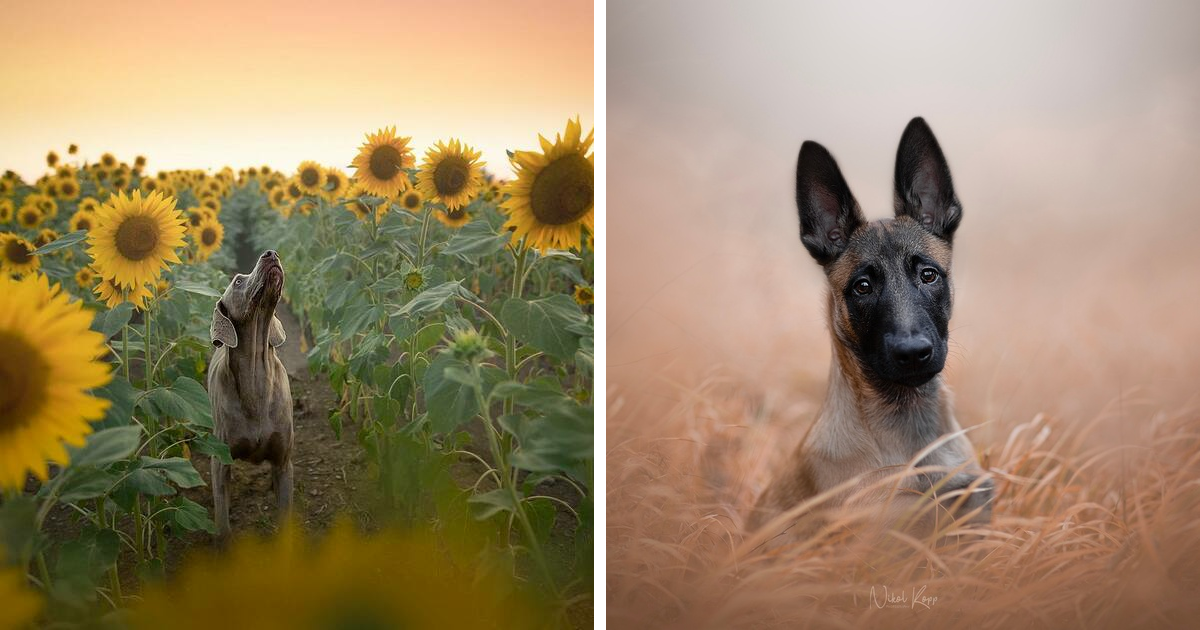

There is a particular kind of magic that happens when a dog forgets the camera exists. The ears flop, the eyes sparkle, the paws launch in four different directions, and suddenly the photograph is not just a picture of a pet. It becomes a tiny biography written in fur, mud, sunlight, and one very suspicious squeaky toy.
Dog photography is more than asking a pup to sit, stay, and look dignified for exactly 0.7 seconds. It is the art of capturing personality before it runs off to chase a leaf. In the spirit of the joyful dog portraits made popular by photographers such as Nikol Kopp, whose whimsical canine images celebrate expressive, fairy-tale-like moments, this article explores why joyful dog photography has such a strong emotional pull, how photographers capture those soulful expressions, and what makes a great dog portrait feel alive.
Dogs are not models in the traditional sense. They do not care about angles, brand identity, or whether their left side is more “editorial.” They care about smells, snacks, humans, squirrels, and whether the photographer is trustworthy. That is exactly why photos of dogs can feel so honest. A dog rarely performs fake joy. When you see it, you know it is real.
Why Joyful Dog Photography Connects So Deeply
Americans do not simply own pets; many people consider them family. Pew Research Center has reported that nearly all U.S. pet owners say their pets are part of the family, and recent pet industry data shows dog ownership continuing to grow in U.S. households. That emotional closeness explains why dog portraits are not treated like casual snapshots anymore. They are framed, printed, posted, gifted, and sometimes displayed with more pride than graduation photos. Sorry, cousin Kevin.
A joyful dog portrait captures what words often fail to describe: loyalty, mischief, curiosity, comfort, and full-throttle happiness. One image of a Samoyed smiling in golden light can say, “This is my best friend,” better than a paragraph ever could. A photo of a muddy Labrador mid-sprint can preserve the exact brand of chaos that makes a dog unforgettable.
The Soul Is in the Details
Great pet photography is often built from tiny details. A tilted head. A half-closed happy eye. A paw lifted in uncertainty. A tongue escaping dramatically from one side of the mouth. These details reveal temperament. Some dogs are comedians. Some are philosophers. Some look as if they have just discovered taxes.
The most memorable dog photos do not always come from perfect poses. They come from watching carefully and reacting quickly. The photographer’s job is to recognize the moment when a dog’s personality rises to the surface and press the shutter before the moment turns into a blur of tail and dust.
The Inspiration Behind Whimsical Dog Portraits
The title “I Love Capturing The Joyful Souls Of Dogs Through My Photography (62 Pics)” reflects a style of dog photography that celebrates dogs as emotional, expressive beings rather than accessories in cute scenes. The original Bored Panda feature introduced Nikol Kopp, a Czech photographer who connected her lifelong love of photography and dogs with her own Samoyed, Herriet. Her work shows how one dog can open the door to an entire creative world.
This kind of photography often feels dreamy without becoming artificial. Forest paths, flower fields, snow, soft backlight, and expressive canine faces create a fairy-tale mood. But the heart of the image is still the dog. The setting supports the personality; it does not swallow it.
Why Dogs Look So Good in Natural Settings
Dogs belong in movement. Even the smallest lapdog carries a little wolf-shaped drama in its posture. Natural environments give dogs room to stretch, sniff, leap, roll, and make questionable decisions involving puddles. Outdoor dog photography also gives photographers beautiful tools: soft morning light, warm evening glow, textured grass, colorful leaves, and backgrounds that feel alive.
Natural light is especially flattering because it keeps fur texture soft and eyes bright. Harsh flash can flatten a dog’s expression or make the image feel forced. Soft daylight, shade, window light, and overcast skies often create a more relaxed look. In dog portrait photography, relaxed almost always beats rigid.
Reading Dog Body Language Before Pressing the Shutter
A joyful dog photo begins with a comfortable dog. That sounds obvious, but it is the difference between a soulful portrait and a picture of a dog silently filing a complaint with management.
Dog body language can be subtle. The American Kennel Club explains that a wagging tail does not always mean happiness; it can also signal arousal, uncertainty, or tension. A relaxed dog often shows soft eyes, loose posture, an open expression, and a body that seems flexible rather than stiff. Best Friends Animal Society also notes that stress signals can include lip licking, yawning, panting when it is not hot, looking away, or freezing.
For photographers, these signs matter. A dog that feels safe will offer authentic expressions. A dog that feels pressured may shut down, avoid eye contact, or become overly excited. The goal is not to force joy. The goal is to create the conditions where joy shows up on its own, preferably before the dog eats the prop.
Comfort Comes Before Composition
Before worrying about aperture, shutter speed, or background blur, a photographer should ask: Is the dog comfortable? Does the dog understand the space? Is the handler calm? Are there distractions nearby? Is the dog too hot, tired, or overstimulated?
A good dog photographer works with the animal, not against it. Some dogs need a few minutes to sniff the location. Some need treats. Some need toys. Some need the photographer to stop making enthusiastic dolphin noises. Every dog is different, and respecting those differences is part of the craft.
How Photographers Capture Joyful Dog Souls
Capturing the joyful soul of a dog is both technical and emotional. Yes, camera settings matter. But timing, empathy, patience, and play matter just as much.
1. Get Low and Enter the Dog’s World
One of the simplest ways to improve dog portraits is to photograph from the dog’s eye level. Shooting downward can make a dog look small or distant. Getting low creates intimacy and gives the viewer the feeling of meeting the dog face-to-face.
This perspective also adds power. A tiny terrier photographed from ground level can look like the mayor of the meadow. A golden retriever running toward the camera can feel heroic, even if the hero’s main mission is stealing a tennis ball.
2. Focus on the Eyes
The eyes carry the emotional weight of a dog portrait. Sharp eyes make the image feel present and alive. Soft eyes, catchlights, and relaxed expression can turn a simple photo into something memorable. If the eyes are dull or out of focus, even a beautiful background cannot fully rescue the image.
Photographers often look for light that creates small highlights in the eyes. These catchlights add sparkle and help the dog feel connected to the viewer. It is the difference between “nice dog photo” and “I would like to know this dog’s life story.”
3. Use Movement to Reveal Personality
Some dogs are calm portrait artists. Others are furry rockets with opinions. Action photography allows energetic dogs to be themselves. Running, jumping, spinning, shaking water from their coat, or catching a toy can reveal pure happiness.
For action shots, photographers generally need faster shutter speeds and reliable focus. But the emotional ingredient is anticipation. A dog’s leap lasts only a fraction of a second. The photographer must learn the rhythm of the dog: the crouch before the sprint, the glance before the chase, the bounce before the pounce.
4. Let Imperfection Stay Charming
Dog photography is not supposed to be sterile. A little mud, wind, slobber, crooked ear, or goofy face can make the portrait stronger. Dogs are not marble statues. They are living, snorting, tail-powered personality machines.
Some of the best images happen right after the “perfect” pose collapses. The dog sneezes. The ears fly. The handler laughs. The dog looks directly into the camera with a face that says, “I meant to do that.” That is the photograph people remember.
What Makes a Dog Photo Feel Soulful?
A soulful dog photo is not only cute. Cute is easy. Put a puppy in a basket and the internet will politely lose its mind. Soulful is deeper. It shows mood, relationship, and individuality.
A soulful dog portrait may show a senior dog resting in soft light, eyes wise and gentle. It may show a rescue dog learning to trust again. It may show a young border collie vibrating with purpose. It may show a bulldog looking like a retired boxing coach who has seen too much.
The soul appears when the photographer pays attention to who the dog is, not just what the dog looks like.
Expression Beats Perfection
Perfect lighting is wonderful. Perfect composition helps. But expression is king. A technically flawless photo of a bored dog will not move people the way a slightly messy photo of a delighted dog can.
That is why photographers often use sounds, toys, treats, and playful interaction. The goal is not just to make the dog look at the camera. The goal is to create curiosity, excitement, or connection. A good head tilt is worth its weight in biscuits.
Tips for Taking Better Joyful Dog Photos at Home
You do not need a professional studio to capture meaningful pictures of your dog. A smartphone, patience, and decent light can go a long way. The real secret is slowing down enough to notice your dog’s personality.
Choose Soft Light
Photograph near a window, in open shade, or during early morning or late afternoon. Avoid harsh midday sun, which can create strong shadows and make dogs squint. Overcast days are surprisingly excellent for pet photography because the clouds act like a giant softbox.
Keep the Background Simple
A cluttered background steals attention. Before taking the photo, scan the frame. Move laundry, trash cans, bright distractions, or mystery objects that will later make viewers ask, “Is that a garden hose or a snake?”
Use Treats Wisely
Treats can help, but timing matters. If you bring them out too early, some dogs become snack-obsessed and forget their acting career. Use approved treats, toys, or sounds to get attention, then reward generously. Always check with the owner before feeding a dog anything.
Be Patient and Keep Sessions Short
Dogs get tired, distracted, hot, or bored. Short, positive sessions work better than long, demanding ones. End while the dog is still happy. A good photo session should feel like play, not jury duty.
The Emotional Value of Dog Photography
Dog portraits become more precious with time. Puppies grow into adults. Adults become seniors. The gray appears around the muzzle. The wild zoomies slow into gentle walks. A photograph freezes the chapter before it changes.
This is why many owners invest in professional dog photography. They are not just buying images. They are preserving the look, spirit, and companionship of a dog who has become part of their daily life. The muddy paws, the couch stealing, the dramatic sighs, the loyal eyesall of it matters.
Photographs also help rescue animals. Adobe’s guide to animal adoption photography notes that strong pet images can help potential adopters understand an animal’s personality before meeting them. A clear, warm, expressive photo may encourage someone to stop scrolling and consider giving a dog a home.
Behind the Lens: The Funny Reality of Photographing Dogs
For every magical dog portrait, there are probably 47 outtakes. One dog blinks. Another turns around. A third runs directly into the photographer’s lap. Someone’s leash becomes tangled. A toy squeaks at the wrong time. A majestic pose is interrupted by the urgent need to sniff one very important blade of grass.
That chaos is not a problem. It is part of the story. Dog photography teaches humility faster than almost any genre. You can plan the location, light, lens, and pose. The dog may still decide that the best artistic choice is to roll in something suspicious.
And yet, that unpredictability is exactly what makes the work joyful. Dogs bring honesty to the frame. They do not fake mystery. They do not ask to review the images. They do not complain that their nose looks big, even when it absolutely fills half the photo.
Experience Section: What Capturing Joyful Dog Souls Teaches You
Spending time photographing dogs teaches lessons that reach beyond photography. The first lesson is patience. Dogs operate on their own schedule, which is usually based on scent, excitement, comfort, and whether something nearby might be edible. You may arrive with a shot list, but the dog arrives with a nose. The nose often wins.
The second lesson is presence. To capture a joyful dog, you have to watch closely. You learn to notice when the ears relax, when the eyes soften, when the tail changes rhythm, and when the dog is about to burst into movement. You become less obsessed with controlling every detail and more interested in responding to what is happening. That mindset makes the photographs feel more honest.
Another important experience is learning that every dog has a different emotional language. A confident husky may stare into the lens like a snow-covered movie star. A shy rescue dog may need space, quiet, and time before offering even one soft glance. A puppy may deliver nothing but chaos for twenty minutes and then suddenly sit in perfect light with the expression of a tiny philosopher. The photographer must adapt, not demand.
There is also a deep joy in seeing owners react to the finished images. Many people know their dogs are beautiful, funny, or soulful, but a strong photograph lets them see those qualities from the outside. They recognize the familiar sparkle in the eyes or the ridiculous grin that appears before a game of fetch. Sometimes they laugh. Sometimes they get emotional. Often, they say, “That is exactly my dog.” For a photographer, that sentence is the trophy.
Photographing dogs also creates a healthy respect for imperfection. A windblown ear, a wet nose print on the lens, or a crooked sit can become the best part of the image. Human portrait sessions often chase polish. Dog sessions remind us that personality is better than polish. A joyful dog does not need to look flawless. A joyful dog needs to look real.
Finally, dog photography teaches gratitude. Dogs live intensely in the moment. They do not save happiness for later. They find it in a ball, a walk, a patch of sun, a beloved voice, or a field that smells like every fascinating creature in county history. Capturing that joy through photography is a way of honoring it. The camera becomes less like a machine and more like a memory net, catching the bright, fleeting proof that dogs make ordinary life softer, funnier, and much more alive.
Conclusion
I Love Capturing The Joyful Souls Of Dogs Through My Photography (62 Pics) is more than a charming title. It describes why dog photography continues to resonate with pet lovers everywhere. A joyful dog portrait celebrates trust, movement, humor, and love. It reminds us that dogs are not just subjects in front of a lens; they are companions with moods, quirks, preferences, and emotional depth.
The best dog photography begins with respect. Read the dog’s body language. Create comfort. Use soft light. Get low. Focus on the eyes. Welcome the unexpected. Whether you are photographing a professional canine model or your own couch-loving snack detective, the goal is the same: capture the spirit, not just the shape.
Because when a dog’s joyful soul shines through a photograph, the image does something wonderful. It makes people smile before they even realize they are smiling. And honestly, in a world with enough serious faces, that is a pretty noble job for one wagging tail.