
Chinchillas look like someone crossed a tiny rabbit, a cartoon cloud, and a luxury throw pillow. But behind that ridiculously soft fur is a sensitive, high-energy exotic pet with very specific needs. Caring for a chinchilla is not difficult once you understand the basics, but it is definitely not the same as caring for a hamster, guinea pig, or “small pet that eats whatever is in the bowl.” Chinchillas need cool temperatures, a fiber-rich diet, safe chewing options, dust baths instead of water baths, and patient handling that respects their prey-animal instincts.
This guide covers the five most important ways to care for chinchillas at home. Whether you are preparing for your first chinchilla or trying to improve your current setup, these chinchilla care tips will help you build a healthier, calmer, and more entertaining life for your fluffy little acrobat.
1. Build a Safe, Cool, and Spacious Chinchilla Habitat
The first rule of chinchilla care is simple: their home matters. A chinchilla may be small, but it is active, athletic, and built for jumping. A cramped cage is like asking a professional dancer to practice in an elevator. Technically possible? Maybe. Good idea? Absolutely not.
Choose a large multi-level cage
A good chinchilla cage should provide vertical space, sturdy platforms, and room for jumping. Multi-level metal cages are popular because they allow chinchillas to climb, hop, and explore. Avoid cages with plastic shelves or accessories that can be chewed and swallowed. Chinchillas are enthusiastic chewers, and “Is this edible?” is one of their favorite scientific investigations.
Use solid flooring or cover wire floors with safe, chew-resistant surfaces to protect the feet. Constant pressure on wire can contribute to sore feet and discomfort. Add a hideout, hay rack, food dish, water bottle or water bowl, and safe chew toys. A hiding space is especially important because chinchillas are prey animals; they feel safer when they have a private spot to retreat to when the world gets too loud, too bright, or too full of humans saying, “Aww, come here!”
Keep temperatures cool and stable
Chinchillas are highly sensitive to heat. Their dense coats make them excellent at staying warm but terrible at cooling down. A comfortable chinchilla room is generally cool, dry, and well-ventilated. Keep the cage away from direct sunlight, radiators, fireplaces, humid rooms, and drafty windows. Heat stress can become serious quickly, so air conditioning may be necessary in warm climates.
Humidity also matters. Damp air can make it harder for a chinchilla’s coat to stay healthy and can increase discomfort. A cool, dry room is usually better than a warm, steamy one. In other words, the bathroom after a hot shower is not a chinchilla spa. It is a tiny fur sauna, and your chinchilla did not book that appointment.
Clean regularly, but avoid harsh fumes
Spot-clean the cage daily by removing soiled bedding, old hay, and droppings. Do a deeper clean weekly or as needed, depending on cage size and the number of chinchillas. Use pet-safe cleaning methods and make sure everything is fully dry before returning your chinchilla to the habitat. Strong chemical fumes, scented sprays, and dusty bedding can irritate the respiratory system, so keep the environment clean without turning it into a perfume counter.
2. Feed a High-Fiber Chinchilla Diet
A healthy chinchilla diet is built around one superstar ingredient: grass hay. Chinchillas are herbivores, and their digestive system is designed for high-fiber foods. Hay supports healthy digestion and helps wear down their continuously growing teeth. Without enough chewing, dental problems can develop, and dental disease in chinchillas can become painful and complicated.
Make hay the main course
Offer unlimited, fresh grass hay every day. Timothy hay is a common choice, but orchard grass, meadow hay, and other appropriate grass hays may also be used. Hay should smell fresh, not moldy or dusty. Store it in a dry, ventilated place and replace soiled hay rather than leaving old piles in the cage like a sad salad from last week.
Hay is not just food; it is also enrichment. Chinchillas spend time pulling, sorting, chewing, and nibbling through strands. This keeps them busy and supports natural behavior. If your chinchilla is picky, try offering different textures or varieties of grass hay. Some chinchillas have the refined opinions of tiny restaurant critics.
Use chinchilla pellets carefully
High-quality chinchilla pellets can provide vitamins and minerals, but pellets should not replace hay. Choose a uniform pellet made specifically for chinchillas rather than colorful mixes with seeds, dried fruit, or mystery crunchy bits. Mixes encourage selective feeding, meaning the chinchilla eats the tasty pieces and ignores the balanced nutrition. It is the small-pet version of eating marshmallows out of cereal and calling it breakfast.
Many adult chinchillas do well with a small measured portion of pellets each day, but the exact amount depends on age, weight, health, and veterinary guidance. Overfeeding pellets or treats can contribute to obesity and digestive upset.
Be careful with treats and fresh foods
Chinchillas are sensitive to sugar and rich foods. Treats should be tiny, occasional, and chinchilla-safe. Avoid dried fruit, nuts, seeds, grains, candy, dairy, and processed human snacks. Fresh greens may be offered carefully when appropriate, but introduce any new food slowly and watch for changes in droppings, appetite, or behavior.
Clean, fresh water should always be available. Check water bottles daily to make sure the spout works, and clean bottles or bowls often. A water bottle that looks full but does not release water is a silent problem, so test it with your finger instead of assuming it is fine.
3. Provide Dust Baths, Not Water Baths
If there is one chinchilla care fact every owner must know, it is this: chinchillas bathe in dust, not water. Their fur is incredibly dense, and when it gets wet, it can take a long time to dry. Moisture trapped near the skin may contribute to irritation or fungal issues. So no bubble baths, no shampoo sessions, and definitely no “quick rinse in the sink.” Your chinchilla is not a teacup poodle.
Use proper chinchilla dust
Use commercially available chinchilla dust, not beach sand, garden dirt, clay from the yard, or random powder from the garage. Proper dust helps absorb oils and moisture from the coat. Place it in a stable dust bath container that is large enough for your chinchilla to roll around comfortably. Watching a chinchilla dust bathe is one of the great joys of pet ownership. It looks like a tiny furry tornado discovering interpretive dance.
Offer dust baths on a routine
Most chinchillas need dust baths several times per week, though frequency may depend on climate, humidity, coat condition, and veterinary advice. Some guidance recommends short daily access, while other care guides suggest a few sessions per week. The key is balance. Too little dust bathing can leave the coat oily; too much dusty exposure may irritate the eyes or respiratory system, especially in poorly ventilated areas.
Offer the bath for a limited time, then remove it. Do not leave the dust bath in the cage all day, because it can become contaminated with urine, droppings, and bedding. Replace or sift the dust as needed and keep the bath container clean. A dust bath should be a grooming tool, not a litter box with marketing.
Never use water unless directed by a veterinarian
There may be rare medical situations where a veterinarian gives specific cleaning instructions, but routine water bathing is not part of normal chinchilla care. If your chinchilla becomes sticky, wet, greasy, or dirty in a way a dust bath cannot fix, contact an exotic pet veterinarian before improvising.
4. Support Exercise, Chewing, and Enrichment
Chinchillas are intelligent, curious, and active. A bored chinchilla may chew unsafe items, become stressed, or develop repetitive behaviors. Enrichment is not a luxury; it is part of responsible chinchilla care.
Offer safe chew toys
Because chinchilla teeth grow continuously, chewing is essential. Provide safe wooden chews, pumice stones, hay-based toys, and other chinchilla-appropriate items. Avoid treated wood, painted toys, plastic pieces, and anything that can splinter dangerously. Applewood and other pet-safe woods are commonly used, but always confirm that any chew item is safe for chinchillas before offering it.
Rotate toys to keep your chinchilla interested. A toy that is ignored on Monday may become the most fascinating object in the universe on Thursday. Chinchillas are mysterious like that.
Create supervised playtime
Out-of-cage exercise can be excellent, but it must be supervised. Chinchillas chew cords, baseboards, furniture, books, houseplants, and anything else that whispers, “Try me.” Before playtime, chinchilla-proof the room. Remove electrical cords, block small gaps, close doors, keep other pets away, and remove unsafe plants or objects.
Keep play sessions in a cool area. Exercise warms the body, and chinchillas can overheat. Avoid plastic exercise balls, which may limit ventilation and create stress or heat risk. A safe playpen or chinchilla-proofed room is usually a better option.
Respect natural behavior
Chinchillas are most active during evening and early morning hours. They may nap during the day and become bouncy at night, often right when the house gets quiet. This is normal. Place the cage where your chinchilla can rest during daylight hours but still be part of household life.
Give your chinchilla hiding places, ledges, tunnels, and safe climbing opportunities. Enrichment should encourage chewing, exploring, hiding, and movement. A well-designed environment keeps the body active and the mind busy.
5. Handle Gently and Watch for Health Problems
Chinchillas can bond with people, but many are not naturally cuddly. Some enjoy being stroked; others prefer to interact on their own terms. Think of them less like teddy bears and more like tiny roommates with boundaries.
Use patient, low-stress handling
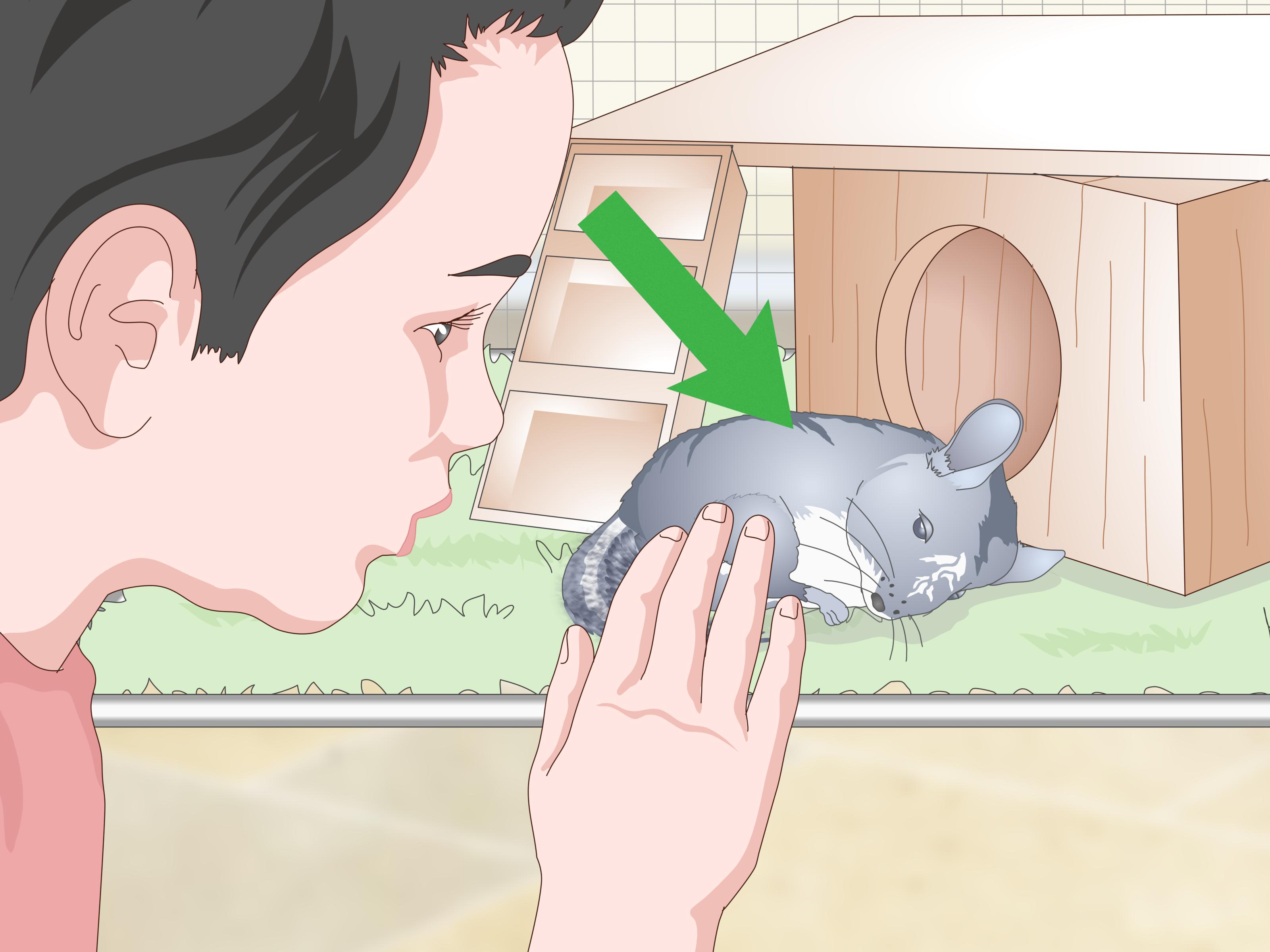
Approach calmly and avoid grabbing from above, which can feel frightening to a prey animal. Let your chinchilla sniff your hand, climb voluntarily, and learn that interaction is safe. Support the body carefully when lifting, and never pull the tail or squeeze the fur. Chinchillas can release patches of fur when frightened or handled roughly, a defense response known as fur slip.
Children should be supervised closely. A chinchilla’s delicate body can be injured by squeezing, dropping, or chasing. Teach everyone in the household that gentle handling is not optional; it is the entrance fee to chinchilla friendship.
Find an exotic pet veterinarian
Before an emergency happens, locate a veterinarian who treats chinchillas or exotic companion mammals. Not every small animal veterinarian has experience with chinchilla dental disease, digestive issues, respiratory concerns, or heat stress. Annual wellness exams can help catch problems early and give you a chance to review diet, weight, teeth, coat, and habitat setup.
Know warning signs
Contact a veterinarian if your chinchilla stops eating, produces fewer droppings, drools, loses weight, has wet fur around the mouth, develops eye discharge, breathes noisily, seems weak, has diarrhea, sits hunched, or acts unusually quiet. Because chinchillas are prey animals, they may hide illness until it is serious. A “wait and see” approach can be risky when appetite or droppings change.
Pay special attention to teeth. Overgrown or misaligned teeth can cause pain, drooling, picky eating, weight loss, and digestive problems. A hay-based diet and safe chewing help reduce risk, but dental disease can still occur and needs veterinary care.
Common Chinchilla Care Mistakes to Avoid
Even loving owners can make mistakes, especially when chinchillas are marketed as easy starter pets. They are wonderful companions, but they are not low-maintenance decorations with whiskers. Avoid these common errors:
- Giving water baths: Dust baths are the correct grooming method for healthy chinchillas.
- Feeding too many treats: Sugar-rich foods can upset digestion and encourage picky eating.
- Keeping the room too warm: Heat stress is dangerous for chinchillas.
- Using unsafe cage materials: Plastic, treated wood, and flimsy accessories can create chewing hazards.
- Skipping veterinary care: Exotic pets need qualified medical support, not guesswork from social media.
Extra Experience: Real-Life Lessons From Caring for Chinchillas
One of the biggest lessons in caring for chinchillas is that they thrive on routine. A chinchilla may look like a spontaneous ball of fluff, but daily rhythm matters. Feeding hay at the same time, refreshing water every day, offering playtime in the evening, and keeping dust baths predictable can make a chinchilla feel secure. When the environment is consistent, many chinchillas become more confident and curious.
Another practical experience is that chinchilla-proofing a room always takes longer than expected. You may think the room is safe, and then your chinchilla immediately identifies the one exposed cord behind the bookshelf like a tiny safety inspector with a chewing license. Before playtime, get down to floor level and look for gaps, cords, loose trim, fabric edges, paper, and anything that could be bitten. If you would not want it tested by sharp little teeth, move it.
Dust baths are also more dramatic than beginners expect. A new owner might imagine a polite little roll in the dust. In reality, many chinchillas dive in, flip, twist, kick, and launch dust into the surrounding area like they are filming an action scene. A covered bath house helps reduce the mess, but some dust will escape. Place the bath in an easy-to-clean area and accept that chinchilla ownership includes a light decorative coating of volcanic-looking powder now and then.
Feeding teaches patience too. Some chinchillas act personally offended when offered a new hay texture. Others enthusiastically scatter hay everywhere and then eat the one strand that landed outside the feeder. The goal is not a perfectly tidy cage; the goal is a healthy animal with constant access to quality fiber. A little mess is normal. Mold, dampness, and old food are not.
Handling is another area where experience matters. Many chinchillas do not want to be scooped up immediately, especially in a new home. Trust builds through small, repeated interactions. Sit near the cage. Speak quietly. Offer safe treats sparingly by hand. Let the chinchilla approach. Over time, some will climb onto your arm or shoulder. Others may prefer brief petting and then bounce away like they suddenly remembered an important appointment. Both personalities are normal.
Finally, experienced chinchilla owners learn to watch subtle changes. A chinchilla that skips food, produces fewer droppings, hides more than usual, or seems less energetic may be signaling a health issue. Because these animals can hide illness, small changes deserve attention. Keeping a simple care log can help: note appetite, droppings, weight, dust bath schedule, and unusual behavior. It may sound overly organized, but when something changes, those notes can be extremely helpful for your veterinarian.
The best chinchilla care combines knowledge with observation. Learn the rules, then learn your individual pet. Some chinchillas are bold comedians. Some are shy philosophers. Some rearrange their cage at midnight with the confidence of interior designers. When you respect their needs and personality, chinchillas become fascinating, long-lived companions with charm far bigger than their bodies.
Conclusion
Caring for a chinchilla means creating the right balance of cool housing, high-fiber nutrition, dust bathing, safe enrichment, and gentle health monitoring. These pets are charming, funny, and surprisingly opinionated, but they depend on thoughtful care to stay healthy. Give them unlimited grass hay, a safe multi-level cage, proper chinchilla dust, chew-friendly enrichment, supervised playtime, and access to an exotic pet veterinarian. Do that, and your chinchilla has a much better chance of living a happy, active life full of hops, rolls, and dramatic dust-bath performances.