“What’s Really Going On”: Internet In Disbelief Over Food Served At Paris Olympic Village

Paris is the city of buttery croissants, elegant bistros, impossibly photogenic pastries, and people who can make a baguette look like a personality trait. So when the 2024 Paris Olympic Village food started going viral for all the wrong reasons, the internet did what the internet does best: zoomed in, gasped dramatically, and asked, “What’s really going on?”
The controversy began with athletes posting behind-the-scenes looks at the Olympic Village dining hall. Some clips showed impressive spreads, halal meals, international dishes, bakery stations, and the now-famous chocolate muffins that became almost as beloved as a gold medal. Other clips, however, showed mystery grilled items, meals that looked under-seasoned, and plates that prompted viewers to wonder whether the world’s best athletes had accidentally wandered into a school cafeteria with better branding.
The truth is not as simple as “Paris served bad food” or “athletes were being picky.” The Olympic Village food debate was a collision of massive logistics, elite sports nutrition, sustainability goals, cultural expectations, social media exaggeration, and the impossible task of feeding thousands of athletes from more than 200 delegations around the clock. In other words, it was less a dinner disaster and more a global buffet under a microscope.
Why Olympic Village Food Became a Viral Topic
The Paris Olympic Village was designed to feed around 15,000 athletes and team members, with roughly 40,000 meals prepared per day. The main dining space operated 24/7 and offered hundreds of recipes across several culinary themes, including French, Asian, African-Caribbean, and international options. On paper, it sounded like the world’s most ambitious food court.
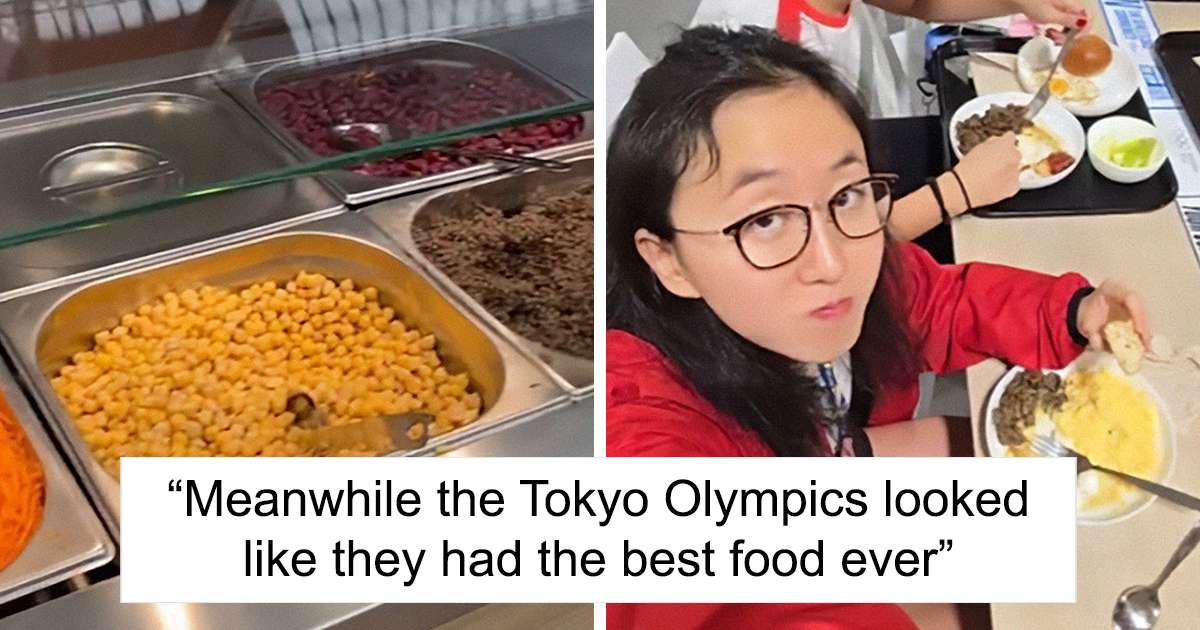
But once the Games began, social media changed the conversation. Athletes started filming honest meal reviews from the dining hall. Some were funny, some were confused, and some were clearly unimpressed. A grilled item shared by American shot putter Raven Saunders became one of the most talked-about examples because viewers could not quite identify what it was supposed to be. The internet, never known for calmly waiting for context, reacted instantly.
At the same time, Singaporean swimmer Jing Quah pushed back against rumors that there was no food at all, explaining that the issue was more about flavor and seasoning than total absence. That distinction matters. A shortage crisis and a “this needs salt” crisis are not the same thing, although both can feel tragic when you have just burned thousands of calories in training.
The Biggest Complaints: Eggs, Meat, Portions, and Seasoning
The earliest and most serious complaints centered on high-demand protein items. Several teams and athletes reportedly wanted more eggs, grilled chicken, and meat-based options. Team Great Britain drew major attention after officials said the food was not adequate and brought in an additional chef to support their athletes outside the Village dining hall.
Reports also mentioned allegations of undercooked meat, long lines, and rationed breakfast items. For an everyday diner, a missing egg might be a mild inconvenience. For an Olympic swimmer, rower, runner, or boxer, protein is not a cute bonus; it is part of the performance plan. When athletes are training, recovering, weighing in, and competing at the highest level, meals become strategy.
Organizers responded by increasing the availability of animal proteins, including more eggs, poultry, and beef. That response suggests the issue was not simply athletes rejecting the menu, but a real mismatch between projected demand and what competitors actually reached for once the dining hall opened. In a normal restaurant, you run out of chicken and apologize. In the Olympic Village, you run out of chicken and accidentally launch an international conversation.
Paris 2024 Had Big Sustainability Goals
One reason the Paris Olympic Village menu drew so much attention was its strong sustainability focus. Paris 2024 promoted a “Food Vision” built around reducing carbon impact, using local and seasonal ingredients, increasing plant-based options, limiting waste, and making food service more environmentally responsible.
That goal was ambitious and, in many ways, admirable. Large sporting events produce enormous environmental footprints, and food is a major part of that. Paris wanted to show that an Olympic Games could be more climate-conscious without abandoning quality. The Village dining program included hundreds of recipes, plant-based dishes, bakery offerings, dairy stations, salad bars, and menus designed for different dietary needs.
The challenge is that sustainability and elite sports nutrition must meet in the middle. Many athletes eat plant-forward diets successfully, and some world-class competitors are vegetarian or vegan. But others depend on specific protein routines, familiar carbohydrates, and carefully timed meals. When your body is your job, “try the quinoa” may not be the calming suggestion organizers hope it is.
Was the Food Actually Bad?
The most honest answer is: it depended on who you asked, what they ate, and when they ate it. Some athletes seemed underwhelmed by certain meals. Others found plenty to like. Boxer Tina Rahimi, for example, shared halal food options available in the dining hall, showing that the Village did provide meals for religious and cultural dietary requirements. Several athletes praised the variety, while others felt the dishes lacked seasoning or were not satisfying enough.
That mixed reaction is important. The Olympic Village was not a single plate of food; it was a gigantic, constantly moving food system. One athlete might grab an excellent pastry and a balanced meal. Another might arrive after a rush, face a long line, and end up with a sad-looking grilled item that looks like it lost a wrestling match. Both experiences can be true.
Food also carries emotional expectations. When people hear “Paris,” they imagine buttery perfection, not a lukewarm tray at 11 p.m. after a brutal practice session. Even if the catering operation is technically impressive, the gap between expectation and reality can be huge. Paris was not just feeding athletes; it was feeding the fantasy of French cuisine. That is a very dramatic dinner guest.
The Chocolate Muffin Saved the DayKind Of
No discussion of Paris Olympic Village food is complete without the chocolate muffin. Norwegian swimmer Henrik Christiansen became known online as the “Olympic Muffin Man” after repeatedly praising the Village’s double chocolate muffin on TikTok. The muffin quickly became a breakout star of the Games, proving once again that the internet will adopt a dessert faster than it adopts common sense.
The muffins were reportedly consumed by the thousands each day, with athletes from different countries joining the hype. While grilled meats and eggs drew complaints, the muffin became a symbol of joy, comfort, and gooey chocolate diplomacy. It also created a funny contrast: the same dining hall that produced confused reactions over savory dishes also produced a dessert so beloved that athletes treated it like a tiny edible mascot.
That contrast made the food debate even more interesting. The Paris Olympic Village was not universally hated. It had misses, yes, but it also had viral wins. In the court of public opinion, the mystery meat may have needed a lawyer, but the muffin had a fan club.
Why the Internet Reacted So Strongly
Online audiences love a backstage glimpse, especially when it reveals that elite athletes are dealing with oddly familiar problems. Viewers may never know what it feels like to compete in an Olympic final, but they do know what it feels like to look at a cafeteria tray and think, “Absolutely not.” That relatability made the topic explode.
The phrase “What’s really going on?” captured the mood perfectly. People expected Paris to deliver culinary magic. Instead, they saw athletes joking about bland food, confusing proteins, and meals that seemed less “Michelin-inspired” and more “airport layover after midnight.” The contrast was irresistible.
Social media also rewards extremes. A delicious muffin becomes legendary. A strange-looking skewer becomes a scandal. A balanced meal quietly eaten by 300 athletes becomes invisible because nobody posts, “Lunch was fine, thanks.” The algorithm prefers drama, preferably with sauce on the side.
Feeding Olympians Is Harder Than It Looks
To be fair, feeding Olympic athletes is not like running a trendy brunch spot. The Village dining operation had to serve people from different countries, sports, religions, weight classes, allergies, and nutritional plans. A gymnast, marathon runner, heavyweight wrestler, table tennis player, and swimmer may all need completely different meals at completely different times.
Then add security restrictions, supply chains, food safety rules, sustainability commitments, language barriers, and the fact that everyone is under pressure. The kitchen is not just cooking dinner; it is supporting performance, recovery, comfort, and morale. One shortage can ripple quickly because athletes often eat at similar times after training or competition.
That does not excuse every problem. If athletes are served undercooked meat or cannot access enough protein, organizers should fix it immediately. But it does explain why even a well-planned menu can stumble once thousands of hungry competitors arrive. Spreadsheets are calm. Olympic appetites are not.
The Bigger Lesson Behind the Food Controversy
The Paris Olympic Village food story reveals a broader lesson about modern mega-events: good intentions are not enough. Sustainability, cultural diversity, and gourmet ambition sound wonderful in planning documents, but athletes ultimately judge food by simpler standards. Is it available? Is it safe? Does it match my needs? Does it taste good? Can I eat it before competing without regretting all my life choices?
Paris 2024 tried to balance environmental responsibility with high-performance dining. That balance is worth pursuing. Future Olympic hosts should not abandon plant-based options or local sourcing just because some athletes wanted more chicken. Instead, they should build more flexible systems that can adjust quickly when demand becomes clear.
The response from organizersadding more eggs and meatwas a practical correction. It showed that athlete feedback mattered. The best version of Olympic dining is not meat-heavy or plant-only; it is adaptable, nutritious, culturally respectful, and flavorful enough that competitors are not sneaking away in search of emergency snacks.
What the Paris Olympic Village Food Debate Says About Athlete Life
For spectators, the Olympics can look glamorous: medals, ceremonies, national pride, slow-motion montages, and athletes crying beautifully under stadium lights. But the Village food debate reminded everyone that the Olympic experience also includes ordinary human needs. Athletes still need breakfast. They still get annoyed by long lines. They still crave familiar flavors. They still judge dessert with the seriousness of a Supreme Court ruling.
That humanity is part of why the story spread so widely. Watching champions review cafeteria food made them feel more real. They were not just record-breaking machines; they were people holding trays, hunting for salt, and forming emotional attachments to muffins. Honestly, relatable behavior.
It also showed how powerful athlete-generated media has become. In previous decades, the public mostly saw what broadcasters chose to show. In Paris, athletes could show the Village from their own phones. That gave fans a more intimate look at Olympic life, but it also meant every odd meal could become a headline before organizers finished restocking the eggs.
Related Experiences: Why This Topic Feels So Familiar
Anyone who has traveled for work, school, sports, or a big event can understand the Paris Olympic Village food drama on a smaller scale. You arrive somewhere with high expectations. The brochure promised “fresh, diverse dining.” The reality is a buffet line, a tired staff member, and a tray of something that may be chicken but is clearly not ready to commit to its identity.
Food becomes more emotional when people are away from home. A familiar meal can make a strange place feel manageable. A disappointing meal can make exhaustion worse. For Olympic athletes, that emotional layer is multiplied by pressure. They are not simply tourists in Paris; they are competitors who have trained for years for a moment that may last seconds. If lunch feels unreliable, it can create frustration far beyond the plate.
Think about student athletes traveling for tournaments. The difference between a solid pre-game meal and a random gas-station sandwich can affect mood, energy, and confidence. Or consider business travelers stuck at a conference where the “healthy lunch option” is three lettuce leaves and a tomato that has seen things. People laugh about it later, but in the moment, food matters because the body is asking for support.
The Paris situation also reflects the universal problem of mass catering. When food is prepared for thousands, personality can disappear. Seasoning gets cautious. Textures suffer. Portions become standardized. The kitchen’s priority is often safety and speed, not culinary poetry. That is understandable, but diners still want meals that feel satisfying. Nobody dreams of winning a medal and celebrating with a beige mystery protein.
There is also a cultural expectation issue. When an event happens in France, people expect French food to perform like Simone Biles: graceful, confident, and almost unfairly excellent. But an Olympic dining hall is not a candlelit Parisian restaurant. It is closer to a global cafeteria with security badges. That gap between fantasy and reality created much of the internet’s disbelief.
At the same time, the viral muffin proves that one great food item can rescue morale. Every large event has one unexpected hero: the good cookie at a hotel meeting, the perfect coffee at a conference, the pasta station at a wedding, the snack table that quietly saves everyone from becoming unpleasant. In Paris, that hero wore a chocolate crown.
The experience also offers a lesson for event planners, schools, sports teams, and workplaces: people remember food. They remember whether there was enough. They remember whether it tasted cared for. They remember whether dietary needs were respected. A meal does not have to be fancy, but it should feel thoughtful. When it does not, someone will probably post about it. When it does, they may still post about itespecially if there are muffins.
Conclusion
The internet’s disbelief over food served at the Paris Olympic Village was not just about one strange-looking plate. It was about expectations, athlete needs, sustainability goals, logistics, and the power of social media to turn cafeteria moments into global debates. Paris 2024 promised an ambitious dining experience with hundreds of recipes, around-the-clock service, local ingredients, and plant-forward options. In practice, the operation had early problems with protein demand, portion concerns, seasoning criticism, and viral athlete reactions.
Still, the story was not a total culinary collapse. Many athletes found options that worked, organizers adjusted supplies, and the chocolate muffin became one of the sweetest unofficial celebrities of the Games. The real takeaway is that feeding Olympians is a high-stakes event of its own. Medals are won on the track, in the pool, and on the matbut morale may be won at the buffet.
Note: This article is based on synthesized reporting from reputable U.S. and international sports, food, entertainment, and official Olympic sources. Source links were intentionally omitted from the article body for clean web publication, as requested.