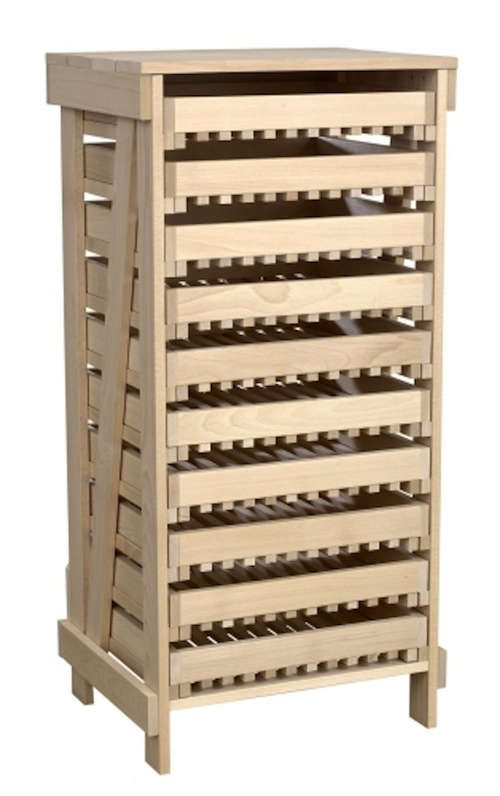

A Beech Apple Rack 10 Drawer may sound like something a very organized squirrel would order after watching too many pantry makeover videos, but it is actually one of the most practical, charming, and old-school ways to store apples at home. Built with stacked wooden trays, breathable spacing, and a compact vertical footprint, this traditional fruit storage rack is designed for gardeners, orchard lovers, farmers market fans, and anyone who has ever brought home “just a few apples” and accidentally ended up with enough fruit to feed a marching band.
At its simplest, a 10-drawer beech apple rack is a wooden storage unit with ten removable shallow trays. Each drawer gives apples their own breathing room, helping reduce bruising, moisture buildup, and the dreaded “one bad apple ruins the whole drawer” situation. Unlike a closed plastic bin or deep basket, this type of apple storage rack keeps fruit visible, separated, and easy to inspect.
For homes with a fall harvest, a backyard apple tree, a CSA box, or regular bulk produce shopping, the Beech Apple Rack 10 Drawer is more than rustic décor. It is a smart storage tool that brings together traditional craftsmanship, natural materials, and practical food preservation.
What Is a Beech Apple Rack 10 Drawer?
A Beech Apple Rack 10 Drawer is a vertical wooden fruit storage rack made with ten individual drawers or trays. Traditional versions are often made from beech wood, a hardwood known for its smooth grain, strength, and clean appearance. The trays are usually shallow so apples can be arranged in a single layer rather than piled on top of one another.
That single-layer design matters. Apples bruise easily when stacked too deeply, and bruised apples ripen and spoil faster. With ten drawers, you can spread fruit out, sort it by variety, and check each tray without digging through a heavy crate like you are searching for buried treasure in a compost-themed adventure movie.
Common Design Features
Most traditional 10-drawer apple racks include a freestanding frame, removable trays, slatted or ventilated drawer bottoms, and open sides that allow airflow. Many models are tall and narrow, making them useful for garages, mudrooms, pantries, garden sheds, and cool utility spaces. Some beech apple racks are handmade and inspired by older orchard storage designs, while others are flat-packed for home assembly.
The purpose is simple: keep apples cool, dry on the surface, gently separated, and easy to rotate. It is furniture with a food-storage job, and it does the job without needing electricity, apps, blinking lights, or a subscription plan.
Why Beech Wood Works So Well
Beech is a practical choice for a fruit storage rack because it is a dense, fine-grained hardwood commonly used in furniture, tool handles, dowels, and household objects. It has a smooth texture and a pale, natural tone that fits well in farmhouse, cottage, traditional, and minimalist interiors.
For an apple rack, beech wood offers three major advantages: strength, stability, and appearance. A 10-drawer rack must support the weight of a full harvest, so flimsy construction is not ideal. Beech provides a sturdy structure while still looking warm and simple. It also has the kind of understated beauty that says, “Yes, I store apples properly, and yes, I probably own a good bread knife.”
Beech vs. Pine Apple Racks
Some apple storage racks are made from pine, which is lighter and often more affordable. Pine can work well, especially for casual home use. Beech, however, generally feels more premium because it is harder and denser. A beech rack may be a better choice if you want a long-lasting piece that can handle seasonal use year after year.
The decision usually comes down to budget, style, and expected use. If you store a few apples for baking, pine may be enough. If you harvest baskets of apples every fall and want a storage piece that looks good enough to keep visible, beech has the edge.
How a 10-Drawer Apple Rack Helps Apples Last Longer
Apples store best when they are kept cool, handled gently, and separated from strong-smelling foods and incompatible produce. University extension guidance commonly recommends cold storage conditions for long-term apple freshness, with temperatures near refrigerator range and relatively high humidity. At home, many people use a refrigerator crisper drawer for smaller amounts. For larger harvests, a cool garage, cellar, shed, or enclosed porch may work when temperatures stay safely above freezing.
A Beech Apple Rack 10 Drawer does not magically turn your garage into a commercial controlled-atmosphere storage facility. That would be impressive, but also suspicious. What it does is support the basic principles of good home apple storage: airflow, inspection, gentle handling, and separation.
Airflow Reduces Moisture Problems
Ventilation is one of the biggest benefits of a wooden apple rack. Closed containers can trap moisture, and excess moisture may encourage mold or soft spots. Slatted drawers and open sides help air move around the fruit. This does not replace proper temperature control, but it makes storage more forgiving than tossing apples into a sealed tub and hoping for the best.
Separate Drawers Make Sorting Easier
Ten drawers let you organize apples by variety, ripeness, size, or intended use. For example, you might keep firm long-storage apples in the upper drawers, slightly bruised apples in a “use first” drawer, and baking apples in a lower tray. This kind of organization saves time and reduces waste because you can quickly spot which apples need attention.
Single-Layer Storage Prevents Bruising
Deep baskets look cute until the apples at the bottom start living a very compressed lifestyle. Shallow drawers help prevent pressure damage because apples are not stacked in heavy layers. Less bruising means better texture, longer storage life, and fewer sad discoveries when you reach for a snack.
Where to Place a Beech Apple Rack
The best location for a Beech Apple Rack 10 Drawer is a cool, dark, well-ventilated area that does not freeze. Garages, basements, mudrooms, enclosed porches, and garden sheds can work, depending on your climate. The key is consistency. Apples do not appreciate dramatic temperature swings any more than humans enjoy sitting next to a window-unit air conditioner in January.
Avoid placing the rack in direct sunlight, near heaters, beside a stove, or in a damp corner. Too much warmth speeds ripening. Too much moisture can encourage spoilage. Freezing temperatures can damage texture and flavor. A thermometer is a helpful low-cost tool if you plan to store apples for more than a few weeks.
Keep Apples Away From Odor-Heavy Foods
Apples can absorb odors from nearby foods, so it is smart to keep them away from onions, garlic, turnips, and other strong-smelling produce. Nobody wants a crisp apple that whispers “onion soup” with every bite.
Be Careful With Potatoes and Mixed Produce
Many people store apples and potatoes in the same garage or cellar, but they should not be crowded together in the same closed space. Apples release ethylene gas, which can affect other produce. Keeping apples in their own rack helps create a more organized storage zone and reduces the chance of cross-ripening problems.
How to Use a Beech Apple Rack 10 Drawer Properly
Using the rack is simple, but a few habits make a big difference. First, only store apples that are firm, mature, and free from major bruises or broken skin. Damaged apples should be eaten, cooked, frozen, dried, or turned into applesauce sooner rather than stored with your best fruit.
Second, do not wash apples before long-term storage. Extra moisture can shorten storage life. Instead, gently brush away dry debris and rinse apples right before eating or cooking. Third, check the rack regularly. A weekly inspection helps you remove softening fruit before it affects nearby apples.
Step-by-Step Storage Method
Start by sorting apples on a clean table. Place perfect apples in long-storage drawers and imperfect apples in a visible “use soon” drawer. Arrange the fruit in a single layer with small gaps between pieces. Label the drawers if you have several varieties. Then place the rack in a cool, dark, dry-but-not-bone-dry area.
If your space is very dry, apples may shrivel over time. If it is too humid, moisture may collect. The goal is balanced storage: cool enough to slow ripening, humid enough to reduce drying, and ventilated enough to avoid condensation.
Who Should Buy a 10-Drawer Apple Rack?
A Beech Apple Rack 10 Drawer is ideal for home orchard owners, gardeners, homesteaders, serious bakers, farmers market shoppers, and people who prefer practical storage that also looks beautiful. It is especially useful during apple season, when fresh fruit is abundant and prices are often better by the bag, box, or bushel.
It is also a good fit for households that make pies, crisps, cider, applesauce, dehydrated apple rings, or lunchbox snacks. If your kitchen regularly smells like cinnamon and ambition, this rack will feel right at home.
When It May Not Be Necessary
If you only buy four apples at a time and finish them within a week, a full 10-drawer rack may be more storage than you need. A refrigerator crisper drawer or small countertop fruit bowl may be enough. But if apples arrive in large quantities, the rack quickly earns its space.
What to Look for Before Buying
Before choosing a Beech Apple Rack 10 Drawer, check the dimensions carefully. Some racks are tall and narrow, while others are deeper and require more floor space. Measure your intended storage area before purchasing. Also consider drawer depth, tray spacing, wood quality, assembly requirements, and whether the trays slide smoothly.
Look for sanded edges, sturdy joints, and a frame that does not wobble. Removable drawers are important because they make inspection and cleaning much easier. If the rack will be placed in a visible area, appearance may matter too. A beech finish tends to look clean, warm, and timeless.
Capacity Matters
A 10-drawer rack can hold a meaningful amount of fruit, but capacity varies by drawer size and apple size. Large apples need more spacing, while smaller apples can fit more comfortably. Do not overload drawers. Apples need airflow, and the rack will last longer if the weight is distributed evenly.
Cleaning and Maintenance
A wooden apple rack is easy to maintain if you keep it dry, clean, and protected from standing moisture. At the end of the season, remove all drawers, brush out debris, and wipe surfaces with a dry or slightly damp cloth. Let everything air-dry completely before storing the rack or refilling it.
Avoid harsh cleaners, heavy soaking, or leaving the rack in wet conditions. Beech is strong, but like most indoor wood products, it should not be treated like outdoor patio furniture during a thunderstorm. If the wood starts to feel rough over time, light sanding can refresh the surface.
Seasonal Inspection
Before each apple season, check for loose screws, cracked slats, or unstable joints. Tighten hardware if needed. A well-maintained rack can become one of those household items that quietly serves for years, then somehow becomes part of the family story: “That’s the apple rack we bought the year we made twelve pies and learned humility.”
Creative Uses Beyond Apples
Although designed for apples, a 10-drawer rack can also store pears, quinces, onions, garlic, winter squash varieties that fit safely, seed packets, garden gloves, small tools, or craft supplies. However, be mindful of produce compatibility. Not all fruits and vegetables want the same temperature, humidity, or neighbors.
For non-food uses, the rack can become a rustic organizer in a pantry, studio, greenhouse, or mudroom. The shallow drawers are excellent for items that disappear easily in deep bins. Think twine, plant labels, tea towels, cookie cutters, hardware packets, or the mysterious collection of batteries that every home seems legally required to own.
Beech Apple Rack 10 Drawer vs. Plastic Storage Bins
Plastic bins are inexpensive and stackable, but they can trap moisture if not ventilated properly. They also make it harder to inspect fruit without unpacking everything. A wooden apple rack offers better visibility and airflow, and it encourages the single-layer storage that helps reduce bruising.
The trade-off is space. A rack occupies a dedicated footprint, while bins can be moved around. Still, for people who store apples regularly, the convenience of sliding drawers often outweighs the flexibility of lidded containers.
Style Appeal: Practical Storage That Looks Good
One underrated benefit of a Beech Apple Rack 10 Drawer is that it looks like it belongs in a home, not a warehouse. The natural wood, simple frame, and stacked trays create a warm, traditional feel. It pairs well with cottage kitchens, farmhouse pantries, garden rooms, and classic utility spaces.
In a world full of plastic containers with mystery lids, a wooden apple rack feels refreshingly honest. It does one job, does it well, and looks good while doing it. That is more than can be said for the drawer in most kitchens that contains rubber bands, takeout menus, and one lonely birthday candle.
Real-Life Experiences With a Beech Apple Rack 10 Drawer
The first thing most people notice after using a Beech Apple Rack 10 Drawer is how much calmer apple storage becomes. Without a rack, a fall harvest often turns into controlled chaos. Apples sit in cardboard boxes, baskets, grocery bags, and occasionally on the counter where they silently judge your lack of planning. With a rack, everything has a place.
One practical experience is sorting apples by purpose. The top drawers can hold the best-looking apples for fresh eating. The middle drawers can store firm baking apples for pies, crisps, and tarts. The lower drawers can hold apples that need to be used first. This simple system turns a messy pile into a working pantry. You stop wondering which apples are still good because you can see them.
Another useful lesson is that weekly checking becomes easier. When apples are stored in a deep box, checking them feels like a chore. You have to lift fruit, move layers, and hope nothing unpleasant is hiding at the bottom. In a 10-drawer rack, you simply pull out a tray, scan the apples, remove any soft ones, and slide it back. The process takes minutes and prevents waste.
The rack also changes how people cook. When apples are visible and organized, they are more likely to be used. A drawer of slightly imperfect apples becomes a weekend applesauce project. A tray of tart apples becomes a pie. A few smaller apples become lunchbox snacks. Instead of forgetting what you bought, you build meals and treats around what is ready.
There is also a sensory pleasure to using a wooden apple rack. The beech wood feels solid, the drawers slide out neatly, and the whole setup brings a small orchard feeling into the home. It is the kind of object that makes food storage feel intentional rather than improvised. Even if your pantry is not magazine-perfect, the rack adds a sense of order.
For families, the drawers can make apple storage more interactive. Children can help sort apples by size or color, choose fruit from the “snack drawer,” or learn why bruised apples should be used first. It turns food preservation into something visible and understandable. That may sound small, but small habits are often what keep good food from going to waste.
Another experience worth mentioning is how useful the rack becomes outside apple season. Once the last apples are eaten, the drawers can hold garden supplies, seed packets, onions, garlic, cloth napkins, or pantry extras. A good 10-drawer rack does not become useless after fall. It simply changes jobs, like a very dependable wooden employee.
The biggest practical tip from real use is this: do not overfill the drawers. It is tempting to squeeze in every apple, especially after a generous harvest, but airflow and spacing are the point. A lightly filled drawer is better than a crowded one. Apples should rest comfortably, not attend a standing-room-only concert.
Finally, a Beech Apple Rack 10 Drawer encourages a slower, more mindful approach to food. It reminds you that storage is part of the harvest, not an afterthought. Whether you grow apples yourself or buy them in bulk, the rack helps preserve flavor, reduce waste, and keep your kitchen routine beautifully grounded.
Conclusion
A Beech Apple Rack 10 Drawer is a smart blend of traditional design, natural material, and practical food storage. Its removable trays, breathable structure, and vertical layout make it especially useful for storing apples in a cool, dark, well-ventilated place. Beech wood adds strength and timeless appeal, while the 10-drawer format makes sorting, checking, and using apples much easier.
For gardeners, home orchard owners, bulk shoppers, and anyone who loves the flavor of crisp seasonal apples, this rack is more than a pretty wooden stand. It is a tool for reducing waste, extending freshness, and bringing order to the annual apple avalanche. And honestly, anything that makes a harvest easier while looking charming in the process deserves a little applause.