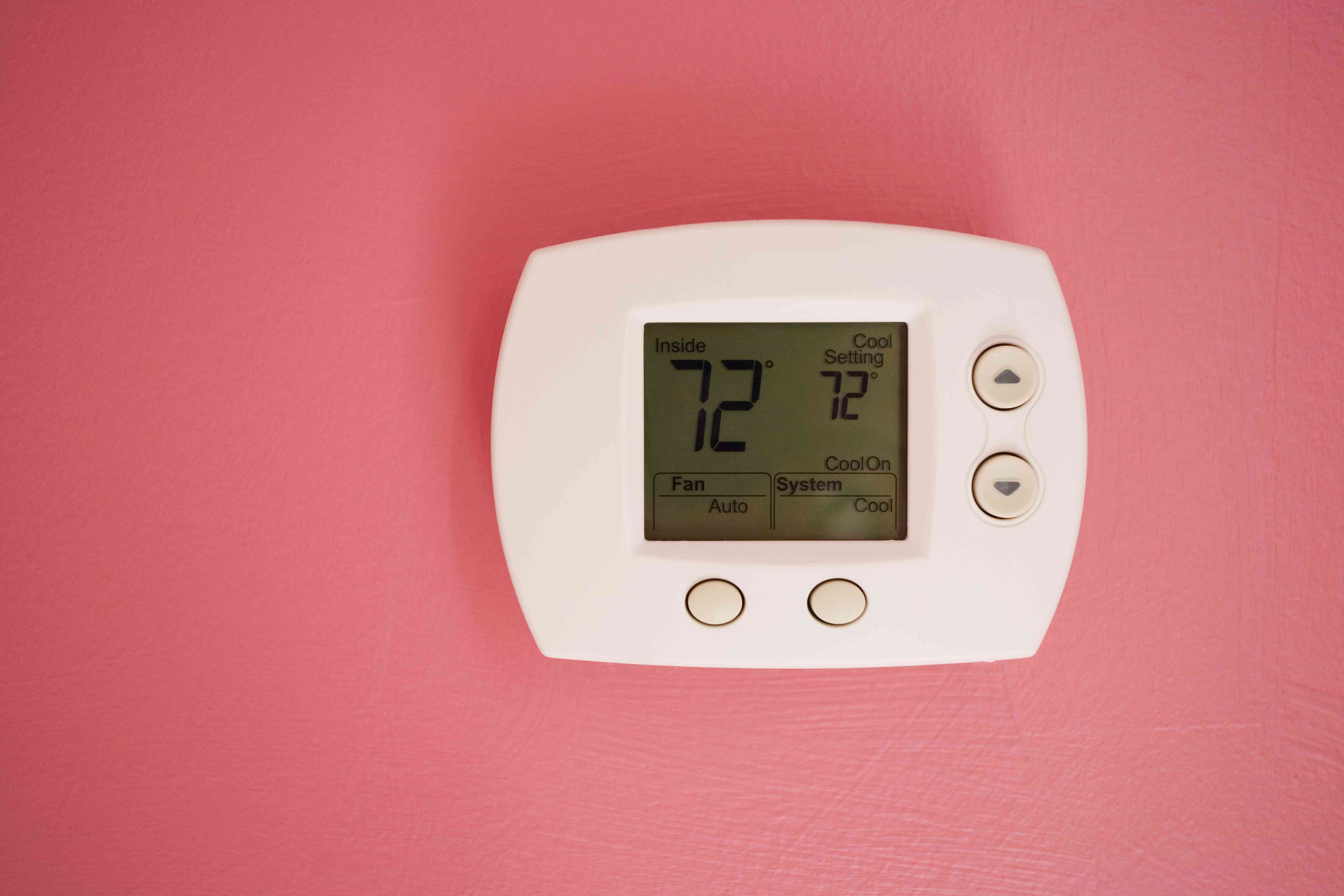

A furnace thermostat may look like a small plastic box on the wall, but do not be fooled by its humble appearance. This little device is the traffic controller for your home’s heating system. It decides when your furnace wakes up, when it rests, how hard it works, and whether your living room feels like a cozy cabin or a meat locker with throw pillows.
Understanding common furnace thermostats helps homeowners make smarter choices about comfort, energy use, safety, and long-term HVAC performance. Whether you have an old round dial, a basic digital thermostat, a programmable model, or a Wi-Fi smart thermostat that seems more emotionally advanced than your coffee maker, the goal is the same: maintain the right indoor temperature without wasting heat, money, or patience.
This guide breaks down the most common furnace thermostat types, how they work, what features matter, how to use them efficiently, and when it may be time to upgrade.
What Is a Furnace Thermostat?
A furnace thermostat is the control device that tells your heating system when to turn on and off. It senses the temperature in your home, compares that temperature to your selected setting, and sends a signal to the furnace when heat is needed.
In most American homes with forced-air gas, oil, or electric furnaces, the thermostat operates on low-voltage power, commonly around 24 volts. When the room temperature drops below the setpoint, the thermostat closes a control circuit and sends a “call for heat” to the furnace. The furnace then begins its heating cycle: ignition or heating element activation, blower operation, warm air delivery, and shutdown once the thermostat is satisfied.
The Basic Thermostat Job Description
A thermostat has three simple responsibilities:
- Measure room temperature using a sensor or mechanical element.
- Compare temperature to the homeowner’s selected setpoint.
- Control the furnace by sending heating signals through thermostat wiring.
That sounds easy, but the details matter. A thermostat in the wrong location, wired incorrectly, set improperly, or matched with the wrong HVAC equipment can cause short cycling, uneven comfort, high utility bills, or a furnace that behaves like it has had three espressos too many.
Common Types of Furnace Thermostats
Furnace thermostats come in several major categories. Each type has strengths, limitations, and a best-use case.
1. Mechanical or Manual Thermostats
Mechanical thermostats are the classic models many homeowners remember from older houses. They often use a dial, slider, or lever to set the temperature. Older versions may use a bimetal coil or similar mechanical sensor that reacts to temperature changes.
These thermostats are simple, inexpensive, and usually easy to operate. There are no apps, no passwords, no software updates, and no tiny screen asking you to accept terms and conditions just to turn on the heat.
However, mechanical thermostats are not the most precise option. They may drift out of calibration over time and often lack scheduling features. If you are home most of the day and prefer one steady temperature, a manual thermostat can still do the job. If you want better energy management, a newer model is usually a better choice.
2. Digital Nonprogrammable Thermostats
Digital nonprogrammable thermostats are a step up from mechanical models. They typically have a clear screen, push buttons, and electronic temperature sensing. They are still manually controlled, meaning you must change the temperature yourself whenever you want a different setting.
The biggest advantage is accuracy. Digital thermostats are usually easier to read and more precise than old mechanical models. They are a good fit for homeowners who want simplicity but dislike guessing whether the tiny mark between 68 and 72 degrees is actually 70 or “somewhere near sweater weather.”
The downside is that they do not automatically adjust to your schedule. If you forget to lower the heat before leaving for work, the thermostat will politely keep heating an empty house like it is expecting guests.
3. Programmable Thermostats
A programmable thermostat lets you create a heating schedule. Instead of manually adjusting the temperature several times a day, you can program settings for wake time, daytime, evening, and sleep time.
Common programming styles include:
- 5-2 programming: one schedule for weekdays and another for weekends.
- 5-1-1 programming: one weekday schedule plus separate schedules for Saturday and Sunday.
- 7-day programming: a different schedule for every day of the week.
Programmable thermostats are especially useful for homes with predictable routines. For example, you might set the heat to 68°F when you wake up, lower it while the house is empty, raise it before you return home, and reduce it again overnight.
For conventional furnaces, temperature setbacks can reduce energy use because the home loses heat more slowly when the indoor temperature is lower. Many energy-efficiency recommendations suggest lowering the thermostat several degrees for long periods, such as overnight or during work hours. The key phrase is “long periods.” Lowering the heat for ten minutes while you run to the mailbox will not fund your retirement.
4. Wi-Fi Thermostats
Wi-Fi thermostats connect to your home internet network and allow remote control through a smartphone, tablet, or computer. This is helpful if your schedule changes often or if you enjoy the modern luxury of adjusting your house temperature while standing in a grocery store checkout line.
A Wi-Fi thermostat can be especially useful for vacation homes, rental properties, frequent travelers, and families with unpredictable schedules. Forgot to turn the heat down before leaving for a weekend trip? Open the app and fix it. Coming home early during a cold snap? Warm the house before you arrive.
Most Wi-Fi thermostats need a steady power supply. That is where the C-wire, or common wire, becomes important. The C-wire provides continuous low-voltage power from the HVAC system to the thermostat, helping support Wi-Fi, display lighting, and smart features.
5. Smart and Learning Thermostats
Smart thermostats add automation, learning features, energy reports, geofencing, app control, and sometimes room sensors. Some models learn your preferred temperatures over time and build a schedule automatically. Others use occupancy detection or smartphone location to set back the temperature when nobody is home.
Smart thermostats can be very effective, but they are not magic wall jewelry. They still need proper installation, correct system settings, reliable Wi-Fi, and sensible temperature choices. A smart thermostat set to 78°F heat all winter will be smart in name only.
Popular smart thermostat features include:
- Remote temperature control
- Automatic schedules
- Geofencing
- Energy usage reports
- Filter change reminders
- Humidity monitoring
- Voice assistant compatibility
- Room sensors for more balanced comfort
6. Communicating Thermostats
Some high-efficiency furnaces, variable-speed systems, and modulating HVAC setups use communicating thermostats. These devices do more than send simple on/off signals. They exchange detailed information with the furnace, air conditioner, heat pump, or indoor air quality equipment.
A communicating thermostat may control blower speed, heating stages, humidity equipment, diagnostics, and system performance. These thermostats are often brand-specific, meaning a thermostat from one manufacturer may not work correctly with equipment from another. If your HVAC system is advanced, do not assume any thermostat from the hardware store will be compatible.
Thermostat Wiring Basics for Furnaces
Thermostat wiring can seem mysterious, but the basic terminal labels are fairly consistent. The important rule is this: identify wires by the terminal labels they are connected to, not by wire color. Colors are common conventions, not laws of physics. Somewhere out there, a previous installer may have used blue wire for something unexpected, because chaos occasionally wears work boots.
Common Furnace Thermostat Terminals
- R or Rh: 24-volt power from the heating system transformer.
- Rc: 24-volt power for cooling systems, often jumpered with Rh in single-transformer systems.
- W or W1: heating call for a furnace.
- W2: second-stage heat on two-stage systems or auxiliary heat in some setups.
- G: indoor blower fan control.
- Y or Y1: air conditioning compressor or first-stage cooling.
- Y2: second-stage cooling.
- C: common wire for continuous thermostat power.
- O/B: reversing valve control for heat pump systems.
Before replacing a thermostat, turn off power to the HVAC system at the breaker or service switch. Take a clear photo of the old wiring before disconnecting anything. Label each wire according to its old terminal. If the wiring does not match the new thermostat instructions, stop and call an HVAC professional.
Single-Stage, Two-Stage, and Modulating Furnace Control
Not every furnace works the same way. A thermostat must match the type of heating equipment installed.
Single-Stage Furnaces
A single-stage furnace has one heating output: on or off. When heat is needed, it runs at full capacity. These systems are common, reliable, and compatible with many basic thermostats.
Two-Stage Furnaces
A two-stage furnace has low and high heat output. Low stage handles milder heating needs, while high stage helps during colder weather or large temperature recovery. A compatible thermostat can control both stages, improving comfort and reducing temperature swings.
Modulating Furnaces
A modulating furnace adjusts heat output in small increments. These systems can maintain very steady indoor temperatures, but they often need specialized controls. Pairing a modulating furnace with the wrong thermostat may reduce its performance benefits.
Furnace Thermostats vs. Heat Pump Thermostats
Many homeowners use the word “furnace” to describe any heating system, but heat pumps are different. A gas furnace creates heat by burning fuel. A heat pump moves heat using refrigerant and a compressor. Because of that difference, thermostat strategy changes.
With a conventional furnace, scheduled setbacks can save energy. With many heat pump systems, large setbacks may trigger auxiliary heat during recovery. Auxiliary heat can use more energy, especially when electric resistance backup heat turns on. For heat pumps, a steadier temperature is often better than dramatic temperature changes.
If your system has both a heat pump and a furnace, known as a dual-fuel system, thermostat compatibility becomes even more important. The thermostat may need to decide when to use the heat pump and when to switch to the furnace.
Where Should a Furnace Thermostat Be Located?
Thermostat placement affects comfort more than many people realize. A thermostat should usually be installed on an interior wall in a central area where air circulates naturally. It should not be placed near supply registers, direct sunlight, exterior doors, windows, kitchens, lamps, fireplaces, televisions, or drafty hallways.
A thermostat near a sunny window may think the whole house is warm, causing the furnace to shut off too early. A thermostat near a drafty door may think the house is colder than it really is, causing unnecessary heating. A thermostat in the kitchen may be fooled by oven heat, which is great for cookies but terrible for temperature control.
Best Thermostat Settings for Comfort and Savings
For many conventional furnace systems, a practical winter setting is around 68°F while people are awake and active. Overnight or when the house is empty for several hours, lowering the temperature can reduce heating costs. Many households find a nighttime setting between 60°F and 65°F comfortable with warm bedding.
Comfort is personal. A healthy adult who loves hoodies may be fine at 65°F. A baby, older adult, or person with certain health needs may require warmer indoor temperatures. Energy savings are important, but comfort and safety come first.
A Simple Furnace Schedule Example
- 6:30 a.m.: 68°F for wake-up comfort.
- 8:30 a.m.: 62°F while the home is empty.
- 5:00 p.m.: 68°F before everyone returns.
- 10:30 p.m.: 62°F to 64°F for sleeping.
For a programmable thermostat, give the furnace enough time to recover before you need comfort. Many thermostats include adaptive recovery, which learns how long the system takes to reach the target temperature.
Common Furnace Thermostat Problems
Thermostat problems can look like furnace problems. Before assuming the furnace has failed, check the thermostat.
The Furnace Will Not Turn On
Check that the thermostat is set to heat, the temperature setting is above the current room temperature, and the batteries are fresh if the model uses batteries. Also check the breaker, furnace switch, and furnace door panel. Many furnaces have a safety switch that prevents operation if the blower door is not properly closed.
The Furnace Short Cycles
Short cycling means the furnace turns on and off too frequently. A thermostat placed near a heat source, poor wiring, clogged filter, oversized furnace, dirty flame sensor, or airflow problem can contribute. If the thermostat clicks repeatedly or the furnace cycles rapidly, professional diagnosis is wise.
The Temperature Feels Wrong
If the thermostat says 70°F but the room feels like a penguin conference, compare it with a reliable indoor thermometer. The thermostat may be miscalibrated, poorly located, or affected by drafts. Smart thermostats with room sensors can help balance temperatures in larger homes.
The Smart Thermostat Keeps Disconnecting
Wi-Fi thermostats need a stable wireless signal. If the thermostat is far from the router, connection problems may occur. A weak C-wire connection, low power, or router changes can also cause trouble.
When Should You Upgrade a Furnace Thermostat?
Consider replacing your thermostat if it is inaccurate, hard to read, unreliable, incompatible with your schedule, or missing features you would actually use. A programmable thermostat can be a smart upgrade for homeowners with consistent routines. A Wi-Fi or smart thermostat may be worthwhile for households with changing schedules, frequent travel, or interest in energy reports and remote control.
However, do not upgrade just for bragging rights. If you never use schedules, ignore energy reports, and keep the thermostat at one temperature all season, a smart thermostat may not deliver its full value. The best thermostat is the one that fits your equipment, lifestyle, and willingness to use its features.
Safety Tips Before Replacing a Thermostat
Thermostat replacement is often a manageable DIY project, but safety matters. Always turn off power to the HVAC system before removing the old thermostat. Do not rely on turning the thermostat screen off; that does not necessarily shut down power to the furnace.
Take photos, label wires, read the installation manual, and confirm compatibility before installation. If you see thick wires, wire nuts, high-voltage warnings, stranded line-voltage conductors, or anything that does not match the instructions, call a professional. Line-voltage thermostats are common with electric baseboard heat, not typical forced-air furnace control, and they require different handling.
For gas and oil furnaces, remember that thermostat control is only one part of heating safety. Have the furnace inspected regularly, replace or clean filters as recommended, and install carbon monoxide alarms near sleeping areas and according to manufacturer instructions. A thermostat can request heat, but it cannot smell carbon monoxide, inspect a heat exchanger, or clean a clogged flue. It is helpful, not heroic.
Choosing the Right Furnace Thermostat
Before buying a thermostat, answer these questions:
- Do I have a conventional furnace, heat pump, dual-fuel system, or boiler?
- Is my furnace single-stage, two-stage, or modulating?
- Do I have central air conditioning connected to the same thermostat?
- Do I have a C-wire?
- Do I want manual control, scheduling, Wi-Fi access, or smart automation?
- Is the thermostat compatible with my HVAC brand and equipment?
- Will I actually use the advanced features?
If your system is simple, a digital programmable thermostat may be all you need. If your home has uneven temperatures, a smart thermostat with room sensors may help. If your HVAC equipment is high-efficiency and communicating, consult the manufacturer or an HVAC contractor before swapping controls.
Real-World Experience: What Homeowners Learn About Furnace Thermostats
After working through countless homeowner questions about furnace thermostats, one pattern becomes clear: the thermostat is small, but the confusion around it is enormous. Many people assume that raising the thermostat from 68°F to 78°F makes the furnace heat faster. In most standard furnace systems, it does not. The furnace usually runs at the same output until the set temperature is reached. Setting the thermostat wildly higher is like pressing an elevator button seventeen times. It feels emotionally productive, but the machine is unimpressed.
Another common experience is the “mystery cold room.” A homeowner upgrades to a smart thermostat expecting instant comfort in every bedroom, only to discover that the thermostat still measures temperature from one hallway. If that hallway warms quickly, the furnace shuts off before distant rooms catch up. In this situation, the thermostat may not be the villain. The real problem could be duct balance, insulation gaps, closed vents, dirty filters, or poor airflow. Room sensors can help, but they are not a cure for every comfort issue.
C-wire surprises are also common. A homeowner removes an old thermostat and sees several wires tucked behind the wall, assuming one must be the common wire. Sometimes that extra wire is unused. Sometimes it is connected at the thermostat but not at the furnace control board. Sometimes the color suggests one thing and the terminal label says another. The best habit is to slow down, take photos, and trace terminal labels carefully. Wire color can be helpful, but it should never be treated as proof.
Programmable thermostat frustration is another classic. Some older models are powerful but not exactly friendly. Many homeowners set a schedule once, forget how they did it, and spend the next three winters living under the rule of a tiny plastic dictator. If a programmable thermostat is too difficult to use, it may not save much energy because people override it constantly. A simpler model with a clearer interface can be better than a feature-packed one nobody wants to touch.
Smart thermostats create a different learning curve. They can save energy, but only when their settings match real life. Geofencing works well for some households, but not all. A family with shift workers, kids coming home at different times, or someone who works from home may need custom schedules instead of automatic away settings. Smart recovery, eco mode, and learning features should be reviewed after installation rather than blindly trusted forever.
One of the most practical lessons is that comfort depends on habits as much as hardware. Replacing batteries before winter, keeping the thermostat clean, changing furnace filters, checking schedules after daylight saving time changes, and confirming heat mode before the first cold night can prevent many unnecessary service calls. The thermostat should be treated like the front desk of the heating system. If the front desk has bad information, the whole operation gets weird.
The best homeowner experience usually comes from matching technology to the household. A retired couple home all day may love a simple digital thermostat. A frequent traveler may benefit from Wi-Fi control. A busy family may appreciate smart scheduling. A tech lover may enjoy usage reports and voice control. None of these choices is automatically superior. The right furnace thermostat is the one that keeps the home comfortable, works safely with the HVAC system, and does not require a 42-minute emotional negotiation every time the weather changes.
Conclusion
Understanding common furnace thermostats makes it easier to choose the right model, use heating schedules wisely, avoid compatibility mistakes, and troubleshoot basic comfort problems. Manual thermostats are simple, digital models improve accuracy, programmable thermostats help manage routines, and smart thermostats offer remote control and automation. The best choice depends on your furnace type, wiring, schedule, comfort needs, and how much control you want.
A good thermostat will not fix a neglected furnace, poor insulation, or blocked airflow, but it can help your heating system operate more efficiently and comfortably. Treat it as the command center of your home heating system. Give it the right location, the right settings, and the right equipment match, and it will quietly do its job all winter long.
Note: This article is written from current, real-world HVAC, energy-efficiency, manufacturer, safety, and home-improvement guidance commonly used in the United States. Source links are intentionally omitted for clean web publishing.
SEO Tags