
Editor’s note: This is an independent consumer-style review article, not affiliated with Consumer Reports. It is based on real dental-safety guidance, product-testing trends, ingredient research, and current U.S. consumer review patterns. Always ask your dentist before using whitening products if you have cavities, gum disease, crowns, veneers, braces, implants, pregnancy concerns, or strong tooth sensitivity.
Introduction: The Big Smile Boom of 2025
LED teeth whitening systems have officially moved from “late-night infomercial curiosity” to “bathroom counter gadget that looks like it belongs in a spaceship.” In 2025, the category is crowded with wireless mouthpieces, blue-light trays, whitening pens, peroxide gels, sensitivity-friendly formulas, and kits promising a camera-ready smile without booking an in-office dental treatment.
The appeal is obvious. Professional whitening can be expensive, whitening strips can be messy, and whitening toothpaste often moves slower than a Monday morning. LED whitening kits promise convenience: apply gel, bite into a lighted mouthpiece, wait 10 to 30 minutes, rinse, and admire your reflection like you have just been cast in a toothpaste commercial.
But here is the honest consumer report: the LED light is not magic. The real whitening work usually comes from hydrogen peroxide or carbamide peroxide, the active ingredients that break down stains on natural teeth. The LED light may help some formulas work more efficiently, especially when designed properly, but a weak gel with a fancy glowing mouthpiece is still a weak gel with mood lighting.
This 2025 review explains how LED teeth whitening systems work, what to look for, which features matter, what products tend to perform best, and how to avoid wasting moneyor irritating your gums into writing a complaint letter.
How LED Teeth Whitening Systems Work
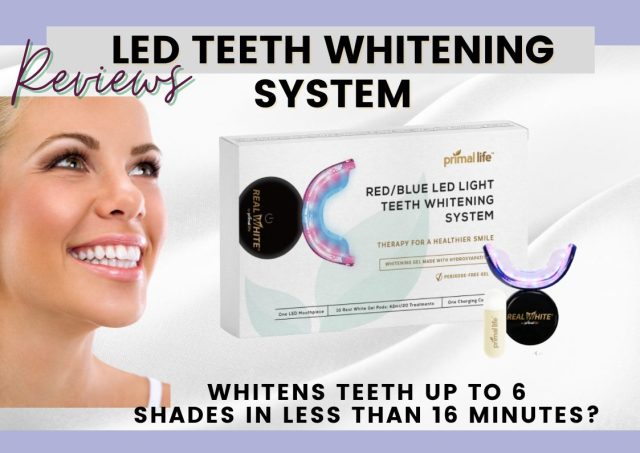
Most LED teeth whitening systems combine three parts: a whitening gel, a mouth tray or mouthpiece, and a blue LED light. The gel is applied directly to the teeth or placed inside the tray. The LED mouthpiece then shines light over the gel during the treatment session.
The Whitening Ingredient Does the Heavy Lifting
The most effective at-home whitening products usually rely on peroxide-based ingredients. Hydrogen peroxide works faster because it breaks down quickly and releases oxygen molecules that help lift stains. Carbamide peroxide breaks down into hydrogen peroxide over time, which often makes it feel a bit gentler and better suited for longer sessions.
In simple terms, peroxide goes after stains from coffee, tea, red wine, tobacco, soda, berries, and everyday aging. It does not bleach crowns, veneers, fillings, bonding, or implants. That means if your front teeth include dental work, whitening may create a mismatch between natural enamel and restorations. Not exactly the red-carpet look most people are chasing.
What Does the LED Light Actually Do?
Blue LED light is designed to support the whitening process by interacting with the gel and helping accelerate stain breakdown. Some kits produce noticeable results faster than strips alone, especially when they use a reliable peroxide formula and a well-fitting tray. However, the light is not the main reason teeth get whiter. The formula, contact time, consistency, and tooth condition matter more.
Think of LED as the personal trainer and peroxide as the athlete. The trainer can help, but if the athlete never shows up, nobody is winning the championship.
Best LED Teeth Whitening Systems of 2025: Consumer-Style Review
The best LED teeth whitening kit in 2025 depends on your teeth, budget, stain level, and tolerance for sensitivity. Below are the most useful categories for shoppers comparing systems.
Best Overall: Crest 3D Whitestrips With LED Light
Crest remains one of the strongest names in at-home whitening because its peroxide strip technology has a long track record, broad availability, and strong consumer familiarity. The LED version adds a blue-light device after strip application, aiming to improve results on stubborn stains.
Why consumers like it: The strips stay in place better than many gel trays, the routine is easy to follow, and the brand has strong dentist recognition. It is also a good choice for people who want whitening without squeezing gel into a mouthpiece.
Potential downside: Strips may not cover every tooth evenly, especially if you have rotated teeth, gaps, or a broad smile. Some users may also experience temporary sensitivity.
Best for: Coffee drinkers, tea lovers, and people who want a trusted at-home whitening system with a simple routine.
Best Comfortable LED Kit: Colgate Optic White ComfortFit LED Kit
Colgate’s LED whitening system is popular because it focuses on comfort and convenience. Many users prefer a flexible LED device that connects easily and does not feel like a giant plastic bumper in the mouth.
Why consumers like it: It is convenient, relatively beginner-friendly, and designed for people who do not want a bulky tray. The serum format can feel cleaner than syringe-style gel kits.
Potential downside: Some shoppers may prefer kits with more refill gel or a stronger peroxide concentration. Results can be gradual rather than dramatic overnight.
Best for: First-time LED whitening users who want a comfortable, low-drama routine.
Best for Fast Results: AuraGlow LED Whitening Kit
AuraGlow is often discussed as a strong choice for people looking for a more traditional LED tray-and-gel system. It commonly uses carbamide peroxide gel and a mouthpiece-style LED accelerator.
Why consumers like it: The kit format is straightforward, the gel application gives users control, and many shoppers like that it feels closer to a dentist-style tray system.
Potential downside: Gel trays can be messy if overfilled. Too much gel does not mean faster whitening; it usually means irritated gums and a minty foam situation nobody asked for.
Best for: Users with heavier surface stains who are comfortable applying whitening gel carefully.
Best Premium Experience: GLO Science Teeth Whitening Device
GLO Science systems often sit in the premium category, combining LED light, heat technology, and whitening gel vials. The design feels polished and more “professional gadget” than “random bathroom experiment.”
Why consumers like it: The system is sleek, guided, and often praised for a more controlled user experience. It may appeal to people who want a higher-end device rather than disposable strips.
Potential downside: Price. Premium whitening systems can cost significantly more, and refills add to the long-term expense.
Best for: Shoppers who value design, repeat use, and a more luxury-feeling whitening routine.
Best Budget-Friendly LED Kit: MySmile LED Teeth Whitening Kit
Budget LED whitening kits like MySmile attract consumers who want visible improvement without paying premium prices. These kits often include an LED mouthpiece, gel syringes, and a shade guide.
Why consumers like it: It is affordable, accessible, and good for testing whether LED whitening fits your lifestyle.
Potential downside: Budget kits can vary in tray comfort, gel consistency, and refill quality. Shoppers should check ingredient transparency before buying.
Best for: Beginners who want an entry-level LED teeth whitening system before upgrading.
Best for Sensitive Teeth: Look for Lower-Intensity Formulas
The best LED whitening system for sensitive teeth is not always one specific brand. Instead, it is usually the kit with a gentler formula, shorter treatment time, better gel control, and clear instructions. Products designed for sensitivity may include potassium nitrate, fluoride, or lower peroxide levels.
Consumer tip: If your teeth zing when cold water touches them, do not start with the strongest whitening kit you can find. That is not bravery; that is scheduling regret.
What to Look for Before Buying an LED Teeth Whitening Kit
1. Active Ingredient Transparency
A trustworthy LED teeth whitening system should clearly list its active ingredient. Look for hydrogen peroxide or carbamide peroxide if your goal is true bleaching of natural teeth. Peroxide-free formulas may help with surface stains, but results are usually more subtle.
2. Comfortable Mouthpiece Fit
A mouthpiece should feel secure but not painful. Flexible silicone trays usually feel better than hard plastic trays. If the mouthpiece is uncomfortable, you will not use it consistentlyand consistency is where whitening results are made.
3. Treatment Time
Most LED whitening sessions range from 10 to 30 minutes. Shorter sessions are easier to maintain, while longer sessions may work better for some gel formulas. The key is following the instructions. Doubling the session time rarely doubles the results, but it can double the sensitivity.
4. Refill Cost
Many shoppers compare the kit price but forget about refills. A cheap starter kit can become expensive if replacement gel costs a small fortune. Before buying, check how many treatments are included and whether refills are easy to find.
5. ADA Seal or Dentist-Reviewed Claims
The ADA Seal of Acceptance is a strong trust signal for dental products that have been reviewed for safety and effectiveness. Not every good whitening product has the seal, but shoppers should be cautious with kits that make huge promises without ingredient details or usage guidance.
LED Teeth Whitening Results: What Consumers Can Realistically Expect
Most users should expect gradual improvement, not instant Hollywood veneers. A quality at-home LED teeth whitening system may brighten teeth by a few shades over one to three weeks, especially if stains are caused by coffee, tea, wine, or smoking.
Results depend on:
- Starting tooth shade
- Type of stains
- Peroxide concentration
- How evenly the gel contacts teeth
- How consistently the kit is used
- Whether the user avoids new staining during treatment
Yellow-toned stains usually respond better than gray or brown discoloration. Deep internal stains, medication-related discoloration, old dental trauma, or thin enamel may require professional evaluation.
Safety: Are LED Teeth Whitening Kits Safe?
For many healthy adults, at-home teeth whitening products can be safe when used exactly as directed. The most common side effects are temporary tooth sensitivity and gum irritation. These effects often fade after pausing treatment or switching to a gentler formula.
You should speak with a dentist before using an LED whitening kit if you have untreated cavities, gum disease, exposed roots, cracked teeth, dental restorations on front teeth, braces, recent oral surgery, or severe sensitivity. Whitening over dental problems is like painting over a leaking ceiling. It may look better for five minutes, but the real issue is still there.
Never Use Household Hydrogen Peroxide as a Whitening Shortcut
Whitening products are formulated for controlled dental use. Household hydrogen peroxide from a medicine cabinet is not the same as a properly designed whitening gel. DIY bleaching can irritate gums, damage soft tissue, and increase sensitivity. Saving money is nice; turning your mouth into a chemistry fair is not.
LED Whitening vs. Strips vs. Dentist Whitening
LED Kits
LED kits are best for users who want a guided, gadget-based routine and potentially faster results than some basic whitening options. They are convenient, reusable, and often more exciting to use than strips.
Whitening Strips
Whitening strips remain one of the most practical at-home options. They are easy to apply, widely available, and often effective. However, they may not fit every smile perfectly and can miss curved or crowded areas.
Dentist Whitening
Professional whitening is typically stronger, faster, and more customized. Dentists can protect gums, check for oral health issues, and create trays that fit precisely. The downside is cost. For many consumers, LED kits are a middle ground between whitening toothpaste and in-office bleaching.
Common Mistakes Consumers Make With LED Whitening Systems
Using Too Much Gel
More gel does not equal whiter teeth. It often equals gel spilling onto gums, which can cause irritation. A thin, even layer is usually enough.
Whitening Too Often
Some people get excited after seeing early results and start whitening every chance they get. Overuse can trigger sensitivity and make teeth feel uncomfortable. Follow the schedule.
Ignoring Dental Cleanings
Whitening works better on clean teeth. Plaque and tartar can block whitening gel from contacting enamel evenly. A dental cleaning before whitening can improve results.
Expecting Crowns or Veneers to Change Color
Whitening gels work on natural teeth, not porcelain, resin, or ceramic restorations. If you have visible restorations, ask a dentist before whitening.
Who Should Buy an LED Teeth Whitening System in 2025?
An LED teeth whitening system is a smart buy for someone with healthy natural teeth, mild to moderate yellow staining, and enough patience to follow a daily routine. It is especially useful for coffee drinkers, tea fans, red wine enthusiasts, former smokers, and anyone preparing for photos, interviews, weddings, graduations, or major events.
It may not be the best choice for people with major dental work on front teeth, severe sensitivity, untreated oral health issues, or unrealistic expectations. If you want refrigerator-white teeth by tomorrow morning, an at-home kit will not rewrite biology overnight.
Consumer Verdict: Are LED Teeth Whitening Kits Worth It?
Yes, LED teeth whitening systems can be worth it in 2025but only if you buy the right kind. The best kits combine a proven whitening ingredient, comfortable design, clear instructions, reasonable treatment time, and easy refill access. The worst kits rely on flashy lights, vague claims, and before-and-after photos that look like they were edited by someone with a personal grudge against yellow.
For most consumers, the safest strategy is to choose a reputable brand, start with a moderate formula, use it consistently, and stop if sensitivity becomes uncomfortable. LED whitening is not a replacement for dental care, but it can be a helpful cosmetic tool when used wisely.
500-Word Real-Life Experience Guide: What Using an LED Teeth Whitening System Feels Like
Using an LED teeth whitening system for the first time feels slightly ridiculous, and that is perfectly normal. You stand in front of the mirror, apply gel to your teeth or tray, insert a glowing mouthpiece, and suddenly look like a friendly robot preparing for a dental rave. The good news is that the process becomes routine quickly.
The first thing most users notice is the taste and texture of the gel. Some formulas taste minty and mild, while others have that unmistakable “dental product” flavor. It should not burn. If the gel stings your gums immediately, you may have used too much or placed it too close to the gumline. A cotton swab can help remove excess gel before turning on the LED light.
During the session, the mouthpiece may make speaking impossible. This is not the time to answer a work call, argue with your dog, or explain dinner plans. Many people use the treatment window to scroll, watch a short show, fold laundry, or simply enjoy 15 minutes of enforced silence. Honestly, that may be the hidden wellness benefit.
After the first session, results are usually subtle. Teeth may look slightly brighter, but dramatic change typically takes repeated use. By days three to seven, coffee and tea stains often begin to look less obvious. By the second week, many users can see a more noticeable difference in photos, especially under natural light. Bathroom lighting can be dramatic, so compare results with the same lighting and the same shade guide instead of relying on vibes.
Sensitivity is the main experience that separates good whitening from annoying whitening. A little temporary sensitivity can happen, especially near the gumline or edges of teeth. If your teeth feel zappy, pause for a day or two, use a sensitivity toothpaste, and avoid very cold drinks. Do not push through pain for the sake of one extra shade. Your teeth are not training for a marathon.
Food and drink habits also matter. During an active whitening routine, dark liquids can restain teeth quickly. Coffee, black tea, red wine, cola, soy sauce, tomato sauce, curry, and berries are common culprits. You do not have to live on plain rice and air, but rinsing with water after stain-heavy foods helps. Drinking coffee through a straw may feel dramatic, but it can reduce contact with front teeth.
The best experience comes from treating whitening like skincare: gentle, consistent, and realistic. Clean your teeth first, use the correct amount of gel, follow the timer, and give your enamel recovery time. Maintenance sessions every few weeks or months may help preserve results, depending on the product instructions and your staining habits.
Overall, LED teeth whitening systems are most satisfying for people who enjoy routines and understand that “brighter” is a better goal than “unnaturally neon.” A healthy-looking smile beats a blindingly white one every time.
Conclusion
LED teeth whitening systems in 2025 are better, more comfortable, and more consumer-friendly than many older at-home kits. Still, the smartest shoppers should focus less on the glowing mouthpiece and more on the whitening formula, safety instructions, sensitivity control, and brand credibility. Peroxide-based products remain the most reliable option for whitening natural teeth, while LED technology can add convenience and possibly improve the treatment experience.
If you want the best LED teeth whitening kit, choose one that matches your mouthnot just your budget. Crest is strong for strip lovers, Colgate is comfortable for beginners, AuraGlow is practical for gel users, GLO Science offers a premium experience, and budget kits can work when they are transparent and used correctly. The winning system is the one you can use safely, consistently, and without turning your gums into a drama series.
Final note: Teeth whitening is cosmetic, but oral health is the foundation. Brush, floss, schedule dental cleanings, and treat whitening as the finishing touchnot the whole smile strategy.