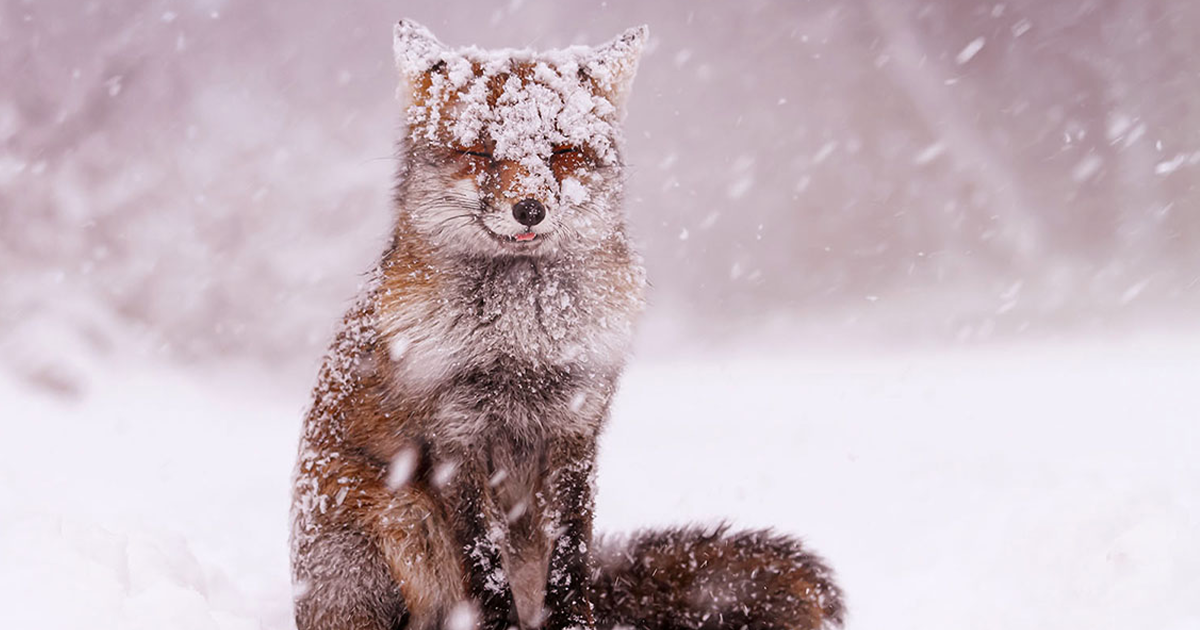

There are winter scenes that look pretty, and then there are winter scenes that look as if nature hired a set designer, ordered too much powdered sugar, and placed one perfectly dramatic fox in the middle of it. That is the feeling behind My 19 Pictures Of A Fox In Winter Wonderland: a quiet, snowy photo story about patience, wildlife, cold fingers, and one fox who clearly understood its best angles.
A fox in winter is not just a cute orange blur against white snow. It is a survival expert wrapped in fur, a hunter with astonishing hearing, a traveler that can read a frozen landscape better than most of us read road signs, and a living spark of color in a world that has temporarily turned monochrome. For photographers, nature lovers, and anyone who has ever stopped scrolling because of a snowy fox picture, this kind of scene has a special magic.
This article walks through the story behind 19 imagined frames of a winter fox photo essay, while also exploring real fox behavior, winter wildlife photography tips, and the simple reason these animals look so unforgettable in snow. Think of it as part nature journal, part field guide, and part love letter to the small wild moments that make winter feel less like a season and more like a movie with excellent lighting.
Why A Fox In Snow Captures Our Attention
A red fox in a snowy landscape creates one of nature’s most satisfying contrasts. The rusty orange coat, black legs, white-tipped tail, and sharp triangular ears stand out beautifully against blue shadows and clean white snow. Even before the fox does anything dramatic, the scene already has visual tension. The animal looks warm, quick, alert, and slightly mischievous, like it knows something you do not and has no intention of explaining.
Red foxes are widely distributed across much of North America and are highly adaptable. They can live near forests, open fields, wetlands, farms, suburbs, and even city edges. Their flexible diet includes rodents, rabbits, birds, insects, fruit, and occasional carrion. That flexibility helps explain why foxes can remain active in winter, even when snow hides much of the landscape’s usual food supply.
In photographs, though, the science becomes emotion. A fox pausing in falling snow feels peaceful. A fox leaping nose-first into powder feels hilarious and heroic at the same time. A fox curled with its tail around its face looks like the official mascot of cozy survival. That combination of beauty and behavior is what makes winter fox photography so powerful.
The Story Behind The 19 Pictures
The best wildlife photo stories rarely begin with a grand plan. They begin with waiting. Lots of waiting. The kind of waiting where your toes start negotiating directly with your brain. The 19 pictures in this winter fox story follow a simple arc: discovery, observation, action, and goodbye. Each frame captures a different mood of the same wild morning.
Picture 1: The First Flash Of Orange
The first image is the classic moment of discovery: a fox stepping out from a line of frosted brush. Only part of its body is visible, but that orange coat immediately breaks the winter palette. The snow is still clean, the air looks cold, and the fox appears as if it has walked straight out of a fairytale that remembered to include paw prints.
Picture 2: Listening To The Snow
In the second frame, the fox stands motionless with its head slightly tilted. This is not a pose for the camera. It is hunting. Foxes often rely on sharp hearing to locate small mammals moving beneath grass, leaves, or snow. In winter, that stillness becomes especially photogenic. The animal looks calm, but every sense is working.
Picture 3: The Tail As A Winter Blanket
The third picture shows the fox sitting with its fluffy tail curved around its paws. A fox’s tail is not just decorative, though it absolutely wins style points. It helps with balance and warmth. In cold conditions, foxes may curl up and use their tails like built-in scarves. Humans invented winter accessories; foxes simply grew better ones.
Picture 4: Paw Prints Across Fresh Powder
This image focuses less on the fox and more on its trail. A line of neat paw prints crosses untouched snow, leading the viewer’s eye through the frame. Animal tracks add storytelling to winter wildlife photography. They show movement, direction, and mystery. Even if the fox briefly leaves the frame, the snow remembers where it went.
Picture 5: The Sideways Glance
Every fox photo collection needs at least one suspicious look. In this picture, the fox glances sideways, ears forward and eyes bright. It is not fear; it is awareness. Ethical wildlife photography depends on respecting that awareness. A good photo should never require crowding, chasing, feeding, or disturbing the animal. The best images happen when wildlife continues behaving naturally.
Picture 6: Nose To The Wind
The sixth frame catches the fox lifting its muzzle toward the breeze. Smell matters in a fox’s world. Under the snow, winter is full of hidden information: trails, tunnels, prey, old scents, and warnings. To us, the field may look blank. To the fox, it is a newspaper printed in invisible ink.
Picture 7: The Snow Pounce Begins
Here comes the action. The fox crouches, hind legs loaded like springs. This moment before a pounce is pure suspense. The body lowers, the ears lock onto a sound, and the eyes narrow. If winter wildlife photography has a drumroll, this is it.
Picture 8: Midair Fox Magic
The eighth picture is the showstopper: the fox airborne over the snow. Red foxes are famous for their dramatic winter hunting leaps, often called mousing. When they detect prey beneath the snow, they may jump high and dive headfirst into the powder. It looks like Olympic diving, if the athlete were orange, fluffy, and hunting lunch.
Picture 9: The Snow-Dive Landing
Not every elegant leap ends elegantly. This frame captures the fox landing nose-first in the snow. The back legs are up, the tail is flying, and dignity has temporarily left the building. Yet this funny-looking technique is serious survival behavior. Winter food can be hard to reach, and a successful pounce may mean the difference between a hungry morning and a full belly.
Picture 10: The Shake-Off
After the dive, the fox shakes snow from its face. Tiny crystals scatter in the cold air. This picture works because it shows personality without turning the animal into a cartoon. Wildlife photography is strongest when it lets animals be animals. Sometimes that means majestic. Sometimes that means face full of snow.
Picture 11: A Pause Under Frosted Branches
The eleventh image slows everything down again. The fox walks beneath branches coated in frost. A scene like this benefits from soft winter light. Snow can act like a reflector, bouncing brightness into shadows, but it can also fool a camera meter into making the image too gray. Careful exposure helps preserve the clean brightness of the snow while keeping detail in the fox’s fur.
Picture 12: The Close Portrait From A Safe Distance
This portrait shows the fox’s face, but it is important to imagine it made with a telephoto lens, not by walking too close. The eyes are sharp, the whiskers are visible, and the ears are alert. Responsible photographers use long lenses, patience, and distance. If an animal changes its behavior because of the photographer, the photographer is too close.
Picture 13: Blue Shadows And Orange Fur
Winter shade often turns blue, especially in early morning or late afternoon. Against that cool background, the fox’s coat looks even warmer. This contrast is one reason fox winter photography performs so well online. It has instant visual clarity: warm subject, cool world, simple story.
Picture 14: The Quiet Walk
In this picture, the fox moves slowly across the open field. There is no pounce, no stare, no dramatic pose. Just walking. These quieter frames matter because they create rhythm in a photo essay. Not every picture needs fireworks. Sometimes a single set of paw prints and a calm stride say more than a leap.
Picture 15: Snowflakes On Whiskers
A light snowfall adds texture to a wildlife portrait. The trick is to keep the image natural. Flash can turn nearby snowflakes into bright distractions, so many winter photographers prefer available light when snow is falling. A fast enough shutter speed can freeze the flakes, while a slower one can make the storm feel soft and dreamy.
Picture 16: The Fox Against The White Horizon
Minimalist winter photos can be surprisingly powerful. In this frame, the fox is small in the composition, surrounded by white space. The image says something about scale: one small animal moving through a huge cold world. It also reminds us that winter beauty is not empty. It is full of life, if we are patient enough to notice it.
Picture 17: The Turn Back
The fox turns and looks back over its shoulder. This is the image that feels like a farewell before the farewell. Wildlife encounters often end this way: the animal pauses, acknowledges the landscape more than the photographer, and then continues on. The moment is brief, which is exactly why it feels valuable.
Picture 18: Disappearing Into The Trees
In the eighteenth picture, the fox slips toward a darker line of evergreens. The orange coat becomes less obvious. The snow is still bright, but the animal is returning to cover. This frame adds realism to the story. Wild animals are not props. They appear, they move through their own lives, and they leave when they choose.
Picture 19: Only Tracks Remain
The final picture contains no fox at all. It shows the last trail of paw prints curving into the trees. Ending the series this way gives the photo essay a quiet emotional close. The fox is gone, but the story remains written in snow. It is a gentle reminder that the best wildlife moments do not belong to us. We only get to witness them for a little while.
What Winter Teaches Us About Foxes
Winter reveals the fox’s intelligence in a very visual way. In warmer months, a fox may disappear into grass or shadows. In snow, every move becomes readable. You can see where it searched, where it paused, where it jumped, and where it changed direction. The landscape becomes a map of decisions.
Red foxes stay active through winter because they are adaptable hunters and opportunistic feeders. Small mammals such as mice, voles, rats, and rabbits are important parts of their diet. When snow covers the ground, foxes do not simply give up and wait for spring like the rest of us spiritually do around mid-January. They listen, stalk, dig, pounce, and keep moving.
Their winter coats also make them appear fuller and more dramatic. Thick fur helps mammals conserve warmth, while furry feet can help certain foxes move over cold surfaces more efficiently. In snowy regions, foxes become part of the winter system rather than victims of it. They are not surviving by accident; they are built for the season.
How To Photograph A Fox In A Winter Wonderland
Use Distance As A Creative Tool
The first rule of fox photography is simple: do not bother the fox. A telephoto lens lets you create intimate-looking images without invading the animal’s space. Distance is not a barrier to good photography. It is often the reason the photo looks natural in the first place.
Watch The Snow Exposure
Snow can confuse a camera into underexposing the scene, turning bright white into dull gray. Many photographers use exposure compensation, manual exposure, or the histogram to keep snow bright without losing detail. The goal is not to make the image look fake. The goal is to make the snow look the way it felt: clean, cold, and luminous.
Protect Your Batteries And Your Patience
Cold weather drains batteries faster, and it also drains photographers faster. Spare batteries in an inside pocket are a small detail that can save a morning. Warm gloves, waterproof boots, quiet clothing, and a thermos also help. Wildlife photography is easier when your brain is not busy composing a dramatic goodbye letter to your toes.
Let Behavior Tell The Story
A beautiful fox portrait is wonderful, but behavior makes the photo unforgettable. Listening, pouncing, shaking off snow, following tracks, or curling into the wind all reveal something real about the animal. Instead of forcing a perfect shot, observe what the fox is already doing. Nature usually has better direction than we do.
A 500-Word Field Experience: What The Fox Morning Felt Like
The morning began with that particular winter silence that makes every sound feel expensive. Snow covered the field in a smooth layer, and the trees looked as though someone had outlined each branch with a white pencil. I had arrived early, mostly because winter light is best before the world gets busy, and partly because wildlife does not care about comfortable schedules. If a fox plans to hunt at sunrise, the photographer either shows up or enjoys a lovely collection of empty landscape photos.
At first, nothing moved. I watched the edge of the field until my eyes began inventing animals out of stumps, shadows, and clumps of grass. Then a real shape appeared: low, orange, and deliberate. The fox did not rush. It slipped from the brush with the calm confidence of an animal that knew exactly where it was and exactly what it was doing. I raised the camera slowly, trying not to make the kind of sudden movement that ruins both photographs and personal dignity.
What surprised me most was how often the fox stopped. It would take a few steps, freeze, tilt its head, and listen. From where I stood, the snow looked silent and empty. To the fox, it must have been full of tiny underground noises. That was the real wonder of the morning. The fox was not posing in a winter wonderland. It was working. The beauty was simply what survival looked like from a distance.
The first pounce happened so quickly that I almost missed it. One second the fox was still; the next it launched upward and vanished face-first into the snow. I clicked through the sequence, half thrilled and half laughing. When it popped back up, snow dusted its muzzle and ears. It looked briefly offended by winter, which made the whole scene even better.
After that, the fox crossed the field in a loose zigzag, following clues I could not see. Some images were sharp portraits. Others were wider frames showing the huge white space around it. A few were imperfect: a branch in the way, a shutter speed slightly too slow, a composition I would generously describe as “emotionally experimental.” But together they told the truth of the morning better than one perfect image could.
Eventually, the fox turned toward the trees. It paused once, looked back, and then disappeared into the darker woods. I kept the camera raised for a moment after it was gone, as if the fox might return for a final bow. It did not. Only the tracks remained, curving through the snow. That was enough. The best wildlife encounters leave you with pictures, yes, but also with a quieter kind of gratitude: the feeling that the world is still full of small, wild stories happening just beyond our usual hurry.
Conclusion: A Fox, A Snowfield, And A Story Worth Keeping
My 19 Pictures Of A Fox In Winter Wonderland is more than a collection of pretty winter wildlife images. It is a reminder that foxes are not just symbols of cleverness; they are skilled, adaptable animals living complex lives in difficult conditions. Snow makes them easier for us to admire, but it also reveals how hard they work to survive.
From the first flash of orange in the brush to the final paw prints fading into the trees, a winter fox photo essay works because it combines beauty, behavior, and mystery. The fox never explains itself. It simply moves through the cold with purpose. And for a photographer, that is more than enough.
Note: This article is written as original, publication-ready HTML content. The wildlife photography approach described here emphasizes distance, patience, and respect for the animal, with no baiting, chasing, or disturbance.