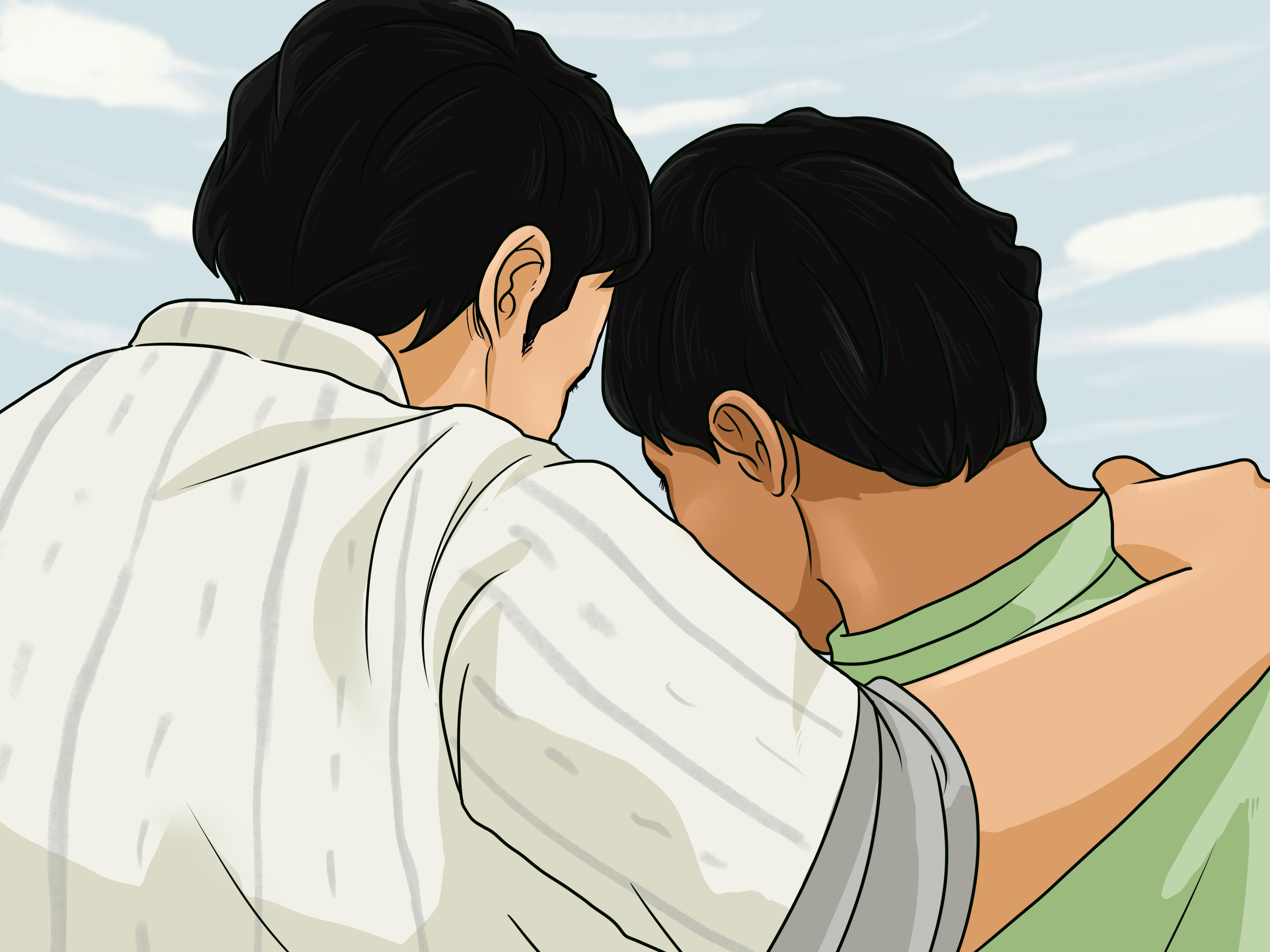

We all know the type of moment. Someone slams a cabinet, answers in one-word sentences, sighs like they’re auditioning for a dramatic weather forecast, and suddenly the whole room feels like it has been downgraded to “partly hostile.” A bad mood can show up at home, at work, in traffic, over text, or five minutes before dinner when everyone is already running on fumes and caffeine fumes.
The tricky part is that bad moods are contagious. One grumpy person can turn a normal Tuesday into an emotional group project nobody volunteered for. But handling someone who is in a bad mood does not require mind reading, therapy-speak, or saint-level patience. It usually comes down to staying steady, listening well, setting smart boundaries, and knowing when to help versus when to back off.
If you want to support someone without getting pulled into their storm cloud, these practical strategies can help. Here are 13 ways to handle someone who is in a bad mood without losing your own mind in the process.
Why Bad Moods Can Be So Hard to Manage
A bad mood is not always about you, even when it lands in your lap. Someone may be stressed, overtired, overwhelmed, embarrassed, hungry, disappointed, anxious, or simply having a rough day. That does not excuse rude behavior, but it does explain why logic often fails in the first five minutes of a tense interaction. People who feel emotionally overloaded are often not ready for lectures, instant solutions, or a cheerful “Look on the bright side!” delivered with the confidence of a motivational coffee mug.
What usually works better is a mix of calm presence, validation, timing, and limits. In other words: less “fixing mode,” more “steady human mode.”
1. Don’t Take the Mood Personally Right Away
The first rule of dealing with someone in a bad mood is simple: do not immediately assume you caused it. Maybe you did. Maybe you forgot the thing, said the wrong joke, or texted “K” when a full sentence was required. But plenty of bad moods have nothing to do with the nearest available person.
If you react as though every frown is a personal attack, you will escalate the situation before you even know what is going on. Start with curiosity instead of defensiveness. A calm “You seem off today” works better than “What did I do now?”
This shift matters because defensive energy often makes the other person feel more misunderstood, not less. The goal is to gather information before you build a courtroom case in your head.
2. Regulate Yourself Before You Try to Regulate Them
If the other person is tense and you immediately match that energy, congratulations, you have both become the problem. Before you respond, take a breath. Relax your face. Unclench your jaw. Lower your voice. That tiny pause can keep the moment from turning into a full-blown argument over something dumb, like a spoon, an email, or who moved the charger.
Your calm does not magically fix their mood, but it can keep the conversation constructive. Think of yourself as the emotional shock absorber in the room. You do not have to be robotic. You just need to avoid pouring lighter fluid on a spark.
3. Use Active Listening Instead of Instant Advice
When people are irritated, many of them want to feel heard before they want to be helped. That is where active listening comes in. Instead of jumping straight to advice, reflect back what you are hearing.
Try lines like:
- “It sounds like today has been a lot.”
- “So the meeting went sideways, and now you’re frustrated.”
- “You’re not mad about the coffee. You’re mad about everything that happened before the coffee.”
This technique sounds simple because it is simple. It also works because it helps the other person feel understood. And once people feel heard, they are usually less likely to keep turning up the volume.
4. Validate the Feeling Without Endorsing Bad Behavior
Validation is one of the most useful tools when someone is in a bad mood. It means acknowledging that their feelings make sense from their point of view. It does not mean agreeing with every word, approving every behavior, or pretending their snippy comment was charming.
You can say:
- “I can see why that upset you.”
- “That sounds really frustrating.”
- “Anyone would feel thrown off after a day like that.”
What you want to avoid is accidental invalidation, like “You’re overreacting,” “It’s not a big deal,” or “Just calm down,” which is historically one of the least calming sentences ever created.
Validation often lowers the temperature because it tells the person they do not have to fight to prove they are having a feeling.
5. Ask What They Need Instead of Guessing
Some people want to vent. Some want advice. Some want a snack, a shower, and 20 minutes of silence. If you guess wrong, even your kindness can be annoying. So ask.
Helpful questions include:
- “Do you want me to just listen, or help you think through it?”
- “Would space help right now?”
- “What would make this moment easier?”
This approach is respectful because it gives the other person some control when they may feel like everything else is out of control. It also saves you from playing emotional darts in the dark.
6. Give Them Space When Space Is the Smart Choice
Not every mood needs a discussion right this second. Some people process emotions by talking. Others process by getting quiet first. If someone is too irritated, tired, or overloaded to have a useful conversation, stepping back can be the wisest move.
Space does not have to sound cold. You can say, “I’m here when you want to talk,” or “Let’s revisit this after we both reset a little.” That communicates care without pressure.
The key is to make space feel supportive, not punishing. There is a difference between giving someone room and giving them the silent-treatment version of a courtroom exile.
7. Keep Your Tone Soft and Your Words Simple
When emotions run high, long speeches rarely land well. This is not the moment for a TED Talk, a legal brief, or a dramatic monologue with chapter headings. Keep your tone calm and your language clear.
Try short, grounding phrases:
- “I’m listening.”
- “Let’s slow down.”
- “I want to understand.”
- “We can figure this out.”
A steady tone signals safety. A sharp tone, even with good intentions, can sound like criticism. And once the other person feels judged, the conversation often turns into self-defense instead of problem-solving.
8. Don’t Rush to Fix Everything
Many of us respond to a bad mood by trying to solve it at top speed. We offer strategies, spreadsheets, optimistic speeches, and maybe an unsolicited three-step plan. Sometimes that helps. Other times it makes the person feel like their emotions are being treated as an inconvenience that needs rapid disposal.
Before switching into solution mode, make sure they are ready for it. Listening first and solving second is often the better order. A person who feels heard is more likely to accept help. A person who feels managed may reject even good advice out of pure irritation.
In other words, do not show up with a wrench when the other person is still explaining that the house is on fire.
9. Use Gentle Humor Carefully
Humor can help, but only if it is warm, well-timed, and respectful. A light joke can break tension. A sarcastic joke can start a sequel nobody wanted. If the other person is truly upset, teasing them about being moody will probably go over about as well as tap dancing in a library.
The safest kind of humor is soft, shared, and never at their expense. Think of a tiny smile, a familiar inside joke, or a playful observation that says, “We’re okay,” not “You’re ridiculous.” When in doubt, skip the comedy special and stay kind.
10. Set Boundaries if the Mood Turns Mean
Supporting someone does not mean accepting verbal abuse, intimidation, or repeated disrespect. A bad mood may explain behavior, but it does not automatically excuse it. If the person starts yelling, insulting, mocking, or acting aggressively, boundaries matter.
You can be firm without being cruel:
- “I want to talk about this, but not if I’m being yelled at.”
- “I’m willing to listen when we can both speak respectfully.”
- “I’m stepping away for now because this isn’t productive.”
Boundaries are not punishment. They are structure. They protect the relationship and your well-being at the same time.
11. Pick the Right Time for the Real Conversation
If the bad mood is tied to an ongoing issue, the best conversation may need to happen later, not in the emotional splash zone. Timing matters. People are more receptive when they are calmer, fed, rested, and less likely to answer every question like it is an accusation.
Later on, you might say, “Can we talk about what happened earlier?” or “I want to understand what was going on for you, and also share how it affected me.” This is where “I” statements shine. They reduce blame and make honest communication easier.
For example, “I felt shut out when you snapped at me” is usually more effective than “You always ruin the mood.” One invites discussion. The other invites a sequel argument.
12. Protect Your Own Energy
Being around someone who is constantly in a bad mood can wear you down. If every interaction feels like emotional weather you must survive, pay attention to your own stress level. You are allowed to recharge. You are allowed to say no. You are allowed to take a break from being the unpaid manager of someone else’s emotional climate.
Sometimes the healthiest move is to pause, go for a walk, call a friend, drink water, or do something grounding before re-engaging. Supporting others works best when you are not already running on empty.
This is especially important in close relationships. Love is not the same thing as unlimited emotional availability. You can care deeply and still need space.
13. Know When It’s More Than “Just a Bad Mood”
Sometimes a bad mood is simply a bad day. Other times it may be a sign of something deeper, especially if irritability, sadness, hopelessness, anger, sleep changes, or withdrawal are persistent and affecting daily life. If that seems to be happening, encourage support rather than trying to carry the whole situation alone.
You might say, “You’ve seemed really overwhelmed lately. Have you thought about talking to a counselor or doctor?” Keep it gentle, specific, and nonjudgmental. The goal is not to diagnose the person over leftover pasta. It is to notice patterns and encourage real help when needed.
If there are concerns about self-harm, threats, or safety, treat that seriously and seek immediate professional or emergency support.
What Not to Do When Someone Is in a Bad Mood
- Don’t mock them. Even if the mood seems silly to you, ridicule usually worsens things.
- Don’t compete with their feelings. “You think your day was bad?” is not the empathy award winner you may think it is.
- Don’t force positivity. Not everyone wants silver linings when they are still standing in the rain.
- Don’t chase every withdrawal. A little space can be healthier than relentless “What’s wrong?” follow-ups.
- Don’t excuse harmful behavior forever. Compassion and boundaries belong in the same room.
Extra Experiences: What This Looks Like in Real Life
In real life, handling someone in a bad mood often looks less polished than internet advice makes it seem. Maybe it is your partner coming home from work and answering every question like they are trying to set a world record for shortest possible response. You ask, “Long day?” They say, “Fine.” You say, “That didn’t sound fine.” Now you are both standing in the kitchen next to a melting bag of groceries, negotiating with the emotional equivalent of a thunderstorm. In moments like that, the best move is rarely brilliance. It is steadiness. A calm “I’m here if you want to talk” can do more than ten eager attempts to pry the mood open.
The same thing happens in friendships. Maybe a friend starts texting more sharply than usual, leaves messages on read, or seems irritated by things that normally would not matter. It is tempting to respond with equal energy and think, “Oh, so that’s what we’re doing now?” But often the wiser move is to check in without accusation. “You seem stressed. Did I catch you at a bad time?” gives the other person a chance to reset without turning the interaction into a duel.
At work, bad moods can be even more awkward because nobody wants to be trapped in a passive-aggressive email exchange that somehow ends with three people CC’d and one person dramatically writing “per my last message.” A moody coworker may not need a deep emotional conversation. They may just need less friction. A short, respectful response, a clarifying question, or a quick “Let’s regroup later” can keep the tension from spreading through the team like office flu.
Family situations are their own special category. Sometimes the person in a bad mood is someone you love deeply and know extremely well, which means you also know exactly which sentence will make things worse. This is where restraint becomes a superpower. Not bringing up old grievances, not making a sarcastic comment, and not insisting on immediate emotional clarity can save everyone a lot of regret. Sometimes the most mature thing you can do is make tea, lower the volume in the room, and revisit the issue after everyone has returned to human form.
And yes, sometimes you are the one in the bad mood. That can actually make you better at handling it in others. You know how it feels when someone tries to “fix” you too quickly, dismisses your frustration, or keeps poking at you when all you really need is ten quiet minutes and a sandwich. Remembering that can make your response more patient, more respectful, and much more effective.
The big lesson from experience is this: people in bad moods usually respond best to a combination of empathy, boundaries, timing, and calm. Not perfection. Not magic. Just emotionally intelligent basics done consistently. That may not sound glamorous, but it works a lot better than arguing with a grumpy person like you are trying to win a trophy.
Conclusion
Knowing how to handle someone who is in a bad mood is really about balance. You want to be kind without becoming a target, supportive without becoming responsible for every emotion in the room, and patient without pretending that hurtful behavior is okay. The best responses are usually the least dramatic ones: stay calm, listen well, validate what is real, ask what they need, and set boundaries when necessary.
Bad moods are part of being human. They happen in marriages, friendships, offices, carpools, family dinners, and checkout lines. But they do not have to take over the whole interaction. With the right approach, you can help defuse tension, protect your own peace, and maybe even guide the moment back toward something a little more civilized than emotional thunder.
SEO Tags