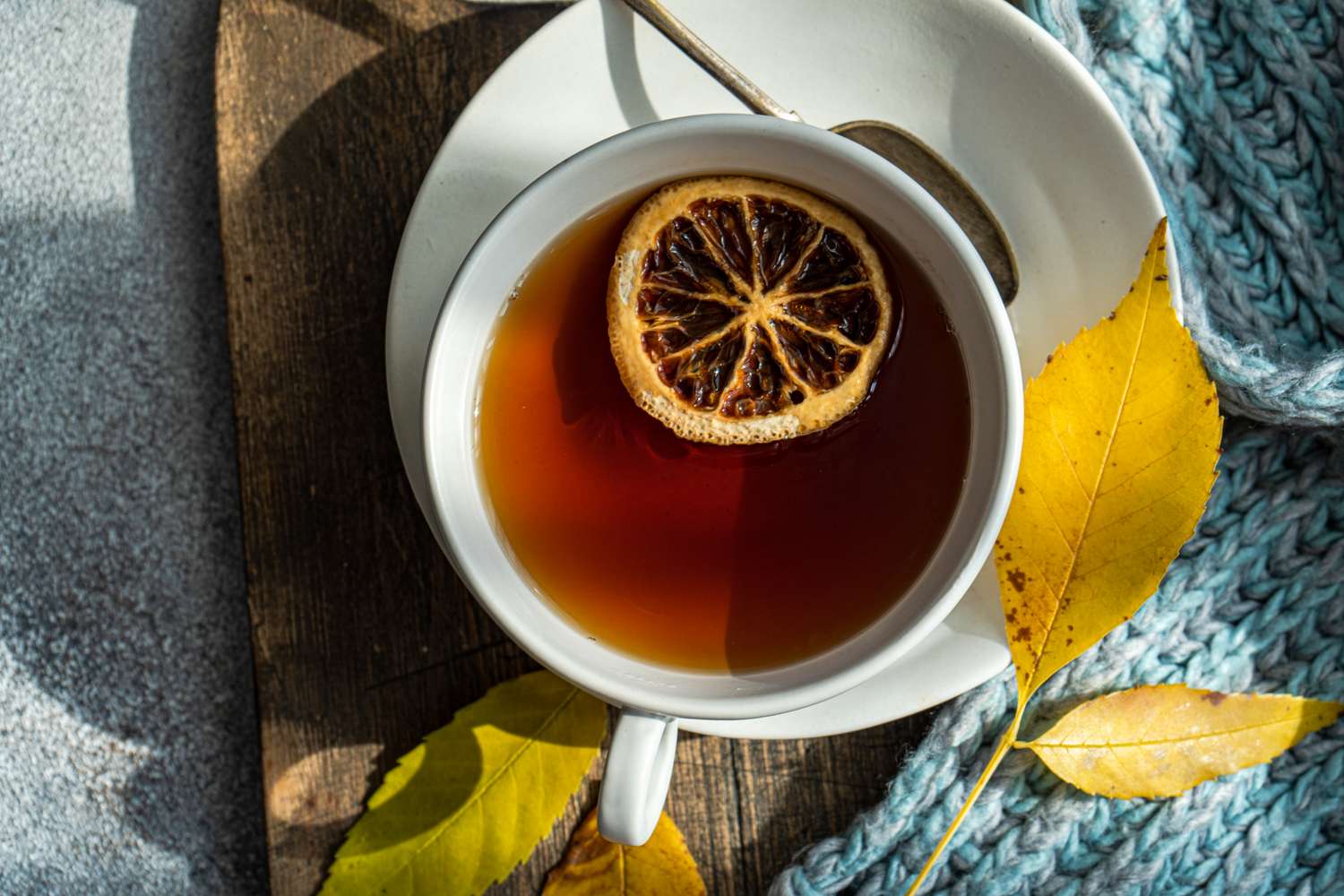

Fall is a show-off. It rolls in with crisp air, orange leaves, oversized sweaters, soup season, and the dangerous belief that one cinnamon-scented candle can solve every life problem. It also arrives with a less adorable sidekick: cold, flu, COVID-19, RSV, dry indoor air, busier schedules, and that yearly moment when everyone starts coughing in stereo.
If you are looking for ways to support your health this season, the good news is that you do not need a miracle powder, a trendy “wellness shot,” or a supplement collection that rattles like a maraca. Your immune system does not need drama. It needs steady support. That means better sleep, nourishing food, regular movement, lower stress, and smart habits that reduce exposure to germs.
So instead of chasing a fake overnight “immune system boost,” think of fall as the perfect season to build cozy routines that actually work. Here are five realistic, science-informed ways to support your immune health this fall without turning your kitchen into a supplement showroom.
1. Build Your Fall Meals Around Comfort Foods That Actually Love You Back
Comfort food gets a bad rap, mostly because people assume it has to involve a mountain of cheese and a nap you did not schedule. But truly cozy fall eating can be both satisfying and helpful for immune health. The trick is to build meals around the basics your body uses every day: fruits and vegetables, whole grains, protein, healthy fats, and enough fluids.
That sounds suspiciously responsible, but stay with me. Think oatmeal with nuts and berries instead of a sugar bomb breakfast. Think chicken-and-vegetable soup, lentil stew, chili with beans, roasted sweet potatoes, Greek yogurt with fruit, or a grain bowl with salmon and greens. These foods bring a mix of vitamins, minerals, fiber, antioxidants, and protein that help support normal immune function rather than promising comic-book powers.
Fall makes this easier because the season is basically a farmers market in a cardigan. Squash, carrots, apples, pears, mushrooms, Brussels sprouts, sweet potatoes, pumpkin, leafy greens, beans, oats, and whole grains all fit naturally into the weather. Add foods that support gut health too, because your gut and immune system are closely connected. Yogurt, kefir, kimchi, sauerkraut, and other fermented foods can pair nicely with fiber-rich foods like oats, beans, fruit, vegetables, nuts, and seeds.
What to put on the plate
- Color: Aim for produce in more than one color each day. Orange sweet potatoes, dark greens, red apples, purple cabbage, and berries are doing more than making your plate look photogenic.
- Protein: Include beans, lentils, eggs, fish, poultry, tofu, or yogurt to help support the building and repair work your body handles constantly.
- Fiber: Oats, beans, fruit, vegetables, nuts, and whole grains help feed beneficial gut bacteria.
- Healthy fats: Nuts, seeds, olive oil, and fatty fish can help round out meals and make them more filling.
- Hydration: Water still matters when the weather cools off and your thirst cue decides to ghost you.
One more fall-specific note: when daylight drops and outdoor time shrinks, some people may have a harder time maintaining vitamin D status. Food-first options like fortified dairy or plant milks, fortified cereals, eggs, and fatty fish can help. Supplements may be useful in some cases, but they are not a substitute for an overall healthy routine, and they are best discussed with a clinician if you think you may be low.
In other words, let your immune support start in the soup pot, not the impulse-buy aisle.
2. Treat Sleep Like a Nightly Appointment With Your Health
If fall had a secret weapon, it would be darkness by 6:00 p.m. Suddenly the entire season feels like a gentle suggestion to slow down. Your immune system would like you to take the hint.
Sleep is one of the most powerful ways to support overall health, including immune function. Adults generally need around seven to nine hours each night, yet many people treat bedtime like an optional side quest. Then they wonder why they feel run-down, cranky, snacky, and one minor inconvenience away from becoming a Victorian ghost.
Poor sleep is linked with a long list of health problems, and it also makes it harder for the body to function at its best. Fall is a great time to fix your routine because the season naturally invites calmer evenings. Lean into that.
Make your evenings more sleep-friendly
- Set a regular bedtime and wake time, even on weekends.
- Dim lights and lower stimulation in the hour before bed.
- Keep caffeine from creeping too late into the day.
- Try a wind-down ritual: shower, tea, reading, stretching, breathing exercises, or soft music.
- Keep the bedroom cool, dark, and quiet.
The point is not to create a perfect bedtime performance worthy of a wellness influencer who owns twelve linen robes. The point is consistency. A simple routine repeated most nights usually beats an elaborate routine done twice and then forgotten under a pile of laundry.
If you snore heavily, wake up gasping, have chronic insomnia, or feel exhausted no matter how much you sleep, it is worth talking with a healthcare professional. Sleep problems are common, but “common” and “normal” are not the same thing.
3. Move Your Body in Cozy, Sustainable Ways
When people hear “exercise,” many instantly picture punishment. Treadmills. Burpees. Someone shouting “feel the burn” with suspicious enthusiasm. But exercise that supports health does not have to be intense, expensive, or deeply annoying.
Regular movement helps your body in multiple ways. It supports cardiovascular health, improves mood, helps manage stress, can reduce inflammation, and may support immune function. It also helps offset the fall-and-winter tendency to become one with the couch.
Aim for steady movement instead of dramatic athletic declarations. A brisk walk, a bike ride, a dance break, a yoga session, light strength training, a hike in cool weather, or even active housework can all count. Current guidance for adults generally points to at least 150 minutes of moderate-intensity activity per week, plus muscle-strengthening activity on two days a week. That sounds official because it is, but it is also flexible. Ten minutes here and there still matter.
Cozy fall ways to move more
- Take a post-dinner walk while the air feels crisp and your group chat remains unanswered.
- Do a 20-minute bodyweight routine before your shower.
- Stretch while listening to a podcast or audiobook.
- Go leaf-peeping on foot instead of by car when possible.
- Use colder weather as an excuse for layers, not inactivity.
The goal is not to become a fitness legend by Thanksgiving. The goal is to keep your body moving often enough that your joints, circulation, sleep, mood, and stress levels all get some love. Your immune system appreciates the teamwork.
4. Turn Down the Stress Volume With Simple Fall Rituals
Stress is not just “in your head.” Chronic stress can affect sleep, eating habits, energy, mood, and the body’s inflammatory processes. Translation: when life feels like twelve browser tabs playing audio at once, your health notices.
That is why stress management belongs in any real conversation about immune support. Not because you need to become perfectly calm like a mountain monk who makes his own herbal tea, but because chronic overwhelm can wear you down over time.
Fall is actually a great season for gentler, grounding rituals. The weather nudges people indoors. Schedules become more structured. The vibe is naturally slower than summer. Use that.
Low-drama ways to reduce stress this fall
- Try five minutes of breathing or mindfulness: Short sessions still count.
- Protect quiet moments: Morning journaling, evening reading, or simply sitting without a screen can help your nervous system unclench.
- Stay socially connected: Share dinner, call a friend, or walk with a neighbor. Cozy companionship is underrated medicine for a stressful week.
- Do less, on purpose: Not every invitation, errand, and school event must become a full-contact sport.
- Get outside in daylight: Fresh air and natural light can help mood and support healthier routines.
Mindfulness and meditation are not magic, but they are practical tools. Even brief practices can help some people feel calmer and sleep better. And when sleep improves, stress often becomes more manageable too. Healthy routines tend to travel in packs.
If your stress feels constant, affects school or work, triggers panic, or starts spilling into sleep and appetite in a major way, getting support from a mental health professional can make a real difference. That is not weakness. That is maintenance.
5. Make Your Home a Germ-Smart Zone for Fall
Now for the least glamorous but highly effective part of the cozy immune plan: reducing the number of germs you invite to the party in the first place.
Fall and winter are prime time for respiratory viruses. You cannot create a force field around yourself, and sadly your chunky knit blanket offers no antiviral properties. But you can lower risk with practical habits.
Smart fall prevention habits
- Stay up to date on vaccines: Seasonal flu vaccination is recommended for everyone age 6 months and older, with rare exceptions. COVID-19 and RSV recommendations vary by age and risk, so check what is current for you or your family.
- Wash your hands well: Soap, water, and about 20 seconds still do excellent work.
- Cover coughs and sneezes: Your elbow is more useful than you think.
- Clean high-touch surfaces: Think doorknobs, remotes, phones, counters, and anything children seem determined to lick.
- Stay home when sick when possible: Rest helps you recover, and it also keeps you from becoming the unofficial distributor of respiratory misery.
Also, do not forget the basics that sound boring because they work. Drink enough water. Eat regularly. Open a window now and then if weather allows. Keep tissues nearby. Rest when your body asks for it the first time instead of the fifth.
The truth is that supporting your immune system is partly about building resilience and partly about reducing the number of chances germs get to test that resilience. Both matter.
A Realistic Fall Routine That Pulls It All Together
If all of this sounds good in theory but overwhelming in real life, here is the simpler version: choose one habit for mornings, one for evenings, and one for the middle of the day.
For example, breakfast could be oatmeal with fruit and nuts. Midday could be a 15-minute walk outside or a quick stretch break. Evening could be soup and a consistent bedtime. Add water, handwashing, and an updated vaccine plan, and suddenly you have a fall health routine that looks suspiciously doable.
The best immune-supporting habits are the ones you can repeat. Not once. Not when you feel guilty. Not only after someone in your house starts coughing like a Victorian orphan. Repeatedly. Calmly. Imperfectly. That is where real health gains usually live.
Fall Experiences That Make These Habits Feel Real
There is something about fall that makes people suddenly interested in becoming a better version of themselves. Maybe it is the new-school-year energy. Maybe it is the first chilly morning that whispers, “You should probably start taking care of yourself before cold-and-flu season fully clocks in.” Either way, this season creates the perfect stage for small health habits to become memorable experiences.
Take the classic weeknight scene: you come home tired, the sun has already packed up for the day, and your motivation is somewhere under a blanket pretending not to hear its name. In summer, that mood might end in takeout and scrolling. In fall, it can become a giant pot of soup. You chop onions, carrots, garlic, beans, or chicken, and suddenly your kitchen smells like competence. The meal feels comforting, but it also gives you fiber, protein, fluid, and produce in one bowl. That is the kind of experience that teaches you healthy food does not have to feel like punishment.
Or think about the experience of going for a walk in October. In July, walking can feel like starring in a survival documentary. In fall, it feels cinematic. The air is cooler, the pace is easier, and even a short walk after dinner can help clear your head. People often notice they sleep better on days they moved more, especially when that movement happened outdoors. It does not need to be a heroic hike. Sometimes the most useful wellness moment is just ten quiet minutes under trees that are showing off.
Even bedtime changes in fall. The darker evenings make it easier to lean into sleep instead of fighting it like sleep personally insulted you. Many people find that once they create a small ritual, such as herbal tea, warm shower, low lights, and a book, bedtime stops feeling like a chore and starts feeling like relief. The experience of waking up less groggy after a week of better sleep is one of the fastest ways to become loyal to a new routine.
There is also the emotional side of the season. Fall can be busy, but it can also be grounding. A family meal, a quiet Sunday afternoon, a quick breathing exercise before work, or calling a friend while making dinner can reduce stress in ways that are easy to underestimate. You may not feel an instant fireworks display in your immune system, but you do feel steadier. And steadier is powerful.
That is really the beauty of these cozy fall habits. They do not ask you to become someone else. They just ask you to make your real life a little warmer, a little calmer, and a little more supportive of your health. The soup helps. The sleep helps. The walk helps. The handwashing absolutely helps. Put them together, and fall starts feeling less like a season to “survive” and more like a season that quietly helps you take better care of yourself.
Conclusion
If you want to support your immune system this fall, skip the fantasy of the instant fix. No single tea, vitamin, or “superfood” makes you invincible. But a handful of cozy, repeatable habits can absolutely move life in a healthier direction. Eat nourishing comfort foods, sleep like it matters, move your body regularly, lower the stress load, and make your home a little smarter about germs. It is not flashy, but it is real. And real tends to work better than hype.