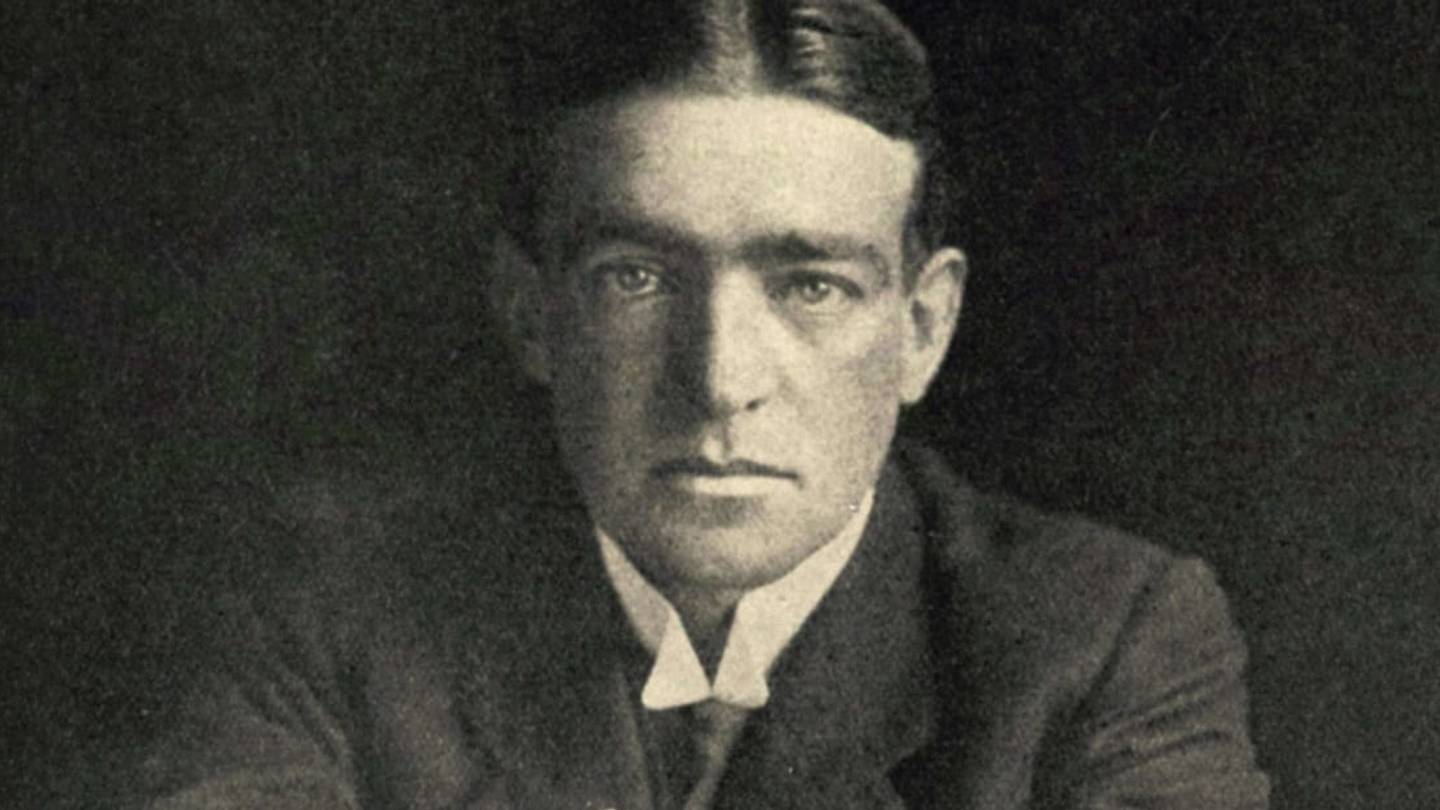

Sir Ernest Shackleton is one of those historical figures who makes modern “roughing it” look adorable. Missed Wi-Fi? He watched his ship get crushed by Antarctic ice. Bad commute? He crossed stormy Southern Ocean water in a tiny lifeboat. Team meeting went badly? He kept 27 men alive after their original mission collapsed before it even properly began.
Born in Ireland, raised partly in England, and remembered as one of the greatest polar explorers of the Heroic Age of Antarctic Exploration, Shackleton never became the first person to reach the South Pole. He did something arguably more impressive: he became a symbol of leadership under impossible pressure. His story is not just about ice, ships, and frostbitten ambition. It is about judgment, morale, resilience, and knowing when survival matters more than glory.
Below are 11 fascinating facts about Sir Ernest Shackleton, from his early life and Antarctic expeditions to the legendary survival story of the Endurance.
1. Sir Ernest Shackleton Was Born in Ireland, Not Antarctica’s Gift Shop
Ernest Henry Shackleton was born on February 15, 1874, in Kilkea, County Kildare, Ireland. Although he later became forever associated with Antarctica, his story began far from the frozen south. His family eventually moved to England, and Shackleton grew up in a world fascinated by empire, exploration, science, and heroic adventure.
As a young man, Shackleton was not exactly a classroom-loving scholar. He preferred action to academic routine and left school at 16 to join the merchant navy. That choice shaped everything that followed. Years at sea taught him navigation, discipline, hardship, and how to live in close quarters with people who could not simply mute each other and leave the Zoom call.
This maritime background helped prepare him for polar travel. Antarctic exploration required more than courage. It demanded seamanship, logistics, weather sense, and the ability to manage personalities under stress. Shackleton’s early career gave him practical tools that later became essential when theory, plans, and maps failed.
2. He Joined Robert Falcon Scott’s Discovery Expedition
Before Shackleton became a famous expedition leader, he served under Captain Robert Falcon Scott on the British National Antarctic Expedition, also known as the Discovery Expedition, from 1901 to 1904. This was one of the major British attempts to explore Antarctica during the early 20th century.
During that expedition, Scott, Shackleton, and Edward Wilson made a southern journey across the Ross Ice Shelf and reached a record farthest south at the time. The trip was brutal. The men suffered from exhaustion, poor nutrition, and severe cold. Shackleton’s health declined badly enough that Scott sent him home early.
That early setback mattered. Some people might have treated it as the end of a polar career. Shackleton treated it like a very cold first draft. He learned from the experience and later returned to Antarctica with his own leadership style: less rigid, more emotionally intelligent, and intensely focused on the welfare of his men.
3. Shackleton Came Within 97 Miles of the South Pole
In 1907, Shackleton led the British Antarctic Expedition aboard the Nimrod. His goal was to reach the South Pole. He did not make it, but he came astonishingly close. In January 1909, Shackleton and his small party reached 88 degrees 23 minutes south, about 97 geographical miles from the pole.
Then he turned back.
That decision became one of the defining moments of his career. Shackleton knew that pushing onward might win fame but could cost lives. Food was low, the men were weakened, and the return journey remained dangerous. Instead of gambling with human life for a headline, he chose survival.
His famous reported explanation to his wife captured the choice perfectly: she would rather have “a live donkey than a dead lion.” It was funny, humble, and deeply revealing. Shackleton wanted achievement, but not at any price. In an age that often celebrated heroic sacrifice, he understood the higher value of bringing people home.
4. He Was Knighted for the Nimrod Expedition
Although Shackleton did not reach the South Pole, the Nimrod expedition was a major success. His team reached a new farthest south, climbed or explored important Antarctic terrain, and contributed valuable scientific observations. Members of the expedition also reached the area of the South Magnetic Pole.
When Shackleton returned to Britain, he was celebrated as a national hero. He received a knighthood, becoming Sir Ernest Shackleton. Fame followed, but so did financial pressure. Like many explorers of his era, Shackleton had to raise money, court sponsors, lecture publicly, and turn adventure into a funding machine.
In other words, polar exploration required both courage and a very persuasive sales pitch. Shackleton was good at both. He could inspire wealthy backers, recruit loyal crew members, and sell the public on big dreams involving places where the weather was basically trying to delete everyone.
5. His Most Famous Expedition Failed Before It Began
Shackleton’s best-known adventure was the Imperial Trans-Antarctic Expedition of 1914–1916. The plan was bold: cross Antarctica from the Weddell Sea to the Ross Sea by way of the South Pole. At the time, reaching the pole had already been achieved by Roald Amundsen in 1911, so Shackleton needed a new “great first.” Crossing the entire continent became that goal.
The expedition ship was named Endurance, after the Shackleton family motto: “By endurance we conquer.” As slogans go, it was almost suspiciously accurate.
The problem was that the Endurance never reached the Antarctic coast where the crossing was supposed to begin. It became trapped in the pack ice of the Weddell Sea in early 1915. For months, the ship drifted with the ice. Eventually, pressure from the ice crushed the vessel beyond saving.
The mission to cross Antarctica was over. The new mission was much simpler and much harder: stay alive.
6. Every Member of the Endurance Crew Survived
The survival of Shackleton’s entire Endurance crew is the central reason his name still matters. After the ship was trapped, crushed, and abandoned, Shackleton and his men lived on drifting ice floes. They salvaged supplies, launched lifeboats, and eventually reached Elephant Island, a remote and inhospitable place far from regular rescue routes.
There were 28 men in total, including Shackleton. All survived. That outcome was extraordinary. The men faced cold, hunger, isolation, uncertainty, and physical danger for many months. Morale could have collapsed. Discipline could have broken. Instead, Shackleton kept the group focused on the next practical step.
His leadership was not magical. It was active, daily, and deliberate. He assigned duties, watched emotional tension, encouraged routines, and kept hope alive without pretending things were easy. He understood that despair can spread through a group faster than bad weather. So he managed mood as carefully as food.
7. The James Caird Voyage Was an 800-Mile Gamble
Once the men reached Elephant Island, Shackleton knew waiting passively was dangerous. The island was remote, and no one was likely to stumble across them. So he chose a desperate rescue plan. He and five men would sail the James Caird, a small lifeboat, across roughly 800 miles of the Southern Ocean to South Georgia.
The Southern Ocean is one of the roughest bodies of water on Earth. The James Caird was only about 22 feet long. Calling this plan “bold” feels too polite. It was the maritime equivalent of looking at a hurricane and saying, “Let’s take the compact car.”
Shackleton, Frank Worsley, Tom Crean, and the others endured huge seas, freezing spray, exhaustion, and near-constant danger. Worsley’s navigation was brilliant, especially because he had limited chances to take sightings. After more than two weeks at sea, they reached South Georgia. But even then, rescue was not immediate.
8. Shackleton Crossed South Georgia on Foot to Find Help
Landing on South Georgia did not solve everything. Shackleton’s party arrived on the wrong side of the island from the whaling stations. The interior of South Georgia was mountainous, icy, and largely unmapped. Shackleton, Worsley, and Crean decided to cross it on foot.
They had minimal equipment and were already exhausted from the boat journey. Yet they climbed over glaciers and rugged terrain until they reached the whaling station at Stromness. Their arrival must have looked like something between a miracle and a ghost story. Three filthy, battered men appeared out of the mountains asking for help.
From there, Shackleton began the effort to rescue the men left behind on Elephant Island. Weather and ice frustrated several attempts, but he refused to give up. Finally, in August 1916, he reached Elephant Island and rescued the remaining crew. Not one man had died.
9. Shackleton Was a Master of Morale
One of the most important facts about Sir Ernest Shackleton is that he led through people, not just plans. Modern leadership experts often study him because his greatest success came after his official objective failed. He did not cross Antarctica. He saved a team from disaster.
Shackleton paid attention to personality. He tried to prevent resentment, boredom, fear, and hopelessness from taking over. He placed difficult personalities close to himself so he could manage tension. He encouraged games, songs, shared routines, and humor. That may sound soft compared with ropes, ice axes, and navigation charts, but morale was survival equipment.
His leadership style was practical and human. He communicated reality without crushing hope. He adjusted goals when conditions changed. He did not cling to the original mission just to protect his ego. When the ship was gone, the mission changed: “now we go home.” That clarity saved lives.
10. The Endurance Was Found More Than a Century Later
For decades, the wreck of the Endurance remained one of the great lost ships of exploration history. In 2022, the Endurance22 expedition located it deep in the Weddell Sea, about 3,008 meters below the surface. The ship was remarkably well preserved in the cold, dark water.
The discovery renewed global interest in Shackleton’s story. Images of the wreck showed the name Endurance still visible on the stern. It was a haunting reminder that the ship had disappeared, but the story had never really sunk.
The find also connected two eras of exploration. Shackleton’s crew relied on sails, lifeboats, sextants, and stubborn nerve. The modern search used advanced icebreakers, underwater vehicles, sonar, and high-resolution imaging. Both stories required patience, teamwork, and respect for Antarctica’s power.
11. Shackleton Died During Another Expedition
Shackleton returned to exploration after World War I. In 1921, he set out again aboard the Quest on what became known as the Shackleton–Rowett Expedition. He died of a heart attack on January 5, 1922, at Grytviken, South Georgia. He was only 47.
South Georgia was deeply tied to his greatest survival story, so it became a fitting final resting place. Shackleton was buried at Grytviken, where visitors still pay respects today. In 2024, the wreck of the Quest was reported found off the coast of Labrador, Canada, adding another chapter to the physical legacy of Shackleton’s life at sea.
His death marked the symbolic end of an era. The Heroic Age of Antarctic Exploration was giving way to a more modern age of aviation, mechanized travel, and scientific expeditions. Yet Shackleton’s reputation continued to grow, not because he achieved every goal, but because of how he responded when goals collapsed.
Why Shackleton Still Matters Today
Sir Ernest Shackleton remains relevant because his story is not only about exploration. It is about crisis management, emotional intelligence, and ethical leadership. Many famous explorers are remembered for reaching a place first. Shackleton is remembered for refusing to let ambition become a funeral plan.
His life offers a powerful lesson: success is not always the original destination. Sometimes success is adapting when the map becomes useless. Sometimes leadership means admitting the mission has changed. Sometimes the bravest sentence is not “forward at any cost,” but “we are going home.”
That is why business schools, leadership coaches, historians, and adventure lovers still study Shackleton. He represents courage without recklessness, optimism without denial, and authority without cruelty. He was imperfect, ambitious, financially messy, and sometimes restless. But when his people needed him most, he rose to the moment.
Extra Experiences and Lessons Inspired by Shackleton’s Story
1. A Failed Plan Can Still Become a Great Story
One of the most useful experiences modern readers can take from Shackleton is that failure does not always mean defeat. The Imperial Trans-Antarctic Expedition failed completely if judged by its original goal. The team did not cross Antarctica. They did not even begin the land crossing. Their ship was destroyed before the main adventure started.
Yet the expedition became legendary because Shackleton changed the definition of success. When circumstances shifted, he did not waste energy pretending the old plan still made sense. That is a lesson for students, entrepreneurs, managers, athletes, and anyone who has watched a carefully organized plan collapse like a cheap lawn chair.
In real life, goals often meet ice. A business launch stalls. A school project goes sideways. A family move becomes complicated. A health challenge changes priorities. Shackleton’s example suggests that the next best decision matters more than the original fantasy. You may not control the ice, but you can control the response.
2. Morale Is Not a Luxury
Shackleton understood something many modern teams forget: morale is not decoration. It is infrastructure. On the ice, bad morale could lead to arguments, panic, poor decisions, and loss of discipline. In an office, classroom, sports team, or creative project, low morale may not involve frostbite, but it can still freeze progress.
His use of humor, routine, shared tasks, and emotional awareness offers a practical model. People do better when they know what is happening, what matters next, and why their role counts. Shackleton did not motivate his crew with vague posters about excellence. He created structure. He stayed visible. He noticed people.
The lesson is simple: take care of the human weather. A team can survive difficult conditions when trust stays warm.
3. The Best Leaders Know When to Turn Around
Shackleton’s decision to turn back near the South Pole during the Nimrod expedition may be one of the best examples of disciplined ambition in exploration history. He wanted the pole badly. He had sponsors, public expectations, and personal pride pushing him forward. But he chose life over glory.
That experience applies far beyond Antarctica. Sometimes people continue bad plans because they have already spent money, time, or ego on them. This is the classic trap of “we’ve come too far to stop now.” Shackleton knew that coming far is not a good reason to make a fatal mistake.
Knowing when to turn around is not weakness. It can be wisdom wearing heavy boots.
4. Preparation Matters, but Adaptability Matters More
Shackleton planned carefully, but Antarctica did not care. The ice changed everything. That tension between preparation and adaptability is one of the most valuable parts of his story. Good preparation gives you options. Adaptability helps you use them when reality starts throwing furniture.
For modern readers, the lesson is not “wing it.” Shackleton did not survive by improvisation alone. His crew had skills, supplies, hierarchy, and experience. But he also avoided becoming trapped by the original script. When the ship was lost, he moved from exploration leader to survival leader.
The best plans should be strong enough to guide action and flexible enough to change when facts change.
5. Legacy Is Built in the Hard Part
Shackleton’s reputation was not built in comfort. It was built during the long middle of the crisis: the waiting, drifting, rationing, arguing, freezing, rowing, climbing, and trying again after failed rescue attempts. That is usually where character becomes visible.
Most people will never cross the Southern Ocean in a lifeboat, which is excellent news for everyone’s weekend plans. But everyone faces a version of the hard middle. It may be a long project, a family responsibility, a career setback, or a personal challenge that refuses to end quickly.
Shackleton’s story reminds us that endurance is not dramatic every minute. Sometimes it is repetitive. Sometimes it is boring. Sometimes it is simply doing the next necessary thing without applause. And sometimes, after enough next steps, survival becomes legend.
Conclusion
Sir Ernest Shackleton’s life was filled with ambition, danger, failure, recovery, and astonishing leadership. He did not become immortal because everything went according to plan. He became unforgettable because almost nothing did. From the Nimrod expedition to the survival of every man from the Endurance, Shackleton showed that courage is not just charging forward. It is protecting people, changing course, and refusing to surrender to despair.
More than a century later, his story still grips readers because it feels surprisingly modern. We still face uncertainty. We still make plans that collapse. We still need leaders who can tell the truth, keep hope alive, and put people before ego. Shackleton’s Antarctica was made of ice, but his legacy is built from something warmer: loyalty, resilience, and the stubborn belief that even in the worst conditions, the next right action matters.