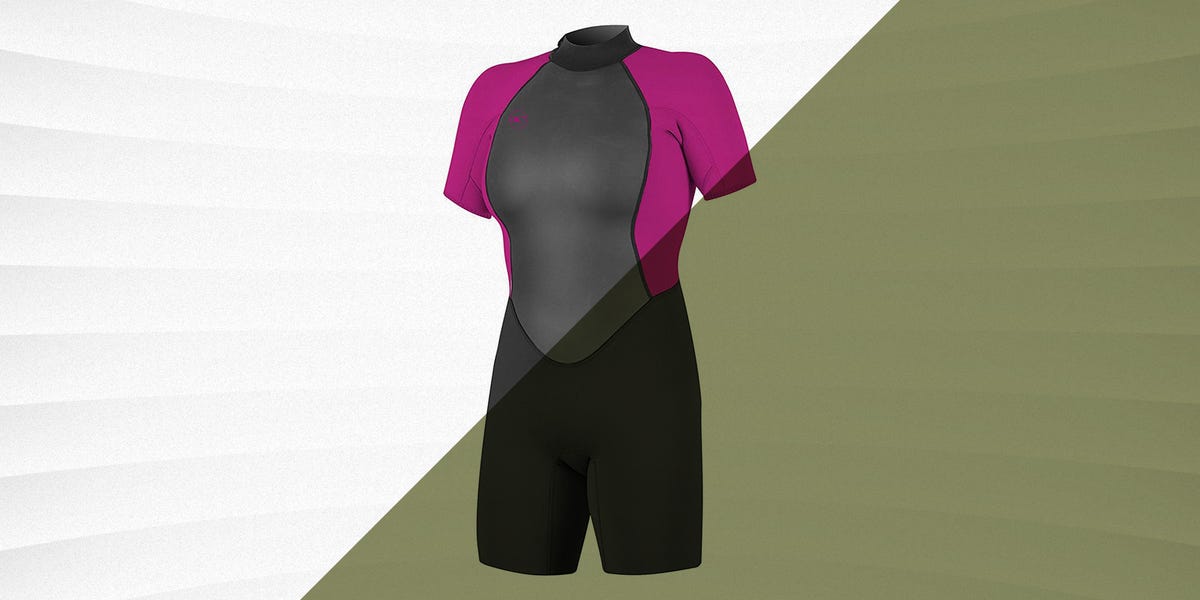

Buying a wetsuit in 2022 was a little like ordering coffee in a city where everyone has opinions: 3/2, 4/3, chest zip, back zip, Yulex, Yamamoto, graphene lining, sealed seams, smoothie panels, thermal fleecesuddenly you are not shopping for rubber, you are decoding a tiny submarine you wear on your body.
The good news? The best wetsuits of 2022 were better than ever. Surf brands were making suits warmer without turning paddlers into stiff action figures. Triathlon brands were building race suits that helped swimmers float higher and remove faster in transition. Eco-minded companies were pushing natural rubber and recycled linings into the mainstream. Whether you were surfing dawn patrol, swimming open water, diving, paddling, or just refusing to leave the ocean because “one more wave” is a legally binding promise, there was a suit worth considering.
This guide breaks down the best wetsuits 2022 had to offer, what made them stand out, and how to choose the right one without needing a marine biology degree or a trust fund.
What Made a Great Wetsuit in 2022?
A top wetsuit in 2022 needed to do three things well: keep water from flushing through the suit, trap enough warmth for the conditions, and allow natural movement. Warmth matters, but a suit that feels like wrestling a refrigerator is not a bargain. Flexibility matters, but a super-stretchy suit that leaks every time a wave hits your chest is just expensive disappointment with sleeves.
Thickness: The Numbers Actually Mean Something
Wetsuit thickness is usually shown as two or three numbers, such as 3/2mm, 4/3mm, or 5/4/3mm. The first number refers to thicker neoprene around the core, where warmth matters most. The second or third number refers to thinner material in the arms and legs, where flexibility matters more.
For warm water, a 2mm spring suit or shorty may be enough. For mild surf, a 3/2mm full suit is the classic all-around choice. In colder water, a 4/3mm or 5/4mm suit with sealed seams, boots, gloves, or a hood becomes more realistic. The best wetsuit is not always the thickest one. It is the one that matches your water temperature, wind exposure, session length, and personal cold tolerance. Some people run warm. Others start shivering when someone opens the refrigerator.
Seams, Zippers, and Linings
Seams were a major difference between budget wetsuits and premium models in 2022. Flatlock seams were comfortable and affordable but let in more water, making them better for warm conditions. Glued and blind-stitched seams, often called GBS seams, reduced leakage and became the standard for serious full suits. Taped seams added extra durability and warmth in cold-water suits.
Chest zips remained popular because they reduced flushing and improved flexibility across the back. Back zips were still easier to enter, especially for beginners or anyone who has ever gotten stuck halfway into a chest zip and briefly questioned their life decisions. Zip-free suits appealed to performance surfers who wanted maximum stretch, but they required a better fit and more patience.
Best Wetsuits 2022: Top Picks by Category
Best Overall Surf Wetsuit: O’Neill Hyperfreak
The O’Neill Hyperfreak was one of the most talked-about performance wetsuits of the 2022 era, especially among surfers who cared about flexibility. Its TechnoButter materials were known for feeling light, stretchy, and less restrictive than many traditional neoprene suits. For paddling-heavy sessions, that mattered. A stiff suit can make your shoulders feel like they have filed a complaint with management.
The Hyperfreak worked best for surfers who wanted a high-movement suit for everyday waves. It was not always the absolute warmest option compared with heavier cold-water suits, but for moderate conditions and active surfers, it delivered an excellent balance of comfort and performance. The chest zip and zip-free versions gave buyers options depending on how much convenience or stretch they wanted.
Best Cold-Water Wetsuit: Xcel Drylock
For cold-water surfers, the Xcel Drylock line earned a strong reputation for insulation, water resistance, and thoughtful construction. It was the kind of suit built for people who look at gray winter surf and say, “Looks fun,” while everyone else is holding hot coffee with both hands.
The Drylock stood out because of its attention to sealing: better wrist and ankle seals, warm internal linings, durable seam construction, and water-resistant zipper systems. A great winter wetsuit does not just need thick neoprene; it needs to prevent cold water from constantly entering and stealing body heat. That is where premium cold-water suits like the Drylock separated themselves from cheaper full suits.
Best Quick-Drying Wetsuit: Rip Curl Flashbomb
The Rip Curl Flashbomb remained a favorite for surfers who wanted warmth and fast drying. Its Flash lining was designed to feel plush, hold warmth, and dry faster than standard interior linings. For anyone doing multiple sessions in one day, that mattered. Putting on a cold, wet wetsuit before sunrise is character-building in the same way stepping on a Lego is character-building.
The Flashbomb was especially appealing for surfers who wanted a premium suit with warmth, stretch, and a comfortable interior feel. Rip Curl’s 3/2mm and 4/3mm versions were popular choices depending on water temperature. It was not usually the cheapest option, but it delivered enough comfort and performance to justify its place among the best wetsuits 2022 buyers considered.
Best Eco-Friendly Wetsuit: Patagonia R-Series Yulex
Patagonia’s R-Series Yulex wetsuits were among the strongest choices for eco-conscious surfers. Instead of relying entirely on conventional neoprene, Patagonia used Yulex natural rubber in its wetsuit line, along with recycled linings and Fair Trade Certified factory production. For buyers who wanted performance and a smaller environmental footprint, Patagonia was one of the clearest names on the shortlist.
The R-Series lineup was organized by temperature range, making it easier to choose: lighter R1 suits for warmer water, R2 and R3 for cooler sessions, and thicker R4 or R5 options for serious cold. Patagonia suits often had a slightly different feel from ultra-stretch neoprene suits, but their durability, repair-minded brand philosophy, and environmental angle made them stand out.
Best Value Wetsuit: Vissla 7 Seas
The Vissla 7 Seas was one of the best value wetsuits in 2022 because it gave surfers real performance features without the premium price tag of flagship suits. Depending on the model, buyers could find limestone-based neoprene, thermal lining, sealed seams, knee protection, and chest zip options.
This was the kind of suit that made sense for intermediate surfers, weekend warriors, and anyone who wanted quality without eating instant noodles for a month to afford it. It was not always as plush or high-tech as the most expensive wetsuits, but it offered a practical balance of warmth, stretch, durability, and price.
Best Minimalist Premium Wetsuit: FERAL Wetsuits
FERAL built a loyal following by doing something simple: using high-quality Yamamoto Japanese neoprene and avoiding unnecessary gimmicks. The brand focused on warmth, low water absorption, durability, and clean construction. Its suits were especially attractive to surfers who wanted premium rubber and a low-key design.
FERAL wetsuits were not covered in flashy graphics or overcomplicated marketing language. They looked clean, performed well, and appealed to surfers who cared more about the feel in the water than whether their suit looked like it came with a superhero origin story. For cold and cool water, FERAL’s 4/3 and hooded 5/4/3 models were especially strong options.
Best Warmth-Focused Surf Wetsuit: Billabong Furnace
The Billabong Furnace line deserved attention for its warmth-focused design. Billabong used advanced thermal linings in many Furnace models, including graphene-infused materials in some versions, to help retain heat while keeping the suit flexible enough for real surfing.
This made the Furnace a smart pick for surfers who wanted comfort during long sessions in chilly water. The best cold-water wetsuits are not only about survival; they should let you paddle, duck dive, pop up, and enjoy the session without feeling like your arms have turned into frozen breadsticks.
Best Triathlon Wetsuit: ROKA Maverick
Surf wetsuits and triathlon wetsuits are built for different jobs. A surf suit needs durability, warmth, and paddling flexibility. A triathlon wetsuit needs speed, buoyancy, shoulder mobility, and fast removal. The ROKA Maverick series stood out in 2022 because it was designed around swim position and freedom of movement.
ROKA’s shoulder-first design philosophy helped swimmers maintain a natural stroke, while strategic buoyancy panels helped lift the lower body. This was especially useful for athletes whose legs tended to sink in open water. In triathlon, better body position can mean a smoother swim and less energy wasted before the bike and run. In other words, your wetsuit should not make the swim feel like dragging a suitcase through soup.
Best Flexible Triathlon Wetsuit: Orca Alpha
The Orca Alpha was another standout for experienced swimmers who wanted excellent shoulder mobility and a natural feel. Orca’s high-end materials and flexible paneling made the Alpha a strong choice for athletes with good body position who did not need maximum flotation everywhere.
This suit was especially suited to confident swimmers who disliked the restrictive feeling of thicker triathlon wetsuits. The Alpha was not necessarily the best beginner suit because beginners often benefit from more buoyancy. But for efficient swimmers chasing speed and range of motion, it belonged among the top triathlon wetsuits of the period.
Best Balanced Open-Water Wetsuit: blueseventy Reaction
The blueseventy Reaction was a strong middle-ground triathlon wetsuit. It offered a blend of buoyancy, flexibility, comfort, and durability without pushing into the extreme price range of elite race suits. For open-water swimmers and triathletes who wanted a reliable training and racing suit, it made a lot of sense.
The Reaction was also a good example of why “best wetsuit” depends on the athlete. A less experienced swimmer might prefer more flotation. A strong swimmer might prefer thinner shoulder panels. A long-course athlete might prioritize comfort over maximum speed. The right wetsuit is the one that disappears in the water and does its job quietly.
How to Choose the Best Wetsuit in 2022
Match the Suit to Your Sport
Do not buy a surf wetsuit for a triathlon unless you enjoy slow transitions and extra drag. Do not buy a delicate race wetsuit for surfing unless you enjoy explaining fin cuts to your wallet. Surf, dive, paddle, and triathlon wetsuits may look similar from a distance, but they are optimized for different movements and risks.
Surfers should prioritize paddling flexibility, seam durability, warmth, and protection from board contact. Triathletes should prioritize shoulder mobility, buoyancy distribution, hydrodynamic coating, neckline comfort, and fast removal. Divers may need thicker neoprene and compression resistance. Paddlers should consider immersion safety, not just air temperature.
Get the Fit Right
A wetsuit should fit snugly without cutting off movement or breathing. Loose areas allow water to pool and flush through the suit, reducing warmth. Overly tight areas can restrict paddling, swimming, and circulation. A perfect wetsuit fit feels strange on land but natural in the water.
Common fit problems include neck chafing, shoulder restriction, lower-back gaps, loose wrists, and ankle flushing. Try the suit with realistic movement: rotate your shoulders, squat, bend, and mimic paddling or swimming. If you feel like a stuffed sausage before reaching the water, the ocean will not magically fix it.
Choose Thickness by Water Temperature
For warm water above roughly 72°F, many people use a rash guard, wetsuit top, or 1–2mm spring suit. For water around the mid-60s, a 3/2mm full suit is common. For water in the upper 50s to low 60s, many surfers move to a 4/3mm suit. Below that, a 5/4mm hooded suit, boots, and gloves may be necessary.
Wind, session length, personal cold tolerance, and sunlight can change the equation. A cloudy dawn patrol in 58°F water feels different from a sunny afternoon in the same temperature. When in doubt, choose warmth for safety and comfort, but avoid over-suiting so much that movement suffers.
Wetsuit Care Tips That Actually Matter
The best wetsuit in the world will not last long if treated like a beach towel that lost a fight. Rinse it with fresh water after every session. Dry it inside out first, then flip it right side out. Keep it out of direct sun for long periods. Do not toss it in a hot car trunk for days unless you want it to smell like regret and low tide.
Use a wide hanger or fold it over a rail instead of hanging it by the shoulders on a thin hanger. Avoid harsh detergents. Use wetsuit shampoo occasionally if odor builds up. Put it on carefully rather than yanking at seams. Small habits can extend the life of a suit by seasons, not just sessions.
Real-World Experience: What 2022 Wetsuit Shopping Taught Buyers
One of the biggest lessons from shopping for the best wetsuits 2022 offered was that specs only tell half the story. On paper, two 4/3mm chest zip wetsuits may look almost identical. In the water, one may feel buttery and warm, while the other may feel like wearing a damp cardboard box with branding. Fit, body shape, and activity style change everything.
For example, a surfer in Southern California might be perfectly happy with a flexible 3/2mm O’Neill Hyperfreak through much of the year, especially if they run warm and surf actively. A surfer in Northern California, Oregon, or the Northeast may need a hooded 5/4/3 from Xcel, FERAL, Patagonia, or Rip Curl just to stay comfortable through winter. Same ocean, different mood. The Pacific can be a spa in one zip code and a punishment in another.
Another practical experience: drying speed matters more than many first-time buyers expect. A warm wetsuit is wonderful. A warm wetsuit that dries quickly is even better. If you surf twice in a day, travel by van, or live in an apartment without much drying space, fast-drying linings like those found in premium Rip Curl and similar suits can feel like a luxury that quickly becomes a necessity.
Durability was also a major lesson. Super-stretch suits feel amazing, but highly flexible neoprene can sometimes wear faster than denser rubber, especially if the suit is pulled on aggressively or used several times a week. Minimalist premium suits like FERAL appealed to surfers who wanted long-term reliability and fewer bells and whistles. Meanwhile, value suits like the Vissla 7 Seas showed that not every good wetsuit needed to cost as much as a used surfboard.
Triathletes learned a different lesson: more buoyancy is not automatically better. Beginners often benefit from extra lift in the hips and legs because it improves body position. Strong swimmers may prefer suits like the Orca Alpha or performance ROKA models that protect shoulder mobility and preserve a natural stroke. A suit that helps one swimmer feel fast may make another feel trapped. Testing in open water, not just standing in a store, is the real exam.
The final experience-based takeaway is simple: buy for your actual life, not your fantasy life. If you surf once a month, a reliable mid-range suit may be smarter than an elite model. If you are training for cold-water races, invest in comfort and safety. If you hate being cold, do not let a macho friend talk you into under-suiting. The ocean does not award bonus points for unnecessary suffering. It already has waves, currents, rocks, jellyfish, and seagulls with suspicious aim. Choose the wetsuit that keeps you warm, mobile, and excited to get back in.
Conclusion: The Best Wetsuit Is the One You Actually Want to Wear
The best wetsuits 2022 buyers could choose from were lighter, warmer, stretchier, and more specialized than older suits. O’Neill delivered standout flexibility with the Hyperfreak. Xcel remained a cold-water favorite with the Drylock. Rip Curl’s Flashbomb impressed with warmth and drying speed. Patagonia pushed eco-friendly natural rubber forward. Vissla offered excellent value. FERAL proved that premium minimalist design could compete with the giants. For triathletes, ROKA, Orca, and blueseventy each offered strong solutions for different swimming styles.
Your perfect wetsuit depends on where you enter the water, how long you stay in, what sport you do, and how your body handles cold. Get the fit right, choose the right thickness, care for it properly, and your wetsuit will become less like gear and more like a loyal adventure buddyone that smells slightly weird, but still shows up every session.