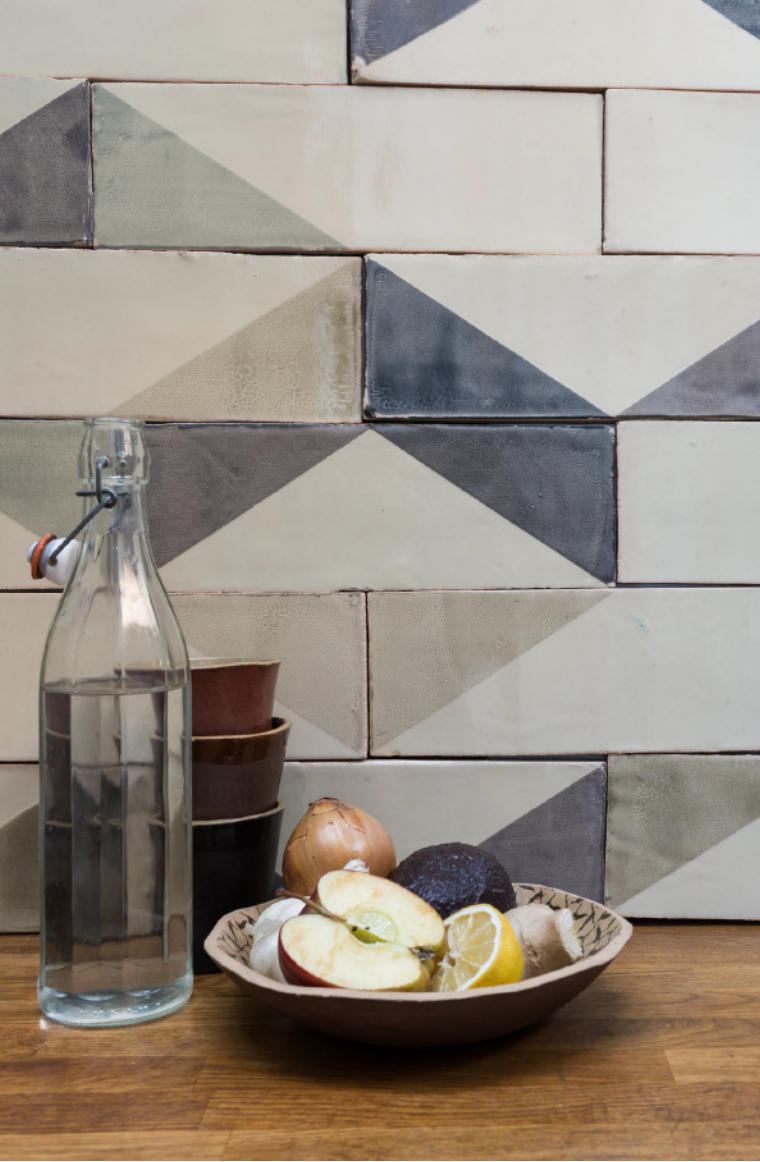

Some tiles whisper. Some tiles politely blend into the background like a beige cardigan at a neighborhood meeting. And then there is Going Overground Ceramic Tile, a design that walks into the room with rhythm, geometry, and just enough personality to make plain walls feel like they have finally had coffee.
Inspired by the visual language of transit tiles and urban wayfinding, Going Overground Ceramic Tile brings movement to surfaces through elongated proportions, repeating triangular prints, and a handmade look that feels both modern and nostalgic. It is the kind of tile that works beautifully in kitchens, bathrooms, mudrooms, cafés, powder rooms, and statement walls where “nice enough” simply will not do.
This guide explores what makes Going Overground Ceramic Tile special, how it compares with standard ceramic and porcelain tile, where it works best, what to consider before installation, and how to maintain it so it keeps looking sharp long after the grout haze has gone to tile heaven.
What Is Going Overground Ceramic Tile?
Going Overground Ceramic Tile is a decorative ceramic tile style known for its elongated rectangular shape and graphic surface pattern. The design is associated with a transit-inspired aesthetic, borrowing from the classic tiled stations of public transportation systems while giving the concept a more flexible, above-ground personality.
Instead of behaving like a plain subway tile, this tile adds motion. Its triangular graphics can be arranged in multiple ways, allowing homeowners and designers to create repeating patterns, directional layouts, or more playful compositions. Think of it as subway tile’s cooler cousinthe one who studied graphic design, moved into a loft, and somehow makes mismatched socks look intentional.
Why Ceramic Tile Still Matters in Modern Design
Ceramic tile has remained popular for a reason: it is durable, versatile, attractive, and relatively easy to maintain. Made from clay and other natural materials fired at high temperatures, ceramic tile can handle daily life in kitchens, bathrooms, laundry rooms, and other busy spaces. It also offers a wide range of colors, finishes, textures, and decorative possibilities.
Compared with many wall coverings, ceramic tile is more resistant to moisture, stains, and heat. That makes it a practical choice behind sinks, around vanities, above counters, and in splash-prone zones where paint may eventually wave a tiny white flag.
Going Overground Ceramic Tile uses those practical ceramic benefits while adding a strong design identity. It is not just a surface material; it is a visual feature.
Design Appeal: Why Going Overground Ceramic Tile Stands Out
It Has Movement Without Feeling Chaotic
Patterned tile can sometimes feel overwhelming, especially when a design tries to do everything at once. Going Overground Ceramic Tile is different because its pattern is structured. The repeating geometry creates energy, but the elongated shape keeps the look organized. It can feel lively without shouting across the room.
It Works With Both Modern and Vintage Interiors
The tile’s transit-inspired roots give it a subtle historic reference, while its clean lines and graphic pattern make it suitable for modern spaces. In a contemporary kitchen, it can add a boutique café feeling. In an older home, it can echo classic station tile, artisan ceramics, or early twentieth-century utility design.
It Can Be Customized Through Layout
One of the best things about this tile style is that the final look depends heavily on how it is arranged. A straight stack can feel orderly and architectural. A running bond layout feels familiar and approachable. A more experimental pattern can turn a simple wall into a feature surface. The tile gives you options, which is excellent news for anyone who enjoys design freedom and terrible news for anyone who struggles to choose from a restaurant menu.
Best Places to Use Going Overground Ceramic Tile
Kitchen Backsplashes
A kitchen backsplash is one of the most natural places to use Going Overground Ceramic Tile. The tile’s elongated form suits horizontal runs behind counters, while the pattern adds visual interest without requiring extra decoration. Pair it with simple cabinetry, warm wood, matte black hardware, or open shelving to create a balanced, design-forward kitchen.
Bathroom Walls
Bathrooms are often small, which makes every surface matter. Going Overground Ceramic Tile can turn a vanity wall, shower niche, or half-height wall treatment into the focal point of the room. Because ceramic tile handles moisture well when properly installed, it is a strong candidate for bathroom walls and splash zones.
Powder Rooms
Powder rooms are perfect for bold tile because they are compact and meant to make an impression. A patterned ceramic wall behind the sink can give the room personality without requiring artwork, wallpaper, or complicated styling. Add a sleek mirror and a small wall sconce, and suddenly the tiny bathroom has main-character energy.
Mudrooms and Entryways
In an entryway or mudroom, ceramic tile brings practical durability and easy cleaning. Going Overground Ceramic Tile works especially well as a wall accent, bench backdrop, or utility sink surround. It adds polish to a space that often has to deal with wet shoes, backpacks, dog leashes, and the occasional mystery leaf collection.
Cafés, Studios, and Creative Commercial Spaces
Graphic ceramic tile is a strong fit for hospitality and creative interiors. In a café, boutique, studio, or office kitchenette, Going Overground Ceramic Tile can create a memorable brand-friendly backdrop. Its urban inspiration gives it a public-space feeling, while its handmade quality keeps it warm and human.
Ceramic vs. Porcelain: Which One Should You Choose?
Going Overground is typically discussed as a ceramic tile, but many buyers naturally compare ceramic and porcelain before choosing a surface. Both materials are made from clay and fired in kilns, but porcelain is usually denser and less porous. That can make porcelain better for heavy-duty floors, exterior use, or areas where water absorption is a major concern.
Ceramic tile, however, is often easier to cut, more budget-friendly, and available in a broader range of decorative wall styles. For backsplashes, feature walls, bathroom walls, and many residential applications, ceramic tile performs beautifully when installed correctly. The key is to choose the right tile for the right location rather than assuming one material is always superior.
Installation Considerations Before You Buy
Check the Surface First
Tile success begins before the first tile is ever placed. The wall or floor must be clean, stable, flat, and suitable for tile installation. If the substrate is uneven, loose, damp, dusty, or flexing, the finished tile may crack, loosen, or show lippage. In tile work, preparation is not the boring part. It is the part that saves your future self from muttering into a bucket of grout.
Plan the Layout Carefully
Patterned tiles require more planning than plain field tiles. Before installing Going Overground Ceramic Tile, dry-lay a section or create a layout drawing. This helps determine how the triangular graphics will connect, how cuts will land at corners, and whether the pattern feels balanced across the full surface.
For a backsplash, pay close attention to outlets, cabinet edges, window trim, and the end points of the counter. For a bathroom feature wall, center the layout around the vanity, mirror, niche, or shower fixtures. A small layout adjustment can make the difference between “custom designed” and “why is that one tiny cut staring at me?”
Choose the Right Mortar or Adhesive
The correct setting material depends on the tile, substrate, room conditions, and manufacturer recommendations. Many ceramic wall tiles are installed with thin-set mortar, while some specific wall applications may allow other tile adhesives. Wet areas, floors, and specialty substrates require extra care. Always match the setting material to the project conditions and follow the product instructions.
Mind the Grout Joint
Grout is not just filler. It affects the final look, helps accommodate small tile size variations, and contributes to the overall performance of the installation. With handmade or handmade-look tiles, slightly wider grout joints may help absorb natural variation and keep the layout visually consistent.
A matching grout color can create a softer, more continuous pattern. A contrasting grout color emphasizes each tile and makes the geometry more dramatic. Both choices can work; the best one depends on whether you want the pattern to hum or tap dance.
Can You Install Going Overground Ceramic Tile Over Existing Tile?
In some cases, tile can be installed over existing ceramic tile, but it is not automatically a good idea. The original tile must be firmly bonded, flat, clean, and free of cracks, loose pieces, waxes, sealers, or glossy contaminants that could prevent adhesion. The added thickness must also work with doors, trim, outlets, transitions, plumbing fixtures, and appliance clearances.
For walls, extra weight matters. For floors, added height can create trip hazards or awkward transitions. If the existing tile sounds hollow when tapped, is cracked, or has moisture issues, removal is usually the wiser path. Installing beautiful new tile over a failing old surface is like putting a tuxedo on a raccoon: briefly impressive, structurally questionable.
Style Pairings That Work Beautifully
Warm Wood and Graphic Tile
Wood tones soften the graphic nature of Going Overground Ceramic Tile. Oak, walnut, maple, and even butcher block counters can add warmth and texture. This pairing works especially well in kitchens, breakfast nooks, and studio spaces.
Matte Black Fixtures
Matte black hardware, faucets, shelving brackets, and light fixtures can highlight the tile’s urban edge. The combination feels clean, current, and confident without becoming overly trendy.
Soft White Walls
If the tile has a strong pattern, surrounding it with soft white or warm neutral walls gives the design room to breathe. This keeps the space from feeling too busy and allows the tile to remain the star.
Concrete, Steel, and Industrial Details
Because the tile has a transit-inspired character, it pairs naturally with industrial materials. Concrete counters, steel shelving, exposed pipes, and simple pendant lights can reinforce the above-ground urban mood.
How to Maintain Going Overground Ceramic Tile
Ceramic tile is generally low-maintenance, but low-maintenance does not mean no-maintenance. Regular cleaning keeps the surface looking fresh and protects the grout from buildup. For everyday care, wipe tile with a soft cloth or sponge and a mild cleaner suitable for ceramic surfaces. Avoid harsh abrasives that can scratch glazed finishes.
Grout may need extra attention because it is more porous than the tile surface. Depending on the grout type, sealing may be recommended to reduce staining and moisture absorption. In kitchens, clean grease and splashes promptly. In bathrooms, provide ventilation to reduce moisture and discourage mildew.
For patterned ceramic tile, avoid cleaners that leave a film. A residue can dull the surface and make graphic designs look cloudy. Nobody installs statement tile so it can spend its life looking like it needs eyeglasses.
Common Mistakes to Avoid
Skipping the Sample
Always order or view a sample before committing. Photos can vary by screen, lighting, and styling. A tile that looks subtle online may feel bolder in person, and a color that appears cool in daylight may look warmer under kitchen lighting.
Ignoring Tile Variation
Handmade or artisan-style ceramic tiles often include slight variations in color, size, glaze, or surface texture. This is part of their charm, but it requires thoughtful installation. Mix tiles from different boxes during layout to distribute variation naturally.
Choosing the Wrong Grout Color
Grout can change everything. A high-contrast grout makes the pattern more pronounced, while a close-match grout creates a calmer look. Test grout samples near the tile before making a final decision.
Forgetting About Edges
Exposed tile edges need a finishing plan. Depending on the project, you may use bullnose pieces, trim profiles, painted edges, metal edging, or careful termination at cabinets and walls. Edge details are small, but they can make the difference between polished and almost-there.
Cost Factors to Consider
The total cost of a Going Overground Ceramic Tile project depends on tile price, shipping, installation labor, substrate preparation, trim, grout, mortar, sealers, and waste allowance. Decorative ceramic tile can cost more than basic field tile, especially if it is handmade or made to order. However, because many projects use it as an accent or backsplash rather than across an entire floor, it can still be an achievable upgrade.
Plan for extra tile. A common rule is to order about 10 percent more than the measured area for cuts, breakage, and future repairs. More complex layouts may require a higher overage. Keeping a few spare tiles is smart because dye lots and handmade batches may change over time.
Is Going Overground Ceramic Tile Right for Your Home?
Going Overground Ceramic Tile is best for people who want more than a plain surface. It suits homeowners, designers, and renovators who appreciate pattern, urban references, handmade character, and flexible layouts. It is especially strong in spaces where a relatively small tiled area can create a large visual impact.
It may not be the best choice if you want a nearly invisible tile, a perfectly uniform machine-made surface, or the lowest possible material cost. It also requires more layout planning than basic subway tile. But for the right project, that extra thought pays off in personality.
Real-World Experience: Living With Going Overground Ceramic Tile
The first thing people tend to notice about Going Overground Ceramic Tile is that it changes as you move. Stand directly in front of it, and the pattern feels orderly and graphic. Walk past it, and the triangles begin to create a sense of rhythm. That makes it especially satisfying in transitional spaces such as entryways, galley kitchens, hall baths, and café counters, where people naturally move along the tiled surface.
In a kitchen, the experience is both practical and visual. The elongated tile shape works well behind a sink or range because it visually stretches the wall. If the cabinetry is simple, the tile becomes the main decorative feature. Homeowners who choose it often find they need fewer accessories because the backsplash already provides pattern and texture. A row of wood shelves, a few ceramic dishes, and a small plant may be enough. The tile does the rest without demanding applause every five minutes.
One useful lesson from working with patterned ceramic tile is to slow down during layout. It is tempting to start setting tiles quickly once the boxes arrive, especially when the design is exciting. But the best results usually come from placing tiles on the counter or floor first, stepping back, and checking the rhythm. With Going Overground Ceramic Tile, small rotations or pattern shifts can change the whole mood. A calm repeat may suit a kitchen, while a more dynamic arrangement may feel right for a studio or commercial space.
Another experience worth noting is how much lighting affects the finished look. Under warm bulbs, ceramic glazes can feel softer and more intimate. Under bright daylight, the pattern may appear crisper. Before installation, view the sample in morning light, evening light, and artificial light. This simple step prevents surprises and helps with grout selection. A grout color that looks perfect at noon may appear too stark at night, and nobody wants a backsplash that changes personality after dinner.
Cleaning is usually straightforward, but grout deserves respect. In a busy kitchen, splashes from coffee, tomato sauce, oil, and whatever mysterious thing escaped the blender can settle into grout lines. Wiping spills quickly helps preserve the fresh look. In bathrooms, a squeegee or quick towel wipe after heavy moisture exposure can make a noticeable difference. The tile itself is typically easy to clean, but grout is the friend who needs reminders.
For homeowners nervous about bold tile, the best strategy is to use Going Overground Ceramic Tile in a defined area. A backsplash, vanity wall, bar front, fireplace surround, or laundry sink wall gives the pattern a clear boundary. This keeps the look intentional rather than overwhelming. Pair it with quieter materials nearby, such as plain painted walls, simple counters, or natural wood. Balance is what turns a bold tile from “wow, that is a lot” into “wow, who designed this?”
Over time, the most enjoyable part of this tile is its sense of place. Many ceramic tiles are attractive, but not all of them tell a story. Going Overground Ceramic Tile carries a subtle urban narrative: movement, stations, routes, repetition, and the beauty of public design brought into a private room. It feels architectural without being cold and decorative without being fussy. That combination is rare, which is why the design continues to appeal to people who want their homes to feel considered, creative, and a little more alive.
Conclusion
Going Overground Ceramic Tile is a strong choice for anyone looking to add pattern, movement, and crafted character to a room. Its elongated shape, transit-inspired roots, and flexible layout options make it more expressive than standard ceramic tile while still offering the practical advantages that make ceramic such a dependable surface material.
Whether used as a kitchen backsplash, bathroom accent, powder room feature, or creative commercial wall, this tile rewards careful planning. Choose the right substrate, test your layout, select grout thoughtfully, and maintain the finished surface with gentle cleaning. Do that, and Going Overground Ceramic Tile can turn an ordinary wall into a memorable design momentno train ticket required.
Note: This article is written for web publishing and synthesizes real product, design, installation, and maintenance information from reputable tile industry, manufacturer, retailer, and home-improvement guidance. Always confirm final specifications, suitability, and installation requirements with the tile supplier or a qualified tile professional before purchase or installation.