
Note: This article is written for web publishing and is based on real product information, archived retailer descriptions, replacement dinnerware records, and broader tabletop design context.
K by Keaton Grass Dinnerware is one of those tabletop collections that feels casual at first glance, then quietly reveals why people still search for it years after its original retail run. Designed under Diane Keaton’s K by Keaton line for Bed Bath & Beyond, the Grass pattern belongs to a charming group of stoneware pieces inspired by honest kitchens, simple meals, and the kind of table that says, “Come sit down, the pasta is getting dramatic.”
The collection is no longer a current mass-market line, which gives it a slightly collectible personality. It was part of a broader dinnerware family that included earthy colors such as Grass, Wheat, Bark, and White. The Grass version stands out because of its all-green surface, black stitch-like accents, and no-trim design. It is not fancy in the fragile, don’t-breathe-near-it way. Instead, it has the sturdy, relaxed look of dinnerware made for weeknight soup, backyard lunches, and the occasional overconfident cheese board.
What Is K by Keaton Grass Dinnerware?
K by Keaton Grass Dinnerware is a discontinued stoneware pattern associated with actress, author, and design enthusiast Diane Keaton. The “Grass” colorway is known for its green body and black stitch accents, giving it a farmhouse-modern feel without leaning too hard into rustic cliché. Think less “barn wedding with mason jars everywhere” and more “California kitchen with a big table, good bread, and someone telling a funny story while passing the salad.”
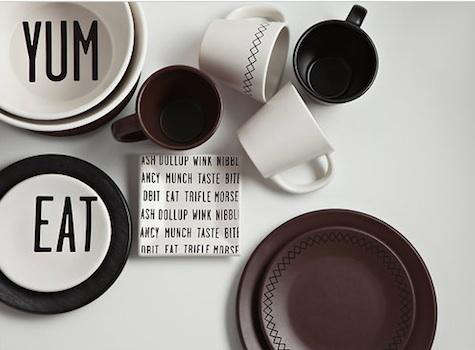
The line included everyday pieces such as dinner plates, salad plates, bowls, mugs, and small canape plates. Some pieces from the wider K by Keaton collection included playful words like “Yum,” “Eat,” “Bite,” and “Good,” which matched the line’s friendly, informal spirit. The design was meant to be mixed and matched, so Grass could sit comfortably beside White, Bark, or Wheat pieces without looking like the table had lost the plot.
Why the Grass Pattern Still Gets Attention
The lasting appeal of K by Keaton Grass Dinnerware comes from a few things working together: color, simplicity, personality, and scarcity. Green dinnerware can be tricky. Too bright, and it looks like a holiday decoration that escaped the storage bin. Too muted, and it disappears under dinner. The Grass pattern lands in a useful middle zone: earthy enough for daily meals, interesting enough to make a table feel styled.
Because the pattern has been discontinued, shoppers usually find it through replacement china services, resale listings, vintage marketplaces, or estate-sale-style hunting. That adds a small thrill to the process. Buying a current dinnerware set is convenient. Finding the missing Grass mug or salad plate is a tiny domestic treasure hunt, minus the pirate map and with more bubble wrap.
Design Style: Farmhouse, Americana, and Modern Whimsy
The K by Keaton collection was rooted in a casual Americana mood. The inspiration was not glossy hotel dining or overly polished formal china. It was more about the kitchen as the center of life: meals, conversations, imperfect gatherings, and big bowls that actually hold enough food. Grass fits that mood perfectly because the color feels natural, grounded, and cheerful without being sugary.
The black stitch accents are especially important. They give the pieces a graphic detail that prevents the green from feeling flat. The stitching effect also adds a handmade suggestion, even though the line was produced for a major retailer. That blend of accessible price point and designer personality is part of why the pattern remains memorable.
Best Interior Styles for K by Keaton Grass Dinnerware
This dinnerware works especially well in kitchens and dining rooms with farmhouse, cottage, rustic-modern, California casual, eclectic, or vintage-inspired design. It pairs nicely with wooden tables, butcher-block counters, linen napkins, woven placemats, matte black flatware, and simple glass tumblers. It can also bring warmth to a mostly white kitchen, where a stack of green plates on open shelving adds color without making the room feel busy.
For a more contemporary table, Grass can be paired with crisp white serving dishes and clean-lined stainless steel flatware. For a cozier table, use natural textures: rattan chargers, cotton napkins, wood bowls, and amber glass. The pattern is flexible because it has both color and restraint. It says something, but it does not shout over the roast chicken.
Material and Everyday Use
K by Keaton Grass Dinnerware is described as stoneware, a ceramic material often chosen for everyday dishes because it has a substantial feel and casual durability. Stoneware is popular for plates, bowls, and mugs because it balances function and style well. It is heavier than fine porcelain, less formal than bone china, and generally more at home in a busy kitchen.
Archived product descriptions for K by Keaton pieces mention microwave-safe reheating and dishwasher-safe cleaning, which is exactly what most households want from dinnerware they actually plan to use. Still, because the pattern is discontinued, it is smart to treat surviving pieces with a little extra care. Avoid sudden temperature changes, do not move a cold plate directly into high heat, and inspect secondhand pieces for cracks, crazing, or chips before regular use.
Practical Care Tips
Wash pieces gently before first use, especially if they came from resale sources. If using a dishwasher, place plates securely so they do not knock against heavier cookware. For mugs and bowls, avoid overcrowding the rack. Stoneware may be sturdy, but it is not a superhero. It can still chip if treated like a hockey puck.
If you find a piece with visible crazing or deep cracks, consider using it decoratively rather than for food. A cracked bowl can become a charming catchall for keys, wrapped candies, or tea bags. It does not need to retire completely; it just needs a quieter job.
How to Style a Table With K by Keaton Grass Dinnerware
The easiest way to style the Grass pattern is to let the green act as the table’s anchor. Start with the dinner plate, then build around it with neutrals. White napkins, clear glassware, and simple flatware keep the setting fresh. Add a wood board, a ceramic pitcher, and a low vase of herbs or garden flowers, and suddenly dinner looks plannedeven if the main course is takeout transferred into a bowl with confidence.
For spring and summer, pair Grass dinnerware with lemon, white, cream, and pale blue accents. Fresh herbs such as basil, mint, or parsley look especially good near the green plates. For fall, bring in warm browns, linen, brass candlesticks, and roasted vegetables. For winter, mix Grass with white dishes and black accents for a crisp, graphic table that feels festive without needing glitter to enter the room.
Mix-and-Match Ideas
One of the smartest ways to use discontinued dinnerware is to avoid needing a perfectly complete set. Instead of hunting for twelve matching dinner plates, build a mixed table. Use Grass dinner plates with white salad plates. Pair Grass bowls with neutral mugs. Alternate Grass and Wheat plates for a more collected look. This approach makes missing pieces feel intentional, not tragic.
Collectors often enjoy patterns like this because every piece can be useful on its own. A single Grass mug can become a desk cup. A small canape plate can hold cookies, olives, jewelry, or a lemon wedge during cooking. A stack of salad plates can serve dessert, snacks, or appetizers. The pattern does not require a formal dinner party to earn its cabinet space.
Buying K by Keaton Grass Dinnerware Today
Since the Grass pattern is discontinued, availability changes often. Replacement dinnerware websites may list the pattern but show pieces as out of stock. Resale platforms may offer individual plates, mugs, or bowls depending on what sellers have found. Prices can vary based on condition, rarity, and whether the listing includes one piece or a set.
Before buying, check the exact pattern name, color, dimensions, and condition. Look closely at photos for rim chips, glaze scratches, utensil marks, and hairline cracks. If the listing uses vague wording like “green plate” or “Keaton style,” ask for a photo of the backstamp or identifying mark when possible. With discontinued dinnerware, the details matter. A nearly matching green plate may look fine online, then arrive and announce itself as a distant cousin at best.
What Pieces Are Most Useful?
Dinner plates are the most practical if you want daily use. Salad plates are more flexible because they work for breakfast, dessert, snacks, and small lunches. Bowls are worth grabbing when found in good condition because discontinued bowls often disappear quickly from the replacement market. Mugs are charming, but check them carefully; handles and rims can show wear faster than flat plates.
If you are buying for display, choose the pieces with the strongest visual details, such as plates with stitch accents or worded canape plates. If you are buying for use, prioritize condition over rarity. A perfect-looking chip in a product photo can become very annoying once you are eating cereal and staring at it every morning.
Who Should Consider This Dinnerware?
K by Keaton Grass Dinnerware is best for people who like collected, character-rich table settings. It is not the ideal choice for someone who wants to order a brand-new 16-piece matching set with two-day shipping and no mysteries. But for design lovers, Diane Keaton fans, vintage hunters, and anyone who enjoys dinnerware with a story, Grass has real charm.
It also suits homes where dinnerware is not locked away for imaginary “special occasions.” These pieces look best when used. They fit pancakes, pasta, salads, soup, and leftovers. They make an ordinary table feel considered without feeling staged. That is a rare balance, and it is one reason the pattern continues to attract attention.
Experience Notes: Living With K by Keaton Grass Dinnerware
Using K by Keaton Grass Dinnerware feels different from using plain white plates, and not because food suddenly becomes more sophisticated. The difference is mood. A green plate changes the table before the meal even arrives. It gives the setting a grounded, garden-adjacent feeling, even if the nearest garden is a basil plant fighting for its life on the windowsill.
The Grass pattern is especially pleasant for casual meals. Scrambled eggs, toast, tomato salad, roasted potatoes, pasta with herbs, and grain bowls all look at home on the green surface. The color makes simple food appear a little more intentional. It is the dinnerware equivalent of putting on a good jacket over a basic T-shirt. The meal may still be humble, but now it has posture.
One of the best experiences with this pattern is how easily it mixes with other pieces. Many households do not own perfectly matched cabinets anymore, and honestly, that is not a tragedy. A table with Grass plates, white bowls, old glass tumblers, and mismatched napkins can feel warm and personal. It looks like real people live there, cook there, laugh there, and occasionally forget the rolls in the oven.
For hosting, the Grass pattern works well because it creates color without requiring complicated decor. Add a wooden board with cheese, crackers, grapes, and a small bowl of olives, and the table already feels inviting. Put a pot of soup or a large salad in the center, and the dinnerware supports the meal instead of competing with it. That is the quiet genius of the design: it has personality, but it does not demand the spotlight.
Collectors may enjoy the search as much as the use. Because the pattern is discontinued, completing a set can take patience. You may find two salad plates one month, a mug three months later, and a bowl when you were absolutely not planning to buy anything. This slow collecting process makes the pieces feel earned. Each one has a little backstory, even if that backstory is simply, “I found it online at midnight and made a very reasonable emotional decision.”
There is also something refreshing about dinnerware that does not feel overly precious. K by Keaton Grass pieces were designed for approachable daily living, not museum-level anxiety. That said, discontinued items deserve thoughtful handling. Use them, enjoy them, but do not toss them into the sink under a cast-iron skillet and hope for the best. The goal is relaxed living, not ceramic demolition derby.
In everyday life, the most useful pieces are often the smaller ones. Salad plates handle toast, fruit, cake, sandwiches, and late-night snacks. Bowls are excellent for soup, oatmeal, rice, and ice cream. Mugs add a cheerful note to coffee or tea. A full dinner plate is lovely, but a few smaller Grass pieces can bring the same style to the table without requiring a complete matching set.
The pattern also photographs well, which matters more than many people admit. Food bloggers, home cooks, and anyone who enjoys sharing meals online can use the green tone as a soft background for warm foods and natural ingredients. It is not a sterile studio plate. It has a lived-in look, which helps food feel approachable and real.
Overall, the experience of K by Keaton Grass Dinnerware is about comfort with character. It is practical enough for regular meals, interesting enough for display, and nostalgic enough to make discontinued-dinnerware hunters pay attention. It turns a table into a place that feels less like a surface and more like a small event. And really, any plate that can make leftovers feel like a lifestyle choice deserves applause.
Final Thoughts
K by Keaton Grass Dinnerware remains appealing because it captures a simple idea beautifully: the table should feel welcoming. The green stoneware, black stitch accents, and relaxed mix-and-match design make it a memorable discontinued pattern with both decorative and everyday value. It is not just about owning plates. It is about creating a table that feels warm, personal, and ready for conversation.
For collectors, the Grass pattern is worth watching on replacement and resale markets. For decorators, it is a smart way to add earthy color to open shelving or a casual dining setup. For everyday cooks, it is a reminder that dinnerware does not need to be formal to feel special. Sometimes all it takes is a sturdy green plate, a good meal, and someone at the table saying, “Pass the bread.”