
“Read my lips” usually means somebody is about to make a promise with dramatic eyebrow energy. But today, let’s correct the phrase before it gets too bossy: read my books. Read a paperback with coffee rings on the cover. Read an e-book while waiting for the dentist to call your name. Listen to an audiobook while folding laundry and pretending socks reproduce in the dryer. However you do it, reading books remains one of the simplest, cheapest, and most satisfying upgrades a person can make to daily life.
In a culture where screens compete for every spare second, reading can feel almost rebellious. It asks you to slow down. It tells your attention span, “Come here, friend, we’re going for a walk.” Books do not buzz, flash, autoplay, or ask whether you are still watching because they already know you have excellent taste. Yet reading is not just charming nostalgia. It supports vocabulary, background knowledge, empathy, focus, family connection, school readiness, lifelong learning, and mental wellness. In other words, books are doing a lot for objects that mostly sit still.
This article explores the benefits of reading books, why reading for pleasure matters, how families can build stronger literacy habits, and how adults can fall back in love with books without turning the hobby into homework wearing a cardigan.
Why Reading Books Still Matters in a Fast-Scrolling World
Reading books is not dead. It is not even mildly faint. Recent U.S. survey data shows that most American adults still read at least part of a book in a given year. Print books continue to lead, while e-books and audiobooks have become common companions for busy readers. That matters because the “best” format is the one that helps people actually read. A hardcover on the nightstand, a library e-book on a phone, and an audiobook during a commute all count. The brain does not hand out gold stars only to people who smell the pages first, though page-smellers are welcome here.
At the same time, reading for pleasure has been under pressure. National arts and education data show declines in adults reading literature and troubling dips in student reading performance. That does not mean everyone should panic and build a bunker out of library cards. It does mean reading needs to be treated less like a luxury and more like a daily nutrition source for the mind.
The Real Benefits of Reading: More Than Looking Smart in a Coffee Shop
Reading Builds Vocabulary and Knowledge
Books expose readers to words, ideas, places, and perspectives that ordinary conversation may never reach. A child who hears stories about oceans, astronauts, grandparents, thunderstorms, dragons, neighborhoods, and kindness is quietly building a mental library of language and meaning. Adults benefit too. Every book adds context. A mystery sharpens attention to clues. A biography gives history a heartbeat. A science book makes dinner conversations slightly more dangerous, especially if you start explaining fungi without warning.
Reading also strengthens background knowledge, which is one of the hidden engines of comprehension. The more you know about the world, the easier it is to understand new information. This is why wide reading matters. Fiction, nonfiction, poetry, memoir, graphic novels, essays, history, and humor all contribute something useful. A varied reading diet beats a bland one, just as a plate of only boiled potatoes would eventually cause emotional damage.
Reading Supports Focus in an Age of Digital Confetti
Modern attention is constantly interrupted. Notifications arrive like tiny tap-dancing salespeople. Books offer a rare counterexperience: sustained attention. A chapter asks you to follow a thought, remember a character, notice a pattern, and sit with an idea longer than a headline. That kind of focus is not automatic; it is trained. Reading is one of the most pleasant ways to train it.
For students, stronger reading stamina can support performance across subjects. Math word problems, science explanations, history documents, and even instructions for group projects all require comprehension. For adults, reading helps with professional learning, decision-making, communication, and the underrated art of not being fooled by the first dramatic sentence on the internet.
Reading Can Build Empathy and Emotional Insight
Books let readers borrow another person’s inner life. A novel can place us inside a character’s fear, hope, confusion, grief, ambition, or joy. A memoir can turn an abstract issue into a human story. Children’s books can help young readers name big feelings before those feelings turn into living-room weather events.
This is one reason reading aloud and discussing stories with children is so powerful. When adults ask, “Why do you think she did that?” or “How would you feel in that situation?” children practice perspective-taking. They learn that people can want different things, misunderstand each other, make mistakes, apologize, grow, and sometimes behave like raccoons in a grocery store. Literature gives emotional life a safe rehearsal space.
Reading Aloud: The Small Habit With Huge Payoff
Reading aloud to children is one of the most recommended literacy habits for good reason. Pediatric and literacy organizations encourage families to begin shared reading early, even in infancy. Babies may not understand the plot twist in Goodnight Moon, but they do absorb rhythm, sound, facial expression, closeness, and the message that books belong in warm human moments.
Shared reading supports early literacy skills such as vocabulary, letter awareness, sound awareness, narrative understanding, and comprehension. It also helps children connect books with comfort and attention. That last part matters. If books are only presented as assignments, children may learn to treat reading the way adults treat tax forms: technically important, spiritually suspicious.
How to Make Read-Aloud Time Work
Read-aloud time does not need to look like a museum program hosted by a person in linen. It can be messy and short. Five minutes counts. One funny page counts. A toddler chewing the corner while you narrate the cow’s emotional journey still counts, though maybe rescue the book if it is borrowed.
Make it interactive. Point to pictures. Use silly voices. Pause and let children predict what comes next. Ask questions, but do not turn every page into a quiz show. The goal is not to interrogate the child under a lamp; the goal is to make stories feel alive.
Print, E-Books, and Audiobooks: The Great Format Peace Treaty
Some readers love print because it feels tactile and calming. Others prefer e-books because they can carry a whole shelf in a pocket. Audiobooks help people read while driving, cooking, exercising, cleaning, or staring at laundry with the moral courage of a disappointed philosopher. All three formats can support a reading habit.
The smartest approach is not to argue about which format is “real reading.” The smartest approach is to match format to lifestyle. Keep print books near the bed if screens disrupt sleep. Use e-books for travel and quick access. Use audiobooks for repetitive tasks. A person who finishes a novel while walking the dog has still met the story, even if the dog contributed very little literary analysis.
Libraries: The Original Subscription Service, Minus the Sneaky Fees
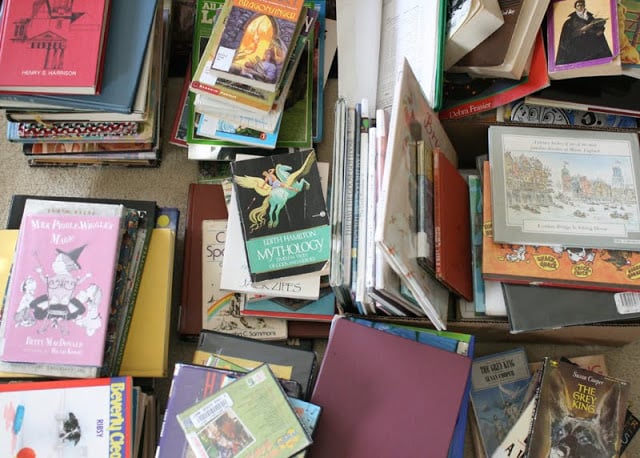
Public libraries remain one of the best ways to build a reading life without building a frightening credit-card balance. Libraries offer print books, e-books, audiobooks, magazines, research tools, children’s programs, teen spaces, job-search help, community events, and librarians who can recommend a book with the precision of a matchmaking wizard.
Digital library apps have made borrowing even easier. With a library card, many readers can access e-books and audiobooks instantly through services connected to their local library. This is especially helpful for people with busy schedules, limited transportation, or crowded homes where a personal bookshelf is currently losing a battle with winter coats.
Book access matters because not every household has shelves full of age-appropriate books. Programs that distribute free books and support book-rich environments help close that gap. A child cannot choose a book that is not available. A family cannot build a read-aloud routine with invisible materials. Access is not a decorative issue; it is central to literacy.
How Adults Can Start Reading Again Without Making It Weird
Many adults want to read more but carry guilt about not reading “serious” books. Let’s release that guilt into the wild. The best book to start with is the one you will actually open. A thriller counts. Romance counts. Science fiction counts. Cookbooks count if you read them instead of only admiring the soup photography. Graphic novels count. Essays count. Audiobooks count. Re-reading an old favorite counts. You are building a habit, not applying for permission from the Council of Pretentious Lamps.
Start Ridiculously Small
Set a goal so small it feels almost silly: two pages a day, ten minutes before bed, one chapter every weekend, or one audiobook during errands. Tiny habits work because they reduce friction. Once reading becomes part of a routine, it often expands naturally.
Put Books Where Your Life Already Happens
Keep a book near the couch, in your bag, beside the bed, or on your phone. Visibility matters. A book hidden in a closet is not a reading plan; it is a hostage situation. Make books easy to reach during the moments when you usually scroll out of boredom.
Quit Books Politely
Not every book deserves your entire lifespan. If a book is not working, set it aside. Reading for pleasure should include pleasure. There are too many excellent books in the world to spend months trapped in chapter three with a narrator you resent.
How Parents Can Raise Readers Without Turning Into Reading Police
Children are more likely to read when books feel connected to choice, identity, fun, and belonging. Let kids choose books that match their interests, even if those interests involve superheroes, slime, sports facts, dragons, jokes, or a suspicious number of books about bodily functions. Adults may dream of children requesting classic literature by candlelight, but sometimes the gateway to lifelong literacy is a book titled something like Attack of the Underwear Zombies. Respect the gateway.
Model reading at home. Children notice what adults do. If they see adults reading recipes, novels, news, manuals, poems, instructions, comics, or library books, reading becomes a normal part of life. Families can also create small rituals: bedtime stories, weekend library trips, audiobook car rides, breakfast poems, or “everyone reads for ten minutes” time.
Book Clubs, BookTok, and the Social Side of Reading
Reading is often private, but it does not have to be lonely. Book clubs, classroom discussions, library groups, online reading communities, and social media book conversations can help people discover titles and stay motivated. Only a small share of adults participate in formal book clubs, but informal book talk is everywhere. A friend’s enthusiastic “You have to read this” remains one of the most powerful marketing tools in human history, second only to free snacks.
The social side of reading also helps readers process what they read. Talking about a book can reveal themes, questions, and emotional reactions that might otherwise stay fuzzy. A great discussion does not require everyone to agree. In fact, disagreement is often where the fun begins, provided nobody throws the hardcover.
Experience Section: What “Read My Lips, uh, I Mean Books…” Feels Like in Real Life
There is a particular kind of embarrassment that comes from realizing you have spent forty minutes scrolling through tiny arguments online and somehow feel both informed and dumber. That is usually when a book starts looking less like an obligation and more like a rescue boat. The experience of returning to reading often begins with a small rebellion: placing the phone across the room, opening a book, and letting the first page do its awkward handshake.
At first, the mind may wander. This is normal. A distracted brain behaves like a puppy in a room full of tennis balls. It sniffs the paragraph, runs toward tomorrow’s grocery list, returns to the sentence, then suddenly wonders whether penguins have knees. The solution is not self-criticism. The solution is patience. After a few pages, the noise softens. The story begins to pull. A character wants something. A scene opens. A sentence lands so neatly that you read it twice. Suddenly, reading is not an achievement. It is a place.
One of the best reading experiences is discovering that different books serve different moods. A funny novel can rescue a gray week. A practical nonfiction book can make life feel more manageable. A memoir can make your own struggles feel less solitary. A poem can say in twelve lines what your brain has been trying to assemble for three years with duct tape and caffeine. The point is not to become the kind of person who casually says “my current literary framework” at dinner. The point is to find books that meet real human needs: comfort, curiosity, escape, courage, knowledge, laughter, and sometimes the joy of being deliciously nosy about imaginary people.
Reading with children has its own comedy. A child may interrupt a story seventeen times to ask whether the bear has a mother, whether the moon is following the car, or whether dinosaurs brushed their teeth. These interruptions are not failures; they are the good stuff. That is comprehension waking up. That is language stretching. That is a young mind learning that books are not silent bricks but conversation starters. Yes, the plot may move slowly. Yes, the adult may know the rhyming llama book by heart and hear it in dreams. But the child is learning that stories come with closeness, laughter, questions, and safety.
For adults, the most meaningful experience may be the return of attention. Reading teaches you to stay. Stay with the paragraph. Stay with the person speaking. Stay with the idea even when it does not instantly reward you with a bright red notification. Over time, this habit spills into other parts of life. You may listen better. You may write more clearly. You may become harder to impress with shallow takes. You may even develop the rare power of waiting in line without needing to check your phone every six seconds. Please use this power kindly.
The phrase “Read my lips, uh, I mean books…” works because it catches a truth with a wink: books still have something to say, and we are better when we listen. Not every book will change your life. Some will simply entertain you on a rainy Tuesday, which is also honorable work. But a steady reading habit can change the texture of your days. It gives the mind somewhere deeper to go. It gives families something to share. It gives children words for the world. It gives adults a way back to curiosity. And it does all this without requiring batteries, unless you are reading on a device, in which case please charge responsibly.
Conclusion: Read the Book, Keep the Joy
Reading books is not a dusty hobby reserved for quiet people in tweed. It is a flexible, modern, deeply human practice that fits into busy lives in print, digital, and audio formats. It supports literacy, focus, empathy, family bonding, lifelong learning, and simple everyday pleasure. The challenge is not to read perfectly. The challenge is to read personally. Choose books that call your name. Use the library. Let children pick weird books. Listen while commuting. Read two pages before bed. Quit what bores you. Celebrate what pulls you in.
So yes, read my lips: books still matter. But more importantly, read your books. Read the ones stacked by your bed, waiting like patient little paper sandwiches. Read the library book before it becomes overdue enough to develop legal counsel. Read the story that makes you laugh, the guide that helps you grow, the novel that keeps you up too late, and the children’s book that demands your most ridiculous duck voice. The world is loud. Books are not silent; they are just better at waiting their turn.