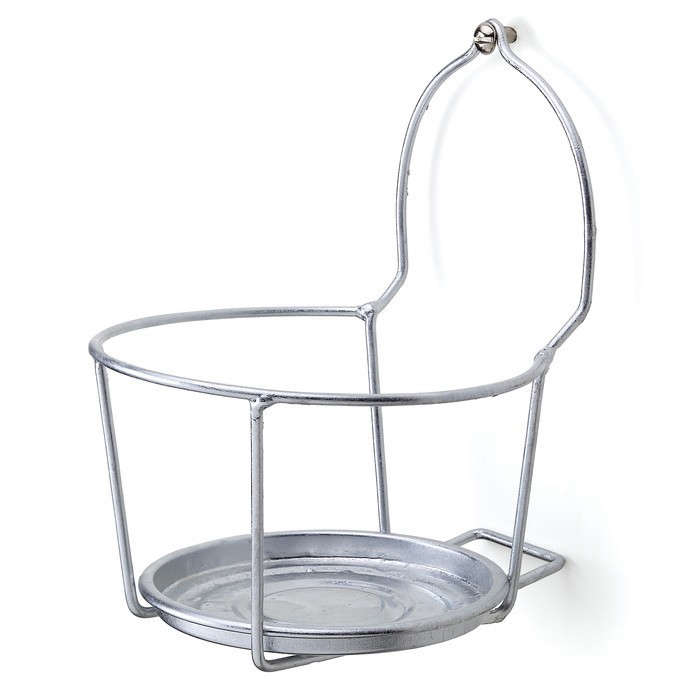

Galvanized steel planters have quietly become the cool, practical friend of the gardening world. They do not demand the rustic romance of cedar boxes, the high-drama aging of corten steel, or the fragile elegance of terracotta. Instead, they show up in the garden wearing a clean silver finish, ready to hold tomatoes, herbs, flowers, strawberries, succulents, and possibly your dreams of finally remembering to water basil before it becomes crispy garnish.
Whether you are building a backyard vegetable garden, decorating a patio, or turning a tiny balcony into a leafy retreat, galvanized steel planters offer a smart mix of durability, style, drainage control, and low maintenance. They can look farmhouse, modern, industrial, minimalist, or “I definitely planned this and did not buy it during a weekend home improvement spiral.” Better yet, they work in small spaces and large landscapes alike.
This guide covers what galvanized steel planters are, why gardeners like them, how to choose the right size, what to grow in them, how to keep plants healthy, and how to avoid common mistakes. We will also look at real-use experiences, because gardening is not just theory. It is also soil under your fingernails, surprise zucchini, and learning that mint has no respect for boundaries.
What Are Galvanized Steel Planters?
Galvanized steel planters are containers made from steel that has been coated with zinc. This zinc layer helps protect the steel underneath from moisture, oxygen, and corrosion. In simple terms, the steel gives the planter strength, while the zinc coating works like a weather-resistant jacket. It is not invincible, but it is much tougher than plain untreated metal left outside in rain, heat, and humidity.
The word “galvanized” may sound like something that happens to a superhero during a lightning storm, but in gardening, it simply means the metal has been treated to resist rust. Most galvanized garden beds and planters are designed for outdoor use, and many are shaped with corrugated or ribbed sides to improve strength. This is why large galvanized raised beds can hold a surprising amount of soil without collapsing like a cardboard box in a thunderstorm.
Why Galvanized Steel Planters Are So Popular
They Are Durable
One of the biggest reasons gardeners choose galvanized steel planters is longevity. Wood can rot, plastic can crack, and ceramic can break if winter temperatures or one clumsy afternoon gets involved. Galvanized steel holds up well in outdoor conditions when properly used and maintained. It resists corrosion better than bare steel and does not attract termites or carpenter ants.
They Look Good Almost Anywhere
Galvanized steel has a clean, silvery finish that blends well with many garden styles. It can look charming next to a white farmhouse fence, sleek on a modern patio, or practical in a vegetable patch. Pair it with herbs and flowers for a soft cottage look, or use identical rectangular planters in a row for crisp architectural structure. Basically, galvanized steel is the denim jacket of garden materials: casual, sturdy, and oddly good with everything.
They Make Raised Gardening Easier
Raised planters are helpful when native soil is compacted, clay-heavy, rocky, contaminated, or just deeply uncooperative. By filling a galvanized planter with a high-quality growing mix, you control the root environment instead of negotiating with the backyard dirt like it is a stubborn landlord. Raised beds can also improve access, reduce bending, and make garden layout easier to manage.
They Drain Well When Set Up Correctly
Plant roots need oxygen as much as they need water. Without drainage, soil becomes waterlogged, roots suffocate, and plants decline. Galvanized steel planters can be excellent for drainage when they include bottom openings or drainage holes. Open-bottom raised beds allow excess water to move into the ground, while closed-bottom containers should always have holes and should be slightly elevated so water can escape.
Are Galvanized Steel Planters Safe for Vegetables?
For most home gardening situations, galvanized steel planters are widely considered suitable for growing vegetables, herbs, and flowers. The main concern people usually raise is the zinc coating. Zinc is a naturally occurring micronutrient that plants need in small amounts, but too much of any micronutrient can create problems. Under normal garden conditions, especially with soil near a neutral pH, galvanized steel beds are commonly used for edible gardens.
The practical caution is acidic soil. Acidic conditions can increase zinc solubility, which means more zinc may become available in the soil. This is why it is smart to avoid using galvanized steel planters for crops that require strongly acidic conditions, such as blueberries. Blueberries are already divas about soil pH, so give them their own acidic bed and let your galvanized planter host less fussy guests like lettuce, peppers, tomatoes, basil, parsley, kale, marigolds, or strawberries.
If you want extra peace of mind, keep soil pH in the range preferred by most vegetables, refresh the soil with compost, avoid using very old rusty containers for food crops, and consider a food-safe liner that does not block drainage. Do not use galvanized containers to hold acidic food liquids, but garden soil and tomato roots are a different situation from storing lemonade in a bucket.
Best Plants for Galvanized Steel Planters
Vegetables
Many vegetables grow beautifully in galvanized steel planters, especially when the planter is deep enough. Lettuce, spinach, arugula, radishes, green onions, bush beans, kale, Swiss chard, peppers, eggplants, and compact tomato varieties are all strong candidates. For root crops like carrots and beets, choose a planter with enough depth for roots to develop without bumping into the bottom like they arrived at a locked door.
Herbs
Herbs are perfect for galvanized containers. Basil, thyme, oregano, sage, rosemary, parsley, cilantro, dill, and chives all work well with proper drainage and sun. Mint also grows well, but mint should be treated like a charming guest who might slowly take over your home. Keep it in its own container unless you want a mint empire.
Flowers
Galvanized planters make excellent homes for annual flowers such as petunias, marigolds, zinnias, geraniums, calibrachoa, nasturtiums, and pansies. The cool metal finish creates a beautiful contrast with colorful blooms. For a pollinator-friendly display, combine flowers with herbs like thyme, lavender, and oregano.
Succulents and Ornamentals
Shallow galvanized trays and troughs can be attractive succulent planters if drainage is excellent. Sedum, hens and chicks, and other drought-tolerant plants pair nicely with metal containers. For larger decorative planters, ornamental grasses, coleus, dwarf evergreens, and trailing vines can create a polished patio look.
How to Choose the Right Galvanized Steel Planter
Consider Depth First
Depth matters more than many beginners realize. Shallow planters are fine for lettuce, herbs, and annual flowers, but vegetables with larger root systems need more room. A planter that is 6 to 8 inches deep can work for shallow greens. A depth of 12 inches is better for many vegetables, while tomatoes, peppers, and deep-rooted crops often perform best with 16 to 24 inches or more.
Check Width and Reach
For raised beds, avoid making the planter so wide that you have to step into it. Stepping on soil causes compaction, and compacted soil reduces airflow and water movement around roots. A bed around 3 to 4 feet wide is often easier to manage because you can reach the middle from one or both sides. Your back will thank you, possibly in writing.
Look for Safe Edges
Metal edges should be rolled, capped, or finished so they are not sharp. This matters for hands, pets, children, and anyone who gardens while distracted by a podcast. If you are building a DIY galvanized steel planter, use edge trim or a wooden cap rail to make the top safer and more comfortable.
Think About Drainage
Open-bottom galvanized raised beds are ideal when placed directly on soil or a prepared base. Closed-bottom planters need drainage holes. If water cannot escape, the planter becomes less of a garden bed and more of a very sad soup bowl. For patio and balcony use, add feet or risers so drainage holes stay open, and use a tray only if you empty excess water regularly.
How to Fill Galvanized Steel Planters
The right fill depends on planter depth and what you are growing. For smaller containers, use a high-quality potting mix rather than heavy garden soil. Potting mixes are designed to hold moisture while still allowing air to reach roots. Garden soil in containers can become dense, poorly drained, and difficult for roots to explore.
For large raised beds, use a blended raised-bed mix with organic matter, compost, and mineral components that support drainage. Many gardeners layer bulky organic material such as small branches, leaves, or compostable plant debris at the bottom of very deep beds to reduce the amount of purchased soil needed. This can work well, but avoid creating a thick, soggy layer that blocks drainage. The top 8 to 12 inches should be high-quality growing medium because that is where many feeder roots will be busiest.
A simple approach is to fill the planter with a mix of raised-bed soil and compost, then top with mulch after planting. Mulch helps conserve moisture, moderate soil temperature, and reduce weeds. It also makes the bed look finished, which is nice when the rest of the yard looks like a squirrel hosted a conference there.
Do Galvanized Steel Planters Get Too Hot?
Metal conducts heat, so galvanized steel can warm up in direct sun. This can be an advantage in spring because raised beds often warm earlier than in-ground soil. Earlier soil warmth can help cool-season crops get started and can extend the practical growing season in some regions.
In very hot climates, however, metal planters may dry out faster, especially small containers exposed to afternoon sun. The solution is not to panic. Choose larger planters with more soil volume, use mulch, water deeply, and consider placing heat-sensitive crops where they receive morning sun and afternoon shade. Light-colored galvanized metal is often less heat-absorbing than dark containers, but container gardens still need regular moisture checks during hot weather.
Watering Tips for Galvanized Steel Planters
Container and raised-bed gardens usually need more frequent watering than in-ground gardens. Soil volume is limited, drainage is faster, and sun and wind can dry the mix quickly. The best way to water is deeply and consistently. Instead of giving plants a tiny daily sprinkle that only wets the surface, water until moisture reaches the root zone.
Check soil by sticking a finger one to two inches into the mix. If it feels dry at that depth, water. If it is still moist, wait. Tomatoes, cucumbers, peppers, and leafy greens can suffer when watering swings from drought to flood. Consistent moisture helps prevent stress, poor growth, and problems such as blossom end rot in fruiting crops.
For busy gardeners, drip irrigation is a smart upgrade. A simple drip line or soaker hose connected to a timer can keep galvanized steel planters evenly watered without turning you into a full-time garden beverage attendant.
Maintenance: How to Make Galvanized Steel Planters Last Longer
Galvanized steel is low maintenance, but not no maintenance. Inspect planters at the beginning and end of each growing season. Look for loose fasteners, dents, scratches, bulging sides, or places where the coating has been damaged. Tighten hardware as needed and avoid scraping the inside aggressively with sharp tools.
Keep soil from staying constantly soggy against the metal. Good drainage is not just for plants; it also helps the planter last longer. If you use fertilizers, follow label directions rather than assuming more is better. Overfertilizing can create salt buildup and plant stress. More fertilizer does not make you a better gardener; it makes the plants wonder what they did to deserve this.
At the end of the season, remove dead plants, refresh the top layer of soil, and add compost. If growing vegetables year after year, rotate plant families when possible. For example, avoid planting tomatoes in the same bed every season without refreshing soil and managing disease risk. In multiple planters, rotating crops is easier and helps maintain healthier beds.
Galvanized Steel Planters vs. Other Planter Materials
Galvanized Steel vs. Wood
Wood is classic, warm, and natural-looking. Cedar and redwood are popular because they resist decay better than many other woods. However, wood still breaks down over time, especially in wet climates. Galvanized steel lasts longer in many settings and does not rot, but it has a cooler, more industrial look.
Galvanized Steel vs. Plastic
Plastic planters are lightweight and inexpensive, but they can fade, crack, or become brittle from sun exposure. Galvanized steel is sturdier and often more attractive, though it can be heavier once filled with soil. If you rent or need to move planters often, consider size carefully before creating a container so heavy it becomes a permanent landmark.
Galvanized Steel vs. Terracotta
Terracotta is beautiful and breathable, but it dries quickly and can crack in freezing weather. Galvanized steel is tougher and better suited for larger raised beds. Terracotta wins on old-world charm; galvanized steel wins on durability and “I can survive a chaotic backyard” energy.
Design Ideas for Galvanized Steel Planters
For a kitchen garden, place long galvanized troughs near a sunny door and plant them with basil, parsley, thyme, lettuce, and cherry tomatoes. For a patio, use matching square planters with ornamental grasses and trailing flowers. For a farmhouse look, repurpose galvanized stock tanks with drainage holes and surround them with gravel or mulch. For a modern layout, arrange rectangular beds in clean rows with walking paths between them.
You can also soften the metal look by mixing in natural materials. Add cedar benches, pea gravel paths, clay pots, woven baskets, or flowering borders nearby. Galvanized steel pairs especially well with lavender, rosemary, white flowers, dark green foliage, and warm wood tones.
Common Mistakes to Avoid
Skipping Drainage
No drainage means unhappy roots. Always confirm water can escape. If using a repurposed metal tub, drill drainage holes before planting.
Using the Wrong Soil
Heavy yard soil can compact inside containers. Use potting mix for containers and raised-bed mix for larger beds.
Choosing Too Small a Planter
Small planters dry quickly and restrict root growth. Match planter size to the mature plant, not the adorable seedling stage.
Ignoring Soil pH
Most vegetables prefer mildly acidic to neutral soil. Avoid using galvanized steel for plants that need strongly acidic soil, such as blueberries.
Planting Too Closely
Overcrowding creates competition for water, nutrients, airflow, and sunlight. Seed packets are not decorative confetti; their spacing instructions exist for a reason.
Real Experiences with Galvanized Steel Planters
One of the most common experiences gardeners report with galvanized steel planters is the pleasant surprise of how tidy the garden suddenly looks. A few metal raised beds can turn a messy corner of the yard into an organized growing space almost overnight. The clean edges define the garden, the silver finish reflects light, and the raised height makes weeding feel less like punishment assigned by a medieval committee.
In small-space gardening, galvanized planters are especially useful. On patios and balconies, they create a real garden without requiring open ground. A long trough can hold herbs outside a kitchen door. A deeper rectangular planter can support peppers, compact tomatoes, or flowers. Because the containers have strong sides, they can hold their shape better than many soft grow bags, especially when filled with moist soil.
Many beginners appreciate how forgiving galvanized steel planters can be when paired with good soil. Instead of fighting poor native soil, they start with a fresh growing mix and see faster results. Lettuce grows evenly, basil looks lush, and radishes pop up quickly. The first harvest may be small, but it feels enormous when it came from a planter you filled yourself. There is a special kind of pride in eating a salad grown three steps from your back door, even if the lettuce cost roughly the same as a small appliance after buying soil, compost, gloves, and one “essential” garden trowel.
There are also lessons. Galvanized steel planters can dry out faster in summer than expected. Gardeners in hot regions often learn to mulch the surface, water early in the morning, and use drip irrigation for consistency. A planter that looked perfectly moist on Monday can become thirsty by Wednesday when temperatures rise. The fix is simple: check regularly, water deeply, and choose plants suited to the exposure.
Another real-world lesson is that planter placement matters. Once a large galvanized bed is full of soil, moving it is not a casual Saturday activity. It is a neighborhood event. Before filling, observe sunlight, hose access, walking paths, and how water drains after rain. A sunny location near a water source is much easier to maintain than a far corner of the yard where the hose barely reaches and motivation goes to retire.
Gardeners who use galvanized stock tanks often love their height and capacity. These tanks can grow impressive tomatoes, sprawling herbs, or mixed flower displays. However, they need drainage holes and thoughtful filling. Without drainage, they hold water too well. With proper holes, soil, and mulch, they become sturdy, attractive raised beds that can last for years.
For decorative use, galvanized steel planters are easy to style. A small metal bucket with trailing flowers looks charming on steps. A large oval planter full of rosemary and lavender feels Mediterranean. A row of identical metal containers can make even a modest patio feel designed. The material is neutral enough that plants remain the star, which is exactly how it should be. The planter is the stage; the basil gets the applause.
The biggest takeaway from hands-on use is that galvanized steel planters reward good setup. Choose the right size, add drainage, use the right soil, mulch generously, and water consistently. Do those things, and these planters can be handsome, productive, and refreshingly low drama. Ignore those basics, and even the fanciest planter becomes an expensive container for regret and wilted petunias.
Conclusion
Galvanized steel planters are a strong choice for gardeners who want durability, clean design, and practical growing space. They work well for vegetables, herbs, flowers, and ornamentals when matched with the right soil, drainage, depth, and watering routine. Their zinc-coated steel construction helps resist rust, while their raised structure makes gardening more accessible and organized.
They are not magic, of course. Plants still need sunlight, water, nutrients, airflow, and enough root space. But galvanized steel planters make it easier to create controlled, attractive growing areas in backyards, patios, balconies, and urban gardens. They are tough without being ugly, stylish without being fussy, and versatile enough for everything from basil to zinnias.
If your garden needs structure, your patio needs greenery, or your vegetables need a better home than the sad corner of compacted soil beside the fence, galvanized steel planters are worth considering. Give them good drainage, good soil, and a little attention, and they will return the favor with seasons of productive, good-looking growth.
SEO Metadata
Note: This HTML article is written in original American English, synthesized from reputable gardening and materials guidance, and contains no source-link placeholders or citation artifacts for web publication.