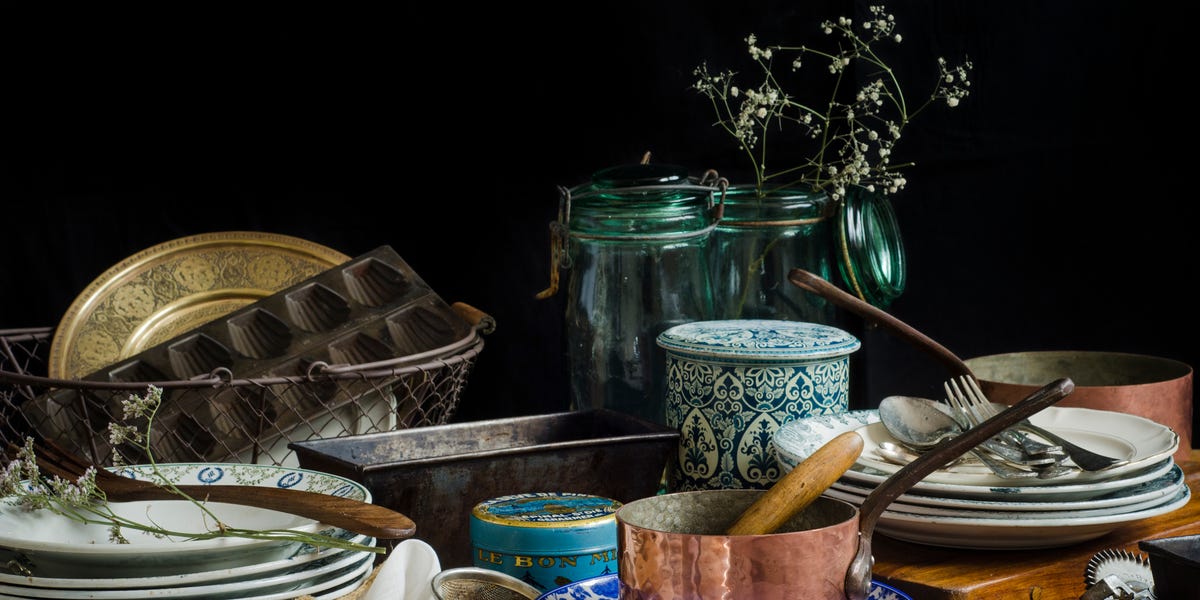

Open a kitchen drawer in almost any American home and you will probably find at least one mysterious old tool that looks like it was designed by a very practical grandparent with zero patience for nonsense. Maybe it is a heavy cast iron skillet. Maybe it is a hand-crank egg beater. Maybe it is a food mill that looks like a tiny spaceship built specifically for tomatoes. For years, many of these vintage kitchen tools were pushed aside by shiny appliances, one-touch gadgets, and countertop machines that promised to chop, whip, grind, blend, steam, toast, and emotionally support your sourdough starter.
But something interesting is happening: old-school kitchen tools are suddenly back in demand. Shoppers are hunting for vintage cookware at estate sales, thrift stores, antique malls, online resale shops, and even in family basements. Interior designers love them because they add warmth and character. Home cooks love them because many still work beautifully. Collectors love them because certain pieces, especially vintage Pyrex, copper cookware, cast iron, and enameled cast iron, can hold surprising value. And everyone else loves them because, frankly, a kitchen with a little history feels more human than one that looks like a showroom for stainless steel robots.
The renewed interest in vintage kitchen tools is not just about nostalgia. It reflects bigger trends in American homes: sustainability, slow cooking, heirloom-quality products, colorful kitchen decor, and a desire to own things that last longer than a trending TikTok sound. While not every old tool belongs back in daily usesome vintage cookware needs careful inspection for cracks, damaged coatings, rust, worn linings, or unsafe materialsmany pieces remain useful, charming, and surprisingly efficient.
Below are five vintage kitchen tools suddenly back in demand, why they matter, how people are using them today, and what to check before bringing one home. Warning: this article may cause a strong urge to call your grandmother and ask what is hiding in her pantry.
Why Vintage Kitchen Tools Are Having a Modern Moment
The appeal of vintage kitchen tools starts with one simple fact: many were built to do one job extremely well. A food mill does not need Bluetooth. A cast iron skillet does not require a software update. A mortar and pestle will never ask you to accept cookies. These tools depend on materials, weight, shape, and human motion instead of motors and disposable parts.
There is also a strong design reason behind the comeback. Modern kitchens have become warmer, more colorful, and more personal. Homeowners are mixing old and new: stone countertops with antique copper, clean cabinetry with open shelves of Pyrex bowls, minimalist ranges with cast iron skillets hanging nearby. Vintage kitchenware gives a room instant texture. It says, “Someone cooks here,” not “Please do not touch anything; the island has been professionally staged.”
Another reason is value. Quality vintage cookware can often be found for less than premium new cookware, although rare collectible pieces can become expensive fast. A well-restored cast iron skillet, for example, may cook for another century. Vintage Pyrex and Fire-King pieces are collected for their colors and patterns. Copper molds, old mixing bowls, and enamel cookware are often bought as decor even when they are not used daily.
Finally, vintage tools fit the growing interest in slower, more intentional cooking. Grinding spices by hand, simmering sauce in a heavy pan, pressing apples through a food mill, or whipping eggs with a rotary beater brings a satisfying rhythm back into the kitchen. It is not about rejecting modern convenience. It is about choosing the right tooland sometimes the old tool is still the right one.
1. Cast Iron Skillets: The Original Kitchen Workhorse
If vintage kitchen tools had a prom king, it would be the cast iron skillet. Heavy, durable, and mildly intimidating if dropped near a toe, cast iron has become one of the most sought-after old kitchen staples. Vintage brands such as Griswold, Wagner, and older Lodge pieces are especially popular with collectors and serious home cooks. Even people who own modern nonstick pans often keep a cast iron skillet for searing, cornbread, fried chicken, skillet cookies, roasted vegetables, and anything that benefits from steady heat.
Why It Is Back in Demand
Cast iron has returned because it offers something many modern pans do not: longevity. A nonstick skillet may need replacing after a few years, but a cast iron skillet can outlive several owners, a few kitchen remodels, and possibly one family argument about who gets the good pan. With proper care, it develops a seasoned surface that releases food better over time.
Home cooks also appreciate cast iron for its heat retention. Once it gets hot, it stays hot, which makes it excellent for browning meat, crisping potatoes, baking pizza, and creating that golden crust everyone pretends was effortless. Vintage cast iron is especially desirable because many older pans were machined smoother than some modern versions, giving them a polished cooking surface that collectors admire.
How to Use It Today
A vintage cast iron skillet works beautifully on the stovetop, in the oven, and even on a grill. Use it for steak, hash browns, pancakes, roasted chicken thighs, fruit cobblers, Dutch babies, and old-fashioned cornbread. The trick is preheating. Cast iron does not heat instantly or perfectly evenly, so give it time before adding food. Think of it as a kitchen tool that needs a warm-up stretch.
For care, wash it gently, dry it completely, and apply a thin layer of oil if needed. Soap is not the villain people once claimed, but soaking cast iron in water is still a bad idea. Rust can often be removed, but cracks, severe pitting, or wobbling may make a pan less useful.
What to Check Before Buying
When shopping for vintage cast iron, look for a flat cooking surface, no visible cracks, and no deep corrosion. A little rust is usually fixable. A crack is not. Tap the pan lightly; many collectors say an intact pan should have a clear ring rather than a dull thud. Also check the bottom. If it rocks badly on a flat surface, it may not perform well on a glass cooktop.
2. Manual Coffee Grinders: Small Tool, Big Aroma
Before electric burr grinders and espresso machines with more buttons than a spaceship, there was the manual coffee grinder. These compact hand-crank tools are now attracting coffee lovers, campers, minimalists, and anyone who thinks the morning should begin with fresh coffee rather than the sound of a motor screaming into the void.
Why It Is Back in Demand
The manual coffee grinder fits perfectly into today’s coffee culture. More people are buying whole beans, experimenting with pour-over coffee, and paying attention to grind size. While many modern manual grinders use updated burr mechanisms, the appeal is deeply vintage: slow turning, fresh aroma, and full control.
Vintage-style manual grinders also look great on a counter. Wooden box grinders, metal crank mills, and compact travel grinders add character without hogging space. Unlike many appliances, they do not need an outlet. That makes them ideal for travel, camping, power outages, or tiny kitchens where every inch matters.
How to Use It Today
Use a manual grinder when you want fresh coffee without waking everyone in the house. Adjust the grind for your brewing method: coarse for French press, medium for drip or pour-over, and finer for espresso-style brewing if the grinder can handle it. The best models produce consistent grounds, which helps prevent coffee that tastes both bitter and weak at the same timea tragic breakfast contradiction.
A vintage manual grinder may be best for casual brewing or display unless the burrs are in good condition. If the grinder produces uneven chunks and powder, it may be charming but not ideal for precision coffee. Still, for many people, the ritual is part of the pleasure.
What to Check Before Buying
Inspect the burrs, handle, drawer, and adjustment mechanism. Avoid grinders with heavy rust, missing parts, strong odors, or loose handles. If you plan to use it daily, make sure it can be cleaned thoroughly. Some older decorative grinders are better as shelf candy than serious brewing equipment.
3. Food Mills: The Tomato Sauce Hero Nobody Brags About Enough
The food mill may not be glamorous, but neither is peeling tomatoes by hand while questioning your life choices. This vintage kitchen tool has a bowl, a perforated disc, and a crank that pushes cooked food through while leaving skins, seeds, and fibrous bits behind. It is simple, brilliant, and unfairly ignored for too long.
Why It Is Back in Demand
The food mill is making a comeback because home cooks are rediscovering scratch cooking, canning, preserving, and garden-to-table meals. It is especially useful for tomato sauce, applesauce, mashed potatoes, soups, baby food, berry sauces, and fruit purees. Unlike a blender or food processor, a food mill strains while it purees. That means smoother texture without pulverizing seeds into bitterness.
It is also quiet, electricity-free, and easy to control. There is no risk of turning potatoes into glue with aggressive blending. There is no hot soup volcano launching from a blender lid. The food mill is calm. The food mill has boundaries. We respect the food mill.
How to Use It Today
For tomato sauce, cook tomatoes until softened, then pass them through the mill. The pulp and juice fall into the bowl while skins and seeds stay behind. For applesauce, simmer apples with a little water, then mill them for a smooth sauce without peeling first. For mashed potatoes, use the medium or fine disc for a lighter texture.
Food mills are also helpful for people who like homemade soups but dislike stringy vegetable fibers. They create a rustic, natural puree without the overly whipped texture that sometimes comes from high-speed blending.
What to Check Before Buying
Look for stainless steel or well-preserved older metal models with interchangeable discs. Make sure the crank turns smoothly, the blade sits close enough to the disc, and the feet or hooks can rest securely over a bowl. Avoid rusty pieces, warped discs, or mills with missing parts. A food mill with three disc sizes is especially versatile.
4. Rotary Egg Beaters: The Hand-Crank Comeback Kid
The rotary egg beater looks like something from a 1950s kitchen drawer, and that is exactly the point. It has two beaters, a crank, and a handle. No cord. No battery. No dramatic speed setting called “turbo.” Just gears, motion, and the oddly satisfying feeling of making eggs surrender to breakfast.
Why It Is Back in Demand
Rotary egg beaters are back because they are practical for small jobs. Not every task requires a stand mixer powerful enough to knead bread dough and frighten the cat. For scrambled eggs, pancake batter, light cake batter, whipped cream, thin batters, and quick sauces, a hand-crank beater is often enough.
They are also easy to store. In an era when many kitchens are packed with appliances, a compact manual tool feels refreshing. It does not claim counter space, and it does not create the same splatter drama as some electric mixers. Plus, using one makes you feel like the star of a vintage cooking show, minus the gelatin salad.
How to Use It Today
Use a rotary beater for eggs, cream, light batters, and emulsions. Start slowly, then increase speed as the mixture comes together. A narrow, deep bowl helps keep ingredients contained. For whipped cream, chill the bowl and cream first. For eggs, beat just until combined unless you want extra air for a fluffier texture.
A rotary beater is not ideal for thick cookie dough, bread dough, or heavy frosting. That is not failure; that is job description clarity. Let the stand mixer handle the heavy lifting while the rotary beater enjoys its elegant little breakfast duties.
What to Check Before Buying
Turn the crank before buying. The gears should move smoothly without grinding, sticking, or wobbling. Check for rust, bent beaters, loose handles, and flaking finishes. Stainless steel beaters are easier to maintain than older plated versions that may have worn spots. If the tool squeaks like a haunted pantry, keep shopping.
5. Mortar and Pestle: The Flavor Machine That Predates the Outlet
The mortar and pestle may be the oldest tool on this list, and it still deserves counter space. It is used around the world for grinding spices, crushing garlic, making pesto, pounding curry paste, preparing guacamole, and turning toasted seeds into fragrant magic. In a modern kitchen full of speed, the mortar and pestle brings back pressure, texture, and control.
Why It Is Back in Demand
Freshly crushed ingredients often taste brighter than pre-ground versions. When spices, herbs, garlic, nuts, and seeds are crushed rather than chopped by a blade, their oils release differently. That can create deeper flavor and better texture in sauces, pastes, marinades, and spice blends.
The mortar and pestle is also beautiful. Granite, marble, basalt, ceramic, brass, and wood versions all have different personalities. A heavy granite mortar says, “I make serious curry paste.” A marble one says, “I enjoy pesto and good lighting.” A molcajete says, “Your guacamole is about to develop a fan club.”
How to Use It Today
Use a mortar and pestle for whole spices, garlic, herbs, pesto, salsa, guacamole, curry paste, compound butter, and spice rubs. Toast whole spices first for more aroma, then grind them while warm. For pesto, crush garlic and salt first, then add basil, nuts, cheese, and oil gradually. For guacamole, mash aromatics before adding avocado.
The right material matters. Textured granite and basalt are excellent for grinding. Smooth marble works well for softer ingredients and emulsions. Ceramic suribachi bowls are great for seeds. Very small mortars may look cute, but if you plan to make sauces, choose one with enough capacity so your ingredients do not leap out like tiny green escape artists.
What to Check Before Buying
Look for weight, stability, and a pestle that feels comfortable in your hand. Avoid cracked stone, flaking interiors, or pieces with unknown coatings. Some traditional stone mortars need seasoning before use to remove grit. If buying secondhand, clean thoroughly and avoid pieces that smell strongly of old oils or spices.
How to Shop for Vintage Kitchen Tools Safely
Vintage kitchen tools are exciting, but not every old item is safe or practical for food use. Some pieces are best displayed rather than cooked with. Before buying, decide whether you want the item for function, decoration, collecting, or resale value. That choice changes what you should inspect.
Check Materials Carefully
Cast iron, stainless steel, stoneware, and certain glass pieces can be excellent finds when undamaged. Copper cookware needs extra caution because old tin linings can wear away, and unlined copper should not be used for cooking most foods. Decorative copper molds may be better on the wall than on the stove.
Vintage glassware, including Pyrex and other colorful pieces, is loved by collectors, but it should be handled carefully. Avoid sudden temperature changes, do not use damaged pieces, and consider reserving rare or decorated items for display rather than everyday baking. Older painted or glazed pieces may not meet modern food-safety expectations.
Look for Damage, Not Just Charm
Patina can be lovely. Structural damage is not. Cracks, chips, deep rust, loose handles, worn linings, sharp edges, and mystery coatings are red flags. A tool can look adorable and still be a bad idea near dinner.
For mechanical tools like grinders and rotary beaters, test the moving parts. For cookware, check flatness and stability. For mills, make sure all parts are present. For mortar and pestle sets, inspect for cracks and gritty surfaces that continue shedding after cleaning.
Know When to Display Instead of Use
Some vintage kitchen tools are valuable because of their design, rarity, color, or sentimental appealnot because they should make tonight’s casserole. There is nothing wrong with using a vintage piece as decor. A row of copper molds, pastel mixing bowls, or old utensils can bring warmth to a kitchen even if they never touch food again.
Why These Tools Still Matter in Modern Cooking
The renewed demand for vintage kitchen tools proves that progress in the kitchen is not always about replacing the old. Sometimes it is about recognizing what the old already got right. A cast iron skillet still sears beautifully. A food mill still makes smooth sauce. A manual grinder still rewards patience with aroma. A rotary egg beater still handles small mixing jobs. A mortar and pestle still coaxes flavor from ingredients in a way that feels both ancient and immediate.
These tools also remind us that cooking is not only a result; it is an experience. The sound of a crank turning, the scrape of a pestle, the weight of iron, the smell of freshly ground coffee, the sight of tomato puree falling through a food millthese details make cooking feel connected to real life. They slow the process just enough to make it memorable.
Personal Experiences and Practical Lessons From Using Vintage Kitchen Tools
The first thing you learn from using vintage kitchen tools is humility. Modern appliances make us feel powerful. A food processor can reduce vegetables to confetti in seconds. A stand mixer can whip cream while you check your phone. But then you pick up a mortar and pestle, try to grind toasted cumin, and suddenly realize your ancestors had stronger wrists and fewer excuses.
One of the best experiences with vintage tools is restoring a cast iron skillet. At first, an old skillet can look hopeless: rusty, dull, maybe covered in a mysterious layer that seems older than your Wi-Fi password. But after cleaning, drying, oiling, and seasoning, the pan begins to come back to life. The first time it makes crisp-edged cornbread or a deeply browned steak, it feels less like using a tool and more like continuing a story. That is the magic of cast iron. It does not need to be perfect to be useful. It just needs care.
A manual coffee grinder teaches a different lesson: effort changes appreciation. Grinding beans by hand for a single cup of coffee is not as fast as pressing a button, but it makes the process feel intentional. The smell is immediate. The sound is gentle. The reward is personal. You notice the beans more. You notice the grind more. You may even notice that your morning mood improves when it begins with a small ritual instead of a machine roaring like it is preparing for takeoff.
The food mill is perhaps the biggest surprise. Many people assume it is unnecessary until tomato season arrives or apples start piling up. Then the food mill becomes a hero. It turns cooked tomatoes into sauce while leaving skins and seeds behind. It makes applesauce without fussy peeling. It handles hot food without the blender drama. There is something deeply satisfying about turning the crank and watching simple ingredients become smooth, useful, and ready for dinner.
The rotary egg beater offers joy in small tasks. It is not trying to replace a mixer. It is not trying to knead dough or impress a pastry chef. It simply beats eggs, cream, and light batters with cheerful efficiency. For quick breakfasts, it is perfect. It also creates less cleanup than dragging out a machine. There is a reason so many older kitchens had one within easy reach: it solves a common problem without making itself the center of attention.
The mortar and pestle may be the most emotional of the five. It connects food to touch. You feel garlic soften under salt. You feel herbs bruise and release fragrance. You feel spices become powder. The result is not always perfectly smooth, and that is part of the charm. Texture gives food personality. A sauce made by hand often tastes more alive because it has not been processed into sameness.
The biggest practical lesson is to use vintage tools thoughtfully. Do not buy every old item just because it looks charming. Some are unsafe, damaged, or better suited for display. But when you find a solid piece and learn how to care for it, it can become one of the most useful things in your kitchen. Vintage tools ask for a little more attention, but they often give back more satisfaction.
In a world filled with disposable gadgets, that feels refreshing. These tools are not back in demand because people suddenly hate convenience. They are back because cooks are remembering that durability, beauty, and function can live in the same drawer. Sometimes the smartest kitchen upgrade is not the newest gadget. Sometimes it is the old tool that was right all along.
Conclusion
Vintage kitchen tools are enjoying a well-deserved comeback because they offer what many modern gadgets struggle to provide: durability, character, usefulness, and a little everyday romance. Cast iron skillets, manual coffee grinders, food mills, rotary egg beaters, and mortar and pestle sets are not just nostalgic props. They are practical tools that can still earn their place in modern American kitchens.
Of course, smart shopping matters. Inspect materials, check for damage, clean carefully, and know when a piece should be displayed instead of used. But when you find the right vintage tool, it can transform ordinary cooking into something richer. It brings history to the counter, flavor to the plate, and maybe even a small smile when you realize grandma’s kitchen drawer was ahead of the trend all along.
Note: This original article was synthesized from current U.S. home, food, cookware, and kitchen-design research, then rewritten in a natural editorial style for web publication.