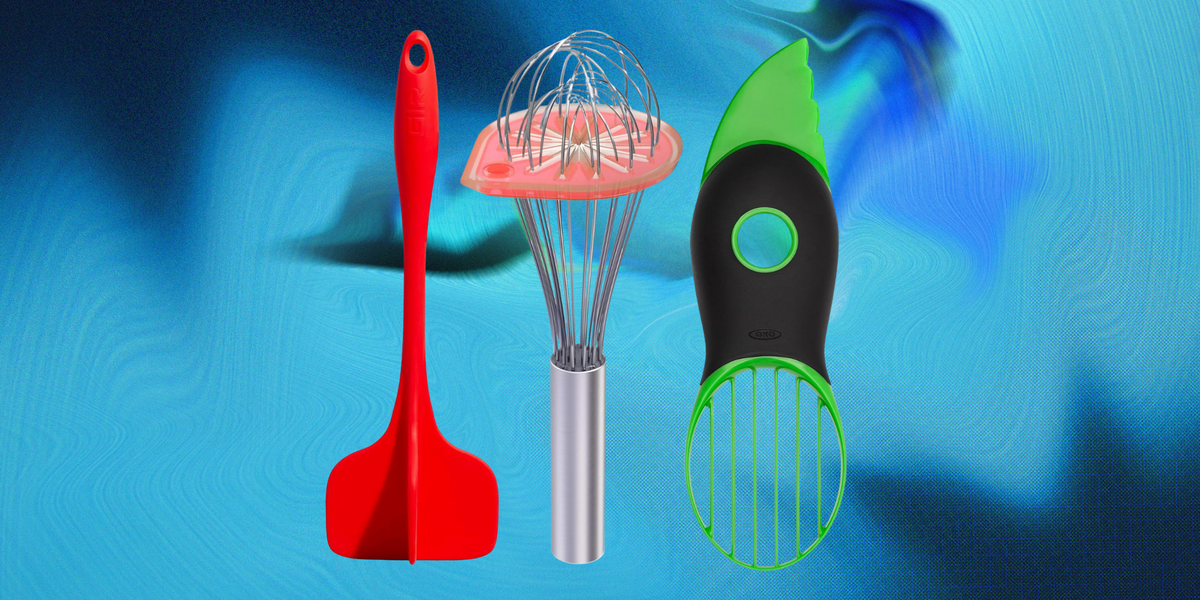

Single-use kitchen tools have a reputation problem. For every brilliant gadget that saves dinner, there are three banana slicers lurking in drawers like plastic fossils from a late-night shopping decision. The modern home cook is told to declutter, simplify, and trust the mighty chef’s knife. That advice is mostly right. Mostly.
But here is the delicious loophole: some single-purpose kitchen tools are not clutter. They are tiny efficiency machines. They do one job, do it better than your knife, spoon, fingernail, or “creative optimism,” and then quietly return to the drawer without demanding counter space or emotional support.
This guide focuses on single-use kitchen tools that earn their keep because they save time, improve consistency, reduce mess, protect your hands, or make a task so much easier that you actually cook more often. The goal is not to collect gadgets like culinary Pokémon. The goal is to know which kitchen gadgets are worth it, which ones belong in the donation box, and which compact tools deserve a permanent parking spot next to the measuring spoons.
How to Decide Whether a Single-Use Kitchen Tool Is Worth It
Before we crown the winners, let’s set a sensible rule: a single-use kitchen tool must solve a real problem. It should either make a difficult task safer, make a repetitive task faster, produce better results, or help a cook with limited grip strength, dexterity, or patience. Bonus points if it is small, dishwasher-safe, affordable, and does not require a three-part cleaning ritual involving toothpicks and regret.
The best single-purpose kitchen tools usually fall into one of four categories: prep tools, baking tools, safety tools, and accessibility tools. A cherry pitter makes summer pie less ridiculous. A garlic press helps you cook on a weeknight without turning your cutting board into a perfume factory. A jar opener can be a game-changer for anyone with hand pain. These are not gimmicks. They are practical shortcuts with handles.
15 Single-Use Kitchen Tools That Actually Earn Drawer Space
1. Garlic Press
A garlic press is controversial, which is funny because garlic itself has never asked to be involved in drama. Some cooks argue that a knife or microplane gives more control. True. But if you use garlic often, especially in sauces, marinades, stir-fries, meatballs, salad dressings, and quick weeknight dinners, a good garlic press can save time and keep your hands from smelling like an Italian restaurant’s front door.
The best garlic presses crush cloves evenly, feel comfortable in the hand, and open wide enough for easy cleaning. Look for sturdy stainless steel, a removable basket or swing-out cleaning plate, and handles that do not require superhero grip strength. Skip flimsy models that trap garlic pulp in tiny corners. Those are not tools; they are garlic prisons.
2. Handheld Citrus Squeezer
Could you squeeze a lemon by hand? Absolutely. Could you also launch seeds into your salad dressing and get citrus juice in a paper cut you did not know existed? Also absolutely.
A handheld citrus squeezer is one of the most useful compact kitchen gadgets for anyone who cooks with lemon or lime juice. It extracts more juice with less mess and keeps seeds where they belong: not in your guacamole. It is especially helpful for cocktails, vinaigrettes, marinades, tacos, fish, baked goods, and that one friend who says “just a squeeze of lime” like limes grow in your pantry.
Choose a sturdy metal squeezer that matches your most-used citrus. Yellow models are usually sized for lemons; green ones are often better for limes. If you cook a lot, the space it takes is tiny compared with how often you will grab it.
3. Cherry and Olive Pitter
A cherry pitter sounds unnecessary until you pit two pounds of cherries with a paring knife and start questioning your summer priorities. For pies, cobblers, jams, fruit salads, and cocktail garnishes, a cherry pitter is faster, cleaner, and more consistent than cutting around every pit by hand.
Many models also work on olives, making them useful beyond cherry season. If you entertain, bake, or preserve fruit, this small tool quickly becomes a favorite. Look for one with a splash guard, comfortable grip, and a mechanism that punches cleanly through the fruit without turning your counter into a crime scene from a berry-themed detective show.
4. Egg Slicer
The egg slicer is a quiet overachiever. Its main job is slicing hard-boiled eggs for salads, sandwiches, ramen toppings, and deviled egg fillings. But it also works surprisingly well on soft foods like strawberries, mushrooms, olives, and small pieces of mozzarella.
Is it technically single-use? Mostly. Is it still worth it? If you meal prep, pack lunches, make egg salad, or have children who suddenly reject food unless it is “in circles,” yes. A good egg slicer produces uniform slices in seconds and keeps your cutting board clean. Choose one with a sturdy base and stainless steel wires, not the kind that looks like it was designed for one egg and a dramatic retirement.
5. Apple Corer
An apple corer is the tool that turns “I should eat more fruit” into “Look at me, making responsible decisions.” It removes the core cleanly and quickly, leaving apples ready for slicing, baking, stuffing, dehydrating, or packing in lunch boxes.
This is especially useful for parents, bakers, and anyone who makes apple crisp when the weather drops below 70 degrees and suddenly becomes a cinnamon-based person. A basic cylindrical corer takes up almost no drawer space. If you bake often, an apple peeler-corer-slicer can be worth it, but that larger crank-style tool should only move in if apple pies are a recurring character in your kitchen.
6. Strawberry Huller
A strawberry huller removes the leafy top and tough white core without wasting half the berry. That matters when strawberries are expensive, ripe, and too pretty to butcher with a knife. It is useful for jams, pies, smoothies, fruit trays, shortcakes, and cocktail garnishes.
The best hullers are small, easy to rinse, and sharp enough to grab the stem cleanly. Tong-style models are popular because they feel intuitive, while push-button claw designs are fun and efficient. If you only eat strawberries twice a year, skip it. If berry season turns your kitchen into a jam laboratory, this little gadget earns its drawer space.
7. Corn Stripper
Cutting kernels off the cob with a knife works, but it often sends corn flying across the kitchen like tiny yellow escape pods. A corn stripper helps remove kernels neatly and quickly, especially when you are making corn chowder, esquites, succotash, salads, fritters, or freezer bags of summer corn.
Look for a model with a comfortable grip and a sharp stainless steel blade. Some have containers that catch the kernels, which is helpful if you prefer your corn in a bowl instead of under the toaster. This is a seasonal tool, but during peak corn months it can feel like a tiny miracle with a blade.
8. Pizza Wheel
A chef’s knife can cut pizza. A pizza wheel cuts pizza without dragging cheese, toppings, and your dignity across the crust. For homemade pizza, flatbreads, quesadillas, pastry strips, and even sheet-pan nacho portions, a pizza wheel is fast and satisfying.
The best pizza cutters have a sharp wheel, a comfortable handle, and a design that is easy to clean. Avoid overly complicated novelty cutters unless your kitchen theme is “garage sale racetrack.” A simple, sturdy pizza wheel is small, cheap, and useful enough to justify its spot.
9. Instant-Read Thermometer
An instant-read thermometer may feel like a single-purpose tool, but that purpose is enormous: knowing when food is actually done. It prevents dry chicken, undercooked burgers, overbaked bread, scorched caramel, and the classic Thanksgiving question, “Is this turkey safe or just emotionally complicated?”
Fast, accurate thermometers are especially valuable for meat, poultry, fish, oil, candy, custards, and reheated leftovers. The best models read quickly, have clear displays, and fold or store safely in a drawer. This is one of the rare kitchen tools that improves both food quality and food safety. Even minimalist cooks should own one.
10. Manual Can Opener
A can opener is so ordinary that we forget it is technically a single-use tool. But try opening tomatoes, beans, coconut milk, tuna, pumpkin puree, or chipotles in adobo without one and suddenly it becomes the hero of civilization.
A good can opener should grip easily, turn smoothly, and leave clean edges. Manual versions are compact and reliable, while electric versions can be excellent for people with limited hand strength. If your current can opener chews metal like an anxious beaver, replace it. This is not the place to practice loyalty.
11. Jar Opener
A jar opener is the kind of tool you do not think about until a lid refuses to move and you start negotiating with pickles. It is especially useful for people with arthritis, smaller hands, reduced grip strength, or a household full of mysteriously over-tightened salsa jars.
Compact twisting jar openers, silicone grip pads, and under-cabinet openers all solve the same problem: they give you leverage. This is less about culinary glamour and more about independence, convenience, and not banging jars on the counter like a frustrated drummer. For many cooks, a jar opener is absolutely worth the drawer space.
12. Microplane Zester
A microplane zester is not strictly single-use because it handles citrus zest, garlic, ginger, nutmeg, chocolate, and hard cheese. Still, it belongs on this list because its main identity is specialized: it turns small, potent ingredients into fine, fluffy flavor. A knife cannot do that. A box grater can try, but it will look embarrassed.
Use it to add lemon zest to pasta, Parmesan snow to soup, ginger to stir-fries, garlic to dressings, and nutmeg to holiday desserts. The best rasp-style graters are sharp, comfortable, and easy to clean. If you care about flavor but dislike bulky tools, a microplane is one of the smartest small kitchen tools you can buy.
13. Cookie Scoop
A cookie scoop, also called a portion scoop or disher, is the secret to cookies that bake evenly instead of forming a tray of random dough asteroids. It portions batter consistently, releases cleanly, and saves time when making cookies, muffins, meatballs, falafel, truffles, melon balls, and mini ice cream scoops.
For most home bakers, a medium scoop is the best starting size. Serious bakers may want multiple sizes, but do not go wild unless you are opening a bakery or have strong opinions about cookie diameter. Look for a sturdy spring mechanism and stainless steel bowl. Cheap scoops can bend when faced with chilled dough, and no cookie should witness that kind of weakness.
14. Mandoline Slicer
A mandoline slicer is the tool for paper-thin, uniform slices of potatoes, cucumbers, onions, radishes, apples, zucchini, and cabbage. It is ideal for gratins, pickles, slaws, chips, salads, and anything that requires consistency. A knife can do the job, but a mandoline does it faster and with near-professional precision.
The catch? Mandolines are sharp. Very sharp. Use the food holder, wear a cut-resistant glove, and do not attempt heroic slicing when you are distracted. A compact handheld mandoline can fit in a drawer and is enough for most cooks. If you regularly make shaved salads, potato gratin, or pickled vegetables, it is worth the space and the respect.
15. Tofu Press
A tofu press sounds niche until you try to balance a cutting board, three cans of beans, and your hopes on a block of tofu. Pressing tofu removes excess water, which helps it brown, crisp, and absorb marinades better. If plant-based meals are part of your weekly routine, a tofu press saves cleanup and makes results more consistent.
Compact presses fit neatly in a drawer or cabinet and usually include adjustable tension. They are especially helpful for stir-fries, crispy tofu bowls, tofu nuggets, and grilled tofu. If you rarely cook tofu, skip it. If tofu is in your regular rotation, stop building bean-can towers and get the press.
Single-Use Kitchen Tools You Can Usually Skip
Not every gadget deserves a home. Avocado slicers are often less useful than a spoon and knife. Banana slicers are charming in the way a tiny hat for a chicken is charming, but unnecessary. Electric quesadilla makers, hot dog toasters, and oddly specific sandwich gadgets often duplicate what a skillet or sheet pan already does.
The warning sign is simple: if the tool solves a problem that does not bother you, skip it. If it only works when the ingredient is a perfect size, perfect ripeness, and in a perfect mood, skip it. If cleaning it takes longer than doing the task by hand, skip it twice.
How to Store Single-Purpose Kitchen Tools Without Creating Chaos
The difference between a useful drawer and a gadget graveyard is organization. Group tools by task: baking tools together, fruit prep tools together, openers together, and sharp tools with blade covers. Drawer dividers help, but even small bins or repurposed food containers can keep tiny tools from migrating into the land of lost corn holders.
Use the “three-month test” for specialty tools. If a seasonal gadget is useful during its season, keep it. A cherry pitter does not need to work in January to justify its life. But if a tool goes untouched for a year and you do not miss it, it may be time to let it go.
Real-World Kitchen Experience: What Actually Earns Its Place
The best single-use kitchen tools are the ones you reach for without thinking. In real kitchens, convenience matters more than theory. A professional chef may mince garlic beautifully with a knife, but a tired home cook making spaghetti at 7:20 p.m. may prefer the garlic press and a clean cutting board. That is not laziness. That is dinner strategy.
In my experience, the tools that last are the ones tied to habits. If you make salads every day, a salad spinner may deserve cabinet space even though it is not drawer-sized. If you bake every weekend, cookie scoops become essential because they make batches consistent and faster. If you cook with citrus constantly, a handheld squeezer starts to feel less like a gadget and more like an extension of your hand.
The opposite is also true. A tool that looks brilliant in a product video can become useless if it does not match your cooking life. A strawberry huller is wonderful for jam makers, smoothie drinkers, and parents prepping fruit. But if you buy one basket of strawberries in June and eat them directly over the sink, you do not need a huller. You need napkins.
Accessibility is another reason some single-use tools deserve more respect. Jar openers, electric can openers, lightweight presses, and easy-grip peelers can make cooking possible for people with arthritis, hand injuries, tremors, or reduced strength. A minimalist drawer is not better if it makes cooking harder. The best kitchen setup is the one that helps the person using it.
I also judge tools by cleanup. A garlic press that opens wide and rinses clean is useful. A garlic press that requires a toothpick, a prayer, and a second sink session is not. A cherry pitter with a splash guard is useful. One that paints your backsplash red is a summer villain. A mandoline with a safe food holder is useful. A mandoline without protection is basically a tiny vegetable guillotine with paperwork pending.
The most worthwhile single-use tools create momentum. They make you more likely to cook from scratch because the annoying part is suddenly less annoying. Pitting cherries becomes manageable. Squeezing limes becomes quick. Checking chicken temperature becomes automatic. Portioning cookie dough becomes neat instead of sticky chaos. That is the real value: not owning more stuff, but removing friction from the meals you already want to make.
So yes, be skeptical. Do not surrender your drawers to every gadget with a cute shape and a promise. But do not reject all unitaskers just because some are silly. A carefully chosen single-use kitchen tool can be small, practical, and genuinely joyful. And if it saves dinner on a Tuesday night, it has earned its rent.
Conclusion
Single-use kitchen tools are not automatically clutter. The right ones save time, improve consistency, reduce waste, and make cooking feel less like a tiny obstacle course. The key is choosing tools that match your real habits, not your fantasy life where you make homemade ravioli every Tuesday while wearing linen.
If you cook with garlic, citrus, canned goods, jars, tofu, apples, berries, cherries, pizza, cookies, or meat, several of these tools can make your kitchen more efficient and more enjoyable. Keep the ones that solve problems. Skip the ones that merely look clever. Your drawer space is valuable, but so is your time, your grip strength, and your ability to make dinner without muttering at a lemon.