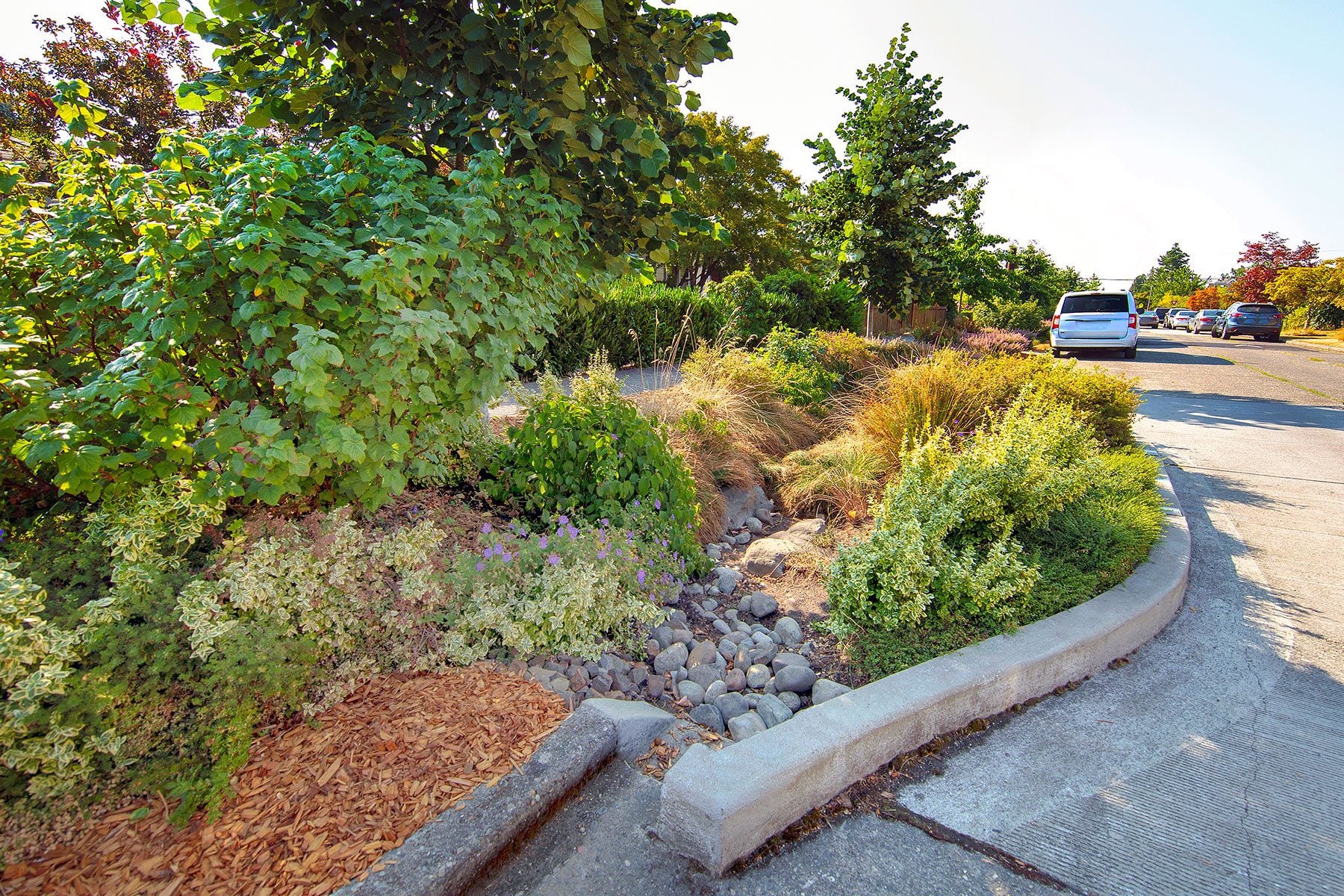

At first glance, a bioswale may look like a fancy ditch that went to landscape design school, learned about native plants, and came back with a mission. But beneath that calm, grassy, rain-catching surface is one of the smartest tools in modern stormwater management. A bioswale is a shallow, planted channel designed to slow down, filter, absorb, and safely move stormwater runoff. In plain English: it helps rainwater behave itself.
Instead of letting stormwater rush across pavement, pick up oil, fertilizer, trash, sediment, and mystery parking-lot goo, then dump everything into storm drains, a bioswale gives that water a natural obstacle course. It spreads the flow, slows it down, lets soil and plants filter pollutants, and often allows some of the water to soak into the ground. It is part engineering, part ecology, and part “please stop flooding the sidewalk.”
Bioswales are now common in green streets, parking lots, campuses, parks, commercial developments, and residential landscapes. They are especially useful in urban areas where roofs, roads, driveways, and sidewalks create large amounts of impervious surface. When rain hits those hard surfaces, it cannot soak in, so it runs off fast. A bioswale steps in like a calm friend at a chaotic party and says, “Let’s slow this down.”
What Is a Bioswale?
A bioswale is a vegetated, gently sloped channel that collects and treats stormwater runoff. It is usually long and narrow, with plants, soil, mulch, gravel, or engineered filter media working together to manage water. Unlike a regular drainage ditch that simply moves water away as quickly as possible, a bioswale is designed to improve water quality and reduce runoff impacts.
The keyword here is bio. The living parts of the systemplants, roots, soil organisms, and microbeshelp clean the water. The swale part refers to the shallow channel shape that guides water. Put them together and you get a landscape feature that can collect runoff from streets, rooftops, parking lots, lawns, and sidewalks while also looking far better than a concrete trench with self-esteem issues.
How Does a Bioswale Work?
A bioswale works by using gravity, vegetation, soil, and time. Stormwater enters the swale through curb cuts, sheet flow, pipes, or surface runoff. Once inside, the water slows down because the channel is shallow, gently sloped, and filled with plants or other rough surfaces. That slower speed matters. Fast water causes erosion and carries pollutants farther. Slow water has time to drop sediment, soak into soil, and pass through natural filters.
Step 1: Water Enters the Swale
Runoff usually comes from impervious surfaces such as roads, parking lots, rooftops, and sidewalks. These surfaces collect pollutants between storms. When rain arrives, the first flush of water can carry motor oil, tire particles, leaves, lawn chemicals, pet waste, metals, and sediment. A bioswale intercepts that flow before it goes straight into a storm drain or nearby stream.
Step 2: Plants Slow the Flow
Grasses, sedges, rushes, shrubs, and perennials create friction. That may sound like something from physics class, but in landscape terms it means water does not race through the swale like it is late for a meeting. The stems and leaves interrupt the flow, helping sediment settle out.
Step 3: Soil Filters Pollutants
As water moves through the planted surface and into the soil, particles get trapped. Organic matter, sand, compost, and engineered soil mixes can help remove sediment, nutrients, metals, and other pollutants. Microbes in the soil also help break down certain contaminants, especially some organic pollutants.
Step 4: Water Soaks In or Moves Out Safely
Depending on the design, soil type, and local regulations, some water may infiltrate into the ground, some may be stored temporarily, and some may exit through an underdrain or overflow structure. A well-designed bioswale does not create a permanent swamp. It should drain within an appropriate period after a storm, which keeps plants healthy and mosquitoes unimpressed.
Bioswale vs. Rain Garden: What Is the Difference?
Bioswales and rain gardens are close cousins. They both use plants and soil to manage stormwater, but they are not exactly the same.
A rain garden is usually a bowl-shaped planted depression that captures runoff and lets it soak in. It is often used in yards, parks, and small sites. A bioswale is typically longer and more linear. It is designed not only to absorb and filter water but also to convey it from one place to another. In other words, a rain garden says, “Come here and soak.” A bioswale says, “Come here, slow down, clean up, and continue carefully.”
This is why bioswales are popular along roads, parking lots, sidewalks, and green streets. Their shape makes them perfect for catching water along a route.
Common Parts of a Bioswale
Although every bioswale is designed for its specific site, most include a few common components.
Vegetation
Plants are the star performers. Native plants are often recommended because they are adapted to local climate, rainfall, soil, and wildlife. Good bioswale plants must tolerate both wet and dry conditions. They may be briefly flooded during storms, then face hot, dry weather later. Basically, they need the emotional range of a theater major and the toughness of a hiking boot.
Engineered Soil or Filter Media
Many bioswales use a special soil mix designed for drainage and pollutant removal. This may include sand, compost, topsoil, or other materials. The goal is to allow water to pass through at the right ratenot too fast, not too slow.
Mulch or Stone
Mulch helps protect soil, reduce erosion, retain moisture, and suppress weeds. In areas with faster flow, stone may be used to stabilize the channel and prevent washouts.
Check Dams
Small barriers made of stone, wood, or other materials can be placed across the swale to slow water and create small pooling zones. These check dams help water spread out and infiltrate rather than rushing downhill.
Inlets and Outlets
Water needs a way in and a safe way out. Curb openings, pipes, overflow drains, or spillways may be included so the bioswale can handle both ordinary rain and larger storm events.
Why Are Bioswales Important?
Bioswales solve several problems at once, which is why cities, developers, schools, and homeowners are paying attention. They are not magic, but they are impressively useful for something that photosynthesizes.
They Reduce Stormwater Runoff
Urban development creates hard surfaces. When rain falls on pavement, water moves quickly instead of soaking into the ground. This can overload storm drains, increase flooding, and send polluted runoff into streams and rivers. Bioswales reduce the speed and volume of runoff by holding water temporarily and encouraging infiltration.
They Improve Water Quality
Stormwater often carries sediment, nutrients, metals, oil, grease, and debris. Bioswales help filter these pollutants before water reaches waterways. Plants, soil, and microbes all play roles in the cleaning process.
They Help Control Erosion
Fast-moving runoff can carve channels, damage slopes, and erode streambanks. By slowing water down, bioswales reduce the erosive force of stormwater. That means less soil loss and fewer muddy messes after heavy rain.
They Support Pollinators and Urban Wildlife
When planted with native flowers, grasses, shrubs, and sedges, bioswales can provide food and habitat for bees, butterflies, birds, and beneficial insects. A stormwater feature that also hosts pollinators is the landscape equivalent of bringing snacks and solving the group project.
They Make Streets and Parking Lots Less Ugly
Let us be honest: parking lots are not usually where beauty goes to flourish. Bioswales can soften harsh pavement, add greenery, reduce heat, and make public spaces feel more welcoming. A well-designed bioswale can turn leftover drainage space into a living landscape feature.
Where Are Bioswales Used?
Bioswales can appear in many places, including residential neighborhoods, commercial properties, industrial sites, school campuses, municipal streets, highway edges, parks, and parking lots. They are especially valuable where runoff flows in a predictable direction and there is enough room for a linear planted channel.
In cities, bioswales are often part of green infrastructure or low impact development. These approaches use natural systems to manage stormwater close to where it falls. Instead of relying only on pipes, drains, and concrete channels, green infrastructure uses soils, plants, trees, permeable surfaces, wetlands, and rain gardens to reduce pressure on drainage systems.
Portland, Oregon, is one of the best-known U.S. examples of green streets that use planted stormwater facilities. Similar practices can be found across the country, from rainy coastal cities to drier regions that adapt bioswale design for local climate and water needs.
What Makes a Good Bioswale Design?
A bioswale should be designed for the site, not copied from a pretty picture online. The best design depends on drainage area, slope, soil type, rainfall patterns, available space, local regulations, and maintenance capacity.
Proper Sizing
A bioswale must be large enough to handle the runoff it receives. If it is too small, water may overflow too often or move too quickly. If it is oversized or poorly graded, it may hold water too long.
Gentle Slopes
Side slopes should be stable and easy to maintain. A bioswale should not feel like a tiny canyon. Gentle slopes help prevent erosion and make the feature safer for people, pets, and maintenance crews.
Healthy Soil
Soil is not just dirt wearing a boring name tag. It is a living filter. Good bioswale soil must support plant growth, drain properly, and help remove pollutants. Compacted soil can ruin performance, so construction practices matter.
Right Plant, Right Place
Plants should match the moisture zones of the bioswale. The bottom may experience temporary flooding, while the upper slopes may be much drier. Deep-rooted native plants are often excellent choices because they stabilize soil, improve infiltration, and support local ecosystems.
Safe Overflow
No bioswale should be expected to capture every drop from every storm. Large storms need an overflow route. A good design includes a safe path for extra water so it does not flood buildings, sidewalks, or roads.
Best Plants for a Bioswale
The best bioswale plants vary by region, but strong candidates usually include native grasses, sedges, rushes, flowering perennials, and shrubs that tolerate both wet and dry conditions. In the Midwest, plants such as switchgrass, little bluestem, blue flag iris, and various sedges may be appropriate. In parts of the Southeast, moisture-tolerant grasses, canna, muhly grass, and native wetland plants may be used. In the Pacific Northwest, rushes, sedges, Oregon grape, red osier dogwood, and other regionally adapted plants may fit the job.
The key is not to grab the prettiest plant at the garden center and hope for the best. A bioswale is a tough workplace. Plants may face road salt, heat, drought, temporary flooding, sediment, and occasional trash. Choose plants for function first, beauty second. Fortunately, many functional plants are also beautiful, which is nature’s way of saying, “You’re welcome.”
Bioswale Maintenance: The Part Everyone Forgets
A bioswale is low-tech, but it is not no-maintenance. Like any landscape, it needs care. During the first year or two, watering, weeding, and plant replacement may be necessary while vegetation becomes established. After that, maintenance usually includes removing trash, controlling invasive weeds, checking inlets and outlets, replacing mulch, repairing erosion, and removing accumulated sediment.
The most common bioswale problems include clogged inlets, bare soil, erosion, standing water, invasive plants, and poor vegetation growth. Many of these issues can be prevented with routine inspections, especially after major storms. A bioswale should look alive, stable, and functionalnot like a forgotten ditch hosting a plastic-bag convention.
Can Homeowners Build a Bioswale?
Yes, homeowners can build small bioswales, especially to manage runoff from driveways, roofs, patios, or compacted lawn areas. However, careful planning is important. Water should always be directed away from foundations, septic systems, neighboring properties, and steep unstable slopes. Local rules may also apply, especially if the bioswale connects to a public stormwater system or changes drainage patterns.
For a simple residential bioswale, the process usually involves identifying where runoff comes from, choosing a safe flow path, testing drainage, shaping a shallow channel, improving soil if needed, adding erosion control, and planting appropriate vegetation. For larger or more complex sites, a landscape architect, civil engineer, or stormwater professional should be involved.
Are Bioswales Expensive?
The cost of a bioswale depends on size, excavation, soil amendments, plants, drainage structures, labor, and site conditions. A small residential swale may be relatively affordable, especially if built as part of a broader landscape project. A municipal or commercial bioswale with engineered media, underdrains, curb cuts, and inspection structures will cost more.
However, bioswales can provide long-term value by reducing runoff, improving compliance with stormwater rules, lowering pressure on drainage infrastructure, improving property appearance, and supporting environmental goals. They are often considered a cost-effective green infrastructure practice when designed and maintained properly.
Common Myths About Bioswales
Myth 1: A Bioswale Is Just a Ditch
A ditch mainly moves water. A bioswale manages, slows, filters, and sometimes infiltrates water. The difference is design intent, soil, vegetation, and performance.
Myth 2: Bioswales Always Attract Mosquitoes
A properly designed bioswale should drain after storms. Mosquitoes prefer standing water that lasts long enough for breeding. If water remains for too long, the issue is likely poor design, clogging, or compacted soil.
Myth 3: Bioswales Work Anywhere
Bioswales are useful, but not universal. Sites with steep slopes, contaminated soils, extremely poor drainage, high groundwater, limited space, or heavy sediment loads may require special design or a different stormwater practice.
Myth 4: Once Built, They Take Care of Themselves
Plants do many things. Filing maintenance reports is not one of them. Bioswales need inspection and care to keep working well.
Real-World Example: The Green Street Bioswale
Imagine a city block where rain once rushed along the curb, carrying leaves, oil, and road grit into a storm drain. During heavy storms, the drain backed up, sidewalks flooded, and nearby waterways received a dirty pulse of runoff. Now picture that same block redesigned with curb openings that direct water into planted bioswales between the street and sidewalk.
During a storm, runoff enters the swale, spreads across the planted surface, slows down, and begins soaking into the soil. Sediment drops out. Plants bend but hold their ground. Overflow structures handle excess water during larger storms. After the rain ends, the swale gradually drains. The street looks greener, the sewer system receives less immediate runoff, and the neighborhood gets a small habitat corridor instead of another strip of sad concrete.
Experience Section: What Living With Bioswales Teaches You
After spending time around bioswales in neighborhoods, parking lots, campuses, and public streets, one thing becomes clear: they are much more interesting in real life than they sound in a municipal planning document. On paper, a bioswale may seem like a stormwater best management practice with a polite technical name. In person, it behaves like a small landscape with a very serious job.
The first thing you notice is how quickly a bioswale changes during rain. On a dry day, it may look like a planted strip with grasses and flowers. Then a storm arrives, and suddenly the design reveals itself. Water slips through curb cuts, spreads into the shallow channel, and slows down. The plants move with the flow. Mulch darkens. Small pools form behind stones or check dams. What looked decorative five minutes earlier is now actively managing runoff. It is like watching a quiet coworker suddenly handle the entire emergency meeting.
Another lesson is that maintenance makes or breaks the experience. A well-kept bioswale can be beautiful. It has layered plants, clear inlets, stable soil, and seasonal interest. It looks intentional. A neglected bioswale, on the other hand, can quickly become confusing to the public. If trash collects near the inlet, weeds take over, or sediment blocks flow, people may see it as a messy ditch rather than useful green infrastructure. That perception matters. When residents understand what a bioswale does, they are more likely to support it, protect it, and avoid treating it like a convenient place for coffee cups to retire.
Homeowners also learn that water is surprisingly opinionated. It does not always go where you want just because you drew an arrow on a plan. Small grading errors can change everything. A slight high spot may stop runoff from entering the swale. A compacted patch of soil may create unwanted ponding. A clogged downspout extension may send water toward the foundation instead of the landscape. Building or observing a bioswale teaches respect for slopes, soil texture, and overflow paths.
Plant selection is another experience-based lesson. The plants in the bottom of a bioswale need to tolerate temporary wet feet. Plants on the upper edges may spend more time dry. That means one-size-fits-all planting rarely works well. The best bioswales often look slightly wild but not abandoned. They use tough, deep-rooted plants that can handle weather mood swings. In many climates, native sedges, rushes, grasses, and flowering perennials provide the best combination of durability and beauty.
There is also something satisfying about seeing a bioswale turn a problem into a feature. A low wet strip near a driveway, a runoff path beside a parking lot, or an awkward roadside edge can become useful landscape space. Instead of fighting water with more concrete, a bioswale works with water’s natural movement. It does not eliminate every stormwater problem, and it should not be oversold as a miracle trench in a plant costume. But when placed correctly, sized properly, and maintained consistently, it can make a visible difference.
The biggest takeaway is simple: bioswales teach patience. They slow water, but they also slow our thinking. They remind us that stormwater is not just something to get rid of as fast as possible. It is part of a larger cycle involving soil, plants, streets, streams, and communities. A bioswale gives rainwater a better route through that cycle. And if it also gives the neighborhood some flowers, birds, and fewer puddles near the crosswalk, that is a pretty good deal for a glorified ditch with a graduate degree.
Conclusion: So, What Exactly Is a Bioswale?
A bioswale is a planted stormwater channel that slows, filters, absorbs, and safely conveys runoff. It is one of the most practical forms of green infrastructure because it solves drainage problems while improving water quality, supporting plants and wildlife, and making developed areas more attractive.
The best bioswales are thoughtfully designed for local conditions. They need the right size, slope, soil, plants, inlet, outlet, and maintenance plan. When all those pieces work together, a bioswale becomes more than a landscape feature. It becomes a living stormwater system that helps cities and properties manage rain in a cleaner, calmer, and more natural way.
In a world with more pavement, heavier rain events, and aging drainage systems, bioswales offer a refreshingly grounded solution. They do not shout. They do not sparkle. They simply catch water, slow it down, clean it up, and let nature do some of the work. Honestly, that is more than can be said for most decorative shrubs.
SEO Tags
Note: This HTML body is written for web publishing and is based on real U.S. stormwater and green infrastructure guidance, with no source-link clutter or citation placeholders embedded in the article body.