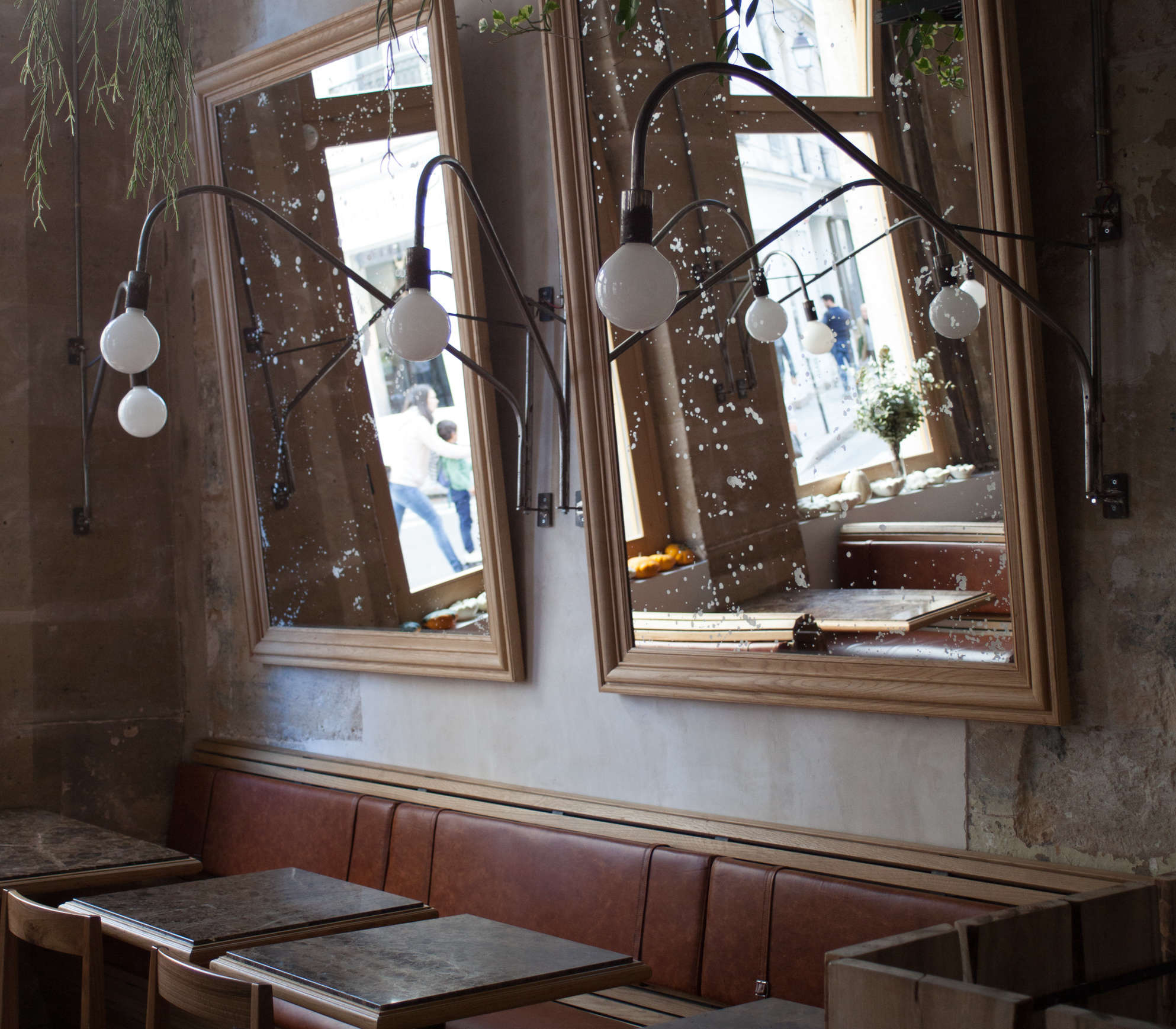

Some holiday issues arrive jingling bells, tossing glitter, and shouting “festive!” from the rooftop like an over-caffeinated elf. This week’s Old World Holiday Issue takes a more elegant route. It steps through a snow-dusted door, removes its wool coat, lights a candle, and quietly says, “Would you like to see something timeless?” Naturally, the answer is yes. Also, where did it get that candle?
The charm of an Old World holiday is not about pretending we all live in a stone cottage outside Copenhagen or own a French manor with “good bones” and suspiciously photogenic peeling paint. It is about rediscovering the details that make winter feel textured: hand-finished materials, thoughtful gifts, old recipes, candlelit rooms, heritage design, and traditions that have survived every decorating trend except maybe inflatable lawn reindeer.
In this guide to what to read in this week’s Old World Holiday Issue, we explore the stories, themes, and design ideas worth bookmarking. Expect European holiday inspiration, cozy interiors, gift ideas with personality, winter reading that feels useful rather than fluffy, and a generous helping of “I could do that at home” energy.
Why the Old World Holiday Theme Still Works
Old World style has a special holiday superpower: it makes simple things feel important. A bowl of oranges becomes décor. A linen napkin becomes a small act of civilization. A brass candlestick suddenly looks like it has opinions about modern overhead lighting. This aesthetic works because it favors atmosphere over excess.
Modern holiday decorating often becomes a race: more lights, more ornaments, more ribbons, more battery packs hiding behind more garland. Old World holiday design moves in the opposite direction. It asks what happens when you use fewer things, but choose them better. Think evergreen branches, marble, wood, wool, antique glass, handmade ceramics, beeswax candles, velvet ribbon, and small gifts that feel discovered rather than delivered by a warehouse robot with a clipboard.
That is why this holiday issue is worth reading slowly. It is not simply a list of pretty rooms. It is a seasonal mood board for readers who want their homes to feel warm, layered, and human.
The Must-Read Stories in This Week’s Old World Holiday Issue
1. European Winter Inspiration Without the Passport Panic
The issue leans into old-world Europe for winter design ideas, and that direction makes sense. Europe’s holiday traditions have shaped much of what Americans now recognize as classic Christmas atmosphere: decorated evergreens, market stalls, handmade ornaments, gingerbread, warm drinks, candlelight, and gifts tucked into stockings with the precision of a tiny logistics department.
But the most useful part of European holiday inspiration is not copying it exactly. Nobody needs to transform a suburban kitchen into a Viennese café by Tuesday. The better takeaway is mood: a slower pace, richer textures, practical beauty, and objects that seem to have lived a little. A wooden brush, a linen towel, a handmade ornament, or a small tin of sweets can carry more charm than a giant novelty gift that lights up, sings, and terrifies the dog.
2. Small Stocking Stuffers With Big Personality
One of the delights of the Old World Holiday Issue is its attention to small gifts. Stocking stuffers are often treated as holiday filler, the gift equivalent of parsley on a plate. But a well-chosen small present can be the most memorable thing under the tree.
The European approach to tiny gifts is wonderfully practical. Instead of plastic gadgets that will vanish into a junk drawer by New Year’s Day, think shoe brushes, pocket notebooks, fine soap, kitchen tools, tiny jars of jam, beeswax wraps, chocolate, tea, small scissors, or a beautiful matchbox. These are not flashy items, but they make daily life feel slightly more polished. That is the secret: the best small gifts are useful, delightful, and just unnecessary enough to feel like a treat.
For readers searching for Old World holiday gifts, this section of the issue offers a good reminder: a present does not need to be expensive to feel refined. It needs intention. Also, decent wrapping helps. Even a humble bar of soap becomes mysterious when tied with string and labeled in handwriting that looks like it belongs to a person who owns sealing wax.
3. Marble, the Grandparent of Glamour
The issue also points readers toward the enduring beauty of marble. Marble has a long design history, and it still appears in kitchens, baths, fireplaces, tabletops, and small decorative accents because it does something few materials can do: it looks both ancient and fresh.
For holiday styling, marble adds quiet drama. A marble board under cheese, citrus, cookies, or candles instantly makes a table feel composed. It works beautifully with evergreen branches, brass, silver, dark wood, and winter whites. It also has the confidence of a material that knows it has been used in palaces, sculptures, and countertops where people now make grilled cheese.
The practical lesson is simple: Old World holiday style is not only about red bows and green garlands. It is about materials. Stone, wood, wool, glass, paper, and metal create depth. When a room includes natural textures, holiday decorations do not have to shout. They can hum politely.
4. A French Countryside Renovation State of Mind
Few phrases are more dangerous to design-loving readers than “French countryside renovation.” Suddenly, everyone is imagining limestone floors, old beams, imperfect plaster, and a kitchen where soup is always simmering even though nobody has purchased ingredients. The Old World Holiday Issue taps into that fantasy, but the real value is not escapism. It is perspective.
Old houses remind us that beauty does not always come from perfection. Cracked paint, uneven floors, weathered hardware, and inherited furniture can make a space feel alive. In a holiday context, that means allowing the season to look collected rather than staged. A slightly tarnished tray can hold cookies. Mismatched chairs can gather around the table. A wrinkled linen runner can look relaxed, not ruined. Your home does not need to audition for a royal winter portrait.
Readers who love renovation stories will find this theme especially satisfying because it blends aspiration with patience. Old World style is often built over time, one useful object and one good decision at a time.
5. Design-Forward Lodging and the Romance of Place
The issue also nods toward travel and design-forward lodging, including places where interiors tell a story. That matters because holiday reading is not only about decorating your own home. Sometimes it is about studying how hospitality spaces create warmth.
A good winter hotel, inn, or guesthouse knows how to stage comfort without smothering guests in theme décor. The best examples use layered lighting, tactile textiles, local materials, ceramics, art, and a few seasonal gestures. A wreath on the door. A fire in the lobby. A breakfast table that looks like someone cared. These details translate easily to home.
For anyone planning a holiday refresh, travel stories can be surprisingly practical. Notice how a great lodging space handles entryways, bedside lighting, hooks, trays, and seating. Then borrow the ideas. This is not theft; it is design research with better snacks.
Old World Holiday Design Ideas to Steal Politely
Use Greenery Like Architecture
Evergreen branches are the backbone of Old World holiday decorating. They frame doors, soften mantels, fill pitchers, and make tables feel abundant. Instead of treating greenery as a decorative afterthought, use it to shape the room. A simple garland over a doorway can change the mood of an entire space.
For a more refined look, skip the plastic sparkle and mix real or realistic greenery with dried citrus, pinecones, velvet ribbon, or small metal bells. The goal is not “craft store aisle seven exploded.” The goal is winter woodland with manners.
Choose Candlelight Over Brightness
Old World holiday rooms are rarely about bright light. They are about glow. Candles, shaded lamps, and warm bulbs create a sense of intimacy that overhead lighting cannot match. Battery candles are a safe and practical option, especially around greenery, pets, and relatives who gesture dramatically while telling stories.
Place light low and in layers: on mantels, sideboards, windowsills, and dining tables. The room will instantly feel older, softer, and more flattering. Holiday miracle? Perhaps. Lighting design? Definitely.
Mix Practical Objects With Decorative Ones
One reason Old World interiors feel rich is that useful objects are allowed to be beautiful. A copper pot, wooden spoon, wool blanket, stoneware bowl, or linen apron can become part of the seasonal atmosphere. You do not need to hide everything functional and replace it with decorations shaped like snowmen.
This approach is especially helpful for small homes. When space is limited, every object needs to earn its chair at the holiday table. Choose pieces that work hard and look good doing it.
What Food Lovers Should Read First
An Old World holiday issue would be incomplete without food, because winter traditions are basically edible memory wrapped in carbs. European-inspired holiday reading often circles around markets, pastries, preserved fruits, roasted nuts, spiced drinks, and long meals that begin with good intentions and end with someone opening “just one more” box of cookies.
Christmas markets are especially useful inspiration. Historically rooted in European town squares, these markets combine food, craft, music, and shopping into one outdoor ritual. In the United States, European-style markets have become popular in cities such as Chicago, Bethlehem, Carmel, Cincinnati, New York, and other holiday-loving destinations. Their appeal is easy to understand: they turn shopping into an experience, not a fluorescent-light errand with parking-lot despair.
For home entertaining, borrow the market logic. Offer a few warm drinks, one savory snack, one sweet thing, and something handmade or personal. A holiday gathering does not need twelve courses. It needs warmth, movement, and the feeling that people can linger without being assigned a spreadsheet.
How to Read the Issue Like an Editor
To get the most from this week’s Old World Holiday Issue, do not simply scroll for pretty pictures. Read it like an editor. Ask what each story is really offering. Is it a color palette? A shopping idea? A mood? A material lesson? A reminder to repair instead of replace? A reason to stop buying novelty mugs in bulk?
Start with the table-of-contents style overview, then move into the gift guides, design features, renovation stories, and travel pieces. Keep a short list of ideas that could work in your own home. The best list might include: add greenery to the entry, wrap gifts in kraft paper and ribbon, use a marble board on the table, choose one meaningful stocking stuffer per person, and light the room better.
That is the beauty of a well-curated holiday issue. It does not demand a complete lifestyle transplant. It gives you small doors into a better season.
Why This Issue Feels Fresh Even When It Looks Backward
The phrase “Old World” can sound nostalgic, but the strongest ideas in this issue feel surprisingly modern. Buy less, choose better. Prefer quality materials. Make gifts personal. Let traditions evolve. Create rooms that welcome people instead of impressing them into silence. These are not dusty values. They are refreshingly useful in a season that can easily become expensive, frantic, and louder than a shopping mall speaker system playing jazz versions of carols.
Old World holiday style also pairs beautifully with sustainability. Vintage ornaments, reusable linens, natural greenery, repairable tools, and handmade gifts all reduce the need for disposable décor. Even better, they give the holiday a sense of continuity. The same candleholders, serving bowls, stockings, and ornaments can return each year like beloved cast members in a seasonal drama.
Experience Notes: Reading the Old World Holiday Issue at Home
The best way to read this kind of issue is not in a rush between errands. It deserves a small ritual. Make tea or coffee, clear a corner of the table, and read with a notebook nearby. Yes, an actual notebook. Your phone is useful, but it is also where holiday ideas go to be attacked by notifications, delivery updates, and one cousin’s group chat about who is bringing ice.
When I read an Old World holiday issue, I like to treat it as a planning walk through an imaginary house. The entryway comes first. What would guests feel when they stepped inside? Maybe the answer is a small wreath, a boot tray, a bowl for keys, and a lamp instead of the overhead light that makes everyone look like they are being questioned by airport security. Then I move mentally into the kitchen. Could the counter hold a bowl of citrus, a stack of linen towels, or a wooden board ready for bread and cheese? These are small moves, but small moves are the backbone of a good holiday home.
The dining table comes next. Old World inspiration is especially useful here because it encourages imperfection. You do not need twelve matching plates or a centerpiece that requires engineering permits. A mix of plates, candles in different heights, greenery down the center, and simple glassware can feel generous and relaxed. The table should say, “Sit down, eat, stay,” not “Please admire my tablescape from a respectful distance.”
Gift planning is another place where this issue helps. Instead of starting with price, start with use. What would make someone’s everyday routine better? A beautiful dish brush for the friend who loves cooking. A wool pair of socks for the person whose feet are always campaigning for attention. A small notebook for the list-maker. A jar of excellent jam for the breakfast loyalist. These gifts are modest, but they feel personal because they pay attention.
Finally, I use holiday issues as permission to slow down. Not dramatically. Nobody needs to stare out a frosted window while holding a mug with both hands unless they truly feel called to the role. But even five minutes of looking at thoughtful interiors can reset the season. It reminds us that holiday beauty is not created by panic shopping or perfect styling. It is created by care: care in lighting a room, wrapping a gift, setting a table, and welcoming people as they are.
That, more than any single product or trend, is what makes this week’s Old World Holiday Issue worth reading. It gives the season back its texture. It says the holidays can be beautiful without being breathless, traditional without being stiff, and festive without requiring a glitter cleanup plan approved by professionals.
Conclusion: The Best Thing to Read Is the Mood
What to Read in This Week’s Old World Holiday Issue is more than a seasonal roundup. It is a reminder that the richest holiday ideas often come from old materials, old rituals, and old-fashioned attention to detail. Read it for the European inspiration, the thoughtful gifts, the marble, the countryside romance, the travel notes, and the practical design lessons hiding behind all that candlelight.
Most of all, read it for the mood: warm, storied, useful, and quietly festive. In a holiday season that often asks everyone to do more, buy more, and sparkle more, the Old World approach offers a better invitation. Choose well. Gather closely. Light the candles. Wrap the small gifts. Let the house feel lived in. And if the garland is slightly crooked, congratulationsit has character.
Note: This article is written as original, web-ready content based on real design, history, travel, food, and lifestyle research. It contains no copied passages, raw source links, or unnecessary citation placeholders.