
Choosing comfortable walking shoes sounds simple until you are standing in a store aisle surrounded by 200 pairs of sneakers, all promising clouds, bounce, support, energy return, and possibly enlightenment. The truth is less dramatic but far more useful: the best walking shoes are the ones that match your feet, your walking style, and your daily routine.
Comfortable walking shoes can make a morning stroll feel like self-care instead of a foot argument. They can help reduce rubbing, fatigue, heel pain, toe pressure, and that mysterious “why do my knees hate me?” feeling after errands. Whether you walk for fitness, commute on city sidewalks, travel, work long shifts, or simply want shoes that do not punish you for being upright, the right pair matters.
This guide breaks the process into three practical ways: choose the right fit, match the shoe to your foot type and walking surface, and test comfort before you commit. No magic. No hype. No “break them in for three months and hope your toes forgive you.” Just clear, useful advice.
Why Comfortable Walking Shoes Matter
Walking is one of the easiest forms of exercise, but your feet still absorb repetitive impact with every step. A poor shoe can create pressure points, unstable movement, hot spots, blisters, sore arches, tired calves, and aching joints. A good walking shoe supports the natural heel-to-toe motion of walking while giving your toes enough room to spread naturally.
Unlike fashion shoes, walking shoes are built for repeated motion. Unlike many running shoes, which often prioritize forward propulsion and higher impact, walking shoes should feel stable, flexible in the right place, and supportive without becoming stiff little foot prisons. The goal is not to buy the most expensive pair. The goal is to buy the pair that lets you forget about your feet in the best possible way.
Best Way #1: Start With Fit, Because Size Is Not a Personality Trait
The most important feature of comfortable walking shoes is fit. Not brand. Not color. Not whether the shoe looks fast enough to qualify for the Olympics while you walk to buy oatmeal. Fit comes first because even a premium shoe can become a blister machine if it squeezes, slips, or bends in the wrong place.
Measure Both Feet Before Buying
Your feet can change over time due to age, weight changes, pregnancy, activity level, injuries, or simply life being life. Many people also have one foot slightly larger than the other. Always fit your walking shoes to the larger foot. A shoe that fits one foot perfectly but turns the other into a folded napkin is not a good shoe.
When possible, get measured while standing. Standing spreads your feet under body weight, giving a more realistic measurement. It is also smart to shop later in the day or after some walking, because feet often swell slightly. Buying shoes first thing in the morning can lead to a pair that feels fine at breakfast and villainous by dinner.
Check the Toe Box
A comfortable walking shoe should have enough room in the toe box. Your longest toe should not touch the front of the shoe. A general rule is to leave about a thumb’s width, or roughly half an inch, between your longest toe and the end of the shoe.
Your toes should be able to wiggle and spread. If the shoe presses on the sides of your toes, pinches bunions, or makes your little toe feel like it has been assigned to a storage closet, try a wider size or a different model. Width matters as much as length. Some brands run narrow; others offer wide and extra-wide options. Shoe size is only a starting point, not a legally binding document.
Make Sure the Heel Is Secure
The heel should feel snug without slipping. A small amount of movement can be normal, but your heel should not pop up and down with every step. Heel slipping can cause blisters and make the shoe feel unstable. On the other hand, a heel counter that digs into your Achilles tendon is also a problem. You want secure, not medieval.
Walk around in both shoes, not just one. Turn, stop, and step forward naturally. If your heel slides, your toes jam forward, or the shoe feels loose through the midfoot, adjust the lacing or try another pair.
Do Not Trust the “They’ll Break In” Myth
Comfortable walking shoes should feel good right away. Materials may soften slightly, but a shoe that hurts in the store is unlikely to transform into a spa treatment later. If there is pressure, rubbing, numbness, or pinching during a short try-on, imagine what will happen after three miles. Spoiler: your feet will write a strongly worded complaint.
Best Way #2: Match the Shoe to Your Foot Type, Arch, and Walking Habits
After fit, the next step is choosing the right structure. Comfortable walking shoes are not one-size-fits-all because feet are built differently. Some people need more cushioning. Some need more stability. Some need a wider base. Some need room for orthotics. Some just need to stop buying shoes because they are “cute enough” and “probably fine.”
Understand Your Arch Type
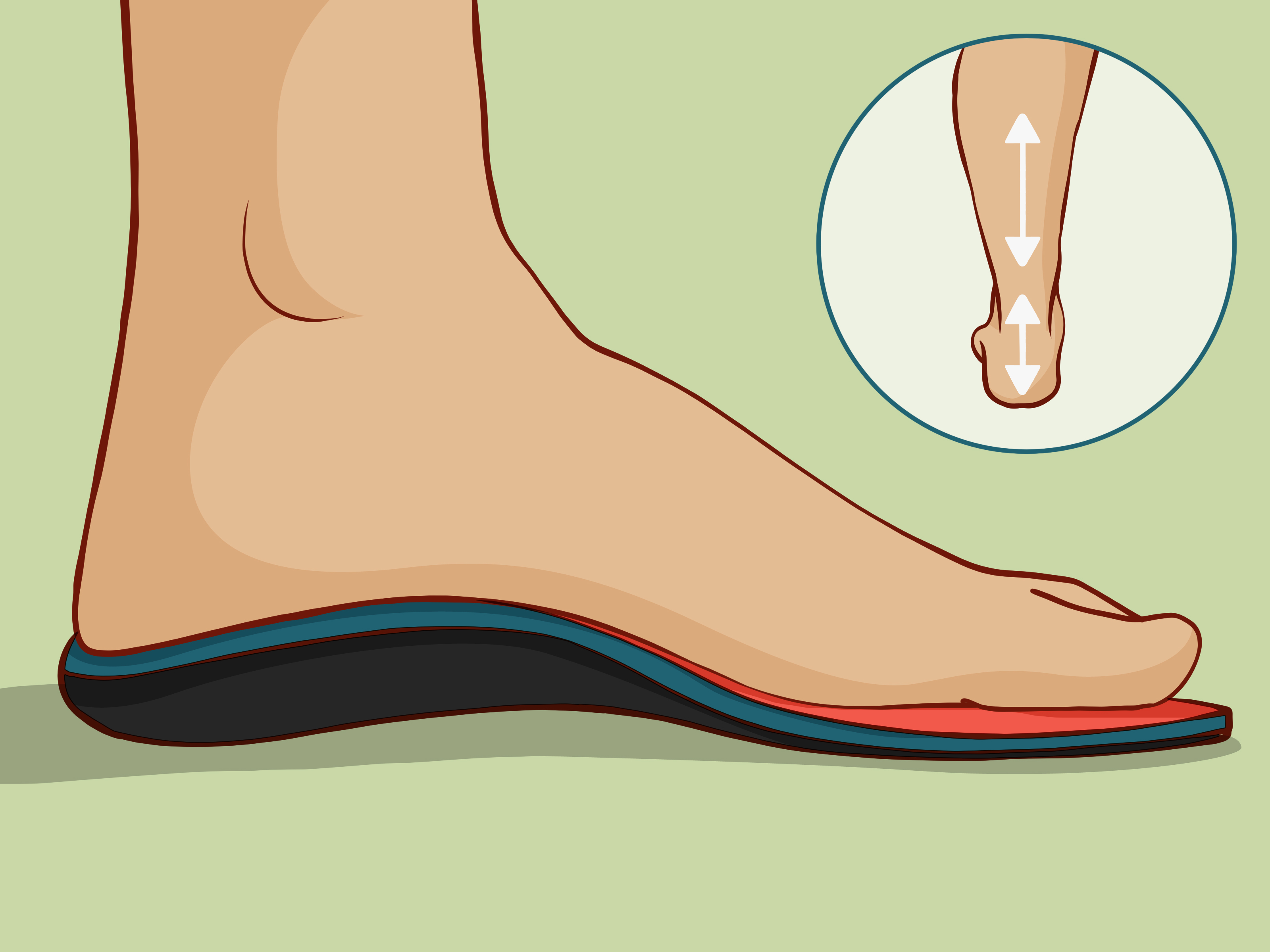
Your arch helps influence how your foot absorbs impact. People with low arches or flat feet may overpronate, meaning the foot rolls inward more than ideal. They often benefit from stability features, firm midsoles, and structured arch support. People with high arches may absorb shock less efficiently and may prefer more cushioning with a flexible, comfortable ride.
A simple at-home clue is the wet footprint test. Wet the bottom of your foot and step onto cardboard or a paper bag. A nearly full footprint may suggest low arches. A very narrow middle section may suggest high arches. This is not a medical diagnosis, but it can help you understand why one shoe feels heavenly and another feels like a cardboard canoe.
Look for Support, Not Just Softness
Many shoppers confuse softness with comfort. A plush shoe can feel amazing for the first minute, but if it collapses under your foot or lacks structure, it may leave you tired or unstable later. Good walking shoes often combine cushioning with support. Think “comfortable mattress,” not “marshmallow in a sock.”
The midsole should absorb shock without feeling wobbly. The heel should feel stable. The upper should hold your foot without squeezing. The arch support should meet your foot naturally, not poke into it like a tiny speed bump.
Choose the Right Flexibility
Walking shoes should usually bend at the ball of the foot, where your foot naturally flexes during push-off. They should not fold in half like a taco, and they should not be so stiff that your foot feels trapped. A good test is to hold the shoe at the heel and toe and gently bend it. The bend should happen near the forefoot, not in the middle of the arch.
A slightly rounded or rocker-shaped sole can help some walkers move smoothly from heel strike to toe-off. This can be especially helpful for long walks, heel discomfort, or people who like a rolling sensation. However, rocker soles are not for everyone. Try them indoors first and make sure they feel stable.
Think About Where You Walk
Sidewalk walkers need cushioning, durability, and traction for hard surfaces. Treadmill walkers may want lightweight shoes with breathable uppers. Trail walkers need grippier outsoles, more protection, and possibly water resistance. Travelers need shoes that can handle airport floors, museums, cobblestones, and the emotional weight of realizing the hotel is “a short walk” from everything.
If you walk mainly on pavement, prioritize shock absorption and outsole durability. If you walk on uneven paths, look for traction and lateral stability. If you stand all day at work, choose supportive walking shoes with enough cushioning to reduce fatigue but enough firmness to keep your feet aligned.
Best Way #3: Test the Shoes Like You Actually Plan to Walk in Them
Trying on walking shoes should involve more than standing in front of a mirror and deciding whether they look sporty enough. The real test is movement. Your feet need to tell you what the marketing tag will not.
Wear the Socks You Actually Use
Bring or wear your usual walking socks when trying on shoes. Thick socks can change the fit. Thin socks can reveal rubbing. If you use orthotics or insoles, bring those too. A shoe that fits perfectly with store socks may feel completely different with your real setup.
Walk on Different Surfaces
Take several laps around the store. If possible, test the shoes on carpet and hard flooring. Pay attention to how your heel lands, whether your foot rolls smoothly, and whether your toes have enough room on turns. Notice any rubbing at the heel, top of the foot, sides of the toes, or arch.
The shoe should feel secure but not tight. Your midfoot should feel gently held. Your toes should not jam forward when you stop. Your arches should feel supported but not attacked. If you are already negotiating with the shoe after two minutes, keep looking.
Use the Twist and Bend Test
A good walking shoe should resist excessive twisting. Hold the shoe at the heel and forefoot and gently twist. If it twists too easily, it may not provide enough stability. Then bend it at the forefoot. It should flex where your toes bend. This quick test can help you avoid shoes that are either too flimsy or too rigid.
Check the Removable Insole
Many quality walking shoes include removable insoles. This is helpful if you use custom orthotics or prefer aftermarket arch supports. Remove the insole and look at the shoe’s interior volume. If adding your orthotic makes the shoe too tight across the top or pushes your heel out of position, try a deeper shoe or wider size.
Do a Short Indoor Trial
If the store or online retailer allows returns, wear the shoes indoors for a short trial before taking them outside. Walk around your home for 20 to 30 minutes. Climb stairs. Stand while cooking. Pace dramatically while checking your email. If anything rubs, slips, or aches indoors, it will probably be worse outdoors.
Common Mistakes When Choosing Walking Shoes
Buying for Looks Alone
Style matters. Nobody wants shoes that look like they were designed by a committee of tired office chairs. But looks should not outrank comfort. A shoe can be stylish and supportive, but if you must choose, your feet vote for support.
Choosing Shoes That Are Too Small
Many people wear shoes that are too short or too narrow. If your toes touch the front, your nails bruise, or your forefoot feels squeezed, size up or try a wider option. Walking causes repetitive forward motion, and cramped toes do not improve with mileage.
Assuming More Cushioning Is Always Better
Maximum cushioning can be wonderful for some walkers, especially on hard surfaces or for long days. But too much softness can feel unstable for others. The best comfortable walking shoes balance cushioning with structure. You want shock absorption without the sensation of walking on pudding.
Keeping Old Shoes Too Long
Walking shoes wear out. Even if the upper still looks decent, the midsole may lose cushioning and support. Common signs include uneven outsole wear, compressed cushioning, new aches, heel breakdown, or shoes that feel flat compared with when you bought them. Many experts suggest replacing walking or running shoes around 300 to 500 miles, though your weight, walking surface, gait, and shoe construction can change that timeline.
Comfortable Walking Shoe Checklist
- Roomy toe box with space in front of the longest toe
- Secure heel with minimal slipping
- Snug midfoot without pressure
- Arch support that matches your foot type
- Cushioning that absorbs impact without feeling unstable
- Flexible forefoot that bends where your toes bend
- Durable outsole with traction for your walking surface
- Breathable upper material for long wear
- Enough interior volume for orthotics if needed
- Immediate comfort with no painful break-in period
Specific Examples: Which Shoe Features Match Which Needs?
If you have flat feet or overpronation, look for stability walking shoes with a firm heel counter, supportive midsole, and structured arch. If you have high arches, look for cushioning and a comfortable, flexible ride that helps absorb shock. If you deal with plantar fasciitis, consider shoes with heel cushioning, arch support, and a stable platform. If you walk long city blocks, prioritize durable rubber outsoles, breathable uppers, and balanced cushioning.
If your job keeps you standing all day, avoid shoes that are completely flat or overly soft. You need support that lasts beyond the first hour. If you travel often, choose versatile walking shoes that are lightweight, supportive, and neutral enough to work with multiple outfits. Your suitcase has limited space, and unfortunately, shoes do not compress like optimism.
How to Break In Walking Shoes the Smart Way
Even comfortable walking shoes may need a short adjustment period, but they should never cause sharp pain, numbness, or serious rubbing. Start with indoor wear, then short walks, then longer outings. Increase time gradually. Wear moisture-wicking socks to reduce friction. If you notice hot spots, address them early with different lacing, socks, or fit adjustments.
Do not wear brand-new shoes for a full vacation day, charity walk, theme park marathon, or shift at work. That is not confidence; that is a foot-related gamble. Let your shoes prove themselves before you ask them to carry you through 20,000 steps and a questionable airport sandwich.
of Real-Life Experience: What Choosing Walking Shoes Actually Feels Like
Choosing comfortable walking shoes often becomes personal after one bad pair. Almost everyone has a story. Maybe you bought a pair because they looked sleek online, then discovered they had the flexibility of a brick and the toe room of a studio apartment in Manhattan. Maybe you wore old sneakers on vacation and spent the second day searching for blister bandages instead of landmarks. Maybe you believed the sales tag that said “all-day comfort,” only to realize “all day” apparently meant “all day for someone else’s feet.”
The biggest lesson from real walking experience is that comfort is specific. A shoe your friend loves may feel terrible on you. A popular model may not match your arch. A highly cushioned shoe may feel unstable. A firm shoe may feel supportive to one person and harsh to another. That is why trying on shoes carefully matters more than reading one glowing review.
One useful habit is to think about your most common walking day. Are you walking the dog on sidewalks? Commuting to work? Standing on concrete? Exploring museums? Power walking in the neighborhood? Each situation changes what comfort means. For a dog walker, traction and easy cleaning may matter. For a traveler, lightweight cushioning and breathable material may be essential. For someone standing all day, support and midsole durability may matter more than a feather-light feel.
Another experience-based tip is to listen to small discomfort early. A tiny rub at the heel in the store often becomes a blister later. A slight squeeze at the toes becomes pressure after swelling. A little arch poke may become soreness. Your feet are not being dramatic; they are previewing the next episode.
It also helps to keep a shoe diary, even a very simple one. After buying a pair, note how they feel after one mile, three miles, and a full day. Do your knees feel better? Do your arches feel tired? Are your toes happy? Over time, patterns appear. You may learn that you prefer wide toe boxes, moderate cushioning, rocker soles, or firmer stability shoes. This makes future shopping faster and less random.
Finally, remember that comfortable walking shoes are not a luxury purchase if walking is part of your daily life. They are basic equipment, like a mattress for sleep or a good chair for work. You do not need the flashiest model. You need a shoe that fits your foot, supports your stride, and makes walking feel easy enough that you want to do it again tomorrow.
Conclusion
Learning how to choose comfortable walking shoes comes down to three best ways: get the fit right, match the shoe to your foot and walking habits, and test comfort before committing. The perfect pair should feel good immediately, give your toes space, hold your heel securely, support your arch, bend naturally at the forefoot, and provide enough cushioning for your walking surface.
Ignore the idea that shoes must be painful before they become comfortable. Your feet deserve better storytelling. The right walking shoes should support your movement, reduce fatigue, and help you enjoy every errand, workout, commute, and long wandering adventure. When your shoes fit well, walking stops feeling like a chore and starts feeling like freedom with laces.
Note: This article is written for general educational and shopping guidance. If you have diabetes, nerve issues, recurring foot pain, severe bunions, plantar fasciitis, arthritis, injuries, or custom orthotics, consider asking a podiatrist or qualified footwear specialist for personalized advice.