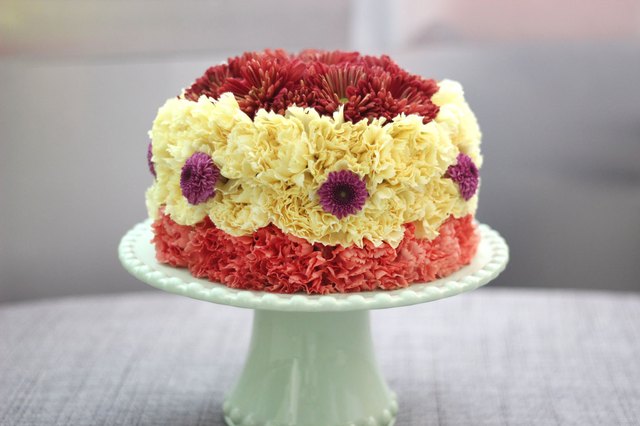

A cake covered in fresh flowers has a special kind of magic. It looks expensive, romantic, garden-party perfect, and slightly like you hired a professional stylist who whispers to peonies. The best part? You can create a beautiful fresh flower cake at home without needing a culinary degree, a florist’s apron, or the emotional stamina to pipe 300 buttercream roses.
A DIY cake made with fresh flowers is one of the easiest ways to turn a simple layer cake into stunning party decor. Whether you are planning a birthday brunch, bridal shower, baby shower, backyard dinner, graduation party, anniversary, or spring celebration, fresh blooms instantly make dessert feel intentional. The cake becomes more than food. It becomes a centerpiece.
But before you start poking stems into frosting like a cheerful woodland creature, there is one important rule: flowers used on cakes must be chosen and handled safely. Not every beautiful bloom belongs near buttercream. Some flowers are edible, some are decorative only, and some should stay far away from dessert unless your party theme is “minor panic.”
This guide walks you through how to make a fresh flower cake that is gorgeous, safe, practical, and totally achievable for beginners. We will cover the best flowers to use, flowers to avoid, supplies, decorating steps, design ideas, storage tips, and real-life party lessons from the frosting battlefield.
Why Fresh Flower Cakes Are Perfect for Party Decor
Fresh flower cakes work because they combine two things people already love: dessert and flowers. Put them together and suddenly your table looks planned, polished, and Pinterest-adjacent in the best way.
Unlike complicated fondant figures or advanced piping designs, flowers do most of the visual work for you. A plain white cake can become elegant with roses and herbs. A small single-layer cake can become birthday-worthy with pansies and berries. Even a store-bought cake can be transformed with a few carefully placed edible flowers, which is excellent news for anyone whose oven has trust issues.
Fresh Flower Cake Benefits
- Instant visual impact: Flowers add color, shape, texture, and height.
- Budget-friendly elegance: A simple homemade cake can look professionally styled.
- Flexible for any theme: Use soft pastels for showers, bold blooms for birthdays, or herbs for rustic dinners.
- Beginner-friendly: No advanced piping skills are required.
- Beautiful table decor: The cake can double as the party centerpiece.
Safety First: Can You Put Fresh Flowers on a Cake?
Yes, you can put fresh flowers on a cake, but only when you choose the right flowers and create a safe barrier between plants and food. The safest option is to use edible flowers that are grown specifically for culinary use. These are usually sold in the produce section, by specialty farms, or through reputable edible flower suppliers.
Do not assume a flower is safe just because it looks pretty or because you saw it on a wedding cake online. The internet also thinks hot glue can fix furniture, relationships, and possibly taxes. Use verified edible flowers whenever possible, and avoid flowers from standard florist bouquets unless the grower confirms they are safe for food use.
Best Edible Flowers for Cake Decorating
Popular edible flowers for cakes include:
- Pansies
- Violets
- Roses
- Nasturtiums
- Calendula petals
- Bachelor buttons
- Borage flowers
- Chamomile
- Lavender, used lightly
- Herb blossoms such as thyme, rosemary, basil, and chive flowers
For cakes, petals are often the best part to use. Remove thick stems, stamens, pistils, and green bases unless you know that the entire flower is edible. Some flowers have edible petals but bitter or unpleasant centers. Your cake should taste like celebration, not lawn clippings with frosting.
Flowers to Avoid on Cakes
Some flowers are toxic or unsafe around food and should not be used on cakes, especially for home decorating. Avoid using flowers such as:
- Lily
- Foxglove
- Oleander
- Delphinium
- Hydrangea
- Azalea
- Rhododendron
- Yellow jasmine
- Anthurium
- Calla lily
When in doubt, leave it out. That rule may sound dramatic, but it is much easier than explaining to guests why your “romantic botanical dessert” came with a side quest to Poison Control.
What You Need to Make a DIY Fresh Flower Cake
You do not need a professional bakery setup. A clean workspace, chilled cake, simple tools, and food-safe flowers are enough to create a beautiful result.
Basic Supplies
- One fully cooled layer cake or sheet cake
- Buttercream frosting, cream cheese frosting, or ganache
- Offset spatula
- Bench scraper, optional but helpful
- Cake board or cake stand
- Food-safe edible flowers
- Fresh herbs, berries, or citrus slices for extra decor
- Kitchen scissors or clean floral snips
- Parchment paper, wax paper, acetate, or food-safe flower picks
- Small drinking straws or bubble tea straws, if using stems
- Tweezers for delicate petals, optional
A chilled cake is easier to decorate because the frosting firms up and gives flowers a stable surface. If your cake is warm, your buttercream may slide around like it is trying to leave the party early.
Step-by-Step: How to Make a Cake with Fresh Flowers
Step 1: Bake and Cool the Cake Completely
Start with any cake flavor you like: vanilla, lemon, chocolate, almond, coconut, carrot, strawberry, or funfetti. The flavor should match your party mood. Lemon cake with violets feels fresh and springy. Chocolate cake with roses feels dramatic and romantic. Vanilla cake with colorful pansies says, “Yes, I own a cake stand and I am thriving.”
Let the cake cool completely before frosting. Warm cake melts frosting, and melted frosting does not hold flowers well. If you are making layer cake, trim domed tops with a serrated knife so the layers stack evenly.
Step 2: Add a Crumb Coat
A crumb coat is a thin layer of frosting that traps loose crumbs before the final frosting layer. It does not need to look perfect. In fact, it usually looks suspiciously unfinished, but trust the process.
Spread a thin layer of frosting over the top and sides of the cake. Chill the cake until the crumb coat firms up, usually about 20 to 30 minutes. This creates a smooth foundation for the final layer and keeps crumbs from crashing the flower party.
Step 3: Apply the Final Frosting Layer
Add a thicker layer of frosting and smooth it with an offset spatula or bench scraper. For a modern look, go with a clean white buttercream finish. For a rustic look, leave soft swirls and texture. A semi-naked cake also pairs beautifully with fresh flowers because the exposed cake layers create a relaxed garden-party effect.
Chill the frosted cake again before decorating. The colder surface helps flowers stay in place and keeps the design neat.
Step 4: Prepare the Flowers Safely
Inspect every flower carefully. Shake gently to remove insects, rinse edible blooms lightly with cool water, and pat them dry with paper towels. Do not soak delicate petals for too long, or they may wilt before they even get their big cake moment.
Trim stems short. Remove thorns, damaged petals, and unnecessary leaves. If using only petals, separate them carefully and keep them on a clean plate until decorating.
Step 5: Create a Food-Safe Barrier
Do not push bare flower stems directly into cake. Plant stems can carry dirt, sap, residue, or bacteria. Instead, use a food-safe barrier.
For flower clusters placed on top of the cake, lay down a small piece of parchment, wax paper, or acetate under the arrangement. For taller stems, insert them into food-safe flower picks or clean drinking straws before placing them into the cake. You can also arrange flowers around the base of the cake on the cake board instead of inserting anything into the dessert.
If you use decorative-only flowers, they should never touch the edible surface directly. For home bakers, the safest and simplest route is to use culinary flowers and avoid toxic blooms altogether.
Step 6: Decorate Like a Stylist, Not a Lawn Mower
Start with your largest flowers first. Place them where you want the eye to go, such as one side of the cake top, a crescent shape, or a diagonal line. Then fill in with smaller flowers, petals, herbs, and berries.
Odd numbers usually look natural. Try three roses, five pansies, or seven small blossoms. Avoid covering the entire cake unless you are going for a dramatic floral explosion, which is allowed, but please give the cake some breathing room.
Fresh Flower Cake Design Ideas
1. The Romantic Garden Cake
Use soft roses, violets, and tiny herb blossoms on a smooth white or ivory buttercream cake. Arrange flowers in a crescent shape across the top and down one side. Add a few green herb sprigs for movement.
2. The Birthday Bloom Cake
Choose cheerful edible flowers such as pansies, calendula petals, and bachelor buttons. Scatter them over the top with rainbow sprinkles or small berries. This design feels playful, colorful, and low-stress.
3. The Minimalist Floral Cake
Use one statement bloom with a few petals and herbs. Place it slightly off-center for a modern look. This style works beautifully for small dinner parties, engagement celebrations, and anyone who believes less is more but still wants applause.
4. The Rustic Farmhouse Cake
Pair a semi-naked cake with rosemary, thyme blossoms, berries, and small edible flowers. This style is perfect for outdoor parties, barn weddings, picnic birthdays, and autumn gatherings.
5. The Pressed Flower Cake
Pressed edible flowers can be gently applied to the sides of a frosted cake for a delicate botanical effect. Use a smooth buttercream surface and press petals lightly into the frosting. This creates a romantic, watercolor-like design without needing bulky arrangements.
Flavor Pairings for Fresh Flower Cakes
Flowers are not only decorative. Some edible flowers add gentle flavor. Lavender pairs well with lemon, honey, and vanilla, but use it sparingly because too much can make cake taste like fancy soap. Roses pair beautifully with pistachio, raspberry, vanilla, and cardamom. Chamomile works with honey cake, lemon cake, and sponge cake. Nasturtiums have a peppery bite, so they are better for adventurous pairings or lightly sweet cakes.
If your flowers are mostly decorative, let the cake flavor shine. Vanilla buttercream, lemon curd, raspberry filling, chocolate ganache, and cream cheese frosting are all friendly bases for floral decor.
Storage and Timing Tips
Fresh flowers look best when added close to serving time. Decorate the cake a few hours before the party if possible. Keep the cake in a cool place, especially if you are using buttercream or cream cheese frosting.
If refrigerating, place the cake in a cake box or cover it loosely so the flowers are protected from fridge smells. Nobody wants a rose cake with a mysterious hint of leftover onion. Add the most delicate petals right before guests arrive.
Party-Day Timeline
- One day before: Bake cake layers and make frosting.
- Morning of the party: Fill, crumb coat, frost, and chill the cake.
- Two to three hours before serving: Prepare flowers and add sturdy decorations.
- Right before display: Add delicate petals, herbs, and final details.
- Before slicing: Remove any decorative flowers, picks, straws, or barriers that should not be served.
Common Mistakes to Avoid
Using Random Florist Flowers
Florist flowers may be treated with chemicals that are not intended for food. Even if the bloom itself is technically edible, the way it was grown and handled matters.
Decorating Too Early
Flowers wilt. Frosting crusts. Refrigerators dry things out. Add fresh flowers as close to party time as practical.
Skipping the Barrier
Never insert bare stems into cake. Use parchment, food-safe picks, straws, or arrange flowers on the cake board.
Overcrowding the Cake
A few well-placed flowers can look more elegant than a cake that appears to be wearing an entire garden as a hat.
Forgetting to Tell Guests
If flowers are decorative only, tell guests before slicing. Remove non-edible elements before serving, including flower picks, straws, wires, ribbons, or barriers.
Fresh Flower Cake Ideas for Different Parties
Baby Shower
Use pastel pansies, soft roses, chamomile, and tiny white blossoms. Pair with vanilla cake, lemon cake, or almond cake. Add a satin ribbon around the cake board for a soft finish.
Bridal Shower
Choose white, blush, and pale pink flowers with greenery. A smooth buttercream cake with a floral crescent looks elegant without feeling overdone.
Birthday Party
Use bold colors and playful flowers. Pansies, calendula petals, berries, and sprinkles create a joyful look that photographs beautifully.
Garden Party
Use edible blossoms, herbs, and seasonal fruit. Serve the cake on a pedestal stand surrounded by small bud vases for a coordinated table.
Anniversary Dinner
Use roses, violets, and a simple cake flavor such as vanilla bean, chocolate, or raspberry almond. Keep the design romantic and uncluttered.
Budget-Friendly Tips for a Beautiful Floral Cake
You do not need a giant bouquet. In fact, small edible flowers often look more polished on cakes than large oversized blooms. Buy one container of culinary flowers, use herbs from your kitchen, and add berries or citrus slices for fullness.
You can also upgrade a store-bought cake. Choose a plain frosted cake, remove any plastic decorations, smooth the frosting if needed, and add your fresh flowers with a food-safe barrier. This is one of the fastest ways to create party decor that looks custom.
Extra Experience: What I Learned Making DIY Fresh Flower Cakes for Parties
The first thing I learned about making a DIY cake with fresh flowers is that confidence matters almost as much as buttercream. The cake does not need to be perfect before the flowers go on. In fact, flowers are wonderfully forgiving. A slightly uneven frosting edge can disappear under a cluster of pansies. A tiny dent in buttercream can become “intentional texture.” This is the kind of decorating project that smiles politely at imperfections and then covers them with petals.
My favorite approach is to keep the cake itself simple. A two-layer vanilla or lemon cake with white buttercream gives flowers a clean background. When the frosting color is neutral, the blooms stand out beautifully. If the cake is already busy with colored frosting, sprinkles, chocolate drip, and piping, flowers can start competing for attention. Think of the cake as the stage and the flowers as the performers. Too many performers and suddenly everyone is tap dancing into each other.
I have also learned that flower size matters. Large blooms look dramatic in photos, but they can overwhelm a small cake. For an 8-inch cake, one medium focal flower plus smaller accents often looks better than four giant flowers. Small edible flowers such as pansies, violets, and bachelor buttons are easier to arrange and easier to remove before serving. They also sit naturally on buttercream without needing heavy support.
Another useful lesson is to test the layout before placing flowers on the cake. Arrange the flowers on a plate first. Try a crescent shape, a diagonal line, or a small corner cluster. Take a quick phone photo so you can remember the design. Once flowers touch frosting, moving them around can leave marks. Buttercream is forgiving, but it is not a whiteboard.
Timing is everything. I once decorated a cake too early and watched the most delicate petals slowly wilt before guests arrived. The cake still tasted great, but the flowers looked as if they had received disappointing news. Now I decorate with sturdy elements first and save delicate petals for the final hour. If the party is outdoors, I keep the cake inside until close to serving time. Heat and buttercream are not friends; they are coworkers forced into a group project.
I also recommend building the whole dessert table around the cake. Use leftover safe flowers in tiny vases, scatter matching petals around the cake stand, or place fresh fruit nearby. This makes the cake feel like part of a larger party design. Even a simple cake can look luxurious when the surrounding table is styled with intention.
Finally, always plan for serving. Before cutting, remove any flowers that are not meant to be eaten, along with stems, barriers, straws, or picks. Keep a small plate nearby for discarded decorations. Guests appreciate clear instructions, especially when the cake looks like something from a magazine. A quick “The flowers are decorative, so I’ll remove them before slicing” keeps everything relaxed and safe.
The biggest surprise is how enjoyable the process can be. Decorating with fresh flowers feels less technical than piping and more like arranging a tiny edible garden. It is creative, calming, and slightly addictive. Once you make one fresh flower cake, every plain cake starts looking like it needs a floral makeover. Honestly, it probably does.
Conclusion
A DIY cake made with fresh flowers for beautiful party decor is one of the easiest ways to create a memorable dessert centerpiece. With a simple frosted cake, verified edible flowers, safe barriers, and a thoughtful arrangement, you can make a cake that looks elegant, fresh, and celebration-ready.
The key is balancing beauty with food safety. Choose culinary flowers, avoid toxic blooms, wash and dry petals carefully, keep stems away from direct cake contact, and remove non-edible decorations before serving. Once those basics are handled, the creative part is pure fun.
Whether your party style is romantic, rustic, colorful, minimalist, or full garden fairy, fresh flowers can turn an ordinary cake into something guests will remember. And if your frosting is not perfectly smooth? Congratulations. You have just discovered the true purpose of floral cake decor.