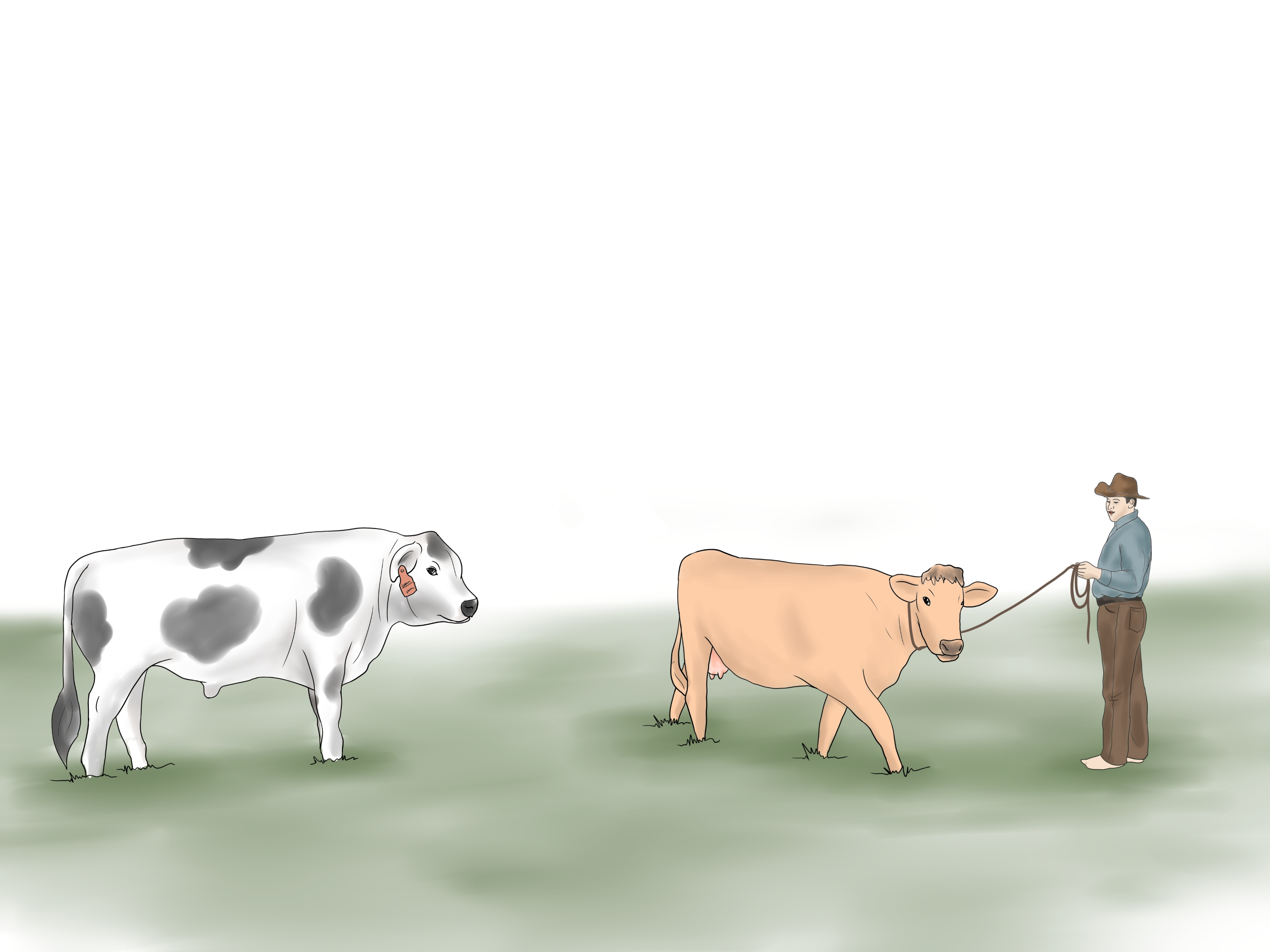

Natural breeding sounds simple: put a healthy bull with healthy females, let romance meet pasture management, and wait for calves. In real life, successful cattle breeding is a little less “country love story” and a lot more planning, nutrition, observation, records, and timing. A bull can do the breeding, but he cannot fix thin cows, late-calving heifers, poor fences, weak genetics, missing minerals, or a producer who forgets to remove him from the pasture on schedule.
Natural service breeding remains one of the most practical methods for many cow-calf operations because it does not require daily heat detection, semen handling, or artificial insemination equipment. It can work beautifully on small farms, commercial beef herds, and pasture-based systems. However, the goal is not merely to get “some” cows bred. The goal is to breed the right cows and heifers at the right time, with the right bull, so calves arrive in a manageable calving window and grow into profitable, healthy animals.
This guide breaks natural cattle breeding into six clear steps. Whether you are raising beef cows, developing replacement heifers, or tightening a scattered calving season, these steps will help you build a natural breeding program that is practical, humane, and productive.
Step 1: Set Clear Breeding Goals Before Turning Out the Bull
Before breeding cows and heifers naturally, decide what you want the next calf crop to accomplish. This is where many beginners make the classic ranch mistake: they think breeding starts when the bull enters the pasture. Actually, it starts months earlier, when you decide which females stay, which females go, and what kind of calves you want next year.
Choose the Type of Calves You Want
Your breeding goals should fit your farm, market, forage, climate, and management style. A small grass-based operation may want moderate-framed cows that maintain body condition easily. A commercial beef producer selling calves at weaning may focus on weaning weight, uniformity, and strong maternal traits. A breeder keeping replacement heifers may emphasize fertility, calving ease, udder quality, feet, legs, and temperament.
Natural breeding does not mean random breeding. The bull contributes half the genetics of every calf he sires, so his influence spreads quickly through the herd. A good bull can move a herd forward. A poor bull can turn next year’s calf crop into an expensive reminder that “cheap” is not the same as “economical.”
Define Your Breeding Season
A controlled breeding season makes herd management easier. Instead of calving all year, you create a planned window for breeding and, later, a planned window for calving. Many beef operations aim for a breeding season of 60 to 90 days. A shorter season usually produces a more uniform calf crop, simplifies vaccination and weaning schedules, and helps identify females that fail to breed on time.
If your herd currently calves across several months, do not panic. Tightening a breeding season can be done gradually. Start by recording dates, removing the bull on a set day, and pregnancy-checking after the breeding period. Over time, you can cull chronically late or open cows and keep daughters from females that breed early.
Step 2: Prepare Cows and Heifers for Breeding
Fertility begins with female readiness. A cow or heifer must be mature enough, healthy enough, and in the right body condition to cycle, conceive, and carry a calf. The bull may get the spotlight, but the females are the foundation of the breeding program.
Check Body Condition Score
Body condition score, often called BCS, is a practical way to estimate fat reserves. Beef cattle are commonly scored on a 1-to-9 scale, with 1 being extremely thin and 9 being obese. For most breeding herds, cows should be in moderate condition before and during the breeding season. Thin cows may take longer to return to estrus after calving, and very fat cows can also have reproductive and calving problems.
A useful target is for mature cows to be around BCS 5 during breeding, with cows in slightly better condition at calving. First-calf heifers often need extra attention because they are still growing while also nursing a calf. That is a demanding job description, even before a bull shows up and adds “become pregnant again” to the list.
Develop Heifers Properly
Heifers should not be bred simply because they look big enough from the gate. Replacement heifers need to reach an appropriate percentage of mature body weight before breeding. Many programs target about 60% to 65% of mature cow weight by the start of breeding, depending on breed, environment, and management system.
For example, if mature cows in your herd weigh about 1,200 pounds, a replacement heifer may need to be around 720 to 780 pounds before breeding. A heifer that is too light may fail to conceive, calve late, or struggle to rebreed as a young cow. A heifer that is properly developed has a much better chance of becoming a long-term, productive member of the herd.
Handle Health Work Before Breeding
Work with a veterinarian to create a herd health plan before the breeding season. Vaccinations, deworming, mineral supplementation, and reproductive disease prevention should be planned ahead of turnout. Avoid major stress right at breeding. Cattle do not appreciate last-minute chaos, and neither do their reproductive systems.
Also check feet, legs, eyes, udders, and temperament. A cow that cannot walk well may not graze or breed efficiently. A heifer with poor structure may face calving and longevity problems. A wild cow that turns every pasture check into a rodeo may not be worth keeping, no matter how pretty her calf looked last year.
Step 3: Select and Test the Bull
The bull is the engine of a natural breeding program. He must be fertile, physically sound, athletic, disease-free, and genetically suitable for the females he will breed. Natural service depends on his ability to detect heat, travel across pasture, mount safely, and settle cows during a defined breeding window.
Use a Breeding Soundness Exam
A breeding soundness exam, often called a BSE, should be performed by a veterinarian before the breeding season. This exam usually evaluates the bull’s physical condition, reproductive organs, scrotal circumference, semen motility, and semen morphology. In plain language, it answers the question every producer should ask before turnout: “Can this bull actually do the job?”
Schedule the exam at least several weeks before breeding. If the bull fails or needs recovery time, you still have a chance to find a replacement. Discovering a problem after 90 days of open cows is not herd management; it is financial heartbreak wearing muddy boots.
Match Bull Genetics to Females
For heifers, choose a bull with strong calving-ease traits. A calf that is too large can create serious calving difficulty, especially in first-calf heifers. Expected progeny differences, or EPDs, can help compare bulls for birth weight, calving ease, growth, maternal traits, milk, and carcass traits. Use them as tools, not decoration on a sale catalog.
For mature cows, you may have more flexibility to use bulls with greater growth potential. However, bigger is not automatically better. Select bulls that match your environment. A massive bull that produces huge calves may look impressive, but if his daughters require more feed than your pastures can provide, your future cow herd may become expensive to maintain.
Inspect Structure and Temperament
A natural-service bull needs sound feet and legs. He will walk, travel, mount, and compete if other bulls are present. Poor feet, lameness, overgrown hooves, or structural weakness can reduce breeding performance.
Temperament matters, too. Bulls are powerful animals and must be handled with respect. Never trust a bull simply because he was calm yesterday. Use safe facilities, avoid turning your back on him, and remove aggressive bulls from the herd. A dangerous bull is not “spirited.” He is a liability with horns, muscle, and bad ideas.
Step 4: Plan Bull-to-Female Ratios and Pasture Setup
Natural breeding success depends on having enough bull power for the number of cows and heifers. Ratios vary based on bull age, fertility, pasture size, terrain, heat, nutrition, and whether females are synchronized. A mature bull can generally handle more females than a yearling bull, but even a strong bull has limits.
Use Practical Natural-Service Ratios
For many herds, a conservative starting point is one mature bull for about 20 to 30 cows during a normal breeding season. Yearling bulls should usually be used more lightly, often closer to 10 to 20 females, depending on development and condition. If females are synchronized and many come into heat at once, the bull-to-female ratio should be reduced because breeding demand is concentrated into a short period.
Do not ask a young bull to cover too many females just because he looks enthusiastic. Enthusiasm is not the same as stamina, semen quality, or experience. A tired bull may miss heats, and missed heats mean later calves or open cows.
Separate Heifers When Possible
Breeding heifers separately from mature cows is often a smart move. It allows you to use a calving-ease bull, monitor heifers closely, and give them better nutrition. Heifers are still growing, so they may be pushed away from feed or mineral by older cows. A separate pasture can help them breed earlier and calve in a tighter window.
Some producers breed heifers two to three weeks before mature cows. This gives first-calf heifers a longer recovery period after calving before the next breeding season. That extra time can make a major difference in whether they rebreed as young cows.
Prepare the Breeding Pasture
Good pasture setup supports natural breeding. Check fences before turnout. Make sure water is clean, plentiful, and easy to access. Provide a balanced mineral program, shade where needed, and enough forage to maintain body condition. Remove hazards such as scrap metal, broken gates, deep mud traps, or areas where cattle crowd too tightly.
If using multiple bulls, watch for fighting and injury. Bulls may spend more time arguing than breeding, especially when first introduced. Some producers use single-sire pastures to identify parentage and reduce fighting. Others use multi-sire groups for larger herds, but this requires careful observation and sound management.
Step 5: Turn Out the Bull and Monitor Breeding Activity
When the females are ready, the bull has passed his exam, and the pasture is prepared, it is time for turnout. Record the exact date the bull enters the pasture. This date helps estimate the earliest possible calving date and keeps the breeding season from becoming an accidental year-round festival.
Know the Signs of Heat
Cows and heifers typically cycle about every 21 days. Signs of heat may include standing to be mounted, mounting other cattle, increased activity, clear mucus discharge, restlessness, bellowing, and more attention from the bull. The most reliable sign is standing heat, when a female stands while another animal mounts her.
With natural breeding, you do not need to catch every heat like you would with artificial insemination. Still, watching activity helps confirm that the bull is working and females are cycling. If you see repeated heats from the same cows over several cycles, the bull may not be settling them, or the females may have reproductive issues.
Observe Without Interfering Too Much
Pasture checks should be calm and consistent. Look for lameness, injuries, excessive weight loss, bull fatigue, and cows returning to heat. If a bull becomes lame during breeding season, act quickly. A bull with a sore foot may not breed effectively, even if he passed his exam earlier.
Watch the bull’s body condition. Bulls often lose weight during breeding season because they travel more and eat less while focused on cows in heat. A bull should enter the season in good condition, not thin and not overly fat. Overconditioned bulls may lack athleticism, while thin bulls may lack stamina.
Keep Records During the Season
At minimum, record turnout date, bull identification, female group, pasture location, and removal date. Better records include observed heats, breeding activity, injuries, treatments, and later pregnancy results. Records help you identify patterns. If one pasture has poor conception, you can investigate the bull, nutrition, forage, disease, heat stress, or management timing.
Good records turn guesswork into decisions. Bad records turn next year into a mystery novel, except the ending costs money.
Step 6: Remove the Bull, Pregnancy-Check, and Plan for Calving
The final step in natural breeding is knowing when to stop. Remove the bull at the end of your planned breeding season. If you leave him in too long, calving spreads out, labor becomes harder to plan, calves are less uniform, and late-bred cows remain hidden in the herd.
Pregnancy-Check the Herd
After the appropriate interval, have a veterinarian pregnancy-check cows and heifers. Pregnancy diagnosis helps identify open females, estimate calving distribution, and evaluate breeding success. If too many females are open, review the entire system: bull fertility, body condition, disease control, mineral program, heat stress, forage quality, and breeding-season management.
Pregnancy checking is also useful for marketing and culling decisions. Open cows consume feed without producing a calf. In a commercial herd, keeping too many open females can quietly drain profit. A planned pregnancy check gives you information while there is still time to make practical decisions.
Manage Pregnant Cows for the Next Stage
Once cows and heifers are confirmed pregnant, shift your attention to gestation and calving preparation. Maintain appropriate nutrition, monitor body condition, provide minerals, and plan calving facilities. Heifers should receive special attention because first calving carries higher risk than later calvings.
Use breeding dates to estimate calving windows. Cattle gestation averages around nine months, though individual variation occurs. Knowing when calves are expected helps you prepare clean calving areas, gather supplies, and schedule closer observation. A tight breeding season becomes a tight calving season, and that makes management much easier.
Common Mistakes to Avoid When Breeding Cattle Naturally
Skipping the Bull Exam
The most expensive bull is not always the one with the highest purchase price. Sometimes it is the untested bull that leaves half the herd open. Annual breeding soundness exams are one of the simplest ways to reduce reproductive risk.
Breeding Heifers Too Light
Underdeveloped heifers may breed late, calve with difficulty, or fail to rebreed after their first calf. Develop heifers with their future in mind, not just the next breeding date.
Letting the Breeding Season Drift
If the bull stays in all year, every month becomes calving season. That may sound convenient until you are checking newborn calves in mud, heat, snow, and mosquito season. A defined breeding season supports better nutrition, health, marketing, and labor planning.
Ignoring Body Condition
Thin cows are harder to rebreed. Thin first-calf heifers are even harder. Feed and forage planning before breeding often pays back through better pregnancy rates and earlier calves.
Using the Wrong Bull on Heifers
Calving ease matters. A bull that works well on mature cows may not be appropriate for virgin heifers. Use genetics wisely, especially when breeding young females for their first calves.
Hands-On Experiences and Practical Lessons From Natural Breeding
One of the first lessons experienced cattle producers learn is that natural breeding rewards preparation and punishes wishful thinking. A producer may buy a good bull, turn him out, and assume the job is done. Then pregnancy-check day arrives, and the herd tells the truth. Cattle are very honest accountants. They do not care how busy you were, how nice the bull looked in the sale ring, or how many times someone said, “He ought to work.”
A practical experience from many cow-calf operations is the value of watching the herd quietly during the first two weeks after turnout. You do not need to hover like a nervous wedding planner, but you should observe. Is the bull traveling? Is he interested in females? Are cows showing heat and then settling, or are the same cows cycling repeatedly? Is the bull limping after a few days? Early observation can save a breeding season.
Another common lesson involves heifers. Well-developed heifers bred to an easy-calving bull often become the most valuable young cows in the herd. Poorly developed heifers, however, can become a cycle of trouble: late breeding, difficult calving, weak recovery, and poor rebreeding. Many producers eventually learn to give heifers their own pasture, better feed access, and a shorter, earlier breeding season. It may feel like extra work at first, but it often produces a more reliable group of young cows.
Records are another quiet hero. A notebook, spreadsheet, cattle software program, or even a weatherproof pocket calendar can make a major difference. Write down turnout dates, bull names, pasture groups, observed problems, and pregnancy results. After a few years, patterns appear. You may discover that daughters from certain cows breed early, stay in the herd longer, and wean heavier calves. You may also discover that a particular cow always calves late, loses condition, or raises a lightweight calf. Records make culling less emotional and more accurate.
Pasture management also teaches hard lessons. Natural breeding works best when cattle have enough forage, water, minerals, and space. Heat stress, poor grass, muddy water points, or long walks to water can reduce performance. A bull covering cows across rough terrain in hot weather needs stamina. If he spends more energy traveling than breeding, results may suffer. Rotational grazing, shade access, and reliable water are not luxuries; they are reproductive support tools.
Finally, safety should never be treated as optional. Calm bulls can become aggressive, especially during breeding season. Producers with years of experience often develop strict habits: never turn your back on a bull, never enter a tight area without an escape route, use proper gates and alleys, and do not keep a dangerous bull. The best bull in the county is not worth a trip to the emergency room.
The biggest practical takeaway is simple: natural breeding is natural, but successful natural breeding is managed. The bull provides the service, but the producer provides the system. When nutrition, genetics, health, timing, pasture conditions, and records work together, natural breeding can produce a consistent calf crop and a stronger cow herd year after year.
Conclusion
Breeding cows and heifers naturally is not complicated, but it does require discipline. Start with clear goals, prepare females properly, select and test the bull, use realistic bull-to-female ratios, monitor the breeding pasture, and remove the bull on schedule. These six steps help create a tighter calving season, healthier calves, better replacement females, and fewer expensive surprises.
The best natural breeding programs are built long before turnout day. They begin with body condition, heifer development, bull selection, veterinary planning, forage management, and records. When those pieces fit together, the breeding season becomes less of a gamble and more of a well-managed investment. And in cattle production, that is about as close as we get to romance with a return on investment.