
Getting a top comment on YouTube can feel like trying to win a tiny internet lottery where the prize is visibility, replies, likes, and the strange satisfaction of seeing strangers agree with your joke about a cat wearing sunglasses. But here is the good news: top comments are not purely random. While YouTube does not publicly reveal every detail of how comments are ranked, the comments that rise usually share a few recognizable traits. They are timely, relevant, useful, funny, respectful, easy to read, and strong enough to make viewers pause before scrolling.
This guide explains how to get a top comment on YouTube without begging for likes, copying viral lines, spamming emojis, or writing “first” like it is still 2009. You will learn how top comments work, what creators and viewers tend to reward, how to write comments people actually want to engage with, and what mistakes can bury your comment faster than a 17-minute apology video with ukulele energy.
What Is a Top Comment on YouTube?
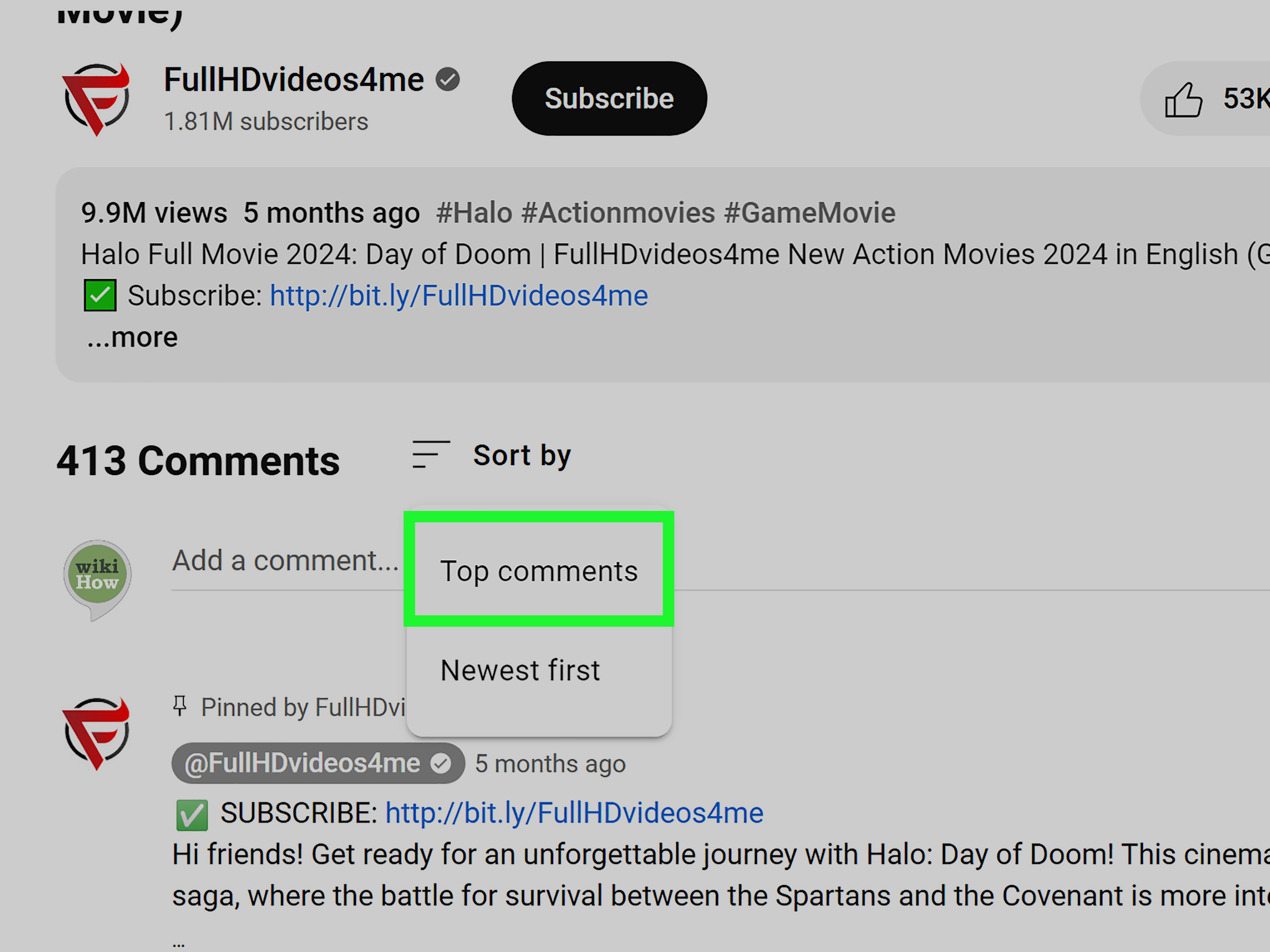
A top comment is a comment that appears near the top when viewers sort or view comments by YouTube’s default “Top comments” setting. This is different from “Newest first,” which simply shows recent comments in chronological order. A top comment is also different from a pinned comment. A pinned comment is selected by the video creator and placed at the top manually, while a top comment is generally surfaced because YouTube and the audience see it as relevant or engaging.
In practical terms, a top comment is the one that gets attention. It may receive many likes, replies, or creator interaction. Sometimes it is funny. Sometimes it explains something the video missed. Sometimes it asks the exact question everyone else had but was too lazy to type. The comment section is a crowded room; a top comment is the person who says one sentence and suddenly everyone turns around.
How YouTube Top Comments Usually Work
YouTube has not published a simple checklist that says, “Get 27 likes, 4 replies, and one perfectly placed comma to rank first.” That would be too easy, and the internet would immediately ruin it. However, based on how YouTube presents comment controls and how creators manage communities, several factors appear to matter.
Engagement matters
Comments with likes and replies are more likely to be noticed by viewers. If people react to your comment, YouTube has a reason to treat it as part of the conversation rather than digital wallpaper. Engagement does not mean you should beg for likes. It means your comment should give people a reason to respond naturally.
Relevance matters
A comment that clearly connects to the video has a stronger chance than a random sentence that could be pasted under any upload. “Great video” is nice, but it is not memorable. “The explanation at 4:18 finally made the entire topic click” is more specific, more useful, and more likely to receive replies from people who watched the same part.
Timing can help
Early comments often have more time to collect engagement. If you comment shortly after a video is published, your comment may be seen by the first wave of viewers. That does not guarantee a top spot, but it gives your comment a running start. Think of it like arriving early to a buffet: you still need good taste, but at least the good tray is not empty yet.
Creator interaction can boost visibility
Creators can reply to comments, heart comments, and pin comments. A creator heart or reply can draw more attention from viewers. If your comment is thoughtful, funny, or helpful, the creator may notice it. The goal is not to flatter like a medieval court poet. The goal is to add something worth acknowledging.
Safety and policy matter
YouTube can remove or limit comments that look like spam, scams, harassment, hate speech, or repeated copy-paste behavior. If your comment looks manipulative, abusive, or suspicious, it may never get the chance to become a top comment. The fastest way to lose visibility is to act like a bot that discovered caffeine.
How to Write a Top Comment on YouTube
1. Watch the video before commenting
This sounds obvious, but the internet has a long history of proving that obvious things need security guards. Watch enough of the video to understand its main point, tone, and audience. A comment that shows you actually paid attention instantly stands out from generic reactions.
For example, instead of writing:
“Nice video!”
Try:
“The side-by-side comparison at 6:42 was the clearest part. I finally understood why the cheaper option was not actually the better deal.”
That comment gives context, shows attention, and invites others to agree or disagree.
2. Comment early, but do not comment empty
Being early helps only if your comment has value. Posting “first” may get you noticed for two seconds, but not in a way that earns respect. A strong early comment should react to something specific, summarize the best point, ask a useful question, or add a clever observation.
A good early comment might be:
“This answered the exact question I had from your last video. The part about avoiding over-editing is something newer creators really need to hear.”
It is timely, relevant, and connected to the creator’s content history.
3. Use humor, but make it fit the video
Funny comments often rise because people enjoy sharing a quick laugh. But random humor can flop if it ignores the video’s topic. The best YouTube comment humor feels like it grew naturally out of the video.
If a cooking video shows a cake collapsing, a comment like:
“That cake did not fail. It simply chose a more horizontal lifestyle.”
is better than a recycled meme that has been dragged through 400 comment sections already. Originality is your friend. Copy-paste jokes are the gym socks of the internet: everyone can smell them.
4. Add useful information
Helpful comments often become top comments because they serve the audience. You can clarify a confusing point, add a missing detail, share a personal result, or organize information from the video.
For example:
“For anyone trying this: the setting is under YouTube Studio > Settings > Community. It took me a minute to find it.”
This kind of comment saves people time. Viewers like it. Creators may appreciate it. YouTube comment sections need fewer shouting matches and more tiny public service announcements.
5. Ask a question people want answered
Questions can attract replies, especially when they are specific. A vague question like “What do you think?” is fine, but a focused question performs better.
Instead of:
“Is this good?”
Try:
“For beginners, would you recommend trying this method first, or is it better to start with the simpler version you showed last month?”
That question invites the creator and other viewers to respond. It also shows that you know the channel’s previous content.
6. Use timestamps when they help
Timestamps are powerful because they make your comment more useful. If a moment is funny, surprising, confusing, or important, mention the exact time.
Examples:
“2:15 is where the explanation really starts.”
“7:03 made me laugh harder than it should have.”
“At 10:44, the tip about lighting is the one beginners should write down.”
Timestamps also help viewers navigate the video, which makes your comment feel helpful rather than decorative.
7. Keep it readable
A top comment does not have to be short, but it should be easy to read. Avoid giant walls of text unless you are giving a detailed explanation that truly needs space. Use short sentences. Break up long thoughts. Do not write like you are trying to defeat the viewer’s eyeballs.
A clean comment structure might look like this:
“Three things stood out:
1. The intro got to the point fast.
2. The example at 5:20 was practical.
3. The final tip is something most beginners skip.”
Simple formatting makes people more likely to read, like, and reply.
8. Match the tone of the channel
Every YouTube channel has its own culture. A gaming channel may reward jokes, reactions, and memes. A finance channel may reward practical insight. A science channel may reward thoughtful questions. A music video may reward emotional reactions or clever references to lyrics and visuals.
Before commenting, look at the top comments already ranking on similar videos. Are they funny? Detailed? Supportive? Analytical? Emotional? Your comment should feel native to that audience, not like a business email wearing a backwards baseball cap.
9. Be respectful, even when disagreeing
Disagreement can perform well when it is thoughtful. Rudeness may get replies, but it also risks removal, moderation, or being ignored by serious viewers. A strong disagreement sounds like:
“I see the point, but I think the second option is better for beginners because it has fewer steps and less room for error.”
A weak disagreement sounds like:
“This is dumb.”
The first invites discussion. The second invites everyone to keep scrolling.
Common Mistakes That Stop Comments from Ranking
Begging for likes
Comments like “Like if you agree” or “Can this get 1,000 likes?” may sometimes receive attention, but they are usually low-quality and can annoy viewers. A better strategy is to write something people naturally want to like.
Posting repeated comments
Copying and pasting the same comment across multiple videos can look like spam. Repetitive comments may be removed or hidden. If you want visibility, write like a human being with a pulse, not like a printer stuck in panic mode.
Overusing links
Dropping links in comments is risky. Many links look promotional or unsafe, even if your intention is harmless. If you are not the creator and you post external links, your comment may be filtered, ignored, or reported.
Writing unrelated self-promotion
“Check out my channel” is one of the fastest ways to become invisible. If you want people to notice you, contribute first. Your profile is already attached to your comment. Let your value do the advertising.
Starting fights for engagement
Controversy can generate replies, but low-quality conflict does not build a good reputation. You may get attention, but not the kind that leads to trust. A top comment should make the conversation better, not turn it into a digital food fight.
Examples of Top Comment Styles That Work
The helpful summary
“Quick summary for anyone taking notes: start with the basic setup, test one change at a time, compare results, and do not upgrade gear until you know what problem you are solving.”
This works because it saves viewers time and adds structure.
The smart question
“Would this advice change for smaller channels under 1,000 subscribers, or is the strategy basically the same at every stage?”
This works because it invites useful replies.
The specific compliment
“The way you explained the difference between impressions and views was clearer than most tutorials I have seen. That example with the thumbnail finally made it click.”
This works because it praises a real part of the video instead of throwing confetti at the entire screen.
The tasteful joke
“I came for one tip and left with a full strategy, three notes, and the uncomfortable realization that my old comments had the personality of wet cardboard.”
This works because it is funny, relevant, and self-aware.
How Creators Can Encourage Top Comments
If you are a creator, you can shape your comment section by asking better questions in your videos. Instead of saying, “Comment below,” give viewers a specific prompt. Ask them what they tried, what confused them, what they would add, or which example they prefer.
You can also reply to early comments, heart thoughtful comments, pin helpful comments, and use moderation tools to keep the conversation healthy. A good comment section is not an accident. It is more like a garden. You water the useful comments, remove the weeds, and occasionally wonder why someone planted a conspiracy theory under a pasta tutorial.
of Experience: What Really Works in the YouTube Comment Section
After observing countless YouTube comment sections across tutorials, reviews, entertainment videos, music uploads, news clips, gaming content, and creator education channels, one lesson becomes obvious: the best comments feel like they belong to the moment. They are not generic. They do not sound like they were pulled from a dusty folder called “viral comment templates.” They respond to the video, the creator, and the audience all at once.
One practical experience is that comments posted early often perform better, but only when they are strong. I have seen early comments disappear into the basement because they said nothing useful, while later comments climbed because they explained a confusing part or made a joke everyone understood. Timing opens the door, but quality walks through it. If your comment is early and thoughtful, you have a real advantage. If it is early and empty, it is just a digital paper cup rolling across the parking lot.
Another pattern is that specific comments beat broad comments. “This helped” is kind, but “The example at 3:40 helped me fix the exact problem I had with my setup” is much stronger. Specificity proves that you watched, understood, and reacted as a real viewer. Creators like these comments because they show which parts of the video worked. Other viewers like them because they point to useful moments.
Humor also works, but the humor has to match the room. Under a serious health, legal, or educational video, a silly comment may feel out of place. Under a comedy, gaming, reaction, or entertainment video, a clever joke may rise quickly. The best humorous comments are usually short, surprising, and connected to a detail from the video. A joke that could be posted anywhere usually belongs nowhere.
Helpful comments are underrated. Many people chase likes with jokes, but clear explanations often last longer. A comment that lists steps, corrects a small misunderstanding politely, shares a useful warning, or adds a practical tip can become the comment everyone replies to. This is especially true on how-to videos. Viewers arrive with a problem. If your comment solves part of that problem, you become useful instantly.
The biggest mistake is trying too hard to manipulate the system. Begging for likes, posting the same line everywhere, using fake urgency, or starting arguments may create noise, but it rarely builds lasting visibility. YouTube communities are smarter than people think. They can smell desperation through the screen, and it smells like burnt popcorn.
The strongest approach is simple: watch carefully, comment early when possible, say something specific, add value, stay respectful, and make your comment easy to read. You cannot force a top comment, but you can make your comment the kind that deserves one. On YouTube, the best comment usually does one of three things: it helps, it connects, or it entertains. If your comment can do two of those at once, you are already ahead of most of the internet.
Conclusion
Getting a top comment on YouTube is not about tricking the algorithm. It is about understanding people. Viewers like comments that make them laugh, help them understand, save them time, or express what they were already thinking. Creators like comments that show attention, encourage discussion, and improve the community around their videos.
The formula is not magic: be early when you can, be relevant always, be useful often, and be funny only when the joke actually lands. Avoid spam, self-promotion, repetitive posting, and cheap engagement bait. A top comment is earned by making the comment section better than it was before you arrived. That may sound noble for a YouTube comment, but hey, civilization has to start somewhere.
SEO Tags
Note: This article is written from synthesized, real-world best practices on YouTube comments, creator engagement, platform moderation, and people-first SEO, with no external source links inserted for clean web publishing.