
E-cigarettes have become the awkward dinner guest of modern public health: impossible to ignore, controversial in every direction, and guaranteed to start an argument before dessert. Some people swear vaping helped them quit cigarettes. Others see it as a fresh coat of paint on the same old nicotine problem. Both camps have a point.
So let’s cut through the fog machine and answer the question honestly. Are e-cigarettes effective? Sometimes, yesespecially for adults who already smoke cigarettes and switch completely. Are they safe? No. Not in the “green smoothie and a brisk walk” sense of safe. Not even close.
The real answer lives in the messy middle. Vaping may expose adults who smoke to fewer toxic chemicals than combustible cigarettes, but “less harmful than smoking” is not the same as “harmless.” That distinction matters. A lot.
What are e-cigarettes, exactly?
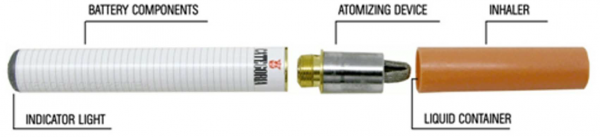
E-cigarettes are devices that heat a liquid into an aerosol people inhale. That liquid usually contains nicotine, flavorings, and other chemicals. They come in many formsdisposables, pods, mods, sleek little gadgets that look like USB drives, and some that seem designed by a committee of tech bros and candy marketers.
Unlike traditional cigarettes, e-cigarettes do not burn tobacco. That matters because combustion is the chemical disaster zone that makes smoking so deadly. Cigarette smoke contains thousands of chemicals and many well-known toxic and cancer-causing compounds. Because vaping avoids combustion, the aerosol generally contains fewer harmful chemicals than cigarette smoke. That is the main reason many experts say e-cigarettes may be a lower-risk option for adults who already smoke cigarettes.
But lower risk does not mean no risk. E-cigarette aerosol can contain nicotine, heavy metals, ultrafine particles, volatile organic compounds, and chemicals formed during heating. In other words, it is not just “water vapor,” no matter how many fruit-flavored clouds try to rebrand themselves.
Are e-cigarettes effective for quitting smoking?
The short answer: they can be, but the story is complicated
The strongest recent evidence suggests that nicotine e-cigarettes can help some adults quit smoking. In randomized studies, people using nicotine e-cigarettes were more likely to stop smoking than people using nicotine replacement therapy alone, such as patches or gum, and more likely to quit than people using non-nicotine e-cigarettes or no support. That is why many researchers now say e-cigarettes may have a role in harm reduction for adults who smoke.
Here is the key phrase, though: adults who smoke. Not teens experimenting. Not people who never used tobacco. Not casual nicotine tourists. The potential benefit exists mainly when an adult smoker uses vaping as a bridge away from cigarettes rather than as an add-on, a hobby, or a second nicotine subscription.
Why some adults find them helpful
Quitting smoking is not just about nicotine. It is also about ritual, sensation, stress relief, hand-to-mouth behavior, timing, and those weirdly specific habits like “one with coffee,” “one after lunch,” and “one when life becomes a circus.” E-cigarettes can mimic some of those behavioral elements in a way patches and gum cannot. For some smokers, that makes the transition easier.
People who successfully switch often say vaping helps with:
- nicotine cravings,
- the hand-to-mouth routine,
- social smoking triggers,
- the throat hit and inhalation pattern,
- and the feeling that they are not “missing” cigarettes every waking minute.
That behavioral overlap can be powerful. It is one reason vaping may outperform some standard quit methods for certain adults.
But “effective” is not the same as “officially approved”
Here is where the plot thickens. Even though evidence suggests nicotine e-cigarettes may help some people quit smoking, no e-cigarette has been approved by the FDA as a smoking cessation aid. That means doctors and public health groups still point first to treatments with a longer safety track record and clearer regulatory backingbehavioral counseling, nicotine replacement therapy, and medications such as varenicline or bupropion when appropriate.
In plain English: vaping may help some adults quit, but it is not the gold-standard first stop in most U.S. clinical guidance.
Why major health organizations still hesitate
If e-cigarettes can help some adults stop smoking, why is the guidance still cautious? Because public health does not judge products only by whether they help some people. It also asks whether the overall population effect is good or bad.
That bigger-picture view raises several concerns:
- Long-term health effects are still being studied. Cigarettes have had more than a century to reveal how awful they are. E-cigarettes are newer, so scientists are still tracking long-term lung, cardiovascular, and cancer-related outcomes.
- Youth uptake has been a major problem. Flavors, sleek devices, and high-nicotine formulations have made vaping appealing to teens and young adults.
- Dual use is common. Many people vape and smoke instead of switching completely, which blunts or even undermines the potential benefit.
- Nicotine addiction remains nicotine addiction. Trading smoke for aerosol may reduce toxic exposure, but it does not erase dependence.
That is why the public health answer sounds frustratingly nuanced: e-cigarettes may be less harmful than cigarettes for current smokers who fully switch, yet still harmful enough that non-smokers should not start and clinicians usually recommend proven cessation tools first.
Are e-cigarettes safe?
The short answer: no
Let’s make this part crystal clear. E-cigarettes are not safe. They may be safer than combustible cigarettes for adults who switch completely, but that is a comparison against one of the most dangerous consumer products ever sold. Winning a race against cigarettes is like being named the healthiest item at a gas station hot dog roller. Technically impressive. Still not the standard you want.
What makes them risky?
Nicotine: Most e-cigarettes contain nicotine, and often a lot of it. Nicotine is highly addictive. It can raise heart rate and blood pressure, reinforce dependence, and make quitting harder once the device becomes part of daily life.
Chemical exposure: E-cigarette aerosol can contain harmful substances, including heavy metals, ultrafine particles, and compounds created when liquids are heated. Flavoring chemicals may be safe to eat but not necessarily safe to inhale. Your lungs are not a dessert plate.
Lung effects: Researchers continue to study how vaping affects airway irritation, inflammation, cough, wheezing, asthma symptoms, and infection risk. The evidence does not support the idea that regular vaping is benign for the lungs.
Cardiovascular concerns: Nicotine and aerosol exposure may negatively affect blood vessels, blood pressure, and heart health. Long-term cardiovascular risk is still being clarified, but the current picture is not reassuring enough to call vaping heart-friendly.
Poisoning and device problems: E-liquids can be dangerous if swallowed or absorbed through the skin, especially for small children. Device malfunctions, including overheating and fires, are uncommon but real.
What about EVALI?
Many people still remember the 2019 outbreak of severe lung injury linked to vaping. Investigations found that most cases were strongly connected to vitamin E acetate in some THC-containing products, especially those from informal sources. That does not mean nicotine e-cigarettes are harmless. It simply means that outbreak had a specific and important cause. The correct takeaway is not “regular vapes are safe,” but rather “vaping-related harms can be serious, and the product landscape is messy.”
The dual-use trap: why vaping and smoking together is a bad bargain
One of the biggest problems with e-cigarettes is that many adults do not fully switch. They vape in the car, smoke after dinner, vape at work, smoke when stressed, and tell themselves they are “cutting down.” Sometimes they are. But cutting down is not the same as quitting, and dual use often keeps nicotine addiction alive while preserving exposure to cigarette smoke.
From a health perspective, dual use is the worst kind of compromise: all the maintenance of vaping, plus much of the damage of smoking. If the goal is risk reduction, complete substitution matters. A little less smoke is better than more smoke, but it is nowhere near as beneficial as quitting cigarettes altogether.
Who should definitely not use e-cigarettes?
- Children and teenagers
- Young adults who have never smoked
- Pregnant people
- Anyone who does not already use tobacco or nicotine
- People looking for a “safe” wellness productbecause this is very much not that
Nicotine exposure is especially concerning for adolescent brain development, and starting with vaping can set up a long relationship with dependence that nobody asked for and nobody enjoys paying for.
If vaping is not ideal, what works better for quitting smoking?
For most adults who want to quit smoking, the strongest evidence still supports a more traditional package:
- behavioral counseling,
- nicotine replacement therapy such as patches, gum, or lozenges,
- prescription medications when appropriate,
- quitlines, text support, and follow-up,
- and a plan for triggers, routines, and relapse prevention.
That approach may sound less glamorous than a mango ice device with LED lighting, but boring can be beautiful when it is evidence-based. Counseling plus medication consistently improves quit rates. It also avoids creating a second long-term dependence disguised as a solution.
That said, some adults who have repeatedly failed with standard quit methods may still view e-cigarettes as a practical harm-reduction tool. If so, the smartest version of that strategy is simple: switch completely, use regulated products rather than mystery-market devices, and make a plan to eventually taper nicotine instead of settling into permanent vape life.
So, are e-cigarettes effective? Are they safe?
Effective? They can be for some adults who already smoke cigarettes, especially when used as a complete substitute rather than a sidekick to smoking.
Safe? No. They are not safe. They are simply, in some cases, less dangerous than smoking combustible cigarettes.
If that sounds like an unsatisfying answer, welcome to public health. Sometimes the truth is not a clean yes or no. It is a risk ladder. At the top of the danger chart sits cigarette smoking. Somewhere lower down may sit regulated nicotine vaping for an adult who fully switches. But lower on the ladder is still on the ladder.
The ideal outcome is not “smoke less and vape forever.” It is “stop smoking, then reduce or end nicotine dependence altogether.” That remains the healthiest finish line.
Experiences people commonly report with vaping and quitting
Many adults who switch from cigarettes to e-cigarettes describe the first few weeks as surprisingly dramatic. They often say cigarettes start tasting harsher, the smell of smoke becomes more obvious, and morning coughing improves. Some report that food tastes better or that climbing stairs becomes a little less insulting. For a smoker who has tried to quit multiple times, that early improvement can feel almost magical. It is also one reason vaping can seem so convincing as a quit strategy.
But then the second chapter begins. A lot of users say vaping becomes easier to do all day long because it is more discreet than smoking. There is no stepping outside, no lighter, no ashtray, and often less social friction. What starts as a replacement for ten cigarettes a day can quietly become constant nicotine grazing. People describe reaching for the device in the car, at the desk, in bed, on the couch, and during every minor inconvenience life throws at them. The nicotine ritual does not disappear; it often just gets upgraded into all-access mode.
Another common experience is confusion about whether they have really “quit.” Some people proudly stop buying cigarettes but continue vaping heavily for months or years. Others bounce between the two products depending on stress, social settings, or alcohol. They may feel healthier than when they smoked a pack a day, and in some cases they probably are. But they also feel stuck, because the addiction has changed costumes without leaving the stage.
Adults who try to quit vaping often describe a different challenge than quitting cigarettes. They may not miss the smoke, but they miss the immediacy. A vape can deliver fast nicotine, frequent hits, and a habit loop that is deeply tied to boredom, stress, and routine. People say things like, “I didn’t realize how often I was using it until I tried to stop,” which is basically the nicotine version of discovering you check your phone 300 times a day.
Parents and partners also report concerns. Some worry about exposure around children. Others dislike how flavored aerosol normalizes nicotine use in the home. Former smokers sometimes say vaping helped them escape cigarettes but kept them psychologically attached to being a nicotine user. That matters, because identity can drive relapse as much as chemistry.
There are also positive stories worth acknowledging. Some adults who had failed repeatedly with patches, gum, or cold turkey say vaping was the first method that finally got them off cigarettes. For them, the device was not a trendy accessory; it was a practical off-ramp from something worse. The most successful stories usually have the same structure: complete switching, clear goals, fewer cigarette triggers, and eventually a plan to reduce nicotine rather than make vaping a permanent roommate.
In the end, lived experience mirrors the research. For some adults who smoke, e-cigarettes can be a useful transition tool. For others, they become a second addiction, a dual-use trap, or a longer-than-planned detour. The experience is real on both sides, which is exactly why the public conversation stays so heated.
Conclusion
E-cigarettes are neither miracle cure nor harmless toy. They occupy an uncomfortable middle ground: potentially useful for some adults who smoke, clearly risky for everyone, and especially problematic when they attract young people or prolong nicotine dependence. If an adult smoker switches completely from cigarettes to vaping, exposure to many toxic chemicals may go down. But if vaping simply joins cigarettes on the daily schedule, the health payoff shrinks fast.
The smartest public health message is not flashy, but it is honest: if you do not smoke, do not start vaping. If you do smoke, the best-supported options remain counseling, medications, and a structured quit plan. And if vaping is used as a stepping stone away from cigarettes, it should be exactly thata stepping stone, not a permanent destination.