
Some home accessories politely enter a room. Others arrive with a glass of red wine, a tailored coat, and the quiet confidence of someone who knows exactly where the best espresso is served. Italian Wool & Alpaca Ribbed Knit Throws belong to the second group. They are not just blankets. They are texture, warmth, design, and a little bit of “please do not spill nacho cheese on me” sophistication rolled into one beautiful layer.
A ribbed knit throw made from wool and alpaca is the kind of piece that earns its place in a home. It softens a leather sofa, makes a bed look finished, warms a reading chair, and instantly gives a living room the cozy, layered look that interior designers keep mentioning while pretending it was effortless. The Italian element matters too. Italy has a long reputation for fine yarn spinning, textile finishing, and refined home fashion. When that craftsmanship meets the natural warmth of wool and the airy softness of alpaca, the result is a throw that feels classic rather than trendy.
This guide explores what makes Italian wool and alpaca ribbed knit throws special, how to style them, what to look for before buying, how to care for them, and why this quiet luxury home accent can do more for a room than one more decorative pillow named “Aspen Fog.”
What Are Italian Wool & Alpaca Ribbed Knit Throws?
Italian wool and alpaca ribbed knit throws are decorative and functional blankets typically designed for use on sofas, beds, lounge chairs, benches, or reading nooks. The best versions combine wool for resilience and structure, alpaca for softness and lightweight insulation, and sometimes a small amount of acrylic or another supporting fiber to improve loft, shape retention, or durability.
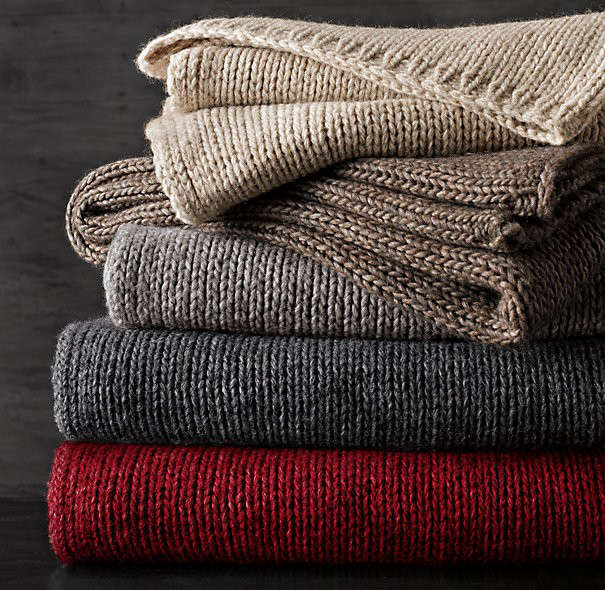
The phrase “ribbed knit” refers to a raised vertical texture created by alternating knit and purl stitches. In plain English: the throw has ridges. These ridges are not just decorative. They add dimension, help the blanket drape with body, and create those soft shadows that make a room feel warm even before anyone sits down. A flat blanket says, “I am here.” A ribbed knit throw says, “I have depth, personality, and possibly a playlist of Italian jazz.”
The Role of Italian Textile Craftsmanship
Italian mills are admired for their work with wool, cashmere, alpaca, linen, and other premium fibers. In a high-quality throw, spinning, knitting, washing, and finishing are all part of the final feel. A luxury yarn can still become a disappointing blanket if it is poorly knitted or finished. Italian textile finishing often focuses on softness, balance, and drape, which are exactly the qualities people notice when they pick up a throw and immediately decide whether it belongs on the sofa or in the back of a closet.
For wool and alpaca blends, craftsmanship is especially important. Wool brings spring and memory. Alpaca brings smoothness, warmth, and a subtle luster. When blended properly, the throw feels plush but not floppy, warm but not suffocating, and elegant without acting like it needs its own security guard.
Why Wool and Alpaca Make Such a Strong Pair
Wool and alpaca are both animal fibers, but they behave differently. Wool, especially virgin wool, is valued for elasticity, insulation, breathability, and durability. Alpaca fleece is known for softness, light weight, warmth, and a silky hand. Together, they create a throw that works beautifully in real homes, not just in catalog photos where nobody owns crumbs.
Wool Adds Structure and Everyday Strength
Wool fibers naturally crimp, which helps them trap air and bounce back after use. That is why wool blankets can feel warm without being overly dense. Wool also has a reputation for resisting odors and staying fresher between cleanings compared with many synthetic textiles. In a throw blanket, those properties matter. A sofa throw gets leaned on, folded, dragged to movie night, and occasionally stolen by someone who claimed they “were not cold.”
Wool also helps a knitted throw keep its shape. Ribbed knit patterns can stretch, especially if the blanket is constantly pulled, wrapped, and tossed over furniture. Wool gives the construction a little backbone. Think of it as the responsible friend in the fiber group chat.
Alpaca Adds Softness, Warmth, and Lightness
Alpaca fleece is often praised for being soft, warm, lightweight, and naturally lustrous. It does not contain lanolin in the way sheep’s wool does, which is one reason many people who find traditional wool irritating may prefer alpaca blends. Alpaca fibers can also feel smoother against the skin because of their surface structure.
In a ribbed knit throw, alpaca helps create that cloudlike warmth people want when they curl up with a book, laptop, or streaming series they absolutely are not binge-watching but somehow finish by midnight. It gives the throw a softer hand and a more luxurious drape. When blended with wool, it avoids the heaviness that some thick blankets can have.
The Beauty of the Ribbed Knit Texture
The ribbed knit is the visual signature of this kind of throw. It is simple, but not boring. Structured, but not stiff. Familiar, but still refined. The ribs catch light, add shadow, and create a handcrafted feeling even when the overall look is polished.
Texture Makes Neutral Rooms Feel Finished
Many modern homes rely on neutral colors: oatmeal, charcoal, ivory, taupe, stone, gray, and warm beige. These palettes can look calm and expensive, but without texture they can also look like the room is waiting for a personality to arrive. A ribbed knit throw solves that problem quickly.
Place an oatmeal wool and alpaca throw over a charcoal sofa and suddenly the sofa looks intentional. Drape a gray ribbed throw across white bedding and the bed gains depth. Fold a mocha throw at the foot of a cream duvet and the room feels layered, not flat. Texture is the secret ingredient that makes quiet color schemes feel rich instead of sleepy.
Ribbing Adds Casual Elegance
A ribbed throw is less formal than a smooth cashmere blanket and more refined than a chunky novelty knit. It lands in the sweet spot: elegant enough for a primary bedroom, relaxed enough for a family room, and practical enough to be used often. That balance is why ribbed knit throws remain popular. They look expensive without shouting. In home decor, shouting is usually best left to smoke alarms and people assembling flat-pack furniture.
How to Style Italian Wool & Alpaca Ribbed Knit Throws
The good news: you do not need a design degree to style a throw. The bad news: once you start styling throws well, you may begin judging the sad little fleece blanket on your old recliner. Growth can be uncomfortable.
On a Sofa
For a clean look, fold the throw lengthwise into thirds and drape it over one sofa arm. This works especially well when the arm is visible from the room entrance. The ribbed texture becomes a design feature, and the throw looks tidy without being fussy.
For a softer, more lived-in look, let the throw fall diagonally across one corner of the sofa. Tuck a small portion behind a cushion so it appears casual but controlled. This is the home-decor equivalent of “messy hair that took 17 minutes.”
On a Bed
At the foot of a bed, a wool and alpaca ribbed knit throw adds warmth and visual weight. Fold it neatly for a hotel-inspired look, or spread it loosely for a relaxed European feel. In a minimal bedroom, choose a throw close to the bedding color but slightly darker or lighter. In a more layered bedroom, use contrast: charcoal on ivory, oatmeal on navy, gray on warm white, or garnet on beige.
The throw does not need to cover the entire bed. In fact, it usually looks better when it does not. A throw is an accent, not a duvet trying to get promoted.
On a Reading Chair
A ribbed knit throw belongs on a reading chair the way a bookmark belongs in a novel. Drape it over the back of the chair or fold it over the seat. Add a small pillow in linen, velvet, or boucle for contrast. The goal is to make the chair look inviting enough that someone might actually read there instead of scrolling on a phone while holding an unopened book.
In a Basket
If you prefer a relaxed family-room setup, roll or loosely fold the throw and place it in a woven basket. This keeps the room tidy while making the blanket easy to grab. Natural fibers look especially good near other natural materials such as wood, leather, stone, rattan, and ceramic.
Choosing the Right Color
Italian wool and alpaca ribbed knit throws often appear in versatile, earthy shades: oatmeal, gray, charcoal, mocha, ivory, taupe, and deep red tones. These colors work because they complement natural fibers and do not fight the texture.
Oatmeal and Ivory
Oatmeal and ivory throws brighten a room without feeling stark. They are excellent for dark sofas, wood beds, leather chairs, and Scandinavian-inspired interiors. The only warning: very light throws may attract visible pet hair, makeup marks, or evidence from snack crimes.
Charcoal and Gray
Charcoal and gray throws are sophisticated and practical. They work well in modern, industrial, transitional, and masculine interiors. A charcoal ribbed knit throw can make a cream sofa feel grounded, while a pale gray version softens darker bedding.
Mocha and Warm Brown
Mocha tones add warmth to neutral rooms. They pair beautifully with walnut, oak, brass, tan leather, rust, olive, and cream. If your room already has warm undertones, a mocha wool and alpaca throw can make everything feel more cohesive.
Garnet or Deep Red
A deep red throw is a bold but classic choice. It works best when the rest of the room is calm: think ivory bedding, dark wood, aged brass, or charcoal upholstery. Used sparingly, garnet adds richness without turning the room into a holiday catalog.
What to Look for Before Buying
Not all wool and alpaca throws are equal. Some are heirloom-quality pieces. Others are suspiciously soft for three weeks and then begin their new life as a lint festival. Before buying, check the fiber blend, size, knit quality, care instructions, and finishing.
Fiber Content
A blend of wool and alpaca can be excellent, especially when the wool provides structure and the alpaca adds softness. Some throws include acrylic or another supporting fiber. This is not automatically bad. A small synthetic component can help with loft, lightness, or durability. The key is balance. If a throw is marketed as wool and alpaca but contains only a tiny percentage of those fibers, you are mostly buying marketing with fringe.
Size
A good throw size for sofas and beds is often around 50 by 60 inches, 52 by 68 inches, or slightly larger. Smaller throws can work as chair accents, while larger ones are better for beds or full-body lounging. Consider how you will use it. Decorative only? Standard throw size is fine. Movie-night cocoon? Go larger. Sharing with a blanket thief? Buy two and label one emotionally.
Knit Density
Look for even ribbing, secure edges, and a knit that feels substantial without being overly loose. Very loose knits can snag more easily. Dense knits may last longer but can feel heavier. The best ribbed knit throws have enough structure to hold their shape and enough softness to feel inviting.
Finishing
Edges matter. A well-finished throw looks polished and resists unraveling. Check whether the edges are neatly bound, knitted cleanly, or finished with a subtle border. If the throw has fringe, make sure it feels intentional rather than like the blanket gave up halfway.
How to Care for Wool and Alpaca Ribbed Knit Throws
Care is where luxury textiles separate careful owners from chaos goblins. Wool and alpaca do not need constant washing. In fact, washing too often can shorten the life of the fibers. Always follow the label first, especially if the throw is marked dry clean only.
Air It Out
For regular maintenance, shake the throw gently and air it out. Natural fibers often refresh well with ventilation. Lay the throw over a clean chair or drying rack away from direct sunlight. This helps remove trapped odors without stressing the fibers.
Spot Clean Carefully
If a small spill happens, blot immediately with a clean, dry cloth. Do not rub aggressively. Rubbing can push the stain deeper and disturb the knit surface. For water-based spills, a slightly damp cloth may help, but avoid soaking the area. When in doubt, professional cleaning is safer.
Avoid Heat and Harsh Agitation
Heat, friction, and agitation can cause wool and alpaca fibers to shrink, felt, or lose softness. Unless the care label specifically says machine washable, do not toss the throw into a hot wash and hope for a miracle. Miracles are rare in laundry rooms.
Store It Properly
Before storing, make sure the throw is completely clean and dry. Fold it loosely and keep it in a breathable cotton storage bag or a clean drawer. Avoid plastic bags for long-term storage because they can trap moisture. If moths are a concern, use cedar blocks or lavender sachets, but keep them from directly staining the fabric.
Why These Throws Work in So Many Interior Styles
The reason Italian wool and alpaca ribbed knit throws are so versatile is simple: they combine natural material, quiet texture, and useful warmth. That trio works in almost every design style.
Modern Minimalist
In a minimalist room, a ribbed throw adds softness without clutter. Choose ivory, gray, or charcoal and keep the fold clean. The texture creates interest while preserving the calm look.
Rustic and Organic
For rustic interiors, pair a wool and alpaca throw with reclaimed wood, linen bedding, pottery, and warm lighting. Oatmeal, mocha, and earthy gray tones feel especially natural.
Traditional
In a traditional living room, use a ribbed knit throw to relax formal furniture. A deep red or warm neutral throw can soften rolled arms, dark wood, and patterned rugs.
Coastal
A pale gray or ivory throw works beautifully in coastal spaces. It adds warmth without feeling heavy and pairs well with white walls, woven shades, slipcovered furniture, and pale woods.
Are Italian Wool & Alpaca Ribbed Knit Throws Worth It?
Yes, if you value natural fibers, texture, and long-term use. A high-quality wool and alpaca ribbed knit throw is not the cheapest blanket in the house. It is also not trying to be. Its value comes from comfort, appearance, durability, and versatility.
Unlike purely decorative accessories, a throw has a job. It keeps you warm. It protects furniture from feeling bare. It adds color and texture. It moves from sofa to bed to chair depending on the season. It can make an inexpensive room look more considered and a beautiful room feel more comfortable.
The best reason to buy one is not because it looks luxurious in a photo. It is because you will actually use it. A throw that only exists for styling is nice. A throw that looks beautiful and becomes the first thing everyone grabs on a chilly evening is better.
Common Mistakes to Avoid
Buying Only for Color
Color matters, but fiber and texture matter more. A perfect shade in a poor-quality knit will disappoint quickly. Choose the material first, then narrow down the color.
Ignoring the Care Label
If the throw says dry clean only, believe it. The care label is not making small talk. Wool and alpaca blends can react badly to heat and agitation, so proper care protects your investment.
Using It in High-Risk Zones
A luxury wool and alpaca throw may not be the best choice for a toddler snack station, muddy dog bed, or outdoor barbecue bench. Use it where it can be enjoyed, not where it must survive a daily obstacle course.
Overstyling It
A ribbed knit throw already has texture. Let it breathe. Too many pillows, patterns, and competing textiles can make the room feel busy. One good throw often does more than five random accents.
Experience Notes: Living With Italian Wool & Alpaca Ribbed Knit Throws
The first thing you notice when living with a wool and alpaca ribbed knit throw is that it changes how a room feels before it changes how warm you are. Put one across the arm of a sofa, and the room immediately looks more settled. It is similar to putting on a good sweater: nothing dramatic has happened, but suddenly everything looks more intentional.
In everyday use, the ribbed texture is the quiet hero. Smooth throws can look elegant, but ribbed throws invite touch. Guests tend to run a hand across the surface without realizing it. The raised lines make the blanket feel more substantial, even when it remains light enough to move easily from room to room. On a cold morning, it works over pajamas. On a lazy afternoon, it works over jeans. During a movie, it becomes the unofficial peace treaty between two people sharing a sofa.
One practical experience: these throws are excellent for “in-between” temperatures. They are warm, but they do not usually feel as heavy as thick synthetic plush blankets. That makes them useful in fall, winter, and overly air-conditioned rooms where the thermostat appears to be controlled by a penguin. The alpaca component contributes softness and lightness, while the wool gives the blanket enough body to stay put instead of sliding off your lap every five minutes.
Styling one is surprisingly forgiving. A neat fold at the foot of the bed looks polished. A loose drape on a sofa looks relaxed. Rolled in a basket, it looks cozy and accessible. The only look that rarely works is the “I threw this during a minor domestic emergency” pile. Even then, the ribbing helps. This is a textile with good manners.
Color choice affects the experience more than expected. Oatmeal and ivory feel airy and soft, especially in bedrooms. Charcoal feels tailored and modern. Mocha adds warmth and pairs well with wood furniture. A deep red or garnet shade becomes a statement piece, best used when the surrounding room is calm. If you are buying your first premium throw, a neutral shade is usually the safest choice. It will move between rooms more easily and survive changes in bedding, paint, or furniture.
Care also becomes part of ownership. This is not the blanket you casually drag through the laundry every Sunday. It rewards gentler habits: airing, shaking, folding, and occasional professional cleaning when needed. That may sound high-maintenance, but in practice it is simple. Natural fibers often need less washing than people expect, and the throw stays nicer when it is not over-cleaned. Treat it like a good wool coat rather than a gym towel.
Another lived-in advantage is emotional. A good throw becomes part of the household rhythm. It is what you reach for during early coffee, late emails, weekend reading, or that suspiciously “one episode only” show. Over time, it stops being just decor and becomes a small comfort ritual. That is where premium home textiles earn their keep. They do not merely decorate the life you imagine; they improve the life you actually have.
The final experience is durability of style. Trends change quickly. One year everything is boucle. The next year every room wants chrome, checkerboard, or mushroom-shaped lamps. But a ribbed knit wool and alpaca throw remains useful because it is based on texture, warmth, and natural material rather than novelty. It can move from a modern apartment to a traditional house, from a guest room to a nursery chair, from a winter bed layer to a year-round sofa accent. That flexibility makes it feel less like a purchase and more like a long-term home companion.
Conclusion
Italian Wool & Alpaca Ribbed Knit Throws are the rare home accessory that can be beautiful, useful, and timeless at the same time. Their appeal comes from a smart combination of materials: wool for structure and resilience, alpaca for softness and lightweight warmth, and ribbed knitting for rich visual texture. Add Italian textile craftsmanship, and the result is a throw that feels elevated without being untouchable.
Whether styled across a bed, folded over a sofa arm, tucked into a reading chair, or stored in a woven basket, this kind of throw adds comfort and character to a room. It works with minimalist spaces, rustic interiors, traditional rooms, and cozy modern homes. Most importantly, it invites use. A great throw should not live like a museum object. It should warm shoulders, soften rooms, survive quiet mornings, and look good while doing it.
If your home needs one upgrade that delivers both comfort and style, a wool and alpaca ribbed knit throw is a strong candidate. It is practical luxury at its best: not loud, not flashy, just quietly excellent. And frankly, your sofa has been working hard. It deserves a good sweater.