
A hand loomed potholder may look like a humble square of woven fabric, but do not be fooled by its quiet kitchen-table personality. This little textile is part craft project, part heat shield, part home décor, and part “please do not touch that cast-iron skillet with your bare hand” public service announcement. In a kitchen full of shiny gadgets, smart appliances, silicone tools, air fryers, and pans that claim to change your life by Tuesday, the hand loomed potholder remains wonderfully practical.
What makes it special is the way it is made. Instead of being cut from factory fabric and stitched into shape, a hand loomed potholder is woven loop by loop on a small loom. The process creates a dense, textured surface that feels substantial in the hand and adds an unmistakably handmade charm to the kitchen. Whether made from cotton loops, wool loops, or carefully selected recycled textiles, a handwoven potholder brings warmth, color, and function into everyday cooking.
This guide explores what a hand loomed potholder is, why people still love it, how to choose one, how to use it safely, and why this old-school kitchen textile is having a very modern comeback. Spoiler alert: it is not just nostalgia. It is useful, washable, giftable, and surprisingly stylish for something whose main job is preventing your fingertips from becoming toast.
What Is a Hand Loomed Potholder?
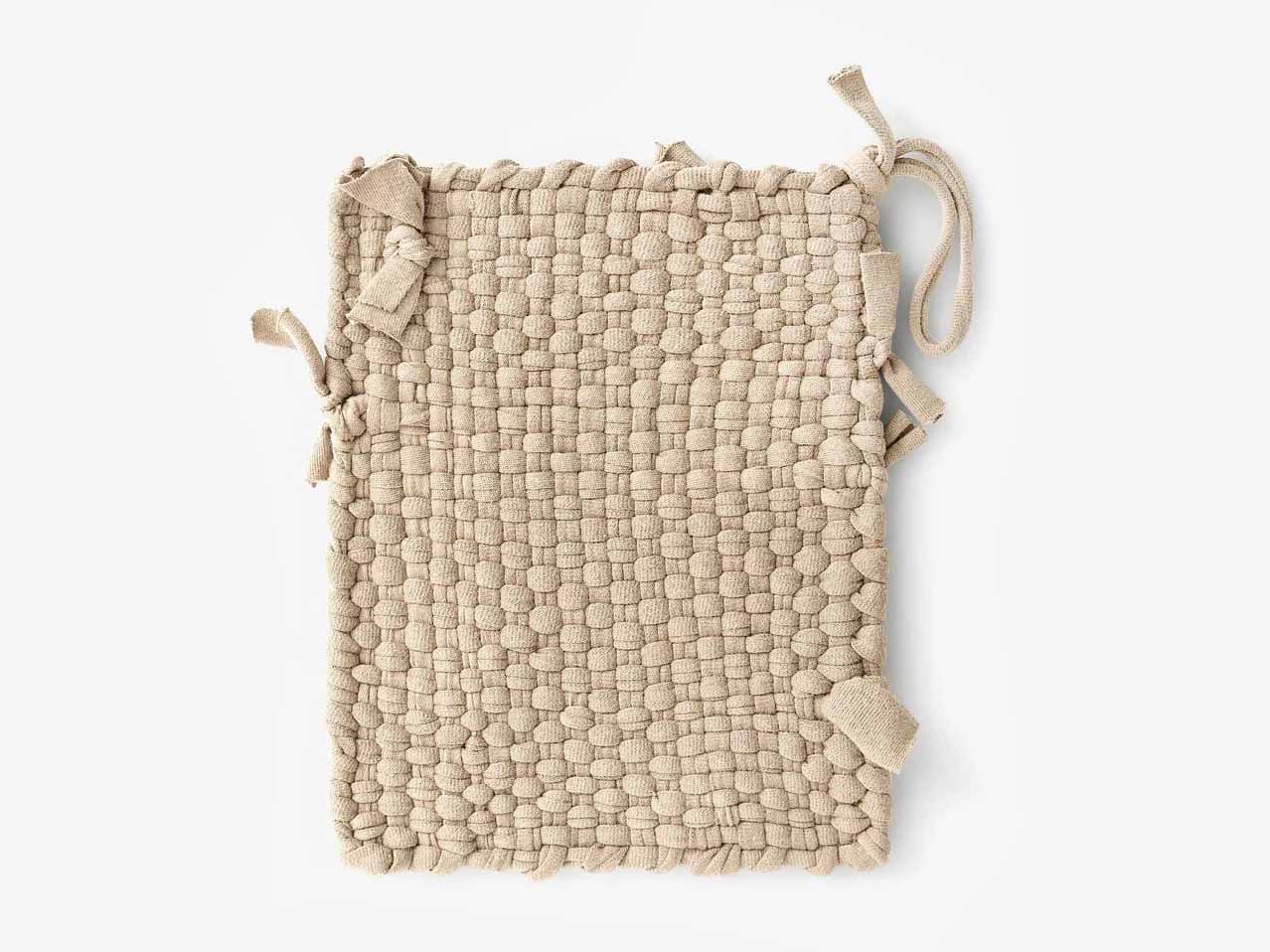
A hand loomed potholder is a small woven kitchen textile designed to protect hands and surfaces from hot cookware. It is usually square, thick, and flexible, with interlaced loops forming a sturdy woven structure. Traditional potholder looms often produce pieces around 6 to 8 inches square, while larger “pro” style looms can make bigger potholders that work well with Dutch ovens, casserole dishes, sheet pans, and heavier cookware.
The classic version uses fabric loops stretched across a peg loom. Half of the loops run in one direction, forming the base. The other half are woven over and under those loops to create the pattern. Once the weaving is complete, the edges are finished by chaining the loops together so the potholder stays intact. No sewing machine is required. No advanced weaving degree is needed. If you can remember “over, under, over, under,” you are already dangerously close to becoming a potholder person.
Hand Loomed vs. Machine-Made Potholders
Machine-made potholders are usually sewn from layers of fabric, batting, silicone, or terry cloth. They can be excellent, especially when designed for high heat and strong grip. A hand loomed potholder is different because the fabric is created during the making process. The woven structure gives each piece slight variations in texture, color placement, density, and personality.
That individuality is part of the appeal. Two handmade potholders woven with the same colors may still look slightly different. One may have a tighter edge. Another may show a charming color shift where the maker changed the pattern. These tiny differences are not flaws. They are proof that a human being made the thing instead of a soulless machine that has never once burned toast.
Why Hand Loomed Potholders Are Popular Again
Hand loomed potholders are riding a wave of renewed interest in slow craft, practical handmade goods, and colorful kitchen décor. Many shoppers want items that feel personal, durable, and less disposable. At the same time, crafters are rediscovering potholder looms as a satisfying, beginner-friendly weaving project.
Part of the charm is accessibility. Weaving a scarf or wall hanging can feel intimidating for beginners. A potholder, however, is small enough to finish in one sitting and useful enough to justify making another. Then another. Then a drawer full. Then a carefully organized color palette of loops that raises questions from family members. This is normal. Mostly.
Modern cotton loop kits have also improved dramatically. Today’s craft suppliers offer richer colors, better fibers, sturdier metal looms, and more pattern possibilities than many people remember from childhood kits. Instead of scratchy synthetic loops in questionable neon shades, makers can now choose soft cotton loops in farmhouse neutrals, coastal blues, autumn rusts, garden greens, cheerful brights, and elegant muted tones.
The Best Materials for a Hand Loomed Potholder
Material matters. A potholder is not just decoration; it has a job. It needs to create a protective barrier between skin and heat. The best hand loomed potholders are usually made from natural fibers such as cotton or wool because these materials can provide good insulation when woven thickly and used properly.
100% Cotton Loops
Cotton is the most common material for hand loomed potholders. It is soft, washable, widely available, and comfortable to grip. A tightly woven cotton potholder can work well for everyday kitchen tasks such as moving warm plates, lifting pot lids, holding saucepan handles, or carrying a baking dish a short distance from oven to counter.
Look for potholders made with 100% cotton loops rather than unknown synthetic blends. Cotton does not melt the way some synthetic fibers can, and it has a classic kitchen feel. However, cotton-only potholders vary in heat protection depending on thickness, weave density, and moisture. Thin cotton is not enough for heavy-duty oven work. Thick cotton is better, but it should still be used thoughtfully.
Wool Loops
Wool is another excellent material for handmade potholders. It has natural insulating properties and a springy texture that can make a potholder feel dense and protective. Wool also brings a beautiful handmade look, especially in earthy colors. The trade-off is care. Wool potholders may require gentler washing and careful drying to prevent shrinking or felting.
If you love rustic kitchens, cast iron cookware, sourdough bread, and pretending your life is a charming cabin montage, wool potholders fit the mood perfectly. Just read the care instructions before tossing them into a hot wash cycle like a laundry goblin.
Recycled Fabric Loops
The potholder loom has historic ties to textile reuse. Early loop-style potholder kits helped repurpose excess fabric loops from hosiery and sock manufacturing. That practical spirit still fits today’s sustainability-minded kitchens. Some makers cut loops from old T-shirts, socks, or knit fabric scraps.
Recycled loops can be beautiful and eco-conscious, but safety depends on fiber content. Cotton jersey can be a good choice. Synthetic stretch fabrics may melt, scorch, or transfer heat too quickly. If the potholder will be used near hot pans, the maker should know what the fabric is made of. Mystery fabric belongs in experimental crafts, not between your palm and a 425-degree baking sheet.
How a Hand Loomed Potholder Is Made
The making process is simple in theory and deeply satisfying in practice. A square loom with pegs around the edges holds the loops under tension. The first row of loops is stretched vertically or horizontally across the loom. Then the second set is woven through the first set, alternating over and under to create a balanced fabric.
Basic Plain Weave
The plain weave is the classic potholder pattern. It creates a checkerboard-like structure and works well for beginners. If you alternate two colors, the result can look crisp and graphic. If you use many colors, the potholder becomes cheerful and scrappy, like a tiny quilt that decided to skip the sewing machine.
Stripes and Color Blocking
Stripes are easy to create by arranging loops in repeated color groups. For example, a hand loomed potholder in flax, cream, and charcoal can look minimalist and modern. Apricot, rust, and mustard create a warm autumn kitchen palette. Navy, white, and sky blue feel coastal. Red and green can look festive without screaming “holiday decoration escaped from storage.”
Twill and Advanced Patterns
More experienced makers often experiment with twill, diagonal patterns, log cabin effects, checks, and shadow designs. These patterns require more attention because the over-under sequence changes across rows. The payoff is a potholder with visual movement and a more sophisticated woven appearance.
Advanced hand loomed potholders can look surprisingly refined. A simple diagonal twill in two muted colors can feel like something from a boutique kitchen shop rather than a craft table. That is the magic of weaving: tiny decisions become texture.
Practical Benefits of a Hand Loomed Potholder
A hand loomed potholder earns its drawer space by being useful in several ways. It protects hands, guards tabletops, adds grip, and brings color into the kitchen without requiring a remodel, a paint can, or a terrifying conversation with a contractor.
Heat Protection for Everyday Cooking
For everyday kitchen work, a thick handwoven potholder can help handle warm cookware, hot lids, and oven dishes. It works especially well when doubled or used in pairs. Many cooks keep several potholders near the stove so there is always a dry one available.
However, no potholder is magic. Even thick woven cotton or wool has limits. If you are lifting very hot cast iron, pulling a heavy roasting pan from the oven, or handling cookware over open flame, use caution. For prolonged high-heat contact, a silicone-lined mitt or a professional-grade oven mitt may provide better protection than a simple cotton potholder.
Grip and Flexibility
One advantage of hand loomed potholders is flexibility. A woven square bends easily around pan handles, lid knobs, and serving dishes. Unlike bulky mitts, it allows your fingers to feel the shape of what you are holding. That improved dexterity can help with quick tasks, such as lifting a pot lid to check soup or moving a warm skillet from one burner to another.
The textured surface also improves grip. Looped fabric creates ridges and valleys that can help stabilize cookware. That said, wet potholders are dangerous. Moisture conducts heat quickly and can cause steam burns. A hand loomed potholder should always be completely dry before touching hot cookware.
Table and Counter Protection
A hand loomed potholder can double as a trivet for warm bowls, mugs, teapots, and serving dishes. The woven thickness helps protect wood tables, stone countertops, and delicate surfaces from heat marks. For very hot cookware, use two potholders or a dedicated trivet, especially under cast iron or ceramic bakeware that holds heat for a long time.
How to Choose a Good Hand Loomed Potholder
Not all potholders are created equal. Some are sturdy kitchen workhorses. Others are decorative and should be treated more like textile art with a side hustle. Before buying or making one, consider material, thickness, size, finishing, and intended use.
Check the Fiber Content
Choose cotton or wool when possible. Avoid potholders made from unknown synthetic fibers if you plan to use them with heat. If buying handmade, look for descriptions that clearly state the material, such as “100% cotton loops” or “wool loops.” Clear labeling shows the maker understands function as well as beauty.
Look for Dense Weaving
A good hand loomed potholder should feel substantial. Hold it up to the light. If you see large gaps between loops, it may not provide enough protection for hot cookware. Dense weaving creates better insulation and a more stable grip.
Inspect the Edges
The edges should be securely finished. Traditional looped edges are chained off around the potholder. The final loop often becomes a hanging loop. If the edge looks loose or uneven, the potholder may stretch out or unravel over time.
Choose the Right Size
A smaller potholder works well for mugs, lids, and small saucepan handles. A larger potholder is better for sheet pans, casserole dishes, and Dutch ovens. If you cook often, owning both sizes is useful. Think of them as kitchen shoes: one pair for quick errands, one pair for serious business.
Safety Tips for Using Hand Loomed Potholders
Kitchen safety is where the humble potholder becomes serious. Cooking remains one of the most common causes of home fires and kitchen injuries, so proper use matters. A beautiful handmade potholder should protect you, not become a decorative little villain.
Always Keep Potholders Dry
This is the golden rule. Never use a damp hand loomed potholder to grab a hot pan. Moisture transfers heat rapidly and may create steam, which can burn skin almost instantly. Keep one towel for drying hands and dishes, and keep potholders separate for heat handling.
Do Not Use Near Open Flame
Cotton and wool can scorch or burn if exposed to flame. Keep potholders away from gas burners, candle flames, toaster oven elements, and grill flare-ups. Use the potholder to move cookware, not to hover over fire like a textile superhero with poor judgment.
Replace Worn Potholders
If a potholder becomes thin, frayed, stiff with grease, or full of holes, retire it from heat duty. It may still work as a coaster, plant mat, or decorative layer under a fruit bowl. It should not be trusted with a sizzling skillet.
How to Wash and Care for Hand Loomed Potholders
Care depends on fiber. Cotton hand loomed potholders are usually the easiest to maintain. Many can be washed in cool or warm water and air dried. A gentle cycle helps preserve shape. Avoid high heat in the dryer, especially if you are unsure whether the loops are pre-shrunk.
Wool potholders need more care. Hand washing in cool water with mild soap is often best. Avoid twisting or wringing. Press out moisture with a towel and lay flat to dry. Wool may felt or shrink if exposed to hot water, agitation, or aggressive drying.
Because potholders come into contact with food splatters, grease, and kitchen surfaces, wash them regularly. A clean potholder is safer, nicer to use, and less likely to smell like last month’s garlic experiment. For heavy stains, spot clean first. For stubborn grease, use a gentle dish soap before laundering.
Decorating with Hand Loomed Potholders
A hand loomed potholder is functional, but it can also be part of kitchen styling. Hang a set on hooks near the stove. Stack them in an open basket. Pair colors with dish towels, aprons, mugs, or seasonal table linens. Because they are small and affordable, potholders are an easy way to change the mood of a kitchen without replacing major items.
Farmhouse Kitchen Style
For farmhouse kitchens, choose cream, flax, sage, rust, faded blue, or warm brown. These colors pair well with wood cutting boards, stoneware, open shelving, and vintage-inspired cookware.
Modern Minimalist Kitchens
For modern kitchens, choose black, white, oatmeal, charcoal, or clay. A simple two-tone handwoven potholder adds texture without visual clutter.
Colorful Family Kitchens
For lively kitchens, go bold. Tomato red, sunny yellow, turquoise, leaf green, and bright coral can make a potholder feel playful. This is especially fun when children help choose the colors or make the potholders themselves.
Hand Loomed Potholders as Gifts
A hand loomed potholder makes a thoughtful gift because it is useful, personal, and easy to customize. A set of two or four tied with ribbon can work for housewarmings, holidays, teacher gifts, hostess gifts, wedding shower baskets, or “I noticed you keep using a damp dish towel to grab pans and I care about your fingerprints” gifts.
For a stronger gift bundle, pair potholders with a wooden spoon, a jar of local jam, a loaf pan, a sourdough starter, a tea towel, or a favorite recipe card. Handmade potholders also sell well at craft fairs because they are practical and approachable. People may hesitate over a large woven wall hanging, but everyone understands the need to grab hot things safely.
Buying Handmade vs. Making Your Own
Buying a hand loomed potholder supports textile artists, small shops, and independent makers. Handmade sellers often create beautiful color combinations and may use high-quality loops that produce a denser, longer-lasting potholder.
Making your own is rewarding in a different way. A potholder loom is affordable, portable, and beginner friendly. It is a wonderful project for adults, kids, seniors, classrooms, craft nights, and anyone who wants a screen-free activity. The process is repetitive enough to be calming but creative enough to stay interesting.
If you are new to weaving, start with a plain weave and two colors. Once you understand the rhythm, try stripes, checkerboards, gradients, and diagonal patterns. Before long, you may find yourself judging restaurant napkins by weave structure. This is how it begins.
Experience Section: Living with a Hand Loomed Potholder
The first time I used a hand loomed potholder in a busy kitchen, I expected it to be cute but not especially important. It looked like the kind of thing that belonged in a gift basket next to cinnamon tea and a handwritten recipe for banana bread. Then I used it to lift the lid from a bubbling pot of soup, and suddenly it made sense. The woven texture gave me a better grip than a flat towel, and the square folded neatly around the lid handle. It felt simple, practical, and pleasantly old-fashioned in the best possible way.
One of the most enjoyable things about hand loomed potholders is how quickly they become part of kitchen routines. A favorite one ends up near the stove every day. Another becomes the designated coffee pot pad. A third sits under a hot bowl of oatmeal because someone forgot breakfast dishes can also behave like lava. Unlike decorative kitchen items that mostly stand around looking photogenic, a potholder gets used. It earns its keep.
I have also noticed that color matters more than expected. A rust and cream potholder makes a kitchen feel warmer in fall. A blue and white one looks fresh in summer. A green and flax version somehow makes a countertop look calmer, even when there are three dirty pans, a suspicious banana, and mail you promised to sort last week. Small textiles change the emotional temperature of a room. That sounds dramatic, but kitchens are full of sensory details: steam, clatter, light, smell, texture, color. A handmade potholder adds softness to all that metal and heat.
From a maker’s perspective, weaving a potholder is satisfying because progress is visible. You place one loop, then another, then the pattern starts to appear. The loom gives structure, but the color choices make the project personal. Mistakes are usually fixable. If a row goes under when it should go over, you can back up and correct it. That makes the project forgiving, which is exactly what a relaxing craft should be. Nobody needs a hobby that yells at them.
In real use, I prefer keeping at least four hand loomed potholders in rotation. Two stay near the oven, one sits by the coffee and tea area, and one acts as a small trivet on the table. I always check that they are dry before touching hot cookware. I also avoid using handmade cotton potholders for extended contact with very hot cast iron. For that job, I reach for heavier protection. The hand loomed potholder is excellent, but it is not a dragon-scale gauntlet.
The best experience comes from treating it as both tool and textile. Use it often. Wash it when needed. Hang it where you can enjoy the colors. Retire it gracefully when it becomes worn. A good hand loomed potholder reminds us that everyday objects can be beautiful without becoming precious. It can protect a table, brighten a wall hook, help serve dinner, and tell a tiny story about hands, loops, pattern, and care.
Conclusion
A hand loomed potholder is a small kitchen essential with a surprisingly rich story. It connects old-fashioned craft with modern cooking needs, blending beauty, practicality, and personal expression. Made well, it can protect hands, support hot dishes, decorate the kitchen, and serve as a thoughtful handmade gift.
The best hand loomed potholders use quality cotton or wool, dense weaving, secure edges, and a practical size. They should be kept dry, washed regularly, and used with common sense around high heat. While they may not replace heavy-duty oven mitts for every task, they shine in everyday cooking, baking, serving, and styling.
In a world that keeps trying to make everything faster, smarter, and more complicated, the hand loomed potholder remains refreshingly direct. It says: here is fiber, here is pattern, here is protection, here is a little color by the stove. And honestly, that is a pretty good deal for one square of woven fabric.