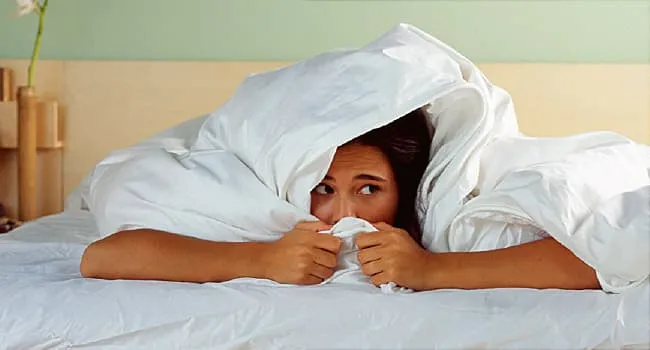

A cough erupts three seats behind you on a crowded bus. A coworker announces that their child has “some kind of stomach bug.” Your nephew arrives at a family cookout with a mysterious rash and the cheerful energy of someone determined to touch every serving spoon.
Naturally, one question takes over your brain: Is it contagious?
The answer is not always a simple yes or no. Diseases can spread through the air, physical contact, contaminated food, body fluids, insects, animals, or several routes at once. Some infections pass easily between people, while others require a specific kind of exposure. A person can also transmit certain germs before symptoms beginor without ever realizing they are infected.
Understanding how infectious diseases are transmitted helps you choose precautions that match the actual risk. You probably do not need to disinfect the ceiling after every sneeze, but opening a window, washing your hands, or postponing a visit can sometimes make a meaningful difference.
What Does “Contagious” Actually Mean?
An infectious disease is an illness caused by a harmful pathogen, such as a virus, bacterium, fungus, parasite, or, rarely, an abnormal protein called a prion. An infection may come from another person, an animal, contaminated food or water, an insect bite, or the surrounding environment.
A contagious disease is an infectious disease that can spread from one person to another, either directly or indirectly. The terms are often used interchangeably, but they are not identical.
For example, influenza is both infectious and contagious because the virus can move from one person to another. Malaria is infectious, but an infected person does not normally give malaria directly to a roommate through coughing, hugging, or sharing a bathroom. The parasite usually reaches people through the bite of an infected mosquito.
Meanwhile, conditions such as diabetes, seasonal allergies, most cancers, and heart disease are not contagious. You cannot “catch” them from sitting beside someone, no matter how suspiciously they guard the office snacks.
The Main Ways Diseases Are Transmitted
1. Respiratory Particles and Droplets
Respiratory infections spread when an infected person breathes, talks, sings, coughs, or sneezes and releases germ-containing particles into the air. Larger droplets tend to settle relatively quickly, while smaller particles may remain suspended and travel through indoor air.
Influenza, COVID-19, respiratory syncytial virus, the common cold, measles, pertussis, and tuberculosis are familiar examples, although they do not all behave in exactly the same way. Some spread most efficiently during close interaction. Others can travel through shared indoor air, particularly in crowded or poorly ventilated spaces.
Transmission risk generally rises when people spend a long time close together indoors. Ventilation, filtration, distance, masks, immunity, symptoms, and the amount of virus released by the infected person can all influence the outcome.
This is why a quick outdoor conversation is usually different from sitting beside a coughing passenger during a four-hour trip in a sealed vehicle. Same species, same planet, very different air situation.
2. Direct Physical Contact
Some diseases spread through skin-to-skin contact, kissing, sexual activity, contact with a rash, or exposure to fluid from sores. Examples may include ringworm, impetigo, scabies, herpes, and certain strains of human papillomavirus.
The necessary contact varies by pathogen. A brief handshake is not equivalent to prolonged skin contact, contact sports, sharing a bed, or touching an active lesion. An intact skin barrier also offers more protection than skin with cuts, irritation, or eczema.
A practical rule is to avoid touching unexplained rashes, open sores, or wound drainage with bare hands. Gloves may be appropriate when providing care, but they do not replace handwashing after the task is finished.
3. Indirect Contact and Contaminated Objects
Germs can sometimes spread when an infected person contaminates an object and another person touches that object before touching their eyes, nose, mouth, or broken skin. These objects are sometimes called fomites.
Phones, toys, towels, gym equipment, shared razors, utensils, and frequently touched surfaces may participate in transmission. However, surface transmission is not equally important for every disease. Respiratory viruses, gastrointestinal pathogens, fungi, and skin infections each behave differently outside the body.
Cleaning every doorknob every seven minutes is rarely the best use of anyone’s life. Focus on high-touch surfaces during illness, follow product directions, avoid sharing personal items, and clean visibly dirty areas properly.
4. The Fecal-Oral Route
The phrase “fecal-oral transmission” is not ideal dinner conversation, but it describes an important route. Microscopic amounts of infected stool can reach another person’s mouth through unwashed hands, contaminated food, water, surfaces, or close personal contact.
Norovirus, hepatitis A, Shigella, Giardia, and Cryptosporidium can spread this way. Outbreaks may occur in homes, childcare centers, schools, restaurants, cruise ships, nursing facilities, and other places where people share bathrooms, food, or caregiving duties.
Thorough handwashing with soap and water is especially important after using the bathroom, changing diapers, helping someone with toileting, and before preparing food. Alcohol-based sanitizer is useful in many situations, but soap and water may be more dependable when hands are visibly dirty or certain stomach pathogens are involved.
5. Contaminated Food and Water
Foodborne illness occurs when people consume food or drinks contaminated with harmful bacteria, viruses, parasites, toxins, or other agents. Common culprits include Salmonella, certain strains of E. coli, Campylobacter, Listeria, norovirus, and hepatitis A.
Contamination can begin on a farm, in a factory, at a restaurant, or in your kitchen. Raw chicken juice dripping onto salad ingredients is a classic example of cross-contamination. The chicken does not need to give a dramatic villain speech; the cutting board has already done the damage.
The central food-safety strategy can be remembered as four steps:
- Clean: Wash hands, utensils, counters, and cutting boards.
- Separate: Keep raw meat, poultry, seafood, and eggs away from ready-to-eat foods.
- Cook: Use a food thermometer and cook foods to safe internal temperatures.
- Chill: Refrigerate perishable foods promptly and keep the refrigerator cold enough.
Safe drinking water, careful produce washing, pasteurized products, and proper storage also help reduce risk.
6. Blood and Other Body Fluids
Bloodborne pathogens are transmitted when infected blood or certain body fluids enter another person’s bloodstream or contact vulnerable tissue. Exposure may occur through shared needles, needlestick injuries, improperly sterilized equipment, or blood entering broken skin, the eyes, nose, or mouth.
HIV and hepatitis B and C are significant bloodborne infections. They are not spread by ordinary social contact such as hugging, shaking hands, sharing office space, or using the same toilet.
Prevention includes never sharing needles or injection equipment, using sterile tools for tattoos and piercings, following workplace sharps procedures, wearing appropriate protective equipment, and seeking immediate medical evaluation after a possible exposure. Some exposures may require time-sensitive preventive treatment.
7. Sexual Transmission
Sexually transmitted infections can spread through vaginal, anal, or oral sex. Some, including herpes and HPV, may also spread through intimate skin-to-skin contact in areas not covered by a condom.
Chlamydia, gonorrhea, syphilis, HIV, trichomoniasis, genital herpes, HPV, and hepatitis B are among the infections associated with sexual transmission. Many cause mild symptoms or no symptoms at all, which means appearance is not a reliable screening test. “They looked healthy” is not laboratory science.
Condoms and other barriers reduce the risk of many infections but may not eliminate it completely. Vaccination, regular testing, fewer overlapping partners, honest communication, and timely treatment are also important prevention tools.
8. Insects and Other Vectors
A vector is a living carrieroften a mosquito, tick, or fleathat transfers a pathogen between hosts. Lyme disease, West Nile virus disease, dengue, malaria, and plague are examples of vector-borne infections.
Most are not spread through routine contact with an infected person. Prevention focuses instead on avoiding bites: using an appropriate insect repellent, wearing protective clothing, checking for ticks, reducing standing water, and following destination-specific travel advice.
9. Animals and Zoonotic Disease
Zoonotic diseases spread between animals and people. Transmission can occur through bites, scratches, saliva, urine, feces, contaminated habitats, food, water, or insect vectors.
Rabies can spread through saliva from an infected mammal, usually following a bite. Reptiles and amphibians may carry Salmonella even when they look healthy. Ringworm can pass between pets and people. Farm animals, wildlife, rodents, and birds can carry additional pathogens.
Wash your hands after handling animals, their food, bedding, waste, or enclosures. Supervise young children around pets, avoid touching wild animals, and seek prompt medical advice after a concerning bite or scratch.
10. Transmission During Pregnancy, Birth, or Breastfeeding
Vertical transmission occurs when an infection passes from a pregnant parent to a fetus or infant during pregnancy, labor, delivery, or, for certain infections, breastfeeding.
Examples can include HIV, hepatitis B, syphilis, cytomegalovirus, rubella, herpes, and Zika virus. The risk and recommended prevention steps vary greatly. Prenatal testing, vaccination before or during pregnancy when appropriate, antiviral treatment, antibiotics, delivery planning, and newborn care can substantially reduce transmission for several conditions.
Why One Exposure Causes Illness and Another Does Not
Exposure does not automatically equal infection. Several moving parts determine whether a pathogen successfully reaches a new host:
- Infectious dose: Some pathogens require a larger exposure than others.
- Duration and proximity: Longer, closer interactions may increase risk.
- Ventilation: Fresh outdoor air and filtration can reduce airborne particles indoors.
- Route of entry: Germs may need access to the lungs, digestive tract, bloodstream, mucous membranes, or broken skin.
- Stage of illness: Infectiousness may be higher at particular times.
- Immunity: Vaccination, prior infection, age, and immune health influence susceptibility.
- Behavior: Handwashing, masking, food handling, sexual precautions, and staying home when sick can interrupt transmission.
This explains why two people can share the same room and have different outcomes. One may become ill, another may develop an asymptomatic infection, and a third may remain uninfected.
Can Someone Be Contagious Without Symptoms?
Yes. The incubation period is the time between infection and the appearance of symptoms. For some diseases, the infectious period overlaps with the incubation period, allowing transmission before the person feels sick.
Some people remain asymptomatic but still carry and transmit a pathogen. Others continue shedding germs after they feel better. The timing depends on the specific disease, the severity of illness, treatment, age, and immune status.
That is why “I feel fine” does not always mean “I cannot spread anything.” It is also why public-health recommendations are disease-specific rather than based entirely on whether someone looks miserable.
How to Reduce the Spread of Infectious Diseases
Match the Precaution to the Transmission Route
No single prevention method stops every infection. Effective protection usually combines several practical measures:
- Stay up to date with recommended vaccinations.
- Stay home when sick and avoid close contact with vulnerable people.
- Improve indoor ventilation and use effective air filtration where practical.
- Wear a well-fitting mask when respiratory transmission is a concern.
- Cover coughs and sneezes and avoid touching your face with unwashed hands.
- Wash hands with soap and water for at least 20 seconds.
- Use hand sanitizer containing at least 60% alcohol when soap and water are unavailable.
- Clean frequently touched or contaminated surfaces appropriately.
- Prepare food using clean, separate, cook, and chill principles.
- Practice safer sex and obtain recommended STI testing.
- Never share needles, razors, or other items that may contain blood.
- Prevent mosquito and tick bites and handle animals safely.
For a respiratory illness, current general CDC guidance advises staying home and away from others while sick. People may return to normal activities after symptoms have been improving overall for at least 24 hours and any fever has been gone for 24 hours without fever-reducing medicine. Additional precautionssuch as cleaner air, distancing, masking, testing, and careful hygieneare encouraged for the next five days.
However, special rules may apply to healthcare facilities, certain workplaces, schools, food handlers, outbreaks, or specific diseases. Follow instructions from your healthcare professional and local health department when they differ from general advice.
When to Seek Medical Care
Contact a healthcare professional when you are uncertain about a possible exposure, need testing, have worsening symptoms, or live with someone at high risk for severe illness. Early treatment is particularly important for some cases of influenza, COVID-19, HIV exposure, rabies exposure, meningococcal disease, and other serious infections.
Seek urgent or emergency care for warning signs such as:
- Difficulty breathing, severe shortness of breath, or blue-gray lips or skin
- Persistent chest pain or pressure
- New confusion, fainting, or inability to stay awake
- A severe headache with a stiff neck, fever, or unusual rash
- Signs of severe dehydration, including very little urination
- A rapidly spreading rash, swelling, or severe wound infection
- Symptoms in a young infant, pregnant person, or severely immunocompromised person
- A bite from a wild animal or an animal that may have rabies
Practical Experiences: What Everyday Exposure Scenarios Teach Us
Real-world infection prevention rarely looks like a perfect laboratory experiment. It looks more like a family group chat full of vague messages: “Grandpa has a little cough,” “The baby threw up once,” or “The rash is probably nothing.” These situations teach several practical lessons.
Experience 1: “We Were in the Same Room” Is Not Enough Information
Imagine that a coworker tests positive for a respiratory virus after a morning meeting. Everyone immediately wants a binary answer: exposed or not exposed. A better assessment considers how close people sat, how long the meeting lasted, whether windows were open, whether an air cleaner was running, whether the infected person was coughing, and whether anyone wore a mask.
A five-minute exchange near an open doorway is not identical to a two-hour discussion in a packed conference room. The practical lesson is to examine the complete exposure instead of treating every shared room as equally hazardous.
Experience 2: The “24-Hour Stomach Bug” Can Outstay Its Welcome
A child vomits overnight, feels better by breakfast, and begins campaigning to attend a birthday party. Adults may assume that the disappearance of symptoms means the contagious period has ended. Unfortunately, gastrointestinal pathogens can continue spreading after someone appears to recover.
The safest response includes careful bathroom cleaning, separate towels, proper laundering, thorough handwashing, and avoiding food preparation for others while transmission remains possible. The larger lesson is that recovery and noninfectiousness are not always synchronized. Your appetite may return before your germs have packed their tiny suitcases.
Experience 3: Not Every Illness Requires the Same Cleaning Strategy
During respiratory illness, people sometimes devote enormous energy to wiping cereal boxes while ignoring ventilation. For an infection that spreads mainly through shared air, opening windows, improving filtration, creating distance, and using a well-fitting mask may be more valuable than repeatedly polishing every horizontal surface.
With a diarrheal illness, however, hands, bathrooms, food-preparation areas, and contaminated laundry deserve extra attention. When ringworm is involved, shared towels, clothing, sports equipment, bedding, and direct skin contact matter more.
The lesson is simple: identify the likely route before launching your defense. Otherwise, you may build a magnificent fence on the wrong side of the yard.
Experience 4: People Often Underestimate Presymptomatic Spread
A relative may insist, “I was not sick at the dinner,” only to develop symptoms the next morning. That statement can be completely honest and still fail to rule out transmission. Certain infections spread before symptoms become obvious, while others cause no symptoms in some people.
This reality is not a reason to panic after every social event. It is a reason to use layered precautions during periods of high community illness, before visiting medically vulnerable people, or after a known exposure. Testing, ventilation, masking, and postponing a visit may all be reasonable depending on the circumstances.
Experience 5: Kind Communication Works Better Than Germ-Shaming
People may hide symptoms when they fear embarrassment, lost wages, canceled plans, or criticism. A household or workplace that treats illness as a moral failure can accidentally encourage more transmission.
Clear, neutral communication is more useful: “Several people have respiratory symptoms, so we are increasing ventilation and asking anyone who feels sick to stay home.” That message encourages practical action without assigning villain status to the person who sneezed first.
Experience 6: Vulnerability Changes the Decision
A mild cold may be a small inconvenience for one adult but a serious concern for a newborn, an older adult, or someone receiving immune-suppressing treatment. Before visiting a vulnerable person, it is reasonable to be more cautious about mild symptoms, recent exposures, testing, masks, and indoor air.
The same principle applies after animal bites, blood exposure, or possible sexually transmitted infection: the absence of immediate symptoms does not eliminate the need for evaluation. Some preventive treatments work best when started promptly.
The broad experience-based conclusion is that sensible infection control is neither panic nor indifference. It is the habit of asking three useful questions: What could the illness be, how does it normally spread, and who could be seriously harmed? Those questions lead to better decisions than disinfecting everything in sight and hoping the germs become intimidated.
Conclusion
“Is it contagious?” is an excellent starting question, but the more useful question is, “How is it transmitted?” Respiratory particles, hands, food, water, blood, sexual contact, insects, animals, and pregnancy all represent different routes requiring different precautions.
Knowing the route helps you respond calmly and effectively. Improve the air for respiratory infections. Wash hands and protect food from fecal-oral pathogens. Avoid blood exposure, practice safer sex, prevent insect bites, handle animals carefully, and stay current with recommended vaccines.
Most importantly, avoid guessing when symptoms are severe, an exposure could require urgent treatment, or a vulnerable person may be at risk. Germs are remarkably resourceful, but informed humans have soap, vaccines, ventilation, medical care, and the ability to cancel dinner plans.
SEO Metadata