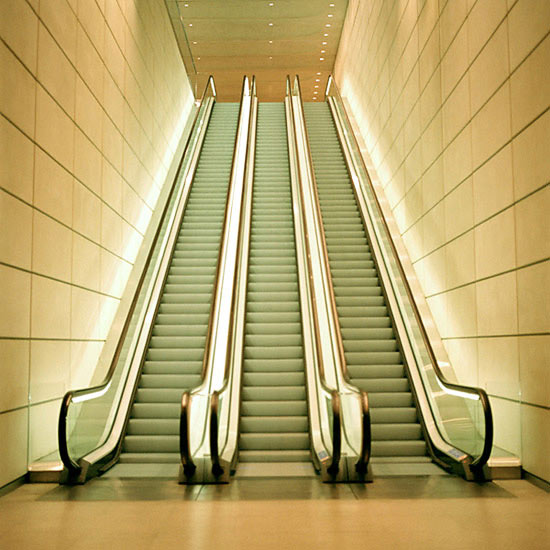

There are small moments in life when society quietly proves it can still function without a committee meeting, a group chat, or a laminated instruction manual. One of those moments happens on an escalator. You step on, hold the handrail, stand to one side if you are not walking, let the hurried people pass, step off without creating a human speed bump, and suddenly the world feels a little more civilized.
Good escalator etiquette may not sound dramatic. Nobody writes epic poems about a stranger who moved their backpack out of the way at the mall. But anyone who has ever been trapped behind a person texting diagonally across both sides of an escalator knows the truth: escalator manners matter. They keep people moving, reduce awkward bumping, help prevent falls, and make crowded public spaces feel less like a slow-motion obstacle course.
This is why “good escalator etiquette” deserves a spot on the list of everyday awesome things. It is practical, polite, and oddly satisfying. It is the tiny social agreement that says, “I see you, fellow traveler, and I will not block your path with my suitcase, stroller, shopping bags, or sudden need to stare into space.” Beautiful.
What Is Good Escalator Etiquette?
Good escalator etiquette is the mix of safety, courtesy, and common sense that helps everyone ride smoothly. It includes where to stand, how to pass, when to use the elevator instead, how to handle bags or children, and how not to become the person everyone silently writes a complaint letter about in their head.
At its simplest, escalator etiquette means paying attention. Escalators are moving machines, not decorative stairs with confidence issues. They carry a steady flow of people in airports, train stations, office towers, shopping centers, hotels, sports venues, and subway systems. A small mistake, like stopping at the top to check your phone, can create a pileup behind you. A small courtesy, like standing to the right so others can pass on the left, can make a busy commute feel much smoother.
The Golden Rule: Stand Right, Walk Left
In many U.S. transit systems, the classic escalator etiquette rule is simple: stand on the right, walk on the left. It works a lot like highway lanes, except nobody should be honking and everyone is hopefully wearing better shoes.
If you want to ride without walking, stand to the right, face forward, and hold the handrail. If you are walking, use the left side, keep moving carefully, and avoid rushing. This small habit gives people options. The tired person can rest. The late commuter can move. The family with shopping bags can stay organized. The person trying to catch a train can pass without turning into a human pinball.
That said, etiquette should never outrank safety. If the escalator is crowded, narrow, wet, malfunctioning, or full of people carrying luggage, walking may not be wise. In those moments, patience is the better move. No train, sale rack, or airport coffee is worth tripping over someone’s rolling suitcase.
Hold the Handrail Without Treating It Like Gym Equipment
Holding the handrail is one of the most repeated escalator safety tips for a reason: it helps you keep your balance. Escalators can stop suddenly, slow down, or jolt slightly. People can bump into you. Your own feet can betray you in ways that feel personal.
Good etiquette means using the handrail lightly and responsibly. Grip it for balance, but do not lean your full body weight on it, sit on it, slide down it, or use it as a dramatic movie-prop entrance. The handrail is there to help riders stay steady, not to launch a career in public acrobatics.
Also, be mindful of the people behind you. If you are carrying bags, keep one hand free when possible. If your hands are completely full, consider using the elevator. A calm elevator ride is much better than a juggling act involving coffee, luggage, and regret.
Step On and Off Like You Mean It
The beginning and end of an escalator are where many awkward moments happen. Good escalator manners start before your foot even touches the moving step. Look at the direction of travel, wait for a clear step, face forward, and step on carefully. Do not hover at the entrance while deciding whether this is your moment. Spoiler: it is either your moment or someone else’s ankle.
When you reach the end, step off promptly and keep moving. This is one of the most underrated rules of escalator etiquette. Stopping at the top or bottom to check your phone, adjust your bag, look for your friend, or mentally review your grocery list can block everyone behind you. The escalator does not stop delivering people just because you have entered “pause and ponder” mode.
Move a few steps away from the landing before you reorient yourself. Then check your map, text your friend, find the food court, or wonder why airport gates are always located approximately eight miles from where you are.
Keep Bags, Backpacks, and Luggage Under Control
Escalator etiquette gets more complicated when belongings enter the chat. Backpacks, tote bags, shopping bags, rolling suitcases, umbrellas, and sports equipment all take up space. The polite move is to keep items close to your body and out of the passing lane.
If you are wearing a backpack on a crowded escalator, avoid swinging around suddenly. A backpack can become an accidental wrecking ball with notebooks inside. If you have rolling luggage, keep it on the same step or one step below you, depending on its size and your balance. Do not let it drift backward like it is exploring independence.
Large carts, heavy loads, strollers, wheelchairs, walkers, and similar items generally belong in the elevator, not on an escalator. This is not just etiquette; it is safety. Escalators are designed for standing riders, not wheeled equipment. The elevator may feel slower, but it is the better choice when wheels, children, mobility devices, or heavy cargo are involved.
Escalator Etiquette With Kids
Children are naturally fascinated by escalators. To a kid, an escalator is basically a staircase that decided to become a theme-park ride. That is exactly why adults need to be extra careful.
Good escalator etiquette with children means holding their hands, helping them step on and off, and making sure they stand still. Children should not sit on escalator steps, play near the sides, touch the moving parts, or run up and down. Loose shoelaces, dangling clothing, soft shoes, and tiny fingers can all create risks near the edges and comb plates.
If a child is in a stroller, use the elevator instead. Carrying a stroller onto an escalator may look manageable for three seconds, right before it becomes a physics problem nobody wanted. The polite and safe choice is to avoid turning a moving staircase into a balancing challenge.
Personal Space Still Exists on an Escalator
Escalators can be crowded, but that does not mean personal space has been canceled. Good etiquette means giving the person ahead of you enough room to stand comfortably and step off safely. Standing one inch behind someone will not make the escalator move faster. It will only make you the mysterious backpack-breathing stranger in their personal space.
Leave at least one step between you and the next rider when possible. In heavy crowds, this may not always happen, but the principle still matters: avoid crowding, pushing, or leaning. If the person in front of you is moving slowly, do not tap, sigh loudly, or perform the impatient commuter shuffle. Wait for a safe chance to pass, or accept your fate with dignity.
Phone Etiquette: Look Up Before You Step Up
Phones are wonderful. They tell us where to go, who texted, what the weather is doing, and whether our delivery burrito has begun its heroic journey. But escalators are not the best place to become fully absorbed in a screen.
Before stepping onto an escalator, look up. While riding, keep your attention on your balance and surroundings. At the end, put the phone down long enough to step off and move away. A two-second pause in scrolling can prevent a surprisingly dramatic stumble.
Phone etiquette also includes sound. Do not blast videos, take speakerphone calls, or narrate your entire life story while surrounded by strangers who simply wanted to reach the second floor. Escalator rides are short. Your podcast can wait. Your group chat can survive. Your fellow riders will thank you silently, which is the official currency of public manners.
Do Not Block the Landing
The escalator landing is not a meeting room, photo spot, or family reunion zone. It is the exit path for everyone behind you. Blocking it is one of the quickest ways to turn a normal ride into a comedy sketch with real consequences.
Once you step off, keep moving. If you need to stop, move to the side first. This is especially important in train stations, airports, and malls during busy hours. People behind you may be carrying bags, managing children, or trying to keep their balance. They cannot politely levitate over you, no matter how much everyone wishes that technology existed.
When to Take the Elevator Instead
Good escalator etiquette includes knowing when not to use the escalator. Choose the elevator if you have a stroller, wheelchair, walker, crutches, a heavy cart, bulky luggage, or anything that makes stepping on and off difficult. Also consider the elevator if you feel unsteady, are helping someone who needs extra support, or simply do not feel comfortable using the escalator.
This is not a defeat. It is smart navigation. Elevators exist for access, safety, and convenience. Taking one when it better fits your situation is a public-service move, not a personal failure. Nobody gets a trophy for wrestling a stroller onto a moving staircase.
Escalator Etiquette in Airports, Malls, and Transit Stations
Airports
Airport escalators are a special ecosystem. Everyone is carrying luggage, nobody knows exactly where gate B47 is, and at least one person is trying to drink coffee while reading a boarding pass. Good etiquette here means keeping bags close, standing right if you are not walking, and stepping off with purpose. If you need to reorganize your documents, move away from the landing first.
Malls
Mall escalators are slower in spirit, even when the machinery is the same. People browse, chat, and carry shopping bags. The key etiquette rule is awareness. Do not block both sides with a group. Do not stop at the top to debate lunch. Keep children close, and keep bags from swinging into other shoppers.
Transit Stations
Transit escalators are where etiquette becomes a tiny act of urban kindness. People may be rushing for trains or buses. Standing to the right, walking carefully on the left, and clearing the landing quickly can make a real difference. It helps crowds flow and reduces the tension that builds when hundreds of people are moving through the same narrow space.
The Unwritten Rules Nobody Posts on a Sign
Some escalator manners are official safety guidance. Others are unwritten rules learned through experience, mild embarrassment, and watching one too many people stop at the top like they have reached the edge of civilization.
First, do not walk side by side if people are trying to pass. A romantic escalator formation may be cute in a movie, but during rush hour it becomes a two-person traffic jam. Second, keep conversations compact. You can talk, of course, but avoid turning around dramatically while riding. Facing forward is safer and less likely to make your tote bag attack someone.
Third, do not cut in aggressively at the entrance. Escalator boarding should not look like a Black Friday doorbuster event. Take your turn, step confidently, and let people with mobility needs, children, or heavy bags have space. Fourth, if someone makes a small mistake, be patient. We all have moments when our brains buffer like old internet. A little grace keeps public life pleasant.
Why Good Escalator Etiquette Feels So Awesome
Good escalator etiquette feels awesome because it is cooperation without conversation. Nobody has to announce a plan. Nobody has to lead a workshop called “Moving Staircase Harmony 101.” People simply notice one another and adjust.
That is rare and refreshing. In a busy world, escalator manners are a tiny reminder that public spaces work best when we think beyond ourselves. Stand right. Walk left when safe. Hold the handrail. Keep kids close. Move away from the exit. These are small behaviors, but they create a smoother experience for everyone.
There is also something deeply satisfying about seeing it done well. A crowded station escalator where everyone naturally forms two lanes is oddly beautiful. It is choreography with backpacks. It is civic ballet with coffee cups. It is proof that humans can coordinate without shouting, which honestly deserves confetti.
Common Escalator Etiquette Mistakes to Avoid
One common mistake is stopping immediately after stepping off. This creates a backup and can be dangerous, especially when the escalator keeps moving behind you. Another mistake is blocking the passing side with bags, a group, or a casual full-body lean. If you are standing, keep to the right where that convention is used.
Running on escalators is another bad idea. It may feel efficient, but it increases the chance of tripping or bumping someone. The same goes for riding barefoot, dragging feet near the edges, sitting on steps, leaning over the sides, or playing with the handrail. These actions are not quirky. They are invitations for trouble, and trouble already has enough calendar availability.
Another overlooked mistake is ignoring loose clothing and shoelaces. Before stepping on, check that long scarves, untied laces, wide pant hems, and dangling straps are not near the moving sides. It takes only a moment, and it keeps the ride safer and smoother.
A Simple Escalator Etiquette Checklist
Before you step on, look at the direction of travel and make sure your shoes, bags, and clothing are secure. As you board, face forward and hold the handrail. If you are standing, stay to the right where local custom encourages it. If you are walking, pass on the left carefully and never run.
During the ride, keep children close, avoid blocking others, and pay attention to your surroundings. At the end, step off promptly and move away from the landing. If you have a stroller, wheelchair, walker, heavy cart, or bulky load, choose the elevator. That is the entire etiquette checklist, and it is easier than assembling flat-pack furniture, parallel parking, or choosing a streaming show everyone agrees on.
Extra Experiences: The Everyday Joy of Good Escalator Etiquette
The best escalator etiquette experiences often happen when nobody says a word. Picture a packed subway station at 8:15 on a weekday morning. Everyone is half-awake, holding coffee like it contains the meaning of life. The escalator rises from the platform, and suddenly people fall into the perfect rhythm: standers on the right, walkers on the left, bags tucked in, eyes forward. Nobody cheers. Nobody claps. But the whole system works, and for thirty seconds, civilization feels like it deserves a gold star.
Then there is the airport version. A traveler with a rolling suitcase steps onto the escalator, keeps the bag close, and leaves room for others to pass. Behind them, someone rushing for a connection moves up the left side, says a quick “excuse me,” and keeps going. No suitcase collisions. No passive-aggressive sighing. No dramatic reenactment of a luggage commercial gone wrong. Just clean, polite movement. It is not glamorous, but it is excellent.
Good escalator etiquette also shines in small acts of awareness. Someone notices an older rider stepping on carefully and gives them extra space. A parent takes a child’s hand before boarding. A group of friends, mid-conversation, naturally shifts into a single line instead of spreading across the whole escalator like a parade float. These moments are easy to miss, but they make public places feel less stressful.
One of the funniest escalator experiences is watching a person realize, in real time, that they are blocking the lane. They glance back, see a small traffic jam forming, and perform the universal apology shuffle: quick step to the right, tiny smile, maybe a whispered “sorry.” The crowd flows again. No trial is held. No one is sentenced. The escalator community forgives and moves on.
There is also a special kind of relief when someone clears the landing quickly. You reach the top expecting the usual chaos, but the person ahead keeps walking, moves to the side, and checks their phone away from the exit. It feels like finding an empty checkout lane or discovering fries at the bottom of the takeout bag. Small thing, big happiness.
Good escalator etiquette is awesome because it turns a shared machine into a shared courtesy. It makes strangers briefly cooperate. It saves time without demanding speed. It protects safety without making life feel stiff or formal. Most of all, it reminds us that manners are not about being fancy. They are about making everyday life a little easier for the next person.
And when enough people do that, even something as ordinary as an escalator becomes wonderful. A moving staircase carries us upward, and good etiquette carries the mood with it. That is why #845 belongs on the list: good escalator etiquette is quiet, useful, surprisingly charming, and absolutely one of those tiny awesome things.
Conclusion
Good escalator etiquette is not complicated, but it makes a noticeable difference. Stand to the right when you are not walking, pass carefully on the left when it is safe, hold the handrail, keep your belongings close, help children and older riders, and move away from the landing as soon as you step off. These small habits reduce crowding, prevent awkward moments, and help everyone travel with less stress.
In a world full of loud opinions and crowded places, good escalator manners are refreshingly simple. They are proof that kindness can be practical, safety can be stylish, and even a ride between floors can become a tiny example of people doing the right thing together.