
Some design ideas arrive like fireworks: loud, glittering, and gone before you find the receipt. Others settle into a room with the calm confidence of a person who never needs to shout at a dinner party. That is the charm behind Current Obsessions: Eternally Modern: the objects, materials, colors, and habits that feel fresh now but refuse to expire next season.
“Eternally modern” does not mean cold, empty, or so minimal that your sofa looks afraid to make friends. It means living with pieces that are useful, beautiful, well-made, and flexible enough to survive changing tastes. Think warm wood, honest materials, sculptural furniture, personal art, smart storage, tactile textiles, and lighting that makes humans look alive rather than like they are being interrogated.
Modern design has always been at its best when it solves real-life problems gracefully. The icons we still admireEames lounge chairs, Noguchi tables, Saarinen pedestal tables, Womb chairs, built-in shelving, simple kitchens, and airy roomsendure because they combine comfort with clarity. They are not just “pretty.” They work. And working well is, frankly, very attractive.
What Does “Eternally Modern” Really Mean?
An eternally modern interior is not trapped in one decade. It borrows the intelligence of midcentury modern design, the warmth of natural materials, the calm of minimalism, and the character of vintage pieces. The result is a home that feels current without looking like it was assembled entirely from this month’s trend report.
The key idea is longevity. If a piece has clean lines, strong proportions, quality construction, and emotional staying power, it has a good chance of becoming a long-term obsession. If it only looks exciting because everyone on social media bought the same version last Tuesday, perhaps give it a polite wave and continue walking.
Why Modern Design Keeps Coming Back
Modern design remains popular because it answers a question most people quietly ask every day: “How can my home look good without making my life harder?” The best modern spaces are clear, flexible, and human. They leave room for movement, conversation, cooking, reading, resting, and occasionally hiding from emails with suspicious urgency.
Midcentury modern design, especially, has never fully disappeared. Its open layouts, warm woods, tapered legs, organic shapes, and emphasis on function still feel relevant in apartments, suburban homes, studios, offices, and even tiny kitchens where the toaster has more real estate than the cook.
Function Is the Secret Luxury
A modern room should earn its square footage. A pedestal table removes visual clutter. A modular sofa adapts to guests, naps, and movie nights. A wall-mounted shelf frees the floor. A good reading lamp saves your eyes and your mood. Eternally modern design is not about owning expensive things; it is about choosing things that make daily life smoother.
Beauty Should Not Require a Warning Label
There is a special kind of stress that comes from owning furniture you are afraid to touch. Eternally modern style rejects that. Stone, wood, leather, linen, wool, ceramic, glass, metal, and plaster all develop character with use. A small scratch on real wood is patina. A scratch on cheap laminate is a tiny tragedy with sharp edges.
Current Obsession #1: Warm Woods With Architectural Presence
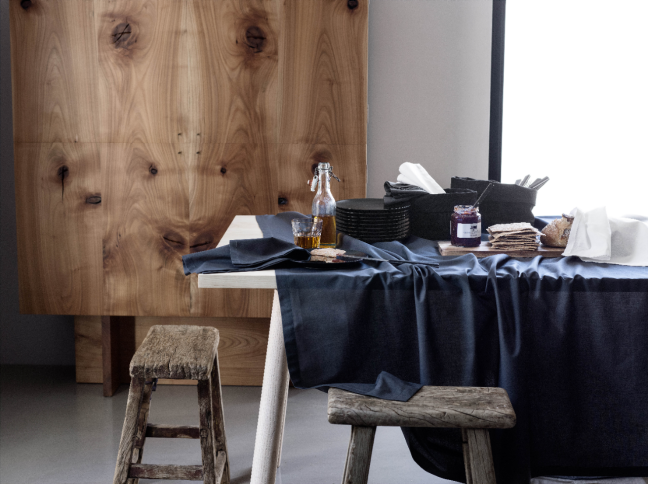
For years, pale woods and all-white spaces dominated interiors. They still have their place, but richer woods are having a well-deserved comeback. Walnut, smoked oak, mahogany, teak, and stained red oak bring depth, grain, and a sense of permanence to modern rooms.
Dark wood works especially well when paired with clean silhouettes. A walnut dining table with simple chairs can feel both contemporary and classic. Wood cabinetry with minimal hardware can make a kitchen look grounded rather than glossy and showroom-stiff. The trick is balance: let the wood be warm, but keep the lines disciplined.
Current Obsession #2: Iconic Chairs That Actually Invite Sitting
Design lovers adore chairs because a chair is basically a personality test with legs. Some say, “I enjoy long conversations.” Others say, “Please admire me from a distance because comfort was not invited.” Eternally modern chairs do both: they look sculptural and feel useful.
The Eames Lounge Chair and Ottoman, introduced in the 1950s, remains beloved because it updates the idea of the classic club chair with molded plywood, leather, comfort, and a relaxed silhouette. It looks polished without becoming stiff. The Womb Chair, created by Eero Saarinen for Knoll, endures because it embraces the sitter instead of forcing one perfect posture. The Tulip Chair and Saarinen Pedestal Table continue to feel crisp because they simplify the mess of legs under a table into one sculptural base.
These pieces are famous, but the lesson is broader: a timeless chair has personality, proportion, and comfort. Even if you do not buy a design icon, look for those qualities. Your spine deserves design literacy too.
Current Obsession #3: Sculptural Tables With Quiet Drama
A great modern table is not just a surface; it is a small piece of architecture. The Noguchi coffee table is a perfect example of this idea. With a glass top and curved wooden base, it feels like sculpture that politely agreed to hold your book, your coffee, and possibly three remote controls no one understands.
Sculptural tables work because they add movement without clutter. A round pedestal dining table softens a boxy room. A low glass coffee table keeps sight lines open. A chunky stone side table introduces weight and texture. The best tables are simple enough to live with and distinctive enough to make a room feel considered.
Current Obsession #4: Natural Stone, Quartzite, and Honest Surfaces
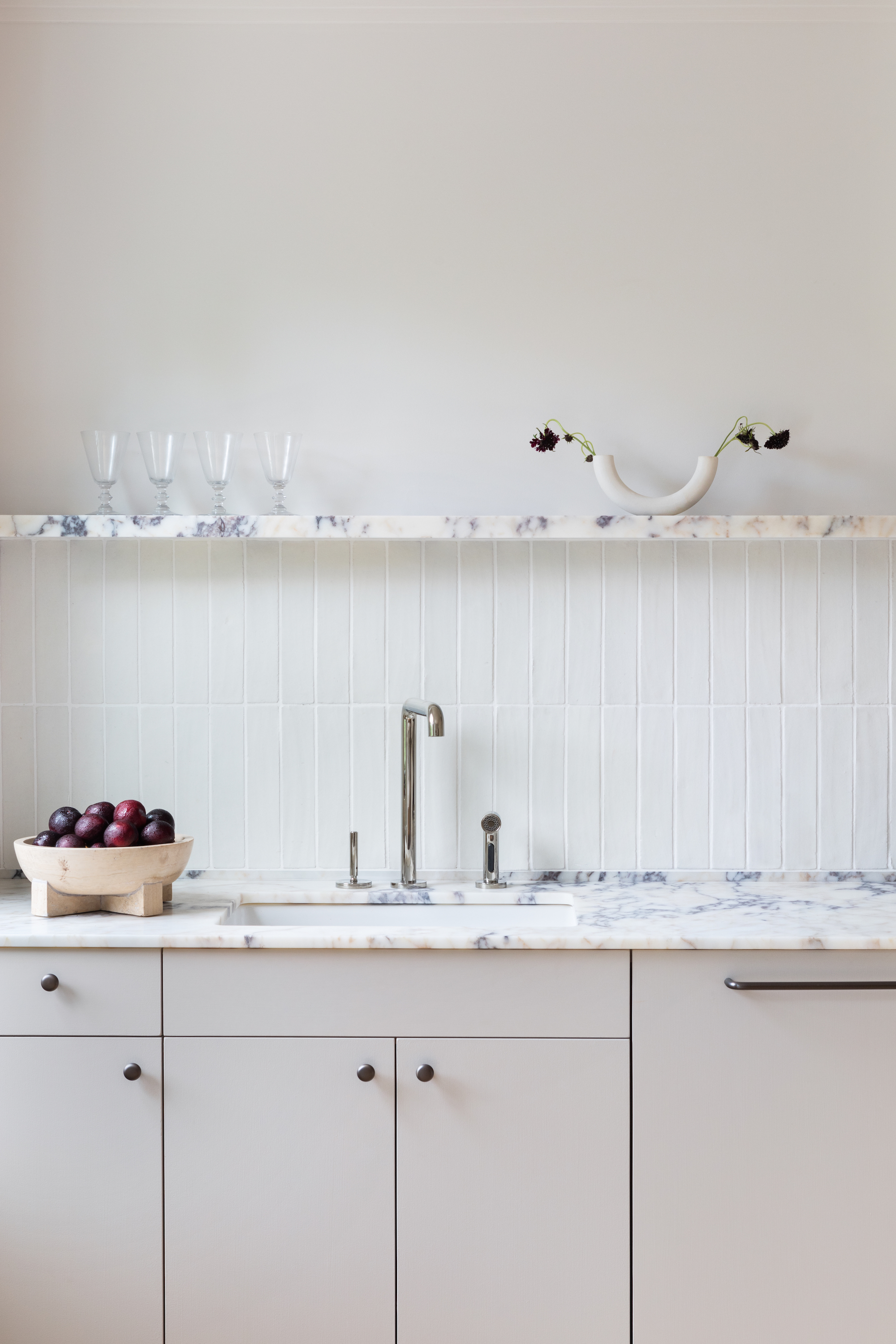
Modern design is moving away from surfaces that merely imitate quality. Homeowners and designers are paying more attention to materials that can handle real use: quartzite, marble, soapstone, limestone, terrazzo, handmade tile, limewash, plaster, and wood. These materials have depth. They catch light differently throughout the day. They also do not panic when paired with older furniture.
Quartzite is especially appealing in kitchens because it offers natural veining and durability. Marble remains beautiful, but it asks for more patience. If marble were a houseguest, it would be glamorous and slightly high-maintenance. Quartzite is the elegant friend who also knows how to carry groceries.
Current Obsession #5: Soft Minimalism Instead of Empty Minimalism
Minimalism once meant removing almost everything until the room looked spiritually committed to silence. Today’s better version is softer. It keeps the visual clarity but adds warmth, texture, and human evidence.
Soft minimalism might include a low sofa in oatmeal linen, a dark wood coffee table, handmade ceramic bowls, one excellent floor lamp, a textured rug, and art that means something. The room still breathes. It just no longer feels like it is waiting for a museum guard.
How to Get the Look
Start by reducing visual noise, not personality. Hide cords, edit clutter, choose closed storage where needed, and keep surfaces intentional. Then add texture: wool, cotton, linen, boucle, rattan, leather, plaster, stone, and wood. Soft minimalism is not about deprivation. It is about giving every object a reason to stay.
Current Obsession #6: Vintage Pieces That Prevent Showroom Syndrome
A perfectly matched room can feel efficient, but it can also feel like nobody lives there except a catalog photographer with excellent posture. Vintage pieces bring irregularity, history, and charm. A vintage lamp, antique mirror, weathered bench, old wooden stool, or inherited table can make a modern room feel layered rather than freshly unboxed.
The goal is not to turn your home into a time capsule. Mix old and new. Pair a sleek sofa with a vintage sideboard. Hang contemporary art over an antique console. Put a handmade ceramic vase on a modern metal shelf. The tension is what makes the room interesting.
Current Obsession #7: Kitchens That Look Calm and Work Hard
An eternally modern kitchen is less about flashy finishes and more about order, proportion, and material honesty. Flat-front cabinetry, integrated storage, durable counters, warm wood, simple hardware, and good lighting never go out of style because they make cooking easier and cleaning less dramatic.
Midcentury-inspired kitchens continue to feel fresh because they combine efficient layouts with personality. Wood cabinets, slim pulls, colorful tile, built-in banquettes, globe lights, and open shelves used sparingly can make a kitchen feel cheerful without overwhelming the eye. The key phrase is “used sparingly.” Open shelving is lovely until every cereal box becomes part of the design scheme.
Current Obsession #8: Lighting as Architecture
Lighting is one of the fastest ways to make a modern room feel finished. A single overhead light may technically illuminate a space, but so does lightning, and nobody calls that cozy. Eternally modern interiors use layers: ambient lighting, task lighting, accent lighting, and sculptural fixtures that double as art.
Try a paper lantern over a dining table, a slim floor lamp beside a reading chair, wall sconces in a hallway, under-cabinet lighting in a kitchen, and a small table lamp where you least expect it. Good lighting adds depth, flatters materials, and makes everyone look like they slept eight hours. A miracle, really.
Current Obsession #9: Personal Art Over Generic Wall Filler
Modern walls do not need to be blank, but they do need intention. Generic prints, slogan art, and mass-produced gallery walls can make a room feel impersonal. Instead, choose art that carries memory, humor, beauty, or curiosity.
That might mean a framed black-and-white photograph, a textile, a drawing from a local artist, a vintage poster, a child’s painting in a serious frame, or a small collection of objects mounted with care. Personal art gives a modern interior emotional gravity. It says, “Someone lives here,” not “This wall was afraid of silence.”
How to Build an Eternally Modern Room
Start with the bones: layout, light, storage, and flow. A beautiful chair in the wrong spot is just an obstacle with upholstery. Once the room works, choose one or two anchor pieces with strong shapes. Add natural materials for warmth. Layer textiles for comfort. Bring in vintage or handmade objects for character. Finish with lighting and art.
Color should support the mood. Warm neutrals, earthy browns, olive green, clay, cream, charcoal, navy, burgundy, ochre, and muted blue all work beautifully in modern interiors. Bright color can absolutely belong, but it should feel deliberate. One cobalt lamp? Wonderful. Twelve neon accessories fighting for leadership? Perhaps a committee meeting is needed.
A Simple Formula
Use this easy ratio: one strong silhouette, two natural materials, three textures, one personal object, and lighting from at least two sources. It sounds almost too simple, but it works. The best modern rooms are rarely complicated; they are edited with care.
What to Avoid If You Want a Timeless Modern Home
Avoid buying everything from one collection. Matching sets can flatten a room. Avoid trendy finishes that you already suspect you may dislike in a year. Avoid materials that look good only in photos. Avoid furniture that sacrifices comfort for drama. And avoid designing for imaginary guests while ignoring your actual life.
Your home should support the way you live. If you eat on the sofa, choose a practical coffee table. If you have pets, consider performance fabrics. If you work from home, invest in a real chair. If you cook often, prioritize durable counters and easy storage. Timeless design is not separate from daily life; it is daily life made more graceful.
Experience Notes: Living With the Eternally Modern Mood
The most useful thing I have learned from observing modern interiors is that the best rooms rarely reveal themselves all at once. They improve slowly, the way a good playlist gets better after you remove the songs you kept skipping. An eternally modern room is built through editing, not panic-buying. You notice what works, what annoys you, where the light lands at 4 p.m., which chair everyone fights over, and which “decorative” bowl has become a permanent home for keys, coins, and one mysterious screw.
One practical experience that always changes a room is upgrading lighting before buying more decor. A plain room with layered lighting can feel expensive. An expensive room with bad lighting can feel like a dentist’s lobby with throw pillows. Add a floor lamp, warm bulbs, a shaded table lamp, or dimmers, and suddenly the sofa looks softer, the wood looks richer, and your face looks less like it has been rendered by office equipment.
Another lesson: natural materials are forgiving in a way synthetic lookalikes often are not. A real wood table can survive years of meals, laptops, homework, and late-night snacks. It may collect marks, but those marks become part of its story. A flimsy veneer table, however, can look wounded after one enthusiastic coffee mug. The same is true for linen, wool, stone, ceramic, leather, and metal. They age. They do not merely deteriorate.
Vintage pieces also make modern rooms easier to love. Even one old object can interrupt the too-perfect feeling that comes from buying everything new. A vintage stool beside a bathtub, a secondhand credenza under a television, a framed flea-market sketch in a clean-lined hallway, or a weathered wooden bowl on a marble counter can give the room a pulse. The contrast makes the modern pieces look sharper and the older pieces look intentional.
Finally, comfort matters more than the photograph. A room can be visually stunning and still fail if no one wants to sit down. The eternally modern approach respects the human body. Chairs should welcome. Tables should be reachable. Rugs should feel good under bare feet. Kitchens should allow movement. Bedrooms should calm the nervous system, not audition for a boutique hotel that charges extra for Wi-Fi.
That is why “Current Obsessions: Eternally Modern” feels so relevant now. People are tired of disposable trends, fast furniture, and rooms that look impressive but live poorly. The new obsession is not really new at all: quality, comfort, clarity, warmth, and personality. In other words, modern design has grown up, put on a beautiful wool sweater, learned to cook, and finally stopped pretending that a single white chair in an empty room is a lifestyle.
Conclusion
Eternally modern design is not about freezing your home in a midcentury museum or chasing every fresh trend with a credit card in one hand and measuring tape in the other. It is about choosing pieces, materials, and ideas that stay useful and beautiful over time. The strongest modern interiors balance clean lines with warmth, iconic shapes with personal details, and visual calm with real comfort.
Whether you are drawn to the sculptural elegance of a Noguchi-style table, the cozy intelligence of a Womb-inspired chair, the quiet strength of walnut cabinetry, or the lived-in charm of vintage accents, the goal is the same: create a space that feels current today and still makes sense years from now. That is the real magic of eternally modern style. It does not beg for attention. It simply keeps looking good while everything else gets replaced.