
Some rooms whisper. Some rooms sing. And then there are rooms with chairs of different colorsthe rooms that wink at you the moment you walk in. A blue chair near a walnut table, a mustard seat across from a white slipcovered armchair, a moss-green accent chair hanging out like it owns the place. Somehow, it all works. Or at least it can, when color is used with purpose instead of panic.
For years, people treated chairs like background actors. They had one main job: sit there and behave. But today, chairs are allowed to have personalities. They can be calm, dramatic, playful, elegant, or a little delightfully weird. Different-colored chairs are no longer a decorating mistake waiting to happen. They are a flexible design move that can make a room feel collected, personal, and alive.
This is not about turning your dining room into a crayon box explosion. It is about understanding how color works with furniture, lighting, materials, and mood. When done well, chairs of different colors can add movement, soften a room that feels too “showroom,” and create a layered look that feels more human than perfect. And honestly, a room with a little personality usually wins over a room that looks like it is terrified to get fingerprints.
Why Different-Colored Chairs Work So Well
Chairs are one of the easiest furniture pieces to use for color because they are visual anchors without being overwhelming. A sofa makes a giant commitment. A chair says, “Let’s try something interesting and see how dinner goes.” That lower level of risk is exactly why chairs are such powerful style tools.
Different chair colors create contrast, and contrast keeps a room from feeling flat. If every piece in a room is the same wood tone, same fabric family, and same value, the eye glides through without pausing. That can be peaceful, sure, but it can also look sleepy. Color variation adds rhythm. It gives the eye places to land. It turns furniture into composition.
There is also a practical reason this approach works: chairs often come in sets, but real homes are rarely as matchy-matchy as store displays. People inherit chairs, repaint them, reupholster them, swap out broken ones, or find a vintage gem that refuses to leave the antique store without them. Different-colored chairs embrace that reality. Instead of fighting it, they turn it into style.
The Secret: Cohesion Beats Matching
The biggest myth in decorating is that everything has to match. It does not. It has to relate. Matching is easy. Cohesion is smarter.
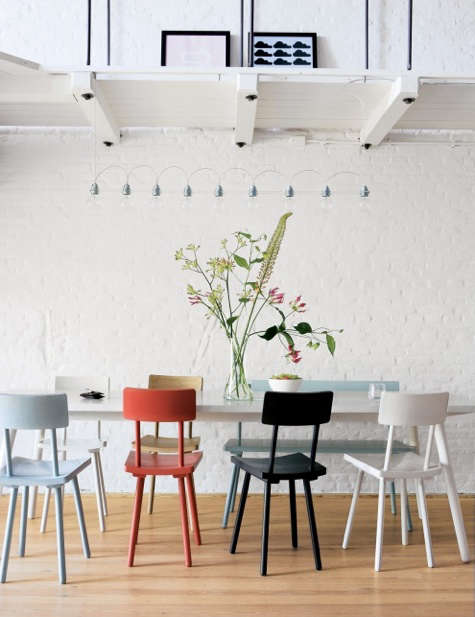
If you want chairs of different colors to look intentional, give them a common thread. That thread can be shape, material, finish, scale, or fabric texture. Maybe the chairs are all the same silhouette but in different colors. Maybe they are all wooden frames with varied upholstered seats. Maybe the colors are different, but they all lean warm and earthy. The point is that something should connect them behind the scenes.
Think of it like a friend group. Nobody needs to dress identically, but if one person is in a tuxedo, another is in cleats, and a third is wearing a banana costume, the dinner reservation may become difficult. The same principle applies to chairs.
Easy Ways to Create Cohesion
- Use one chair style in multiple colors.
- Keep all chair legs the same finish, such as black metal or medium oak.
- Repeat one accent color elsewhere in the room through art, pillows, rugs, or curtains.
- Stick to one color family, such as jewel tones, pastels, earth tones, or muted neutrals.
- Choose fabrics with similar texture, even if the colors change.
How Color Changes the Mood of a Room
Color is not just decorative. It changes how a space feels. That matters because chairs sit close to people. A bright chair is not just an objectit becomes part of the emotional temperature of the room.
Blue chairs often feel calm, tailored, and reliable. They work beautifully in dining rooms, reading corners, and living rooms where you want a little polish without stiffness. Green chairs bring a natural, grounded feeling. Olive and sage feel sophisticated, while emerald leans more glamorous. Yellow chairs bring energy and warmth, though they usually work best as accents rather than a full room takeover unless you are deeply committed to sunshine at all times.
Red and orange chairs are bold and social. They can add appetite, conversation, and drama, which is why they can be fabulous in dining spaces. Pink chairs range from soft and romantic to punchy and contemporary depending on saturation and fabric. Brown, tan, cream, and greige chairs are the quiet professionals of the furniture world: versatile, hardworking, and almost always invited back.
The finish matters too. A velvet navy chair feels richer than a navy-painted bentwood chair. A matte black chair feels modern and graphic, while a glossy black chair can feel more glamorous. Color is only half the story; material tells the other half.
Best Rooms for Chairs of Different Colors
Dining Rooms
Dining rooms are the natural home of mixed-color chairs. Since chairs usually repeat around a table, even a small change in color creates a strong visual effect. You can alternate two colors around the table for a tidy look, use one bold color at the heads and a softer tone on the sides, or go fully eclectic with a carefully curated mix.
For example, a natural oak table can handle a lot: dusty blue chairs, warm white slip seats, camel leather host chairs, or even a blend of black and olive. If the table is dramaticsay, dark wood or stonechairs in softer or muted tones can keep the room from feeling too heavy.
Living Rooms
Accent chairs are where color gets to show off. A neutral sofa paired with two different-colored chairs can make a living room feel designed rather than default. One rust chair and one deep green chair can look beautiful together if the rug, throw pillows, or artwork quietly support the pairing.
If your living room is small, use lighter chair colors or open-framed chairs to avoid visual bulk. In larger rooms, saturated colors can help the seating area feel more defined and welcoming.
Bedrooms and Home Offices
Bedrooms benefit from a single colorful chair that adds softness without clutter. A blush, moss, or slate-blue chair near a window can make the room feel complete. In home offices, different-colored chairs can separate zones: one task chair for work, one lounge chair for reading, each with its own tone and purpose.
Popular Color Combinations That Actually Work
Choosing different chair colors becomes much easier when you work from combinations that already have built-in balance. Here are some pairings that feel stylish instead of accidental:
Blue and Brown
A classic mix that feels grounded and timeless. Blue adds freshness; brown adds warmth. Great with walnut, oak, brass, and cream walls.
Green and White
Clean, crisp, and nature-inspired. Green chairs with white or off-white companions feel airy and elegant, especially in rooms with natural light.
Black and Natural Wood
This combination delivers contrast without chaos. Black chairs feel strong and graphic, while natural wood keeps the room from becoming too stark.
Mustard and Gray
Mustard adds cheer, gray calms it down, and together they feel modern without trying too hard. A very useful combo when you want energy with maturity.
Terracotta, Olive, and Cream
Earthy, relaxed, and current. These tones work especially well with linen textures, plaster walls, and rooms that want to feel cozy but elevated.
Soft Pink and Burgundy
One is gentle, one is dramatic. Together, they create depth and feel surprisingly grown-up, especially with warm woods and brushed metal finishes.
How to Choose Chair Colors Without Losing Your Mind
Start With What Already Exists
Before choosing chair colors, look at the room you already have. Floors, wall color, rugs, art, curtains, and major furniture pieces all matter. The smartest chair color choices often come from repeating or complementing those existing elements. If a rug contains rust, navy, and cream, the chairs do not need to invent a whole new color story. They can simply join the conversation.
Use the 60-30-10 Mindset
This decorating rule is helpful, even if you bend it. Let the room have a dominant color, a secondary color, and a smaller accent. Chairs often live beautifully in that secondary or accent role. That is why a room can handle colorful chairs without feeling chaoticthey are part of a broader color distribution, not random floating decisions made after midnight.
Think About Light
Natural light changes everything. A chair color that looks soft and elegant in a bright showroom can look muddy in a north-facing room. Darker rooms often benefit from warmer or clearer hues, while bright rooms can handle more depth and contrast. Always test with swatches, fabric samples, or at least a little humility.
Match the Color Intensity
You can mix different colors more easily when their intensity is similar. Muted blue, muted green, and muted clay usually get along. Neon yellow and dusty taupe? That relationship needs counseling.
Materials Matter as Much as Color
The same color can feel completely different depending on the material. A leather cognac chair feels masculine and classic. A linen chair in a similar tone feels softer and more coastal. Velvet makes colors look richer and deeper. Cane, wicker, and rush seats introduce natural variation that can help colorful rooms feel more breathable.
Painted wood chairs are often great for kitchens, breakfast nooks, and casual dining rooms because they bring color in a crisp, practical way. Upholstered chairs work especially well when you want softness, comfort, or a more luxurious feel. Acrylic or metal chairs can also be useful when you want contrast without adding visual heaviness.
Common Mistakes to Avoid
- Using too many unrelated colors: Variety is good. Confusion is not.
- Ignoring scale: A giant club chair and three delicate café chairs may fight each other, even if the colors are beautiful.
- Forgetting comfort: A gorgeous chair that nobody wants to sit in is decorative guilt.
- Skipping repetition elsewhere: If chair color appears nowhere else in the room, it can feel disconnected.
- Going trendy without a plan: A hot color is fun, but it should still make sense with your home and taste.
Styling Tips for a Polished Look
Once the chairs are in place, styling helps everything click. Add a rug that contains at least one of the chair tones. Use art that repeats a shade or two. Bring in a pillow, vase, lamp base, or curtain trim that quietly echoes the palette. These little callbacks make the room feel intentional.
Also, remember that negative space matters. If your chairs are colorful, let some surrounding elements rest. A room does not need every surface auditioning for the lead role. Colorful chairs shine brightest when they have a little breathing room.
of Experience: Living With Chairs of Different Colors
The first time I saw chairs of different colors used well, I understood why people get emotionally attached to furniture. It was not in a mansion. It was not in a magazine-perfect house with a stylist hiding in the pantry. It was in a real dining room where the table had scratches, the dog had opinions, and one chair always ended up holding someone’s sweater. Around that table were six chairs in different shades: two blue, one green, one rust, one cream, and one wood-and-cane piece that looked like it had stories to tell. Nothing matched exactly, yet everything felt deeply right.
What made the room memorable was not the colors alone. It was the feeling those colors created. The blue chairs felt calm. The rust chair added warmth. The green one made the room feel connected to the plants by the window. The cream chair kept things light. Together, they turned an ordinary table into a place with energy. You did not sit down and think, “Nice seating arrangement.” You sat down and thought, “I could stay here a while.”
That is the real magic of different-colored chairs: they make furniture feel less like a purchase and more like a collection of choices. Over time, people add pieces for different reasons. One chair is bought for comfort. Another is inherited. Another is rescued from a flea market and repainted during a weekend burst of confidence. Another is chosen simply because it makes you smile. The room becomes layered with decisions, and those decisions create character.
In everyday life, this kind of setup is surprisingly practical. If one chair gets stained, scratched, or replaced, the room does not collapse aesthetically. There is flexibility built into the design. It is also easier to update over time. Swap out one mustard chair for olive, or reupholster a faded seat in a textured neutral, and suddenly the whole room feels refreshed without needing a total furniture overhaul.
There is also something emotionally generous about rooms with varied chairs. They feel less formal, more welcoming. Guests do not seem worried about sitting in the “wrong” spot because there is no one perfect chair. Or maybe every chair feels a little special in its own way. Some people pick their seat based on color mood. The person who wants coziness goes for camel leather. The one who likes drama chooses deep blue velvet. The sunny person somehow always ends up in mustard.
Different-colored chairs also age well because they resist the stiffness of trends. A fully matched set can start to feel frozen in a particular year. A more mixed arrangement evolves. It can absorb new art, a different rug, fresh paint, or changing tastes. It grows with the home instead of trapping it.
Most of all, chairs of different colors remind us that beautiful rooms do not need to be rigid. They can be playful and thoughtful at the same time. They can hold contrast. They can balance quiet tones with bold ones. They can look collected, lived in, and still polished. And in a world full of rooms trying very hard to be perfect, there is something refreshing about a room that simply looks happy someone lives there.
Conclusion
Chairs of different colors are not just a trend or a shortcut for people who cannot find a matching set. They are a smart, expressive way to bring depth, warmth, and personality into a room. The key is not perfection. It is connectionbetween colors, materials, scale, and mood. When those elements work together, colorful chairs can make a space feel layered, welcoming, and unmistakably your own.
So whether you start with two contrasting accent chairs in a living room or build a dining area around a joyful mix of tones, do not be afraid of a little variety. Furniture should support life, not boss it around. And sometimes the chair that breaks the color rules is exactly the one that makes the room make sense.
SEO Tags