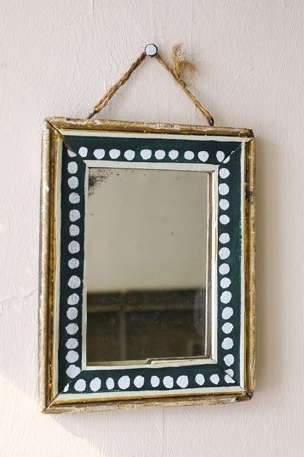

Some home details whisper. Others politely clear their throat and ask why your mirror looks like it has been standing in the corner without jewelry. An adhesive frieze belongs to the second group. It is small, slim, decorative, and surprisingly capable of making a plain wall, window frame, floor edge, molding, or mirror feel considered rather than merely “there.”
The phrase “Walls, Windows & Floors: Adhesive Frieze from the Collection” points to a specific kind of decorative magic: hand-finished adhesive borders inspired by the old architectural frieze but redesigned for modern interiors. Instead of carving plaster, commissioning millwork, or convincing your budget that gold leaf is a basic household need, you can use an adhesive frieze to add pattern, shine, rhythm, and historical charm in a much simpler way.
The original inspiration comes from hand-finished adhesive friezes designed by the French art duo Farfelus Farfadets for The Collection, a Paris shop associated with Allison Grant. These pieces were made with Japanese paper and gold leaf and could be applied along walls, moldings, and mirror frames. That combination of modest scale and decorative drama is exactly why adhesive frieze decor deserves a second look. It is part wallpaper border, part architectural trim, part art project, and part “I swear this room looked boring yesterday.”
What Is an Adhesive Frieze?
A traditional frieze is a long horizontal decorative band used in architecture. In classical buildings, it sits above the architrave and below the cornice. In interiors, the term has expanded to describe a narrow decorative strip placed near the ceiling, above picture rails, around walls, or along architectural features.
An adhesive frieze takes that old idea and gives it a peel-and-place personality. Rather than being carved, painted, or permanently installed, it is typically made as a decorative strip with an adhesive backing. Depending on the design, it may look like gilded trim, illustrated paper, patterned wallpaper border, faux tile, botanical ornament, or a hand-painted accent.
Think of it as a decorative sentence running across a room. A wall is the paragraph. A window is the punctuation. The adhesive frieze is the elegant underline that says, “Yes, I meant to do that.”
Why Adhesive Friezes Work So Well in Modern Interiors
The modern home has a strange relationship with detail. We love clean spaces, but we also complain when they feel cold. We admire minimalism, then buy twelve throw pillows because the room needs “something.” Adhesive frieze decor solves this problem by adding detail without visual chaos.
1. It Adds Architecture Where There Is None
Many newer homes and apartments have flat drywall, simple window casings, and basic floors. There is nothing wrong with that, but the eye often craves structure. A decorative adhesive frieze can create the impression of trim, paneling, or a finished border without carpentry. Applied near the ceiling, it can mimic a classic frieze line. Applied around a mirror, it can make a basic frame look antique. Applied along a built-in shelf, it can make flat surfaces feel custom.
2. It Is Flexible Enough for Renters
Permanent wallpaper and molding can be intimidating, especially in rentals. Peel-and-stick or adhesive decorative strips offer a lower-commitment alternative. They can dress up a room for a season, a special event, or a long-term design experiment without requiring a renovation crew, a permit, or a dramatic conversation with a landlord.
3. It Works in Small Doses
Full-wall wallpaper is beautiful, but not everyone wants a dining room covered in giant birds, jungle leaves, or moody florals staring at guests during soup. A frieze offers pattern in a controlled amount. It can bring color and movement to a room while leaving plenty of breathing space.
Best Places to Use Adhesive Frieze Decor
The charm of adhesive frieze lies in its ability to move beyond the expected. Yes, it can run along the top of a wall like a classic border, but stopping there would be like buying a fancy cake and eating only the box.
Walls
On walls, adhesive frieze works beautifully as a ceiling border, chair-rail accent, or panel frame. In a living room, a thin gold or patterned strip can separate painted wall sections. In a bedroom, it can create a headboard effect when arranged in a rectangle behind the bed. In a hallway, it can add rhythm to a long blank stretch that otherwise feels like a polite tunnel.
Windows
A decorative frieze around windows can visually frame natural light. This is especially useful when the window trim is plain or painted the same color as the wall. A narrow adhesive border can make a window look intentional and finished. For best results, choose patterns that complement the curtains, shades, or nearby furniture rather than fighting them for attention like rival opera singers.
Mirrors
Mirrors are one of the best places to use adhesive frieze. A simple mirror can become a focal point with a gilded, floral, or geometric border. The original Remodelista-featured example showed a vintage gilt mirror enhanced with adhesive frieze, which is a perfect use case: reflective glass plus metallic ornament equals instant old-world charm.
Floors and Stair Risers
While delicate paper friezes are not meant for heavy foot traffic, adhesive decorative borders can inspire floor-adjacent styling. Use them along stair risers, baseboards, or the vertical face of built-ins. For actual floor applications, choose products specifically rated for floor wear, cleaning, and moisture. A beautiful paper strip on a hallway floor may look romantic for about six minutesright until shoes, pets, and reality arrive.
Design Styles That Pair Well with Adhesive Friezes
An adhesive frieze can feel antique, playful, modern, or bohemian depending on the pattern and placement. The trick is matching the style to the room’s existing personality.
Parisian and Vintage Interiors
Gold leaf, Japanese paper, delicate florals, and hand-drawn motifs naturally suit Parisian-inspired rooms. Use an adhesive frieze around mirrors, fireplace mantels, or wall panels. Pair it with antique brass, linen curtains, marble-topped tables, and slightly imperfect vintage pieces. The goal is not “museum.” The goal is “my apartment has secrets and excellent lighting.”
Minimalist Rooms
In a minimalist room, choose a frieze with a restrained palette and simple geometry. A black, ivory, taupe, or muted metallic strip can add definition without clutter. Use it sparingly: one border around a doorway, a single horizontal line, or a framed panel behind a console table.
Cottage and Farmhouse Spaces
For cottage rooms, look for botanical, folk-art, block-print, or scalloped designs. A frieze can soften painted paneling, brighten a breakfast nook, or add charm to open shelving. Farmhouse style often benefits from a little ornament, especially when the palette is mostly white, wood, and neutral fabric.
Eclectic and Artistic Homes
If your home already mixes eras, colors, and souvenirs from questionable flea-market decisions, adhesive frieze decor can join the party. Try it on lampshades, picture mats, cabinet fronts, or the edges of a folding screen. The only rule is balance. When every object shouts, the room becomes a group chat with no mute button.
How to Choose the Right Adhesive Frieze
Before buying, consider scale, material, color, finish, and location. A frieze is small, but the wrong one can still create a surprisingly loud design hiccup.
Scale
Small rooms usually benefit from narrower borders and finer patterns. Larger rooms can handle wider friezes, bolder motifs, and stronger contrast. If the frieze will frame a mirror or window, measure the frame width first. A border that is too wide can look clumsy; one that is too narrow may disappear.
Material
Hand-finished paper friezes offer a delicate, artisanal look. Vinyl or coated adhesive borders are usually more wipeable and practical in busy areas. Metallic finishes add glow but should be used carefully; too much shine can turn “elegant detail” into “craft store crown jewels.”
Color
Choose a color that either blends with the room or creates intentional contrast. If the wall is white and the frieze background is dark, make sure the edges are clean and aligned. If the wall color peeks through uneven seams, the effect can look less custom and more “installed during a caffeine emergency.”
How to Install an Adhesive Frieze Like a Pro
Adhesive frieze installation is usually simpler than full wallpaper, but preparation still matters. The smaller the detail, the more obvious crooked lines become. A frieze running downhill across a wall is not charming. It is a tiny decorative ski slope.
Step 1: Clean and Dry the Surface
Adhesive products stick best to clean, smooth, dry surfaces. Wipe away dust, grease, and residue. In kitchens, pay extra attention to invisible oils near cabinets and cooking areas. In bathrooms or powder rooms, make sure the surface is completely dry before applying anything adhesive.
Step 2: Measure Twice, Then Measure Again Because Walls Lie
Walls, ceilings, and floors are often not perfectly level. Use a tape measure, pencil, and level to mark a faint guideline. If you are applying the frieze around a room, check the line on every wall rather than assuming the first measurement will behave everywhere.
Step 3: Cut with Extra Length
Cut each strip slightly longer than needed, then trim the excess after placement. A sharp utility knife and metal ruler help create clean edges. Dull blades tear paper and vinyl, and nobody wants a decorative border that looks like it fought a raccoon.
Step 4: Peel Slowly and Smooth as You Go
Remove only a small section of backing at first. Align the exposed adhesive with your guideline, press gently, then continue peeling and smoothing in sections. Use a plastic smoothing tool or soft cloth to push out air bubbles. Work from the center outward to prevent wrinkles.
Step 5: Handle Corners Carefully
Corners can make or break the look. For crisp results, wrap slightly around the corner or cut and overlap neatly depending on the material and pattern. If the frieze has a repeating motif, plan the corner before sticking the strip down.
Common Mistakes to Avoid
The most common mistake is treating adhesive frieze like a sticker from a childhood notebook. It is more forgiving than traditional wallpaper, but it still rewards patience.
Applying It to Dirty or Textured Surfaces
Dust, grease, and heavy texture can weaken adhesion. If the wall has orange-peel texture, rough plaster, flaking paint, or old wallpaper residue, test a small piece before committing to the full installation.
Skipping the Level
Your eye can detect a crooked horizontal line faster than you think. Always use a level, especially when placing frieze along ceilings, chair rails, or window frames.
Ignoring Humidity
Some peel-and-stick products do not perform well in steamy bathrooms, near showers, or in damp corners. Powder rooms are usually safer than full baths. If the space is humid, look for moisture-resistant materials and follow the manufacturer’s instructions.
Choosing the Wrong Pattern Match
Repeating patterns need planning. Lay out sections before installation so motifs align at seams and corners. A mismatch may be small, but once you see it, you will keep seeing it forever, like a typo in a wedding invitation.
Creative Ideas for Using Adhesive Frieze from the Collection
Because the original adhesive friezes were designed to run along walls, moldings, and mirror frames, they invite creative placement. Here are practical ways to bring the look into a modern home.
Create a Faux Picture Frame Wall
Use adhesive frieze strips to create rectangular frames on a painted wall. Inside each frame, place art, small mirrors, or leave the center empty for a subtle paneled effect. This works beautifully in dining rooms, entryways, and bedrooms.
Dress Up a Plain Bookcase
Apply a narrow frieze along shelf edges or cabinet trim. It can make inexpensive furniture look more collected and less flat-packed. For a custom effect, repeat the same border on nearby frames or a mirror.
Frame a Doorway
A decorative strip around a doorway can create a transition between rooms. Use a subtle pattern for calm interiors or a metallic design for a more theatrical entrance. Every home deserves at least one doorway that behaves like it knows the plot.
Upgrade a Mirror
If you have a basic mirror, adhesive frieze can give it a vintage-inspired frame. This is one of the most effective small projects because the mirror reflects light and doubles the decorative impact.
Experience Notes: Living with Adhesive Frieze Decor
The first time you work with an adhesive frieze, you may underestimate it. The strip looks harmless on the tablethin, pretty, maybe even a little too delicate to change anything. Then you place it around a mirror, step back, and suddenly the mirror has opinions. It looks older, richer, and more intentional. That is the quiet power of small decorative details.
In real rooms, adhesive frieze decor works best when it solves a specific problem. A blank wall above a console table may feel unfinished, but a full gallery wall may feel too busy. A narrow frieze can create structure without demanding twelve frames, a hammer, and emotional courage. Around windows, it can make plain trim feel special, especially in apartments where replacing millwork is not an option. On furniture, it can disguise basic edges and make a simple bookcase look as if it came from a charming shop rather than a weekend assembly marathon.
The biggest lesson is to test before committing. Tape a small sample in place and live with it for a day. Morning light, afternoon glare, and evening lamps can all change how metallic or patterned borders appear. Gold leaf can look warm and elegant in soft light, but in harsh lighting it may become louder than expected. Pattern scale can also surprise you. A motif that seems tiny in your hand may look busy when repeated across twelve feet of wall.
Installation teaches patience quickly. The best results usually come from moving slowly, peeling only a few inches of backing at a time, and smoothing as you go. Corners require extra attention, especially if the frieze has a visible repeat. It helps to keep a fresh blade nearby and to change it sooner than seems necessary. Clean cuts make the difference between “custom detail” and “school project with ambition.”
Another experience-based tip: do not decorate every edge in the room. Adhesive frieze is like perfume. A little is memorable; too much makes people open windows. Choose one or two moments: a mirror, a doorway, a wall panel, or a shelf. Let the detail feel discovered rather than announced by trumpet.
Maintenance is usually simple, but material matters. Paper and gold-leaf finishes should be treated gently and kept away from splashes. Wipeable vinyl borders are better for kitchens, kids’ rooms, and utility spaces. If you are decorating a rental, remove slowly and carefully when the time comes. Warmth from a hair dryer on a low setting may help loosen some adhesives, but always test first and follow product guidance.
What makes adhesive frieze from the Collection concept so appealing is not only the look. It is the attitude. It reminds us that a home does not need a total makeover to feel personal. Sometimes the most memorable improvement is a narrow strip of pattern in exactly the right place. Small, yes. Boring, absolutely not.
Conclusion
Walls, Windows & Floors: Adhesive Frieze from the Collection is more than a decorative product idea; it is a reminder that interiors are shaped by edges, borders, transitions, and tiny moments of delight. An adhesive frieze can bring old-world ornament into modern homes without heavy construction or permanent commitment. It can frame a mirror, define a wall, highlight a window, dress up furniture, or add a handcrafted note to an otherwise plain room.
The best approach is thoughtful restraint. Choose quality materials, prepare the surface carefully, measure with patience, and place the frieze where it can enhance architecture rather than compete with everything else. Done well, this small detail can make a room feel layered, collected, and charmingly personal. In other words, it is proof that sometimes the smallest strip in the room has the biggest personality.