
You wake up with a scratchy throat, a stuffy nose, a suspicious little cough, and the energy level of a phone at 2% battery. Naturally, your brain opens twelve browser tabs at once: Is it a cold? Allergies? The flu? COVID-19? And if it is COVID, is it Omicron?
The honest answer is simple but important: you usually cannot know you are infected with Omicron by symptoms alone. Omicron and its many subvariants often feel like an ordinary upper-respiratory infection. That means a sore throat, runny nose, congestion, cough, fatigue, headache, body aches, fever, or stomach symptoms may all be possiblebut none of them can prove the variant. A COVID-19 test can tell you whether you likely have COVID-19. Only specialized genomic sequencing can identify the exact variant, and that is usually done for public health surveillance, not for everyday home diagnosis.
Still, knowing the common signs of Omicron infection can help you act quickly, test at the right time, protect others, and get treatment early if you are at higher risk. Think of symptoms as the smoke alarm, not the fire investigator. They warn you something may be going on, but testing is what gives the useful answer.
What Is Omicron?
Omicron is a major family of SARS-CoV-2 variants, the virus that causes COVID-19. Since Omicron first appeared, it has produced many subvariants, which can differ in how easily they spread or how well they dodge parts of immune protection. However, the practical advice for most people remains similar: watch for symptoms, test when appropriate, stay home when sick, protect high-risk people, and seek medical help for warning signs.
Modern Omicron-related infections often look less dramatic than early-pandemic COVID-19, especially in people with some immunity from vaccination or past infection. That does not mean Omicron is harmless. It can still cause severe illness, especially in older adults, people with certain medical conditions, pregnant people, people with weakened immune systems, and those who have never been vaccinated.
Can Symptoms Tell You It Is Omicron?
Symptoms can raise suspicion, but they cannot confirm Omicron. Many respiratory viruses overlap like a messy group chat: COVID-19, flu, RSV, colds, and even allergies can all involve congestion, sore throat, cough, and fatigue. Omicron has often been associated with upper-airway symptomsespecially sore throat, runny nose, congestion, and headachebut those symptoms are not exclusive to Omicron.
Another clue is timing. If you recently spent time indoors with someone who later tested positive for COVID-19, and you develop cold-like symptoms within the next few days, COVID-19 becomes more likely. But again, likelihood is not proof. A test is still the best next step.
Common Signs You May Have Omicron
1. Sore Throat That Shows Up Early
A sore throat is one of the most commonly reported symptoms with Omicron-related infections. Some people describe it as dry, scratchy, or sharper than a typical cold. It may appear before congestion or cough. If your throat suddenly feels like you swallowed a handful of tiny crackers, and you were recently exposed to someone sick, it is smart to test.
2. Runny Nose or Nasal Congestion
Omicron often resembles a cold because it commonly affects the upper respiratory tract. A runny nose, stuffy nose, sneezing, sinus pressure, or postnasal drip can happen. This is one reason people mistake Omicron for “just allergies.” The difference is that allergies usually come with itching, watery eyes, and a familiar seasonal pattern, while COVID-19 may bring fatigue, fever, body aches, or a known exposure.
3. Cough
A cough can be dry or phlegmy. It may start mild and become more noticeable over a few days. A lingering cough does not automatically mean you are contagious forever, but if the cough appears with fever, fatigue, sore throat, or a positive COVID-19 test, you should take precautions around others.
4. Fatigue That Feels “Heavier” Than Usual
Omicron fatigue can feel different from normal tiredness. People often say they can still move around, but everything feels like it requires extra effort. Getting dressed feels like a minor athletic event. Folding laundry becomes a philosophical question. Fatigue alone does not prove COVID-19, but fatigue plus respiratory symptoms is a strong reason to test.
5. Headache and Body Aches
Headache, muscle aches, and chills can occur with Omicron, flu, and other infections. A COVID-related headache may feel like pressure, throbbing, or a general “my skull is holding a meeting without me” sensation. Body aches may be mild or more flu-like.
6. Fever or Chills
Fever is still possible, but not everyone with Omicron gets one. Some people test positive with no fever at all. Others experience chills, sweating, or a temperature that comes and goes. Because fever is not guaranteed, do not use “I do not have a fever” as your only reason to skip testing.
7. Loss of Taste or Smell
Loss of taste or smell was once one of the classic signs of COVID-19. With Omicron and later subvariants, it appears less common than it was with earlier variants, but it can still happen. A sudden change in smell or taste should still make COVID-19 part of your checklist.
8. Digestive Symptoms
Nausea, vomiting, diarrhea, and stomach discomfort can occur with COVID-19. These symptoms may appear with respiratory symptoms or, in some cases, before them. If your stomach is acting like it joined a protest and you also have a sore throat or fatigue, testing is reasonable.
How Soon Do Omicron Symptoms Start?
Omicron symptoms often appear a few days after exposure, though the exact timing varies from person to person. Some people feel sick quickly; others may not notice symptoms until later. A person can also spread COVID-19 before symptoms appear or without ever feeling very sick. That is why exposure history matters.
If you were exposed to someone with COVID-19, pay attention to symptoms for several days. If symptoms begin, test. If you have no symptoms but want to check after exposure, follow the instructions for your test and consider repeat testing, because one early negative result may miss an infection.
The Best Way to Know: Test, Then Test Correctly
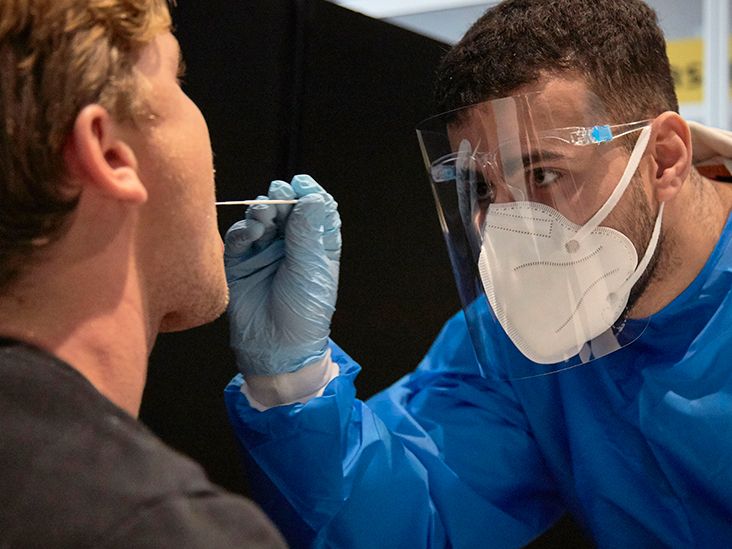
The most useful way to know whether you have COVID-19 is to take a viral test. At-home antigen tests are convenient, fast, and helpful when used correctly. Molecular tests, such as PCR or other NAAT tests, are generally more sensitive and may detect infection earlier.
A positive COVID-19 test means you likely have COVID-19. It does not tell you the exact variant. If Omicron-related variants are common in your area, your infection may be Omicron, but that is an educated guessnot a personal variant diagnosis.
What If Your At-Home Test Is Negative?
A negative at-home antigen test does not always mean you are clear, especially if you tested early. Antigen tests can miss infection before the viral level is high enough. If you have symptoms and your first test is negative, repeat testing is recommended. Many health authorities advise testing again about 48 hours later. If symptoms continue or you are high risk, ask a healthcare professional whether you should get a molecular test.
When Should You Test?
Test when you have symptoms that could be COVID-19, especially if you had a known exposure. Also consider testing before visiting someone at high risk, such as an older adult or someone with a weakened immune system. The goal is not just to answer your own question; it is also to avoid accidentally delivering the virus like an unwanted pizza.
Omicron vs. Cold vs. Flu vs. Allergies
Omicron can feel like a cold, flu, or allergies, but there are clues. A cold often develops gradually, with sneezing, congestion, and mild sore throat. Flu tends to hit suddenly with fever, chills, body aches, and strong fatigue. Allergies often cause itching, watery eyes, sneezing, and clear nasal drainage without fever. Omicron can borrow symptoms from all of them, which is rude but medically true.
If your symptoms are new, unusual for you, or linked to a known exposure, test for COVID-19. If flu is spreading in your area and you have sudden fever and body aches, a clinician may also recommend flu testing, especially because antiviral treatment for flu works best early too.
What To Do If You Think You Have Omicron
Stay Home While You Are Sick
If you have respiratory symptoms, stay home and away from others as much as possible. Current public health guidance focuses on symptoms: return to normal activities when your symptoms are improving overall and you have been fever-free for at least 24 hours without fever-reducing medicine. After returning, take extra precautions for several more days, such as masking, improving ventilation, washing hands, and avoiding close contact with high-risk people.
Use a Mask Around Others
A well-fitting mask can reduce the spread of respiratory droplets and aerosols, especially indoors. If you must be around others while recovering, masking is a practical way to lower risk. No mask is magical, but a good one is much better than breathing freely into shared air while your immune system is hosting a tiny viral rodeo.
Hydrate, Rest, and Monitor Symptoms
For mild illness, supportive care often includes fluids, rest, and over-the-counter fever or pain relievers when appropriate. Follow label directions and avoid giving aspirin to children or teenagers. If you have medical conditions, take prescription medicines, or are unsure what is safe, ask a healthcare professional.
When To Call a Doctor
Contact a healthcare provider early if you test positive and are at higher risk for severe COVID-19. Antiviral treatment may help reduce the risk of hospitalization, but it works best when started soon after symptoms begin. Paxlovid, for example, must be started within five days of symptom onset for eligible patients.
You should also seek medical advice if symptoms worsen instead of improving, fever persists, dehydration develops, or you have concerns about breathing. Get emergency help for severe trouble breathing, chest pain or pressure, confusion, bluish lips or face, fainting, or any symptom that feels dangerous.
Who Is More Likely To Get Seriously Sick?
Anyone can get COVID-19, but severe illness is more likely in certain groups. Risk increases with age, especially for older adults. People with multiple underlying medical conditions also face higher risk. Conditions such as chronic lung disease, heart disease, diabetes, obesity, cancer, kidney disease, immune suppression, and pregnancy may increase concern. Long-term care residents are also at higher risk.
If you are in a higher-risk group, do not wait until symptoms become dramatic. Testing early gives you more treatment options. COVID-19 treatment is a “sooner is better” situation, not a “let’s see what happens after binge-watching three seasons” situation.
Can Vaccinated People Still Get Omicron?
Yes. Vaccination does not create an invisible force field around your nose. People who are vaccinated can still get infected, especially as the virus changes. However, vaccination remains important because it helps protect against severe illness, hospitalization, and death. Staying up to date is especially important for older adults, people at higher risk, and those who have never received a COVID-19 vaccine.
Past infection can also provide some immune protection, but reinfections happen. If you had COVID-19 before, new symptoms after a new exposure should still be taken seriously. Your immune system may remember the virus, but the virus also keeps updating its wardrobe.
Can You Have Omicron Without Symptoms?
Yes. Some people with COVID-19 have no symptoms or very mild symptoms. They may still spread the virus, especially close to the time when infection is active. This is why testing before visiting vulnerable people can be useful, even if you feel fine. It is also why good ventilation, hand hygiene, and staying home when sick remain practical habits.
How Long Does Omicron Last?
Mild Omicron infections often improve within several days, but recovery varies. Some people feel better quickly; others have fatigue, cough, congestion, or brain fog that lingers. A positive test may remain for a while, and symptoms do not always disappear in a perfectly neat timeline.
If symptoms last for weeks or new symptoms appear after the initial illness, talk with a healthcare provider. Long COVID can occur after mild or severe infection, and it may involve fatigue, shortness of breath, sleep problems, dizziness, brain fog, or other ongoing issues.
How To Reduce Your Risk
You cannot reduce risk to zero, unless you plan to live in a bubble, and bubbles are terrible for Wi-Fi. But you can lower your chances of infection and severe illness with practical steps: stay up to date on vaccines when recommended, test when sick or exposed, improve indoor ventilation, wear a well-fitting mask in crowded indoor places, wash hands, and avoid close contact with people who are ill.
If you are sick, the kindest thing you can do is stay away from others until you are improving. Nobody wants your “probably just allergies” germs as a souvenir.
Real-Life Experience: What Omicron Often Feels Like
Many people describe Omicron as confusing because it can begin so casually. One person may wake up with a dry throat and assume they talked too much the day before. By lunch, their nose is running. By evening, they feel unusually tired and cold. The next morning, the cough appears. Nothing feels dramatic enough to scream “COVID,” but the combination of symptoms feels suspicious.
Another common experience is the “negative test surprise.” Someone feels sick, takes one at-home test on day one, and sees a negative result. They relax, go about their day, and then test positive two days later when symptoms are stronger. This happens because antigen tests may not detect the virus early. The lesson is not that home tests are useless; it is that timing matters. If symptoms continue, repeat testing can make the picture clearer.
Some people notice that Omicron feels more like a bad cold than the COVID-19 stories they heard in 2020. They may never lose taste or smell. They may not have a high fever. Instead, they deal with congestion, sore throat, fatigue, headache, and a cough that lingers like an awkward guest. This mild appearance can be tricky because people may keep socializing, thinking they are not contagious. That is exactly how respiratory viruses enjoy their little road trips.
Parents often report that children and teenagers may seem only mildly sick: a sore throat, runny nose, headache, or “I’m tired” attitude that is hard to separate from normal school-week exhaustion. Still, if there is a known exposure, testing is wise. For families, the practical approach is usually simple: test, keep the sick person home, improve airflow, avoid sharing cups or utensils, and protect grandparents or medically vulnerable relatives.
Adults living with roommates often face another real-world challenge: shared spaces. If one person tests positive, it helps to sleep separately if possible, wear masks in common areas, open windows, run air filters when available, clean high-touch surfaces, and avoid eating together until the sick person is clearly improving. Is it glamorous? No. Is it better than turning the apartment into a viral team-building retreat? Absolutely.
The biggest experience-based lesson is this: do not wait for the “perfect” COVID symptom. Omicron does not always arrive wearing a name tag. If you have new respiratory symptoms, especially after exposure, act as though it could be COVID-19 until testing and time give you a better answer. That means staying home when sick, testing correctly, and being extra careful around high-risk people. In everyday life, that practical caution is often more useful than trying to guess the variant from symptoms alone.
Conclusion
So, how do you know you are infected with Omicron? You do not know from symptoms alone. You may suspect it if you have a sore throat, runny nose, congestion, cough, fatigue, headache, body aches, fever, digestive symptoms, or a known exposurebut suspicion is not confirmation. A COVID-19 test can confirm infection, while specialized sequencing is needed to identify Omicron or a specific subvariant.
The smartest move is practical: test when symptoms appear, repeat a negative antigen test if symptoms continue, stay home while sick, protect vulnerable people, and contact a healthcare provider early if you are at higher risk. Omicron may sometimes feel like “just a cold,” but it still deserves respect. Your nose may be casual about it; your public health habits should not be.