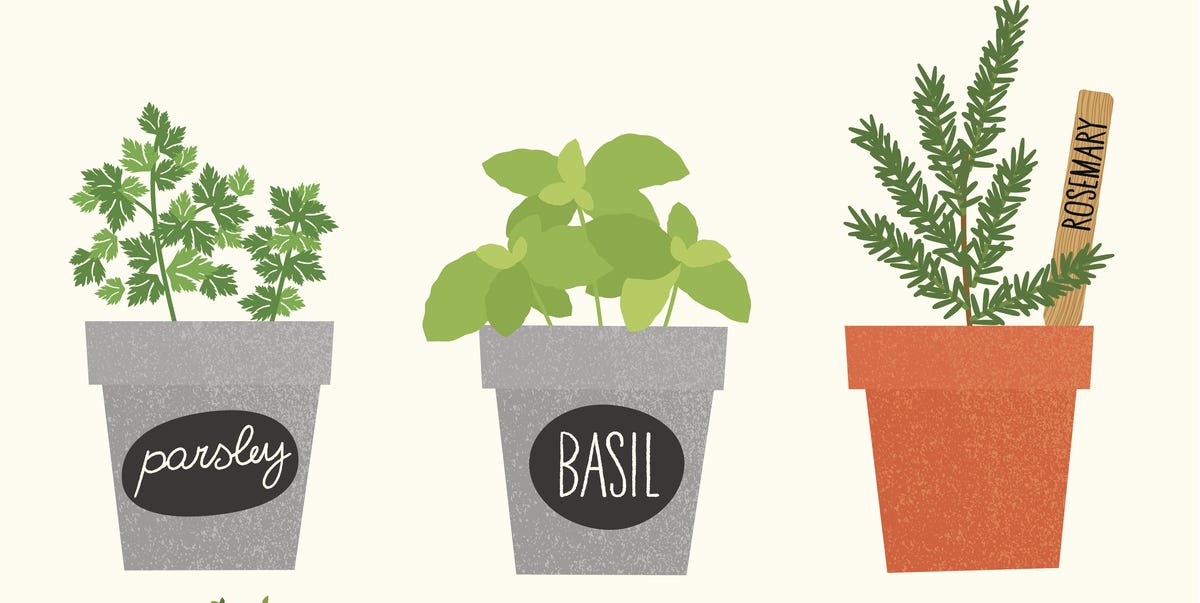

Starting an herb garden is one of the easiest ways to make your home feel more alive, your cooking taste more expensive, and your grocery bill look slightly less dramatic. Unlike some garden projects that require complicated tools, heroic patience, or a backyard the size of a small county, growing herbs can begin with a sunny windowsill, a few containers, and a small amount of curiosity. Basil, parsley, mint, rosemary, thyme, oregano, cilantro, chives, dill, sage, and lavender can all become part of a practical, beautiful, and delicious garden.
The best part? Herbs are forgiving. They do not expect perfection. They simply want sunlight, well-drained soil, the right amount of water, and a gardener who remembers they exist. Whether you live in a house with a backyard, an apartment with a balcony, or a studio with one heroic window, you can grow fresh herbs at home. This guide walks you through planning, planting, caring for, harvesting, and using your own herb garden, with practical tips that work for beginners and experienced gardeners alike.
Why Grow an Herb Garden?
A home herb garden gives you flavor on demand. Instead of buying a plastic clamshell of basil, using six leaves, and watching the rest turn into a sad science experiment in the refrigerator, you can snip exactly what you need. Fresh herbs brighten salads, soups, pasta, roasted vegetables, eggs, grilled meats, teas, sauces, and even desserts. A handful of chopped parsley can rescue a dull dish. A few basil leaves can make tomato toast taste like summer put on a fancy shirt.
Herbs also add beauty and fragrance to your space. Rosemary looks sculptural, lavender brings soft color, chives bloom with purple flowers, and mint fills the air with a cool scent when brushed. Many herbs attract pollinators when allowed to flower, which helps create a healthier garden ecosystem. Even a small herb pot on a patio can become a mini habitat for bees and butterflies.
Another reason to grow herbs is control. You decide whether to use organic methods, how much fertilizer to apply, when to harvest, and which varieties to grow. Supermarkets often carry only common herbs, but gardeners can explore lemon thyme, Thai basil, cinnamon basil, purple sage, garlic chives, bronze fennel, pineapple mint, and other varieties that make cooking more interesting.
Choosing the Best Location for Your Herb Garden
Most culinary herbs grow best in full sun, which generally means at least six hours of direct sunlight per day. Mediterranean herbs such as rosemary, thyme, oregano, sage, and lavender especially love bright light and excellent drainage. Basil, dill, cilantro, and parsley also appreciate sun, although parsley and cilantro may tolerate a bit of afternoon shade in hot climates.
Before planting, watch your space for a day. Notice where the sun lands in the morning, afternoon, and evening. A south- or west-facing area usually receives strong light, while an east-facing spot may work well for herbs that prefer gentler morning sun. If you are growing indoors, place herbs near the brightest window available. When natural light is weak, a simple grow light can keep plants from becoming tall, pale, and dramatic, like they are auditioning for a garden soap opera.
Outdoor Herb Garden Locations
For an outdoor herb garden, choose a spot close to the kitchen if possible. Convenience matters. If your herbs are tucked behind the garage, guarded by mosquitoes, and located three weather systems away from your cutting board, you are less likely to use them. A sunny bed near the back door, a raised planter beside the patio, or containers along a walkway can make fresh herbs part of daily cooking.
Indoor Herb Garden Locations
Indoor herbs need strong light and good airflow. A sunny windowsill can work for basil, parsley, chives, mint, thyme, and oregano, but indoor conditions are often less intense than outdoor sun. Rotate pots every few days so plants grow evenly. Avoid placing herbs directly over heating vents or in dark corners. Herbs are charming, but they are not magical; they cannot photosynthesize in a cave.
Best Herbs for Beginners
Some herbs are easier to grow than others. If you are new to gardening, start with reliable herbs that tolerate small mistakes. Once you gain confidence, you can add trickier plants or unusual varieties.
Basil
Basil is a warm-season annual that loves sun, warmth, and regular harvesting. It grows quickly and rewards frequent pinching. Use it in pesto, salads, pasta, pizza, sandwiches, and tomato dishes. Remove flower buds to keep leaves tender and flavorful.
Mint
Mint is almost too easy. In fact, it can spread aggressively in the ground, so grow it in a container unless you want your yard to become the International Republic of Mint. Use mint in teas, fruit salads, lemonade, yogurt sauces, and desserts.
Parsley
Parsley is a biennial usually grown as an annual. Flat-leaf parsley has a bold flavor, while curly parsley adds texture and garnish power. It grows well in containers and can tolerate partial shade better than many herbs.
Chives
Chives are hardy, low-maintenance perennials with mild onion flavor. Their purple flowers are edible and attractive. Snip leaves for baked potatoes, eggs, soups, dips, and salads.
Thyme
Thyme is compact, fragrant, and drought-tolerant once established. It prefers well-drained soil and does not like sitting in wet conditions. Use it with roasted vegetables, chicken, fish, beans, soups, and breads.
Rosemary
Rosemary is a woody herb with a bold pine-like aroma. It thrives in sun and fast-draining soil. In colder regions, grow rosemary in a container so it can be protected during winter.
Oregano
Oregano is a rugged perennial in many climates and is excellent for pizza, tomato sauce, marinades, roasted vegetables, and Mediterranean dishes. It likes sun, moderate watering, and regular trimming.
Soil: The Secret Ingredient Under the Leaves
Good herb gardening begins with good soil, but “good” does not mean overly rich. Many herbs develop stronger flavor when grown in moderately fertile, well-drained soil rather than soil that is heavily fertilized. Too much nitrogen can produce lush growth with weaker aroma. In other words, herbs are not impressed by luxury spa soil. They prefer practical comfort.
For garden beds, loosen the soil and mix in compost to improve structure, drainage, and microbial life. Avoid heavy clay areas that stay wet for long periods. If your soil drains poorly, consider raised beds or containers. For pots, use a quality potting mix rather than garden soil. Potting mix is lighter, drains better, and allows roots to breathe.
Most herbs prefer a near-neutral soil pH, but you do not need to obsess over numbers unless plants struggle. If you are building a permanent herb garden, a soil test can help you understand pH and nutrient levels. This is especially useful before adding lime, fertilizer, or amendments. Guessing with soil amendments can turn gardening into chemistry class without the safety goggles.
Growing Herbs in Containers
Container herb gardening is perfect for patios, balconies, porches, windowsills, and renters. Containers let you control soil, drainage, and placement. They also make it easier to move tender herbs indoors when temperatures drop.
Choose pots with drainage holes. This is non-negotiable. Herbs do not enjoy swamp life. A beautiful pot without drainage may look stylish, but it can drown roots. If you love a decorative container, use it as a cover pot and place a smaller draining pot inside.
Most herbs grow well in containers at least 8 to 12 inches deep, though larger herbs like rosemary, dill, fennel, and mature basil appreciate more room. Mint, lemon balm, and other spreading herbs are excellent candidates for individual pots because they can overwhelm neighbors in shared containers.
Best Container Herb Combinations
Group herbs with similar needs. Rosemary, thyme, oregano, sage, and lavender like sun and drier conditions. Basil, parsley, cilantro, and chives prefer more consistent moisture. Mint should usually live alone because it has big “I own this place now” energy.
A good beginner container might include basil, parsley, and chives. A Mediterranean container could include thyme, oregano, sage, and rosemary. A tea-inspired container could feature mint, lemon balm, chamomile, and lavender, with mint kept in its own pot nearby.
How to Plant Herbs
You can start herbs from seeds, transplants, cuttings, or divisions. Seeds are affordable and offer more variety, but they require patience. Transplants from a nursery give you a faster start and are often easier for beginners.
Basil, dill, cilantro, and parsley are commonly grown from seed. Rosemary, lavender, mint, thyme, sage, and oregano are often easier to start from nursery plants because some have slow or uneven germination. Mint and chives can also be divided from existing plants.
When planting outdoors, wait until the danger of frost has passed for tender herbs like basil. Hardy herbs such as chives, thyme, oregano, and parsley can handle cooler weather better. Plant herbs at the same depth they were growing in their nursery pots. Water thoroughly after planting, then keep soil evenly moist while roots establish.
Watering Your Herb Garden
Watering is where many new gardeners accidentally become either helicopter parents or neglectful roommates. The goal is balance. Most herbs like soil that is moist but not soggy. Let the top inch of soil dry slightly before watering many established herbs, especially Mediterranean types.
Containers dry out faster than garden beds, especially in hot weather. Check pots often by touching the soil. If it feels dry below the surface, water deeply until moisture drains from the bottom. Shallow sprinkling encourages weak roots. Deep watering teaches roots to grow stronger.
Try to water the soil rather than the leaves. Wet leaves, especially in crowded spaces, can encourage disease. Morning watering is ideal because plants have time to dry during the day.
Fertilizing Herbs Without Overdoing It
Herbs are not heavy feeders. In garden beds enriched with compost, many herbs need little additional fertilizer. In containers, nutrients wash out more quickly, so a light feeding during the growing season may help. Use a balanced, diluted fertilizer and avoid pushing too much leafy growth too fast.
If your basil is pale and slow, it may need more nutrients. If your oregano is growing like a green pillow but tastes like almost nothing, it may be overfed. Flavor often comes from a little healthy restraint.
Pruning and Harvesting Herbs
Harvesting is not just the reward; it is also part of plant care. Regular trimming encourages bushier growth and delays flowering in leafy herbs. For basil, pinch just above a pair of leaves to encourage branching. For chives, cut leaves near the base. For parsley, harvest outer stems first. For thyme and oregano, snip stems and strip the leaves.
Avoid removing too much at once, especially from young plants. A helpful rule is to take no more than one-third of a mature perennial herb at a time. Annual herbs like basil can handle frequent harvesting once established, but they still need enough leaves to keep growing.
For best flavor, harvest herbs in the morning after dew dries but before the heat of the day. Leafy herbs are often most flavorful before flowering. Once basil, cilantro, or dill flowers, the leaf flavor may change. You can pinch flowers off or let some bloom for pollinators and seeds.
Common Herb Garden Problems
Herbs are generally low-maintenance, but they are not immune to trouble. Yellow leaves may indicate overwatering, poor drainage, low nutrients, or insufficient light. Leggy growth usually means the plant needs more light or more frequent pruning. Brown crispy edges may come from underwatering, heat stress, or root restriction in a small pot.
Pests such as aphids, spider mites, whiteflies, and caterpillars may appear. Start with gentle solutions: rinse pests off with water, prune damaged growth, improve airflow, and avoid overcrowding. Healthy plants in the right conditions are better able to resist pests and disease.
One common mistake is planting herbs with very different needs together. Lavender and basil may look cute in the same container, but lavender wants drier soil while basil wants more moisture. That relationship is not built to last.
Growing Herbs Indoors Year-Round
An indoor herb garden can keep fresh flavor within reach through winter or in homes without outdoor space. The biggest challenge indoors is light. Herbs that do not get enough light become weak, stretched, and less flavorful. Place them near a bright window or use a grow light for consistent results.
Indoor herbs also need good drainage and careful watering. Because indoor conditions are cooler and less windy than outdoors, pots may dry more slowly. Always check the soil before watering. Keep leaves away from cold window glass in winter and hot drafts from heaters.
Good indoor choices include chives, parsley, mint, thyme, oregano, and basil if you can provide enough warmth and light. Rosemary can grow indoors but often struggles in dry indoor air, so give it bright light, excellent drainage, and avoid overwatering.
Preserving Herbs for Later
When your herb garden becomes productive, you may suddenly have more herbs than one dinner can handle. This is a good problem. Herbs can be preserved by drying, freezing, making herb butter, blending into pesto, infusing vinegar, or freezing in oil or water cubes.
Drying works well for oregano, thyme, rosemary, sage, mint, and lavender. Basil, parsley, cilantro, and chives often keep better flavor when frozen. To freeze chopped herbs, place them in ice cube trays with water or olive oil, freeze, then store the cubes in a labeled container. Future you will feel very organized.
Store dried herbs in airtight containers away from light, heat, and moisture. Label them with the herb name and date. A jar labeled “green mystery dust” is not helpful six months later.
Designing a Beautiful Herb Garden
A herb garden can be practical and attractive at the same time. In a formal garden, herbs can be arranged in neat geometric beds with paths between them. In a cottage garden, herbs can mingle with flowers, vegetables, and pollinator plants. In a small space, vertical shelves, railing planters, hanging baskets, and tiered containers can create a productive garden without taking over the floor.
Use height and texture when designing. Rosemary and fennel add vertical structure. Thyme and oregano spill softly over edges. Chives create upright clumps. Purple basil, variegated sage, and flowering lavender add color. A well-designed herb garden looks intentional even when it is secretly just a delicious collection of useful plants.
Best Herbs for Cooking
For everyday cooking, start with herbs you already use. If you cook Italian-inspired meals, grow basil, oregano, parsley, rosemary, and thyme. If you enjoy Mexican or Thai dishes, try cilantro, basil, mint, and chives. For roasted meats and vegetables, rosemary, sage, thyme, and oregano are excellent. For teas and desserts, grow mint, lemon balm, lavender, and chamomile.
The best herb garden is not the one with the longest plant list. It is the one you actually use. Three healthy herbs near your kitchen are more valuable than twenty neglected herbs in a forgotten corner.
Beginner Herb Garden Plan
If you want a simple starter plan, choose five herbs: basil, parsley, chives, thyme, and mint. Plant basil and parsley in a sunny container with consistent moisture. Give chives their own small pot or a garden edge. Plant thyme in a drier, sunny container. Keep mint in its own pot so it does not spread wildly.
With those five herbs, you can flavor pasta, eggs, soups, salads, potatoes, grilled foods, sauces, teas, and dressings. You will learn different watering needs, harvesting habits, and growth patterns without becoming overwhelmed.
Personal Experience: What Growing Herbs Teaches You
Growing an herb garden teaches you quickly that plants are living things, not kitchen decorations with roots. The first lesson is usually about light. Many beginners place herbs on a cute shelf because it looks good, then wonder why the basil is leaning desperately toward the window like it heard there was pizza outside. Herbs need real light. Once you move them into stronger sun or add a grow light, they often improve within days.
The second lesson is about watering. New gardeners often love plants to death, and by love, I mean water them until the roots need tiny life jackets. Most herbs dislike soggy soil. The surface can look dry while the lower soil is still wet, so checking with a finger is better than watering on autopilot. After a while, you learn the weight of a dry pot versus a watered pot. It sounds oddly specific, but it becomes second nature.
Another experience many herb gardeners share is the joy of the first real harvest. Snipping basil for homemade pasta or cutting chives for scrambled eggs feels ridiculously satisfying. The amount may be small, but the flavor is huge. It changes how you cook. You start adding parsley to soup, thyme to roasted carrots, mint to iced tea, and rosemary to potatoes. Suddenly your meals taste fresher, and you become the kind of person who says, “Let me just grab some herbs,” which is a delightful personality upgrade.
You also learn that some herbs have very strong opinions. Mint wants independence and territory. Cilantro prefers cool weather and may bolt when temperatures rise. Basil sulks in cold weather but becomes generous in summer. Rosemary wants excellent drainage and does not appreciate being fussed over. Thyme is tough but hates wet feet. Parsley takes its time, then quietly becomes useful in almost everything.
One of the best practical experiences is discovering that herbs do not need to be perfect to be valuable. A basil plant with a few chewed leaves can still make pesto. Chives that flop after rain can still flavor potatoes. Oregano that gets trimmed too hard often grows back. Gardening builds patience because plants operate on plant time, not human schedule time. You cannot refresh the page and make parsley germinate faster.
Herb gardening also changes how you see waste. When you buy herbs from a store, unused stems often end up forgotten. When you grow them, you become more creative. Extra basil becomes pesto. Mint becomes tea. Thyme gets dried. Parsley stems go into stock. Rosemary sprigs flavor roasted vegetables. Even herb flowers can become garnishes or pollinator snacks.
Perhaps the most rewarding experience is how an herb garden connects daily life to the seasons. In spring, chives return. In summer, basil explodes with growth. In fall, sage and thyme feel perfect for soups. In winter, indoor rosemary or a small pot of parsley becomes a reminder that fresh green life can exist even when the weather is gloomy. A herb garden is small, but it makes a home feel more rooted, more flavorful, and a little more joyful.
Conclusion
Growing your own herb garden is a simple, affordable, and deeply satisfying way to bring fresh flavor into your home. Start with a sunny location, well-drained soil, and a few beginner-friendly herbs. Match plants with similar needs, water carefully, harvest often, and do not be afraid to experiment. Whether your garden is a backyard bed, a balcony container, or a windowsill lineup of leafy little overachievers, fresh herbs can transform everyday meals and make gardening feel approachable.
The secret is to begin small and learn as you grow. Choose herbs you love to eat, place them where you will see and use them, and give them the basics: light, drainage, airflow, and reasonable attention. Before long, you will be sprinkling homegrown flavor into your meals and wondering why you did not start sooner.