
Frozen scallops can turn an ordinary weeknight dinner into something that feels suspiciously fancy. Add a little butter, lemon, garlic, and confidence, and suddenly you are serving restaurant-style seafood instead of staring into the freezer like it owes you answers.
But scallops are delicate. Defrost them carelessly, and they can become watery, unevenly cooked, or about as appealing as a rubber eraser wearing a seafood costume. The good news is that learning how to defrost scallops properly is simple. You need cold temperatures, a little patience, and a healthy dislike of leaving seafood on the kitchen counter.
This guide explains the safest and most effective ways to thaw frozen scallops, how long each method takes, what mistakes to avoid, and how to prep scallops for a gorgeous golden sear. Whether you are making creamy garlic scallops, seafood pasta, chowder, tacos, or a date-night dinner that says “I definitely planned this,” these tips will help.
Why Properly Defrosting Scallops Matters
Scallops are naturally tender, lightly sweet, and quick to cook. That is wonderful when everything goes right. It is less wonderful when they spend too long thawing in warm conditions, leak water into the pan, or cook unevenly.
Food safety is the first reason to thaw scallops correctly. Raw seafood should stay cold while thawing because warmer temperatures can allow bacteria to multiply quickly. The safest methods are refrigerator thawing, cold-water thawing, and microwave thawing followed by immediate cooking.
Texture is the second reason. Scallops contain a lot of moisture. If they thaw poorly or sit in melted ice for too long, they can release extra liquid when cooked. Instead of browning, they steam. Instead of getting a caramel-colored crust, they become pale little puddle-dwellers.
The best thawing method depends on your schedule. Refrigerator thawing produces the best texture. Cold-water thawing is ideal when dinner is happening soon. Microwave thawing is a last-minute rescue mission for those evenings when everyone is hungry and the scallops are still frozen solid.
The Three Safe Ways to Defrost Scallops
1. Defrost Scallops in the Refrigerator: The Best Method
Thawing scallops in the refrigerator is the easiest and most reliable option. It takes longer than other methods, but it protects the seafood’s texture and gives you the best chance of achieving a crisp seared exterior.
For most home cooks, this is the preferred method for defrosting frozen scallops. It requires almost no effort beyond remembering to move the package from the freezer to the refrigerator before bed.
How to thaw scallops overnight in the refrigerator
- Keep the scallops in their original sealed package if it is intact.
- Place the package in a shallow bowl, baking dish, or rimmed plate to catch any drips.
- Set the scallops on the bottom shelf of the refrigerator, away from ready-to-eat food.
- Allow them to thaw slowly for about 8 to 12 hours, or overnight.
- Once thawed, cook the scallops within a day or two for the best quality.
A typical one-pound bag of individually quick-frozen scallops may thaw overnight. A tightly frozen block can take longer. If the scallops are still slightly icy in the center the next day, give them more refrigerator time rather than rushing them onto the counter.
Refrigerator thawing is especially useful when you want to pan-sear scallops. The slow thaw gives you more control over moisture, which is the difference between a golden crust and a pan full of scallop soup.
2. Defrost Scallops in Cold Water: The Fastest Reliable Method
Need scallops for dinner tonight? Cold-water thawing is the best shortcut. It is much faster than refrigerator thawing, but you need to pay attention. This is not a “start it, forget it, and watch three episodes of something” situation.
The scallops must stay sealed in a leak-proof bag. Water should never touch the raw scallops directly while they thaw. Direct contact can make them absorb water, lose flavor, and become more difficult to sear.
How to defrost scallops quickly in cold water
- Place the frozen scallops in a tightly sealed, leak-proof plastic bag.
- Fill a bowl with cold tap water. Never use warm or hot water.
- Submerge the sealed bag in the cold water.
- Change the water every 30 minutes to keep it cold.
- Check the scallops after 20 to 30 minutes if they are individually frozen.
- Allow up to 45 minutes or longer for a thick frozen block.
- Cook the scallops immediately after thawing.
Individually quick-frozen scallops often thaw faster because cold water can circulate around each piece. Large scallops frozen into one solid brick may need more time. Separate them gently only after the outer layer has softened enough to do so without tearing the meat.
Do not use hot water because the outside of the scallops can warm too quickly while the center remains frozen. That creates a food-safety problem and can leave you with scallops that are partly cooked around the edges before they ever meet the skillet.
3. Defrost Scallops in the Microwave: Emergency Mode
The microwave can defrost scallops when time is brutally short. It is safe when done carefully, but it is also the method most likely to damage texture. Scallops can begin cooking at the edges before the centers thaw, especially if your microwave runs hotter than it claims.
Use this method only when you plan to cook the scallops immediately afterward.
How to thaw scallops in the microwave
- Remove the scallops from their packaging and place them in a microwave-safe dish.
- Use the defrost setting or low power.
- Heat in short bursts of 20 to 30 seconds.
- Check and separate the scallops between bursts.
- Stop when the scallops are pliable and still slightly icy.
- Cook immediately.
Microwave-thawed scallops are usually better in saucy dishes, soups, curries, pasta, or baked recipes than in a high-heat searing recipe. They can still taste great, but getting a perfect crust may require extra drying and patience.
Never Defrost Scallops on the Counter
It may seem convenient to leave frozen scallops on the kitchen counter for an hour or two, but this is not a safe thawing method. The outer layers can enter the temperature range where bacteria grow quickly while the middle remains frozen.
Do not thaw scallops in a bowl of warm water, near a sunny window, on top of the stove, or beside a mysterious kitchen appliance that somehow always feels warm. The countertop is for mixing dough, holding groceries, and collecting mail. It is not a seafood spa.
Can You Cook Scallops from Frozen?
Yes, you can cook scallops from frozen in some recipes, especially soups, stews, curries, chowders, casseroles, and saucy pasta dishes. However, frozen scallops are not ideal for a classic pan-seared preparation because they release too much water as they cook.
If your goal is a deeply browned crust, thaw the scallops first and dry them thoroughly. If your goal is a comforting seafood chowder or creamy skillet sauce, cooking them from frozen can work in a pinch. Add them near the end of cooking so they do not overcook.
Sea scallops are larger and benefit more from thawing before searing. Bay scallops are smaller, cook extremely fast, and are often better in pasta, stuffing, risotto, or sautéed dishes where a hard crust is not the main event.
How to Prep Defrosted Scallops for Cooking
Thawing is only half the job. The next step is drying and trimming the scallops so they cook beautifully.
Pat the Scallops Dry
Place thawed scallops on a paper towel-lined plate and gently blot them dry with more paper towels. Do not squeeze them like tiny stress balls. Press lightly and let the towels absorb surface moisture.
For the best sear, let the scallops rest uncovered on a paper towel-lined plate in the refrigerator for 10 to 15 minutes after drying. This gives excess moisture one final chance to leave the building.
Remove the Side Muscle
Some sea scallops have a small, firm flap of muscle attached to the side. This is called the side muscle or abductor muscle. It is edible, but it can be chewy compared with the tender center of the scallop.
Simply pinch it with your fingers and pull it away. It usually comes off easily. You do not need a knife, a special tool, or a dramatic speech about culinary excellence.
Choose Dry Scallops When Possible
When shopping, look for scallops labeled “dry scallops.” These have not been treated with added water-retaining solutions. They generally brown more easily and have a firmer, sweeter texture.
“Wet scallops” may be treated with a solution that helps preserve appearance and adds moisture. They are not automatically bad, but they can release more water in the pan. If wet scallops are all you can find, dry them extra well before cooking and avoid crowding the skillet.
How Long Does It Take to Defrost Scallops?
| Defrosting Method | Approximate Time | Best For | Cook Immediately? |
|---|---|---|---|
| Refrigerator | 8 to 12 hours or overnight | Best texture and pan-seared scallops | No, but use soon |
| Cold water | 20 to 45 minutes | Quick weeknight meals | Yes |
| Microwave | Several short bursts | Last-minute cooking | Yes |
| Cook from frozen | No thawing needed | Soups, sauces, and stews | Cook fully |
Common Mistakes When Defrosting Scallops
Thawing Them in Warm Water
Warm water may speed things up, but it also warms the scallops unevenly and can compromise safety. Use cold water only.
Leaving Them in a Leaky Bag
If water enters the package, the scallops can become waterlogged. Use a sturdy zip-top bag and press out extra air before submerging it.
Skipping the Drying Step
Even properly thawed scallops need to be dried. Moisture is the enemy of browning. A dry scallop meets a hot pan and develops color. A wet scallop meets a hot pan and starts a small steam conference.
Overcrowding the Pan
This is not technically a thawing mistake, but it is often the reason people blame their scallops. Give each scallop breathing room. Cook in batches when necessary. A crowded pan traps moisture and prevents browning.
Cooking Them Too Long
Scallops cook quickly, usually in just a few minutes. They should be opaque and tender, not tough and squeaky. Large sea scallops may need roughly 1 1/2 to 2 minutes per side in a hot skillet, depending on size and heat level.
Can You Refreeze Thawed Scallops?
Scallops thawed in the refrigerator can usually be refrozen if they have stayed properly chilled, although the quality may decline slightly. Each freeze-thaw cycle can cause moisture loss, which may make the scallops less tender later.
Scallops thawed in cold water or the microwave should be cooked before refreezing. Once cooked, cool them promptly, store them in an airtight container, and refrigerate or freeze them according to safe storage practices.
How to Tell Whether Thawed Scallops Are Still Good
Freshly thawed scallops should smell mild and clean, like the ocean on a good day. They should not smell sharply fishy, sour, ammonia-like, or aggressively unpleasant.
Discard scallops if they feel unusually slimy, have an off odor, or were left at room temperature for too long. When seafood seems questionable, do not try to negotiate with it. Dinner should not involve a courtroom drama starring your stomach.
Best Uses for Defrosted Scallops
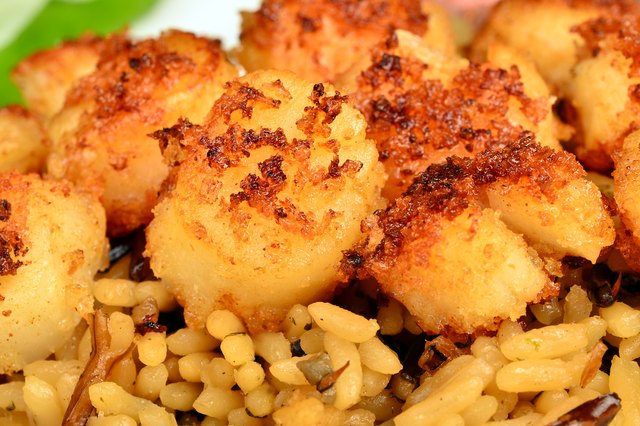
Once your scallops are thawed and dried, the possibilities are deliciously broad. Pan-sear large sea scallops and serve them over risotto, creamy polenta, cauliflower purée, or a bright citrus salad. Toss bay scallops into pasta with garlic, white wine, cherry tomatoes, and herbs.
Scallops also work beautifully in seafood chowder, coconut curry, stir-fries, grilled skewers, tacos, baked casseroles, and butter-based sauces. Their mild flavor pairs well with lemon, basil, parsley, chives, garlic, bacon, corn, mushrooms, asparagus, peas, tomatoes, and buttery grains.
The secret is not drowning them in heavy ingredients. Scallops are naturally sweet and delicate. Let them be the star instead of making them fight a sauce with the personality of a marching band.
Experience-Based Tips for Defrosting Scallops Successfully
After enough seafood dinners, most home cooks develop a few personal rules about scallops. These are the kinds of lessons that usually appear after a pan of expensive seafood refuses to brown, a dinner plan goes sideways, or someone announces they are “not that hungry anyway” while secretly staring at the scallops.
The first useful experience is learning that frozen scallops are not automatically second-best. In many parts of the country, scallops sold as “fresh” at the seafood counter may have been previously frozen before reaching the store. Buying frozen scallops gives you more control over when they thaw and how they are handled. A good bag of individually quick-frozen scallops can be an excellent freezer staple for fast dinners.
The second lesson is that refrigerator thawing rewards planning. Moving scallops to the fridge the night before may sound painfully responsible, but it makes the next evening far easier. The scallops thaw gradually, stay cold, and are usually easier to dry. The result is a better sear with less frantic paper-towel activity five minutes before dinner.
Cold-water thawing is the method that saves many weeknights. It works best when the scallops are individually frozen rather than fused into a frozen iceberg. Keep the bag sealed, use cold water, and change the water when needed. The key is not to walk away for an hour and assume everything will be fine. Seafood is not like laundry. It does not improve when forgotten.
Another common discovery is that scallops need more drying than most people expect. Even when they look dry, they often have enough surface moisture to interfere with browning. A few extra minutes on paper towels can make a huge difference. Some cooks lightly salt their scallops after drying and let them sit briefly before blotting again. This can draw out additional moisture, although it is best to keep the timing short so the scallops do not become overly seasoned.
Pan temperature is also a major factor. Home cooks sometimes add scallops before the skillet is truly hot because the oil looks shiny and everyone is impatient. Wait until the pan is hot enough that the scallops sizzle immediately. Then leave them alone. Constant flipping and poking prevents crust formation. Scallops are not needy; they just want a hot pan and a little personal space.
One of the most useful habits is cooking a test scallop first. Put one scallop in the pan and watch what happens. If it releases a flood of water, the pan may not be hot enough or the scallops may need more drying. If it browns quickly and cleanly, continue with the rest. This small test can save an entire batch from turning into steamed seafood.
It also helps to match the thawing method to the recipe. Refrigerator-thawed scallops are best for searing. Cold-water-thawed scallops are great for quick pasta or skillet meals. Microwave-thawed scallops are perfectly acceptable for chowders, curries, or saucy dishes where the texture has more support from the rest of the recipe. Trying to force every scallop into a restaurant-style sear is unnecessary pressure for everyone involved.
Finally, the biggest practical lesson is to keep scallops simple. A little oil, butter, salt, pepper, garlic, lemon, and herbs can be enough. Scallops already bring sweetness, tenderness, and a little luxury to the plate. Proper thawing simply gives them a fair chance to show off.
Final Thoughts on How to Defrost Scallops
The best way to defrost scallops is in the refrigerator overnight, where they thaw slowly and maintain the best texture. When time is tight, use the cold-water method with a sealed bag and fresh cold water. Use the microwave only when necessary, and cook the scallops immediately afterward.
Whatever method you choose, avoid the kitchen counter, dry the scallops thoroughly, and cook them quickly in a hot pan. With those simple steps, frozen scallops can become a tender, golden, restaurant-worthy meal without requiring a culinary degree, a waterfront view, or a tiny chef’s hat.