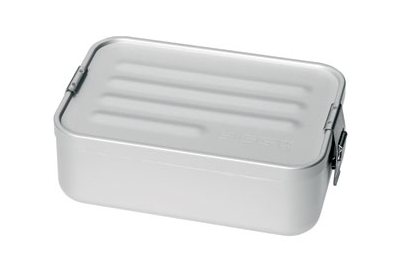

A food storage box may not look like the star of the kitchen. It does not sizzle, sparkle, or arrive at the table with a dramatic cloud of steam. Yet in the quiet world of domestic science, the humble food storage box is a tiny household hero. It protects leftovers, keeps chopped ingredients ready for busy weeknights, saves money, reduces waste, and prevents the refrigerator from becoming a mysterious museum of forgotten sauces.
In simple terms, domestic science is the smart management of home life: cooking, cleaning, organizing, budgeting, and keeping a household healthy. A food storage box fits perfectly into that world because it connects food safety, kitchen efficiency, meal planning, and sustainability. Choose the wrong container, and you may end up with soggy lettuce, freezer-burned soup, stained plastic, or a lunch bag that smells like yesterday’s garlic noodles. Choose the right one, and your kitchen suddenly feels like it has hired a very quiet assistant.
This guide explores how food storage boxes work, which materials are best, how to use them safely, and how to build a practical storage system for everyday American kitchens.
What Is a Food Storage Box?
A food storage box is a reusable container designed to hold cooked meals, raw ingredients, dry pantry goods, snacks, sauces, or meal-prep portions. It usually includes a lid that helps block air, moisture, odors, and spills. Some food storage boxes are made for the refrigerator, some for the freezer, some for the pantry, and some brave little soldiers are designed to go from freezer to microwave to dishwasher without complaining.
The best food storage box is not simply a box with a lid. It should match the food you store, the way you cook, the space you have, and the amount of patience you possess when hunting for matching lids on a Monday morning.
Why Food Storage Boxes Matter in Domestic Science
Food storage is one of those household skills that looks boring until it saves dinner. A good container system helps preserve freshness, organize ingredients, prevent cross-contamination, and make leftovers easier to identify and use. In other words, it turns “What is this cold square of mystery?” into “Great, Thursday’s chili is ready.”
They Help Reduce Food Waste
Many households waste food not because people dislike leftovers, but because food disappears behind jars, dries out, or gets forgotten. Clear food storage boxes make food visible. Stackable designs save space. Labels and dates remind you what should be eaten first. A container cannot force anyone to eat the last scoop of pasta salad, but it can make the pasta salad much harder to ignore.
They Support Food Safety
Food storage boxes help leftovers cool faster when they are shallow and properly sized. They also protect cooked food from raw ingredients and refrigerator drips. Safe storage is not only about avoiding unpleasant smells; it is about slowing the growth of harmful bacteria and keeping meals safe for the next day.
They Make Meal Prep Easier
If you cook in batches, food storage boxes are essential. They let you portion rice, roasted vegetables, soups, salads, fruit, snacks, and proteins ahead of time. The result is a refrigerator that works like a small cafeteria, except the chef is you and the dress code is probably sweatpants.
Types of Food Storage Boxes
Food storage boxes come in many materials, and each one has strengths. The right choice depends on whether you prioritize durability, portability, reheating, appearance, price, or storage space.
Glass Food Storage Boxes
Glass containers are popular because they resist stains, do not hold odors as easily as plastic, and often look neat enough to serve food directly at the table. They are excellent for tomato sauce, curries, roasted vegetables, casseroles, and leftovers that need reheating. Many glass bases are microwave-safe, oven-safe, freezer-safe, and dishwasher-safe, although lids often have different rules.
The downside is weight. Glass is heavier than plastic and can break if dropped. It is wonderful for home storage but less ideal for a child’s backpack, a crowded commute, or anyone who treats lunch bags like gym equipment.
Plastic Food Storage Boxes
Plastic containers are lightweight, affordable, and easy to carry. They are useful for packed lunches, picnics, snacks, and dry goods. Modern food storage containers often come in BPA-free designs, and many are dishwasher- and microwave-safe when used according to the manufacturer’s directions.
However, plastic can stain, warp, scratch, and hold odors over time. It is best to avoid reheating oily or highly acidic foods in plastic unless the container is clearly labeled microwave-safe. Scratched or cloudy containers should be replaced because damaged surfaces are harder to clean.
Stainless Steel Food Storage Boxes
Stainless steel containers are durable, lightweight, and excellent for packed lunches, snacks, sandwiches, cut fruit, and dry foods. They do not stain easily and can last for years. They are also a good choice for families trying to reduce plastic use.
The major limitation is that stainless steel cannot go in the microwave. If you store leftovers in stainless steel, you will need to transfer food to a microwave-safe plate or bowl before reheating.
Silicone Food Storage Boxes and Bags
Silicone storage containers and reusable bags are flexible, space-saving, and useful for freezer storage. They work well for sliced fruit, smoothie packs, chopped vegetables, snacks, and small portions of sauces. Some silicone containers collapse when empty, which is a gift to anyone with cabinets that already look like a lid avalanche waiting to happen.
Good-quality silicone can be durable, but it may hold strong odors if used for garlic-heavy or spice-heavy foods. Cleaning the corners of reusable silicone bags also requires more attention than washing a simple glass rectangle.
How to Choose the Best Food Storage Box
The best food storage box is the one you will actually use. A beautiful 42-piece set is not helpful if half the lids vanish and the remaining boxes do not fit your refrigerator shelves. Before buying, think about your cooking habits.
Look for an Airtight Seal
An airtight food storage box slows moisture loss, keeps foods fresher, and helps control odors. Locking lids with silicone gaskets are useful for soups, sauces, cut onions, berries, and lunches that travel. If you have ever opened a bag and discovered that salad dressing has escaped like a tiny criminal, you already know why leak resistance matters.
Choose Stackable Shapes
Square and rectangular containers usually use refrigerator and pantry space more efficiently than round ones. Round containers are fine for soups and grains, but they can waste corner space. For small kitchens, stackability is not a luxury; it is survival.
Match the Size to the Job
Large containers are great for family leftovers, but small containers are better for sauces, dressings, nuts, fruit, and lunch portions. A practical set usually includes several sizes: small boxes for condiments, medium boxes for single servings, and larger boxes for batch-cooked meals.
Check Temperature Ratings
Not every food storage box is safe for the freezer, microwave, oven, or dishwasher. Always check the label. Glass bases may tolerate heat, while plastic lids may need to be removed before reheating. Freezer-safe containers should leave room for food expansion, especially soups and stews.
Food Safety Rules for Storage Boxes
A food storage box is only as smart as the way it is used. Good storage habits help protect your food and your household.
Cool Food Quickly in Shallow Containers
Large pots of hot food cool slowly. Instead of placing a deep pot of soup directly into the refrigerator, divide it into shallow food storage boxes. Smaller portions cool faster and more evenly. This is especially important for soups, stews, casseroles, rice dishes, and cooked meats.
Refrigerate Leftovers Promptly
Perishable food should not sit out for long periods. A useful household rule is to refrigerate leftovers within two hours, or within one hour if the food has been exposed to high heat, such as during summer picnics or hot car rides. The refrigerator should stay at 40°F or below, while the freezer should stay at 0°F or below.
Use Most Leftovers Within 3 to 4 Days
Refrigerated leftovers are generally best used within three to four days. If you know you will not eat them in time, freeze them sooner rather than later. Freezing keeps food safe for longer, although quality can decline as texture, moisture, and flavor change.
Label and Date Everything
Labeling is the difference between domestic science and domestic archaeology. A simple piece of masking tape and a marker can save you from guessing whether a container holds chicken soup, cheese sauce, or something that once had hopes and dreams. Write the food name and date before storing it.
Best Uses for Food Storage Boxes Around the Kitchen
For Leftovers
Use shallow, airtight containers for cooked leftovers. Glass works especially well for reheating pasta, casseroles, roasted vegetables, and saucy dishes. For lunch leftovers, lighter plastic or stainless steel may be more convenient.
For Meal Prep
Meal prep works best when containers are portion-friendly and easy to stack. Use divided containers for balanced lunches, small boxes for snacks, and larger containers for bulk ingredients like cooked rice, grilled chicken, or washed greens.
For Pantry Organization
Dry food storage boxes are excellent for flour, sugar, rice, pasta, oats, cereal, nuts, crackers, and dried beans. Airtight pantry containers help keep moisture and pests away. Clear sides also make it easier to see when you are running low, which reduces the classic grocery mistake of buying a third bag of rice while having two at home already.
For Freezer Storage
Freezer-safe food storage boxes are useful for soups, sauces, cooked grains, chili, shredded meat, and make-ahead meals. Leave a little space at the top for expansion. For best quality, remove excess air when possible, label clearly, and freeze in portions you can realistically thaw and eat.
Common Food Storage Box Mistakes
Even good containers can fail when used incorrectly. One common mistake is storing food while it is still in a huge, deep portion. Another is using containers without dates, which turns the refrigerator into a guessing game. A third mistake is reheating food in containers not designed for the microwave.
Another problem is overfilling. A container packed to the lid may leak, freeze poorly, or make a mess when reheated. Give food a little breathing room. Your soup does not need a mansion, but it does need enough space to avoid staging a lid rebellion.
How to Clean and Maintain Food Storage Boxes
Food storage boxes last longer when cleaned properly. Wash them with hot, soapy water or place dishwasher-safe pieces in the dishwasher. Remove silicone gaskets when possible and clean under them, since food residue can hide there. Dry containers completely before storing them to prevent trapped moisture and odors.
For stains, especially tomato sauce stains on plastic, try washing promptly and letting the container sit with baking soda paste before rinsing. To reduce odor, store containers with lids off until fully dry. If a plastic container remains sticky, warped, cracked, or deeply scratched, it is time to retire it with dignity.
Glass vs. Plastic: Which Is Better?
There is no single winner for every household. Glass is better for reheating, odor control, stain resistance, and long-term use. Plastic is better for portability, affordability, and lightweight storage. Stainless steel is excellent for durability and packed meals, while silicone shines in flexible freezer storage.
A smart domestic science approach is to mix materials. Use glass at home for leftovers and reheating. Use plastic or stainless steel for lunches and snacks. Use airtight pantry containers for dry goods. Use silicone bags for freezer packs and small items. The goal is not to own the fanciest containers; it is to build a system that makes cooking and eating easier.
Practical Food Storage Box System for a Family Kitchen
A useful starter system might include four small containers, four medium containers, two large containers, two freezer-safe containers, and several small sauce cups. Add dry pantry containers for flour, sugar, rice, pasta, cereal, and snacks. Keep only containers with matching lids. If a lid has been missing since 2022, it is not coming back from its spiritual journey.
Store lids vertically in a bin or rack. Stack containers by shape and size. Keep everyday containers at eye level, not in the cabinet nobody opens because it sounds like thunder when touched. The easier the system is to use, the more likely the household will stick with it.
Experience Notes: Living With Food Storage Boxes in Real Life
In real kitchens, food storage boxes are not just tools; they become part of the daily rhythm of home life. A good container system can change how a person cooks. For example, Sunday meal prep becomes less stressful when containers are ready before the food is cooked. Rice goes into one box, roasted vegetables into another, chicken into a third, and suddenly weekday lunch looks intentional instead of improvised from crackers and hope.
One of the biggest lessons from using food storage boxes regularly is that visibility matters. Clear containers make leftovers look like meals, not secrets. When food is visible, people eat it sooner. A clear box of washed strawberries at eye level disappears quickly. A covered bowl hidden behind a milk carton becomes a science project with fruit ancestry.
Another practical experience is that small containers are often more useful than expected. At first, they seem too tiny. Then they become perfect for salad dressing, lemon wedges, chopped herbs, grated cheese, nuts, dips, and the last heroic spoonful of salsa. Small boxes also make lunch packing easier because sauces stay separate until mealtime. Nobody wants a salad that has been swimming since 7 a.m.
Families also learn that containers need rules. One helpful rule is “no mystery boxes.” Every stored food gets a label and date. Another is “leftovers at the front.” New food goes behind older food so the oldest items are eaten first. This simple rotation system prevents waste and makes the refrigerator easier to manage.
Glass containers feel especially useful for dinner leftovers. They can go from refrigerator to microwave or oven depending on their design, and they do not hold the smell of onions, curry, or tomato sauce as stubbornly as plastic. Still, plastic containers earn their place when food needs to travel. A lightweight lunch box is kinder to a backpack than a heavy glass rectangle.
The most satisfying experience is opening a refrigerator that looks organized. Not perfect, not magazine-level perfect, but functional. Soup is labeled. Fruit is washed. Lunch is ready. The family knows what is available. Cooking feels less chaotic because ingredients are already prepped and stored. That is the quiet magic of domestic science: small systems that make everyday life smoother.
Food storage boxes will never be glamorous in the way copper pans or espresso machines are glamorous. But they do something more useful. They protect food, save time, reduce waste, and bring order to the kitchen. In the domestic science hall of fame, the food storage box deserves a little shelf of honorpreferably a stackable one with a matching lid.
Conclusion
The food storage box is a small object with a surprisingly big role in household management. It supports safer leftovers, smarter meal prep, better pantry organization, and less food waste. Whether you prefer glass, plastic, stainless steel, silicone, or a mix of all four, the best system is one that fits your cooking habits and storage space.
Choose airtight lids, practical sizes, clear designs, and materials suited to the refrigerator, freezer, microwave, pantry, or lunch bag. Label your food, store leftovers promptly, clean containers well, and keep only the pieces that work. Domestic science does not require perfection. Sometimes it starts with a clean box, a good lid, and the courage to throw away the container that has been missing its top since the last presidential administration.