Italy Bans Unvaccinated Children From Going To Preschool And Anti-Vaxxers Are Furious

Italy is famous for espresso, opera, pasta, and the kind of hand gestures that deserve their own Olympic category. But in recent years, the country also became famous for something far more serious: one of Europe’s most closely watched childhood vaccination laws. Under Italy’s mandatory vaccine rules, children under age 6 can be turned away from preschool, nursery school, and kindergarten if parents cannot show proof that the child has received required immunizations. For older children, school access is generally preserved, but parents may face fines if mandatory vaccinations are not completed.
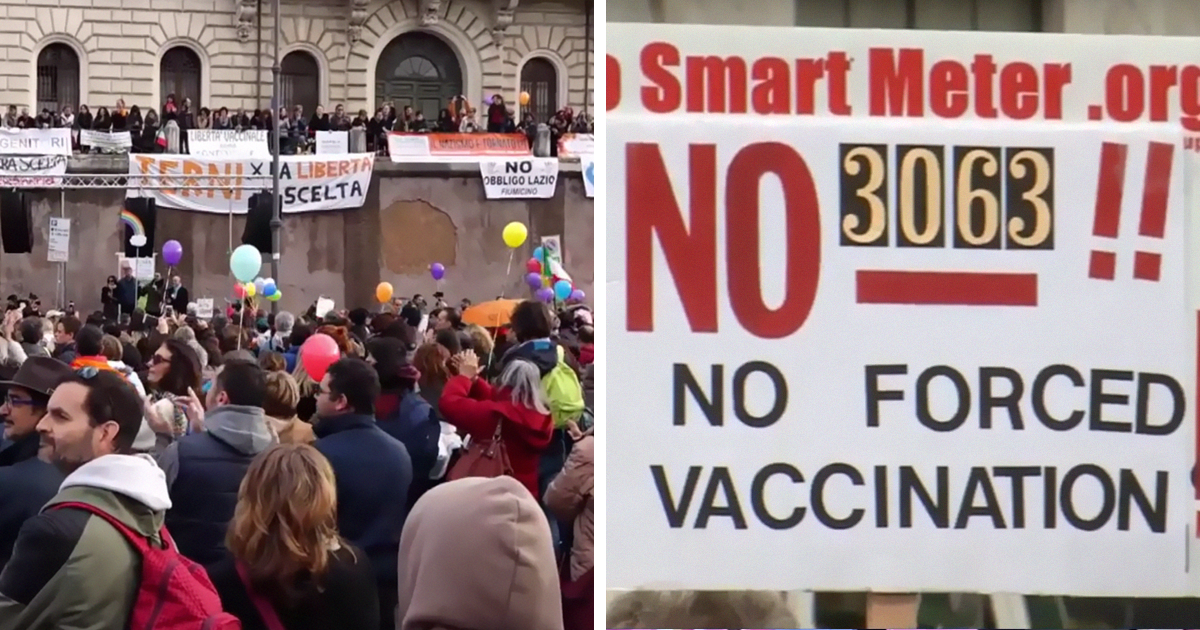
The policy triggered a loud national argument. Public health officials praised it as a necessary move to protect children from vaccine-preventable diseases. Anti-vaccine activists and some political groups called it government overreach. Parents were left sorting through deadlines, paperwork, medical appointments, social media rumors, and the occasional family group chat meltdown. In other words, it became a classic modern health-policy storm: science, law, parenting, politics, and Facebook all walking into the same room and refusing to leave.
What Italy’s Preschool Vaccine Ban Actually Means
The phrase “Italy bans unvaccinated children from preschool” sounds dramatic, but the legal structure is fairly specific. Italy’s Law No. 119 of 2017, often called the Lorenzin law after former Health Minister Beatrice Lorenzin, expanded the number of compulsory childhood vaccines from four to ten for children and adolescents from birth through age 16.
For children under 6, vaccination status became a requirement for attending early childhood education services such as daycare, nursery school, and preschool. If parents cannot provide proof of vaccination, a valid medical exemption, or documentation showing that vaccines are being scheduled, the child may be excluded until the requirements are met. For children ages 6 to 16, the law does not typically remove them from compulsory education, but parents can face administrative fines for failing to comply.
Which Vaccines Are Mandatory In Italy?
Italy’s mandatory childhood vaccination list includes protection against ten diseases: polio, diphtheria, tetanus, hepatitis B, pertussis, Haemophilus influenzae type b, measles, mumps, rubella, and varicella, commonly known as chickenpox. These are not obscure diseases pulled from a dusty medical textbook. They are illnesses that can spread quickly, cause severe complications, and place infants, pregnant people, immunocompromised children, and other vulnerable groups at serious risk.
Medical exemptions exist for children who cannot safely receive certain vaccines because of documented medical contraindications. That matters. A serious public health policy should not treat every child as medically identical. The goal is not to punish children who genuinely cannot be vaccinated. The goal is to reduce preventable outbreaks by keeping community vaccination coverage high enough that diseases struggle to spread.
Why Italy Took Such A Strong Step
Italy did not wake up one morning and decide that preschool paperwork needed more drama. The law followed years of concern about falling vaccination rates and measles outbreaks. Measles, in particular, became a red-alert issue across Europe. It is one of the most contagious human diseases, and health experts generally warn that communities need very high vaccination coverage, often around 95 percent for measles, to prevent sustained transmission.
That 95 percent target is not a decorative number. Measles spreads so efficiently that even a modest dip in coverage can create openings for outbreaks. A child with measles can infect others before everyone realizes what is happening. By the time the rash appears, the virus may already have attended school, taken public transportation, visited relatives, and generally behaved like the worst guest at a birthday party.
Italy’s public health leaders argued that voluntary encouragement alone was not working fast enough. The Lorenzin law used schools as a practical checkpoint because schools are where children gather, share toys, sneeze on one another, and occasionally treat sleeves as napkins. Preschool settings are especially sensitive because young children may be too young for some vaccines or may not yet have completed full vaccine schedules.
Why Anti-Vaccine Activists Were Furious
Opposition to Italy’s vaccine law came from several directions. Some parents objected to state mandates on personal liberty grounds. Some anti-vaccine campaigners promoted fears about vaccine safety. Some political figures criticized the law as coercive, arguing that persuasion and trust-building would work better than fines or exclusion from preschool.
The anger was not only about needles. It was about control, trust, and the emotional weight of parenting. Many parents want to feel they are making careful choices for their children, not being pushed around by a government office. That feeling is understandable. But public health laws operate in the uncomfortable space where private decisions can create public consequences. Choosing not to vaccinate does not only affect one household. In a preschool classroom, it can affect newborn siblings, children receiving cancer treatment, pregnant teachers, grandparents, and families who never volunteered to be part of someone else’s experiment in “natural immunity.”
The Public Health Argument: Schools Are Shared Spaces
The core argument behind Italy’s law is simple: schools are community spaces, and community spaces require shared rules. A preschool may be small, cheerful, and decorated with finger paintings, but epidemiologically speaking, it is also a highly efficient germ exchange program with snack time.
Vaccines reduce the risk that dangerous diseases will enter and spread through these settings. They also protect people who cannot be vaccinated for medical reasons. That is the heart of herd immunity, or community protection. When enough people are immune, a disease has fewer opportunities to move from person to person. The vaccinated majority acts like a firewall around the vulnerable minority.
Critics sometimes frame vaccination as a purely individual decision. Public health experts see it differently. A seat belt mainly protects the person wearing it. A vaccine protects the vaccinated person and helps protect everyone around them. That shared benefit is why vaccine policy often becomes school policy.
Did The Law Work?
Research and official reporting after the Lorenzin law showed improvement in childhood vaccination coverage in Italy. Coverage rose for several required vaccines, including measles and rubella. That does not mean the policy solved every problem forever. Vaccine confidence can rise and fall. Health systems still need accessible clinics, clear communication, reliable records, and respectful conversations with hesitant parents.
Still, the early evidence suggested that a strong school-linked requirement can move vaccination rates in the right direction. It also sent a cultural message: vaccination is not merely a private preference; it is part of the social contract. Like stopping at red lights or not bringing a foghorn to a library, some rules exist because other people exist too.
The Political Roller Coaster
Italy’s vaccine policy also became a political football, and not the tidy kind. After the law passed, some political leaders pushed to soften or delay enforcement. Populist parties criticized mandatory vaccination, while doctors, scientists, and public health organizations warned that weakening the law could invite outbreaks. The debate showed how quickly vaccines can become symbols in broader arguments about elites, institutions, parental rights, and misinformation.
The most difficult part is that public health does not move at the speed of political slogans. Viruses do not care which party is polling well. They do not pause for campaign season. They do not read manifestos. They simply spread when enough susceptible people are available. That is why vaccine laws often outlast the controversies around them: the biological problem remains even when the political noise changes key.
What Parents Needed To Do
For many Italian families, compliance meant gathering vaccination records, checking the child’s schedule, speaking with pediatricians, and submitting documentation to schools. Parents of children who were behind could often arrange catch-up vaccination. Those with legitimate medical concerns needed documentation from health professionals.
In practical terms, the law turned vaccination status into an enrollment issue. That made the policy more visible and more immediate. A general recommendation can be ignored. A school deadline cannot. When a child may miss preschool, parents suddenly discover that bureaucracy has a way of making abstract debates very concrete.
Why Preschool Became The Flashpoint
Preschool became the center of the fight because early childhood education sits at the crossroads of care, learning, and public health. It is not just a place where children learn colors, songs, and the social consequences of stealing crayons. It is also a place where respiratory infections and other contagious diseases can move rapidly.
Children under 6 may not have the same hygiene habits as older students. They touch everything. They share toys. They put mystery objects in their mouths with the confidence of tiny scientists conducting poorly supervised research. In that environment, vaccination becomes one of the most reliable tools for preventing outbreaks before they begin.
The Bigger Lesson For Other Countries
Italy’s experience offers a lesson beyond Italy: vaccine policy works best when it combines clear rules with public trust. Mandates can raise coverage, but they should not be the only tool. Families also need convenient appointments, accurate information, affordable access, and pediatricians who can answer questions without making parents feel foolish.
Public health communication has to be both firm and human. Calling every hesitant parent ignorant is not a strategy; it is a way to lose the room before the conversation starts. At the same time, tolerating misinformation without correction is dangerous. The best approach is direct, factual, and empathetic: vaccines prevent serious diseases, high coverage protects communities, and medical decisions should be guided by qualified health professionals rather than viral posts with suspicious punctuation.
Common Misunderstandings About The Italian Ban
It Does Not Mean Every Unvaccinated Child Is Permanently Expelled
The rule focuses on compliance and documentation. Families can often resolve the issue by providing records, beginning catch-up vaccination, or documenting a valid exemption. The aim is prevention, not theatrical punishment.
It Does Not Eliminate Medical Exemptions
Children with legitimate medical reasons for avoiding specific vaccines are treated differently from children whose parents simply refuse. Protecting medically vulnerable children is one of the main reasons broad vaccination coverage matters.
It Is Not Only About Measles
Measles drove much of the urgency, but Italy’s law covers ten vaccine-preventable diseases. Polio, diphtheria, pertussis, and other illnesses may feel distant to many modern parents precisely because vaccines have made them rare. That success can create the illusion that the diseases were never serious. They were serious. They still are.
Why The Anti-Vaccine Backlash Was So Loud
The fury surrounding Italy’s preschool ban reflected a wider global trend. Vaccine hesitancy often grows where trust is weak and misinformation is easy to share. Social platforms can amplify fear faster than health departments can publish a calm explainer. A frightening anecdote can travel around the world before a pediatrician has finished saying, “Let’s look at the evidence.”
Some activists portrayed the law as an attack on freedom. Supporters framed it as a defense of children’s health. Both sides used emotional language because children were involved, and nothing turns public debate into a pressure cooker faster than parents believing their kids are at stake. The difference is that public policy has to weigh individual fears against population-level risk. That is not always emotionally satisfying, but it is necessary.
Experience Section: What This Policy Feels Like In Real Life
Imagine a family with a 4-year-old preparing for preschool. The backpack is ready. The tiny shoes are lined up by the door. The child is excited, nervous, and possibly wearing a dinosaur shirt for emotional support. Then the school asks for vaccination records. For a fully vaccinated child, this is mostly an administrative errand. For a family that delayed vaccines, lost paperwork, moved from another region, or absorbed too much online misinformation, it can suddenly feel like a crisis.
That is where the policy becomes more than a headline. A parent may feel embarrassed because they are behind on the schedule. Another may feel angry because they believe the school is intruding into family life. A teacher may feel relieved because the rule gives the school a clear standard. A pediatrician may spend the day explaining catch-up schedules and correcting myths. A school administrator may become an accidental public health referee, which is probably not what anyone imagined when they trained to manage snack calendars and enrollment forms.
For families who vaccinate on schedule, the law may feel like common sense. They already did the appointments, soothed the post-shot tears, and kept the little vaccine card in a drawer with birth certificates, passports, and that one mysterious key nobody can identify. To them, it may seem unfair that other families benefit from community protection while refusing to participate in it.
For vaccine-hesitant parents, the experience can be more emotional. Some are not hardcore anti-vaccine activists. They are worried, overwhelmed, and unsure whom to trust. They may have read frightening claims online or heard stories from friends. In these cases, a respectful conversation with a pediatrician can make a real difference. The best experiences happen when parents are not mocked, but misinformation is still corrected clearly. Compassion and evidence should not be enemies; they should be the two adults in the room.
Schools also experience the policy at ground level. They must communicate deadlines, collect documentation, and handle upset families while trying to keep classrooms calm. The rule gives schools authority, but it also gives them extra work. That is one reason public health laws need good implementation. A smart policy can still create confusion if instructions are unclear, records are hard to access, or families cannot easily schedule appointments.
The most important experience, though, belongs to vulnerable children. A child undergoing chemotherapy, a baby sibling too young for certain vaccines, or a classmate with a serious immune condition depends on the protection created by everyone else. These children rarely dominate the debate, but they are central to the reason such laws exist. For them, vaccination policy is not an abstract argument about freedom. It is a practical shield against diseases that can turn a classroom exposure into a hospital visit.
Italy’s preschool vaccine ban is controversial because it touches sensitive nerves: parenting, trust, government power, and children’s safety. But it also reminds the world of a basic truth. Public health is a team sport. Nobody enjoys paperwork, and nobody loves being told what to do. Yet when the goal is keeping dangerous diseases out of classrooms, the community has to act like a community. That may not be as romantic as a sunset in Tuscany, but it is a lot more useful during a measles outbreak.
Conclusion
Italy’s decision to bar unvaccinated children from preschool was not a random act of bureaucratic enthusiasm. It was a direct response to declining vaccination coverage, disease outbreaks, and the need to protect children in shared learning environments. The anger from anti-vaccine activists was predictable, but the public health logic was clear: vaccines work best when enough people participate.
The Italian case shows how difficult modern health policy can be. Scientific evidence may be strong, but public trust still matters. Laws can raise vaccination rates, but they must be paired with accessible healthcare, patient communication, and firm resistance to misinformation. For parents, the lesson is straightforward: keep vaccine records updated, talk to qualified healthcare professionals, and remember that preschool is not just a private milestone. It is a shared space where one family’s decision can affect many others.
Note: This article is for informational and editorial purposes only. It is based on real public health policy, medical guidance, and mainstream reporting about Italy’s childhood vaccination requirements. Parents should consult qualified healthcare professionals for personal medical advice.